Artwork
Aconitum
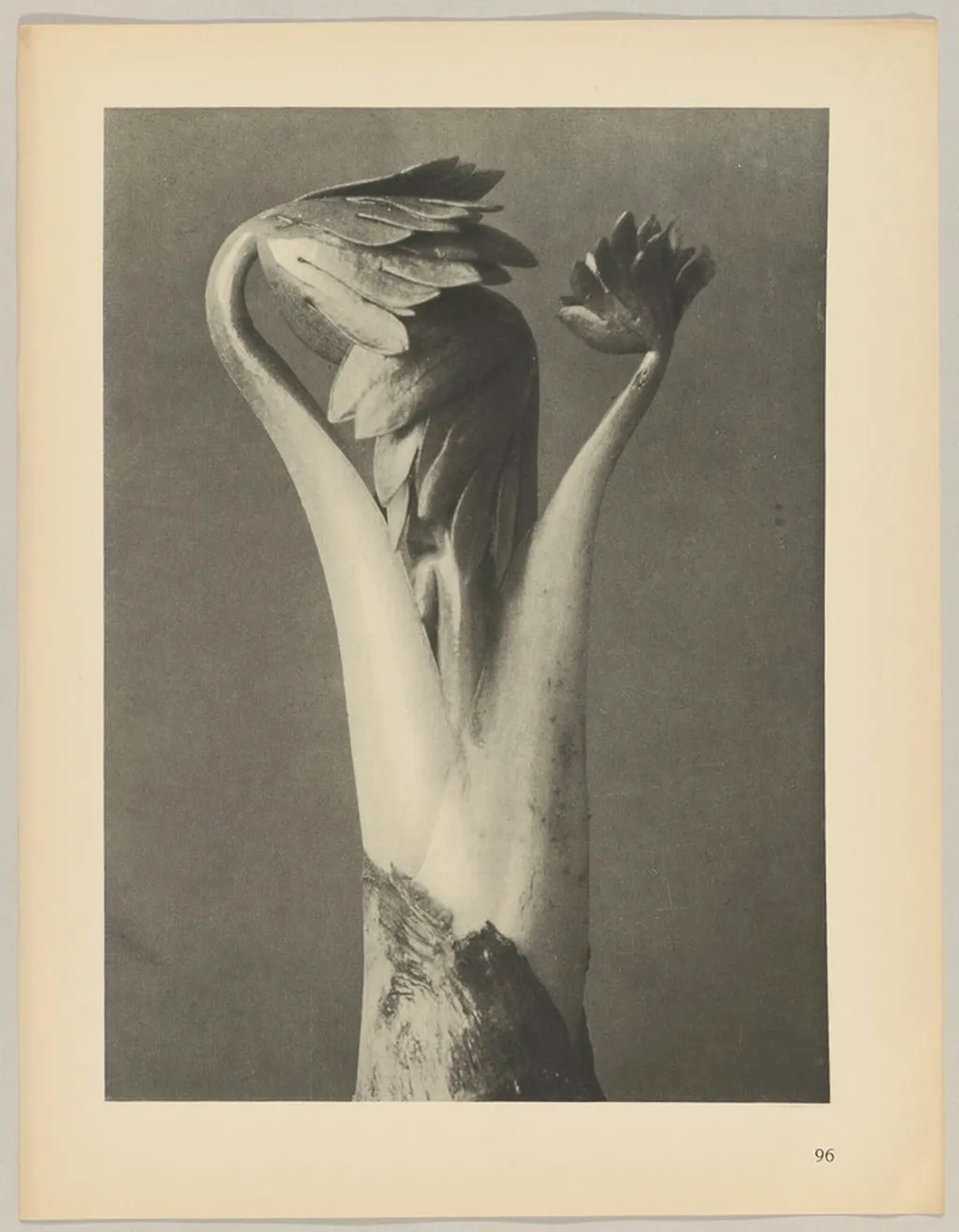
Aconitum is a print by Karl Blossfeldt. It dates from 1928 and is held in the collection of the National Gallery of Art.
About this work
Overview
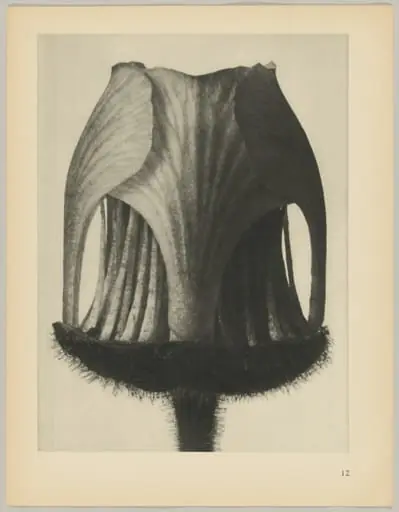
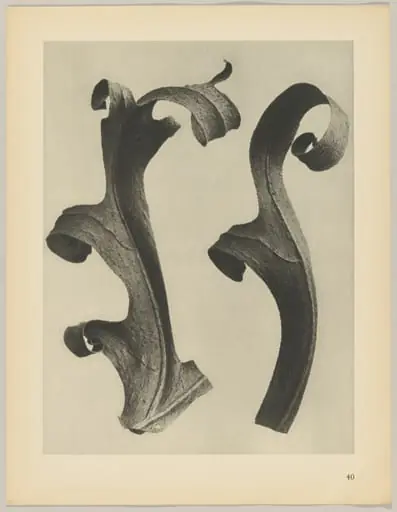
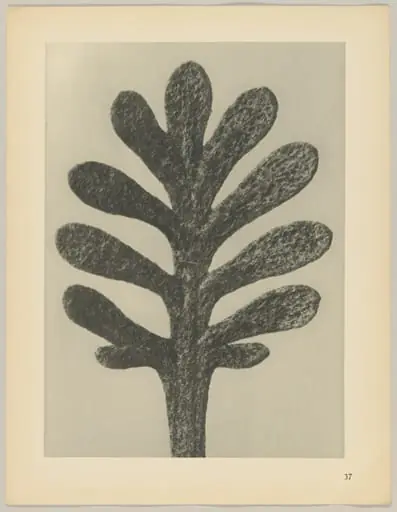
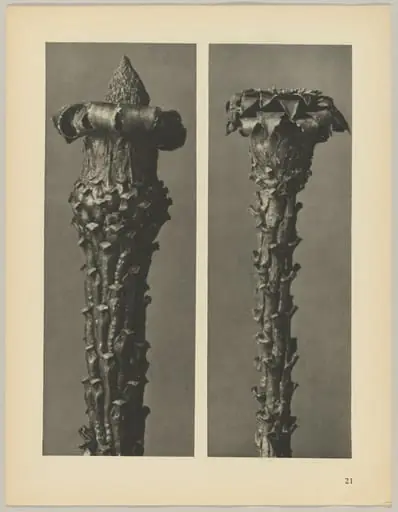
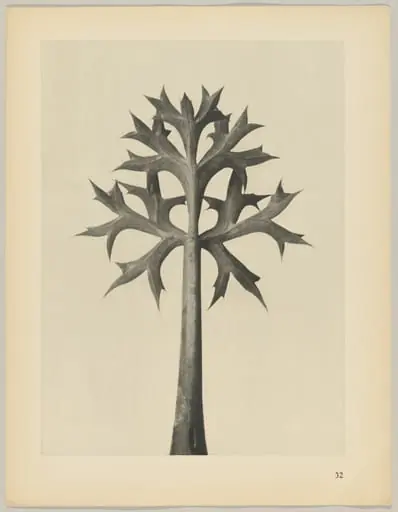
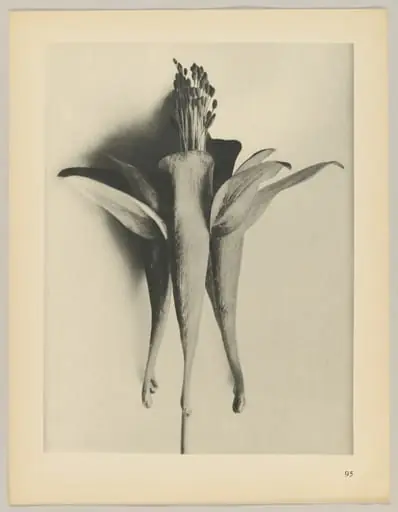
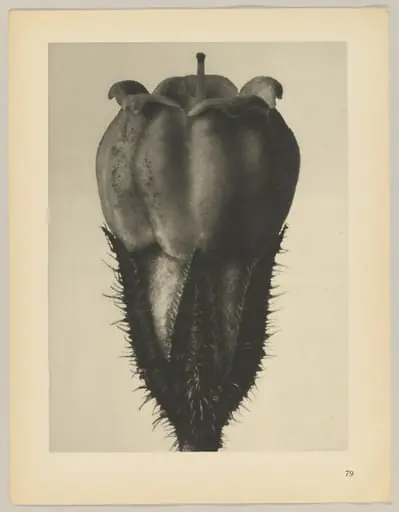
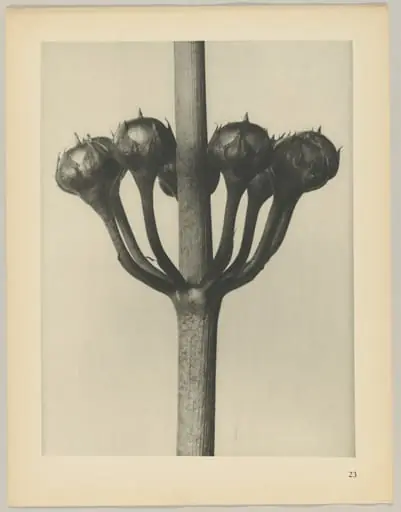
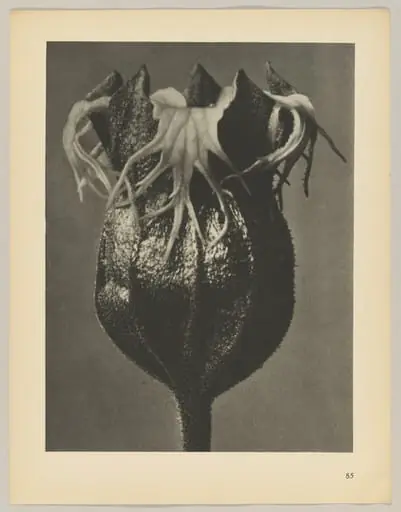
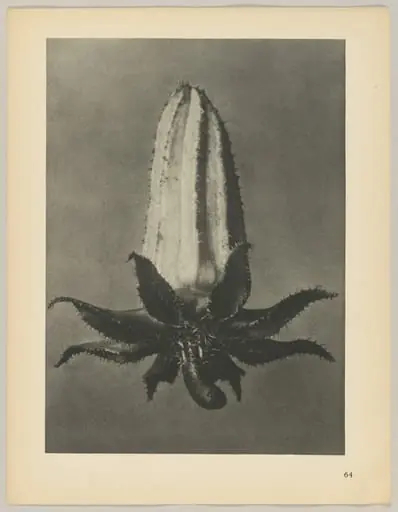
Aconitum is a 1928 photogravure print by Karl Blossfeldt, a German photographer and sculptor. The work features a close-up of a single plant stem with a distinctive, hand-like cluster of curved leaves, set against a plain dark background.
Subject & Meaning
The subject is a plant stem and leaves, captured to highlight nature's inherent sculptural qualities. Blossfeldt aimed to reveal the often-overlooked structural details of organic growth, drawing parallels between natural forms and artistic composition.
Technique & Style
Executed as a photogravure, Aconitum showcases Blossfeldt's meticulous approach to plant photography. The technique emphasizes sharp textures, contrasting the smooth, curved leaves with the rough, textured stem.
History & Provenance
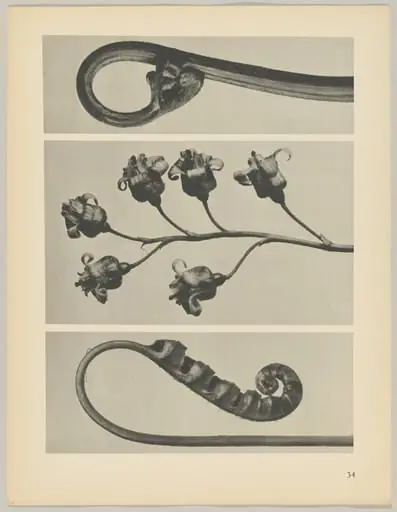
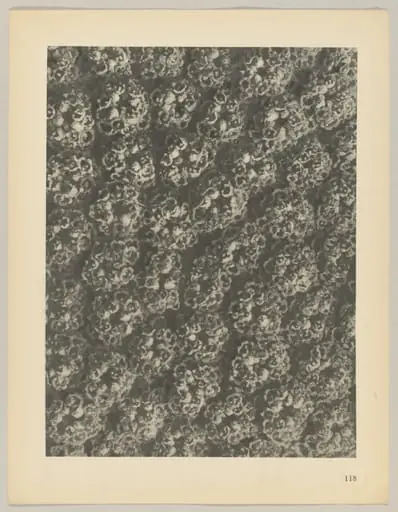
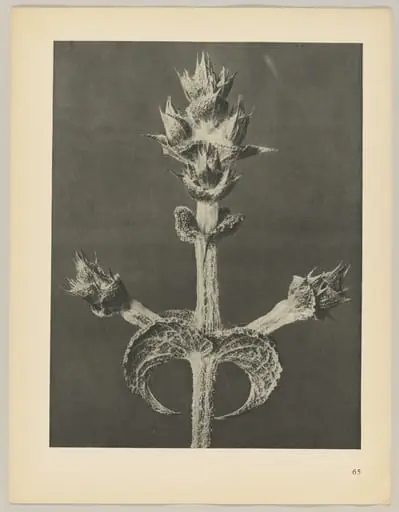
Created in 1928, Aconitum was published the following year in Blossfeldt's collection Urformen der Kunst (Archetypes of Art), which showcased his plant studies emphasizing nature's structural parallels to art.
Context
Blossfeldt's work, including Aconitum, reflects his lifelong fascination with organic growth, influenced by his early exposure to nature through his father. His photographs isolate plant elements to underscore their intrinsic aesthetic and sculptural qualities.
Legacy
Aconitum contributes to Blossfeldt's body of work that redefined how people perceive plant forms, emphasizing the intersection of nature and art. His photography influenced subsequent generations in seeing natural world details as sculptural and artistically relevant.
Artist & collection
Artist
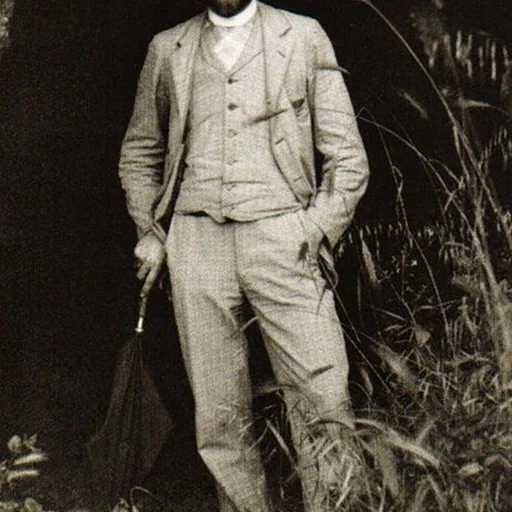
Karl Blossfeldt (13 June 1865 – 9 December 1932) was a German photographer and sculptor.