Artwork
Aesculus parviflora
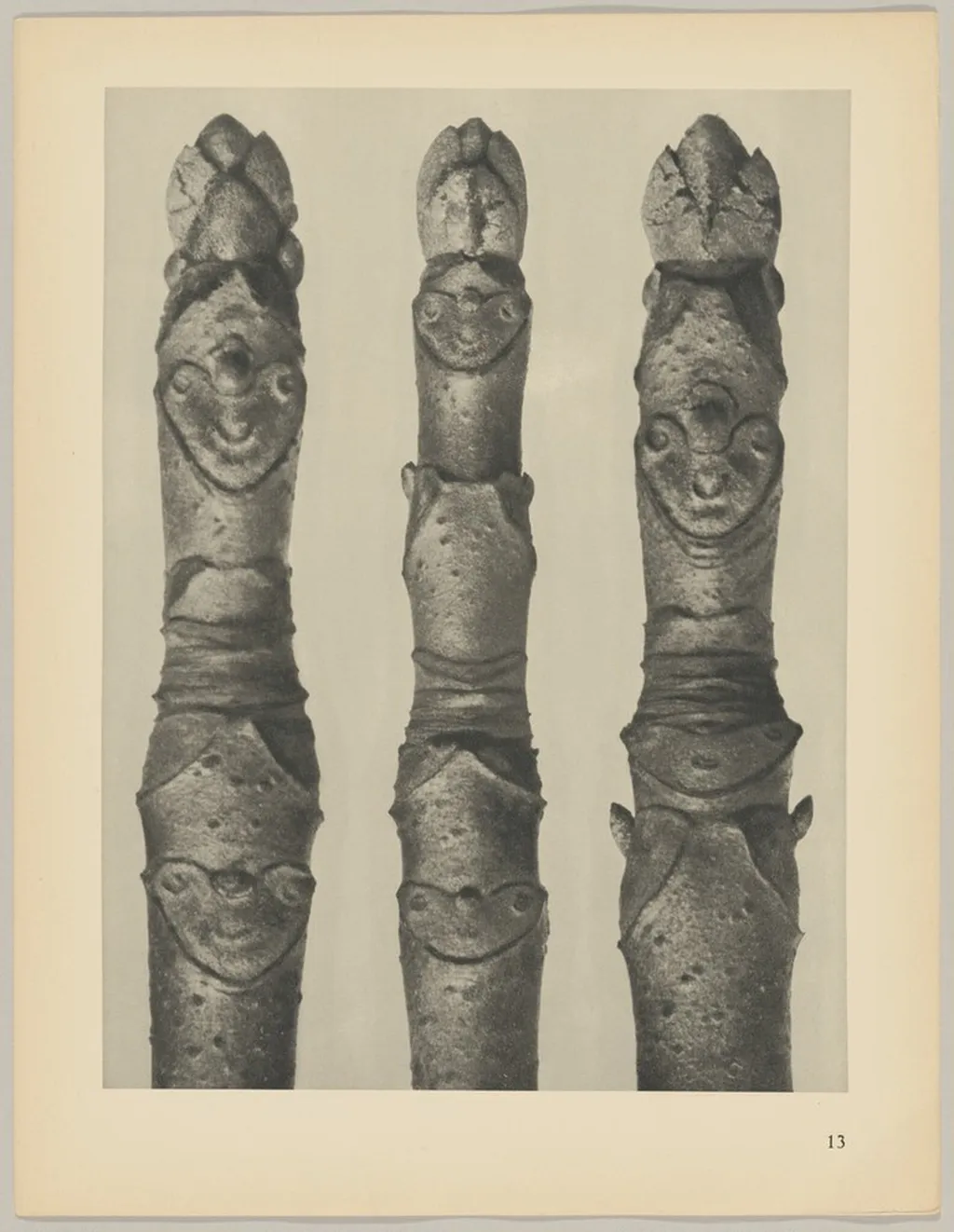
Aesculus parviflora is a print by Karl Blossfeldt. It dates from 1928 and is held in the collection of the National Gallery of Art.
About this work
Overview
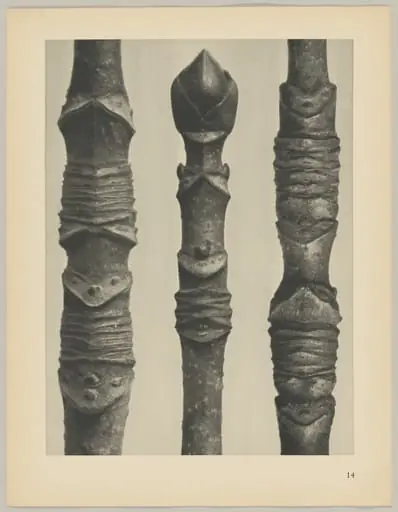
Aesculus parviflora is a 1928 photogravure print by Karl Blossfeldt, a German photographer and sculptor. It is part of a larger body of work featuring magnified botanical details.
Subject & Meaning
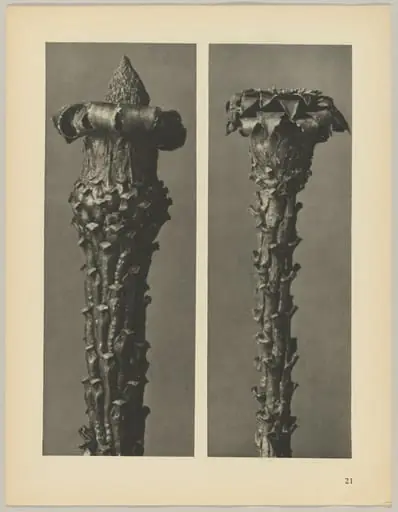
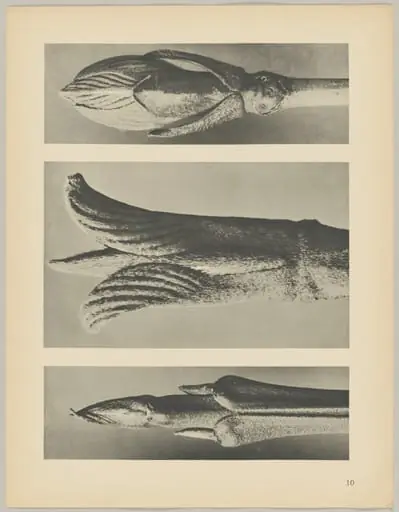
The print depicts three plants with thick, segmented stems and spiky upper sections. The stems feature simple, human-like facial carvings, giving the plants expressive appearances. Blossfeldt's work highlights the structural similarities between plant forms and artistic design.
Technique & Style
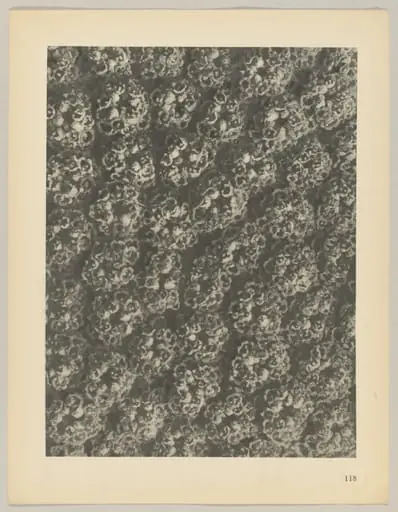
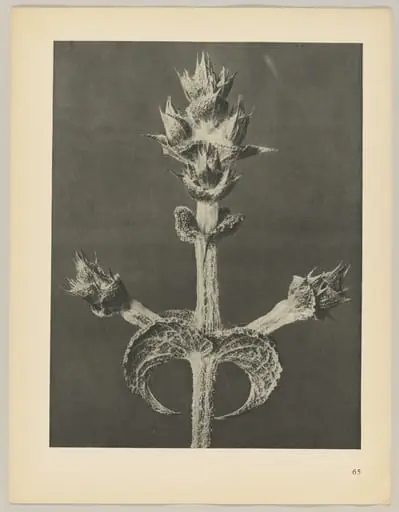
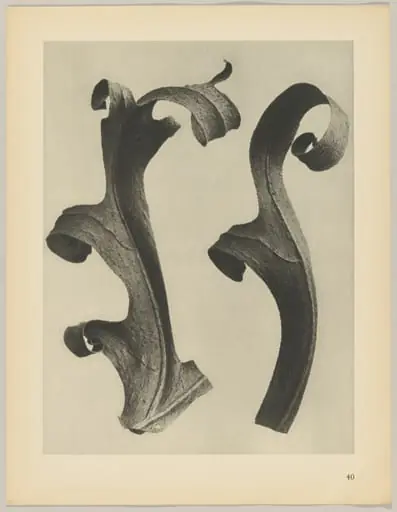
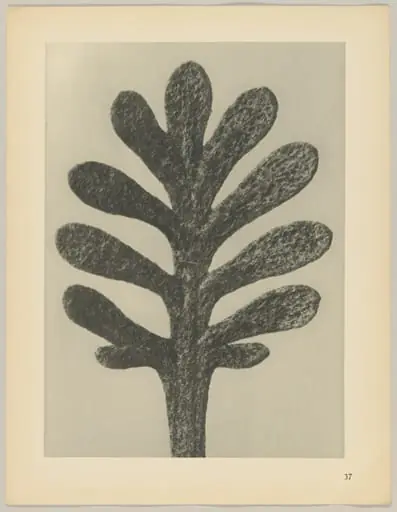
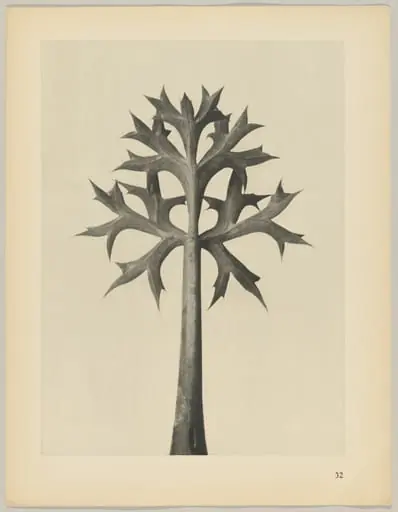
Aesculus parviflora is a photogravure, a type of intaglio printmaking process. The black-and-white image is characterized by its high level of detail, achieved through Blossfeldt's use of magnification and precise photographic techniques.
History & Provenance
The print was created in 1928 as part of Blossfeldt's ongoing study of plant forms, which was later compiled into his 1929 publication Urformen der Kunst.
Artist & collection
Artist
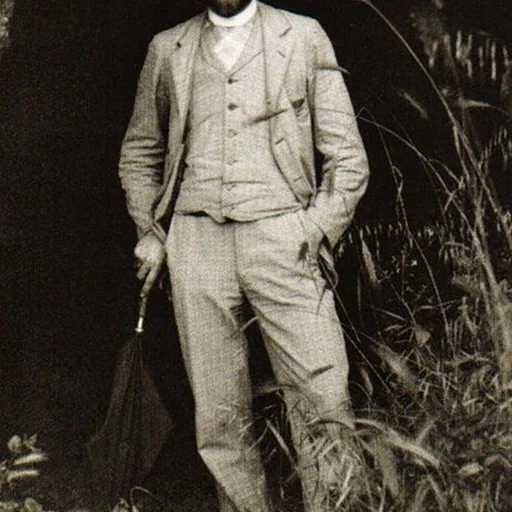
Karl Blossfeldt (13 June 1865 – 9 December 1932) was a German photographer and sculptor.

 Acer
Acer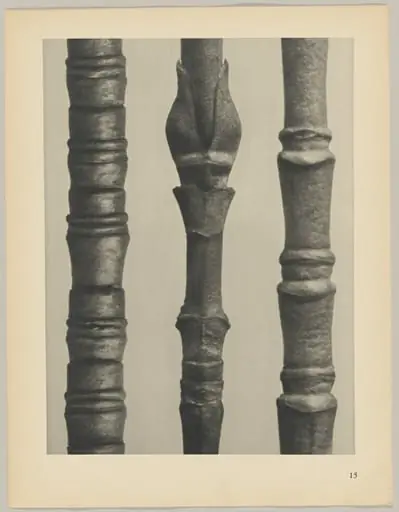 a Cornus Nuttallii; b Cornus Nuttallii; c Cornus florida
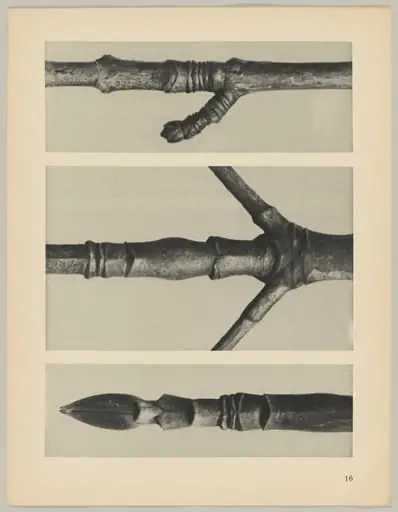
 a Cornus brachypoda; b Cornus pubescens; c Viburnum
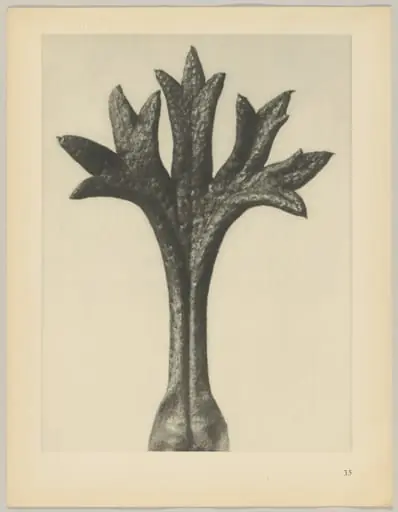
 a Cornus Nuttallii; b Cornus Nuttallii; c Acer
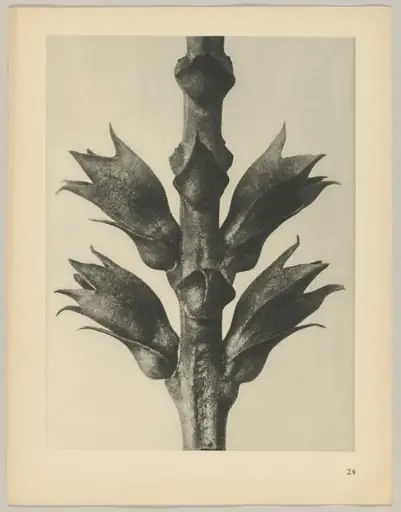
 Saxifraga Willkommniana
 Physostegia virginiana
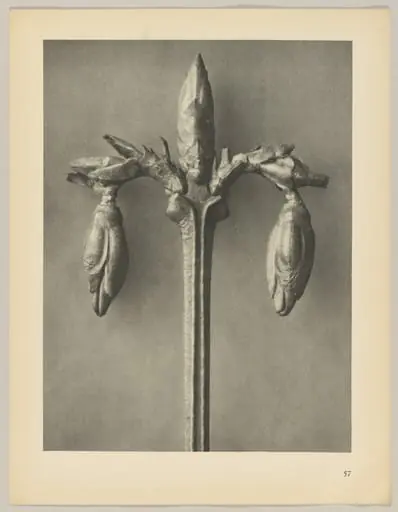 Forsythia suspensa
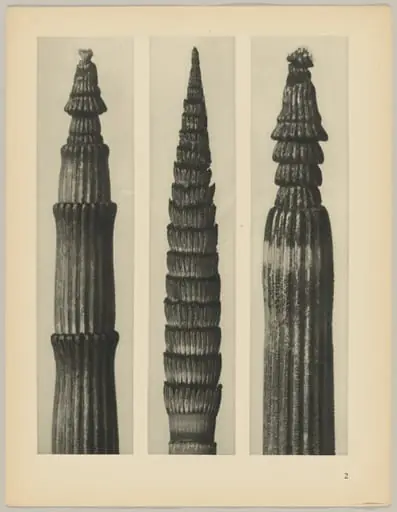 a Equisetum hiemale; b Equisetum maximum; c Equisetum hiemale
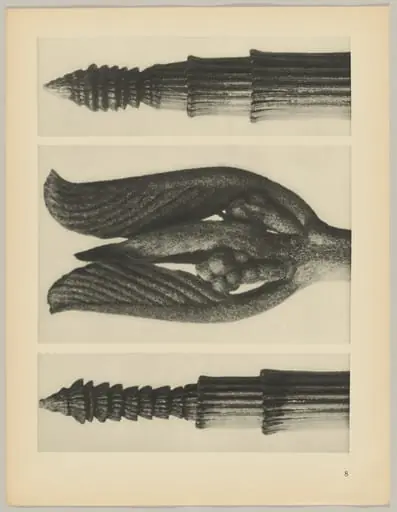 a Equisetum hiemale; b Rhamnus Purshiana; c Equisetum hiemale