Artwork
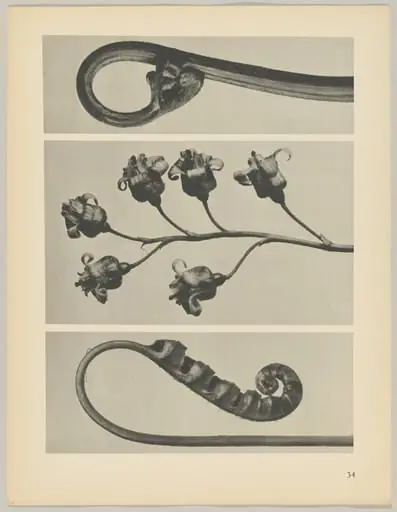
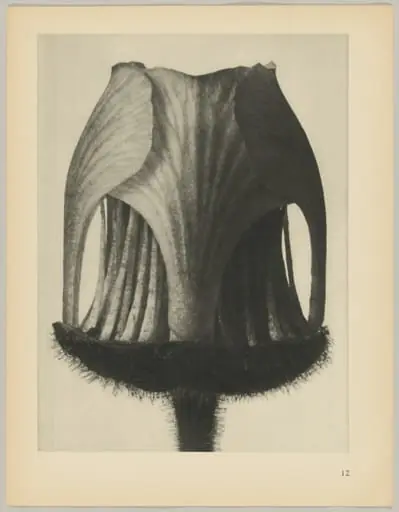
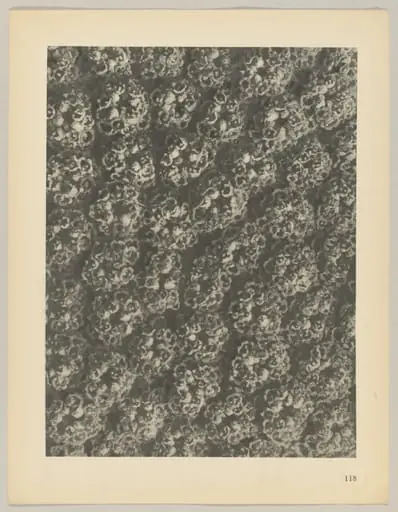
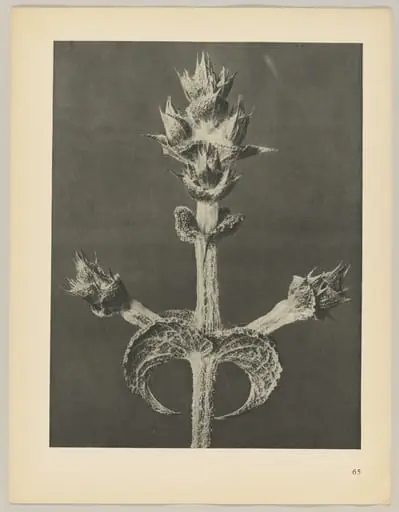
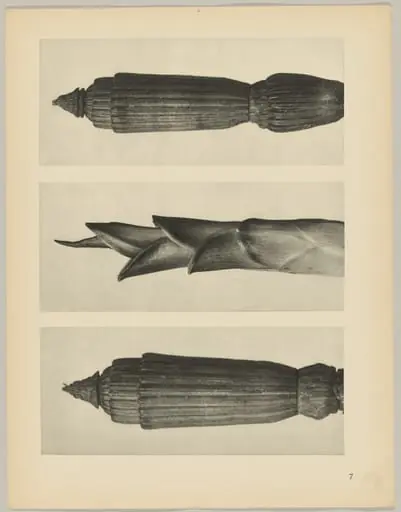
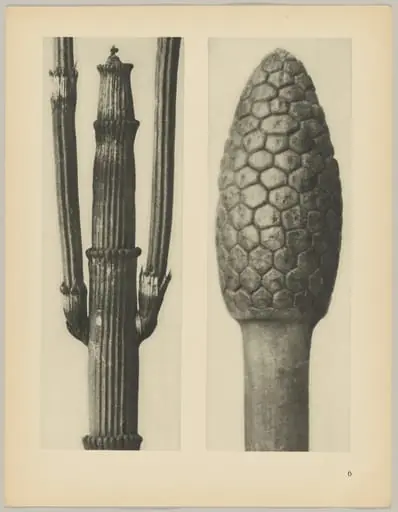
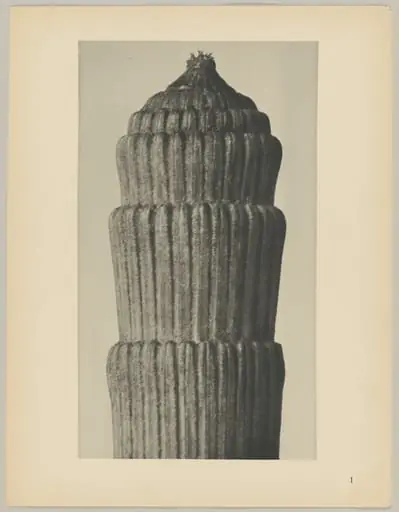
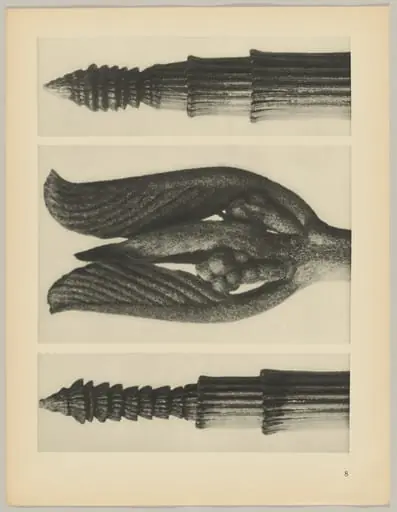
a Equisetum hiemale; b Equisetum maximum; c Equisetum hiemale
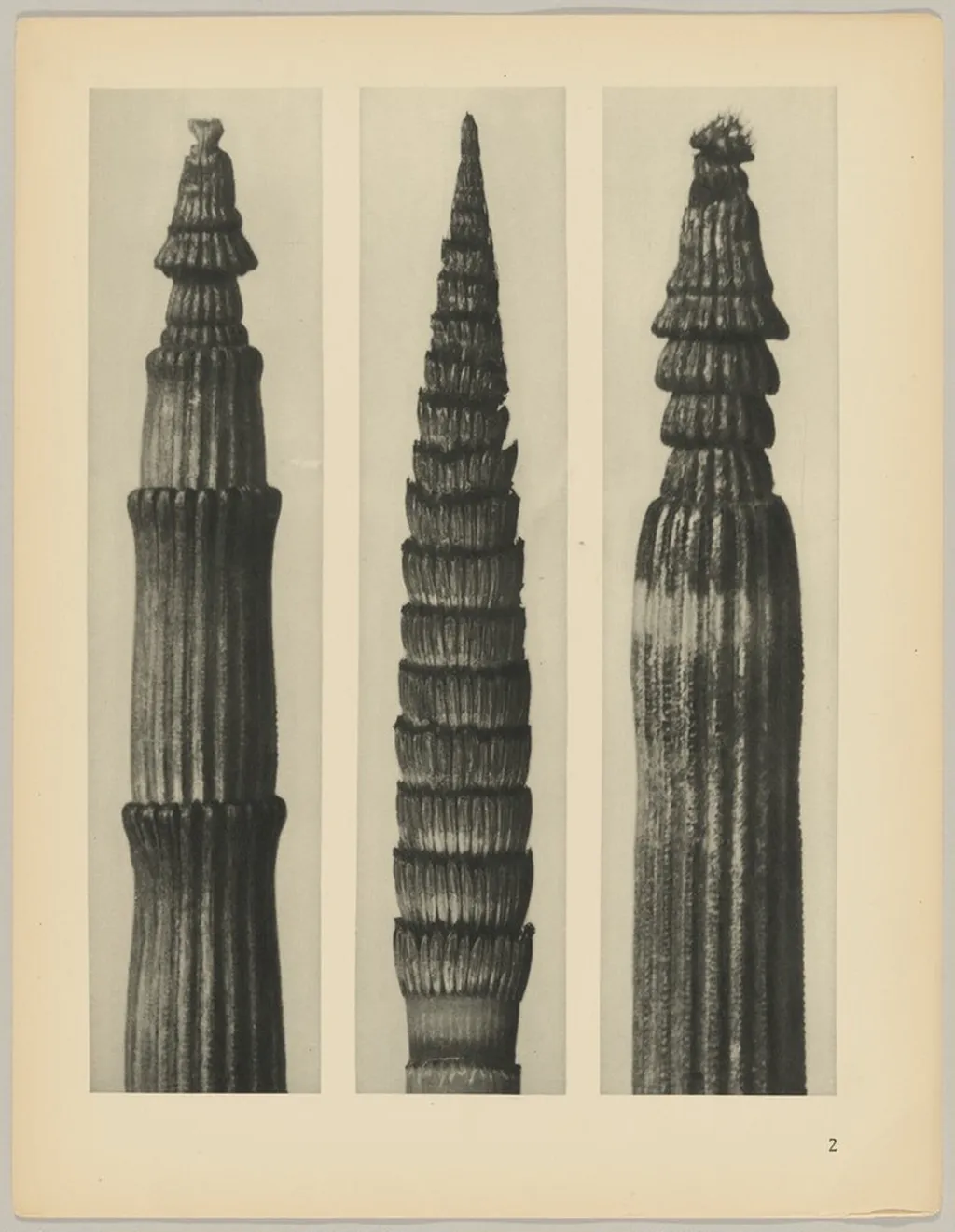
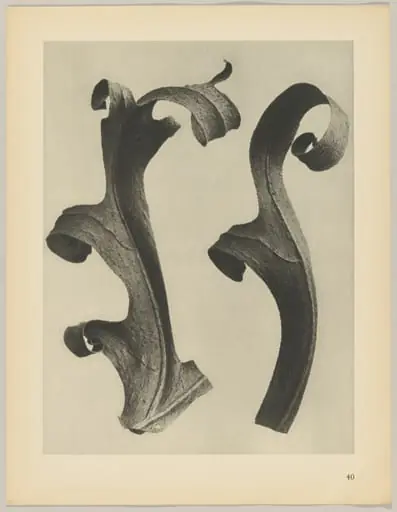
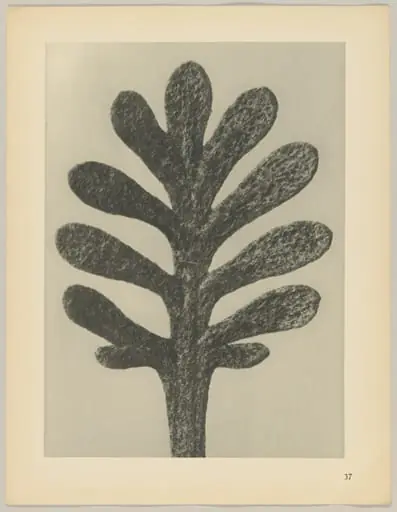
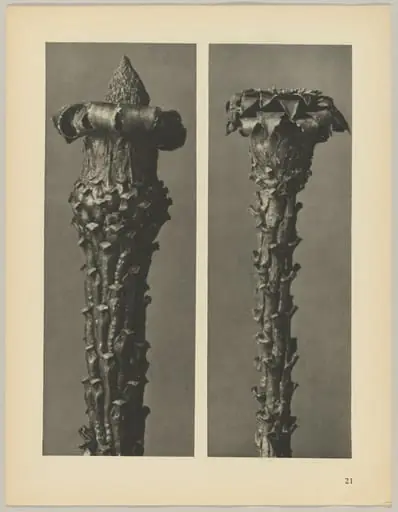
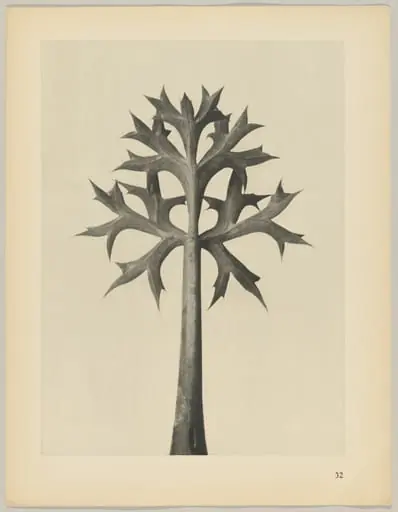
a Equisetum hiemale; b Equisetum maximum; c Equisetum hiemale is a print by Karl Blossfeldt. It dates from 1928 and is held in the collection of the National Gallery of Art.
About this work
Overview
Between 1927 and 1928, he produced a series of photogravures capturing specific horsetail species: Equisetum hiemale and Equisetum maximum.
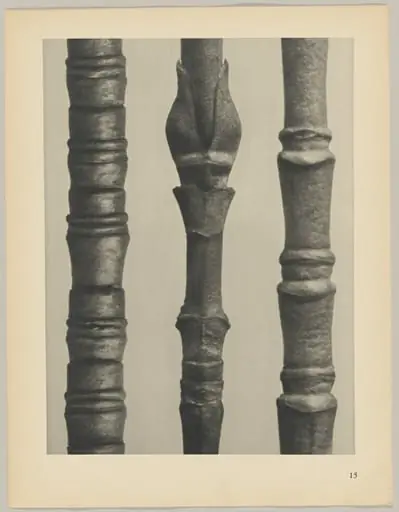
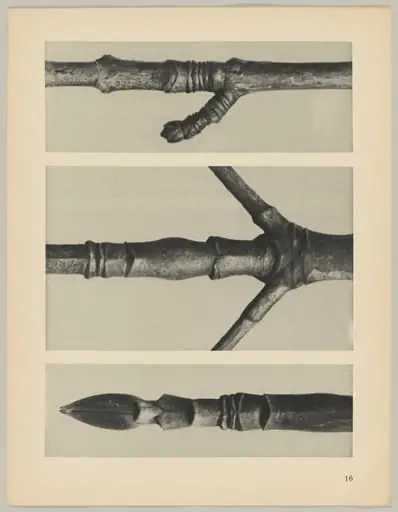
Karl Blossfeldt, a German artist trained in sculpture and metalwork, turned to photography to document plant forms with precision. Between 1927 and 1928, he produced a series of photogravures capturing specific horsetail species: Equisetum hiemale and Equisetum maximum. These images were later compiled into his 1929 book, *Urformen der Kunst*, which presented botanical structures as studies in natural geometry, devoid of ornamental intent.
Subject & Meaning
The three images depict specimens of two horsetail species, distinguished by their height and stem diameter. Their segmented, ringed stems and spiky terminal cones reveal repetitive, almost architectural patterns. Blossfeldt framed these plants not as specimens for scientific classification, but as embodiments of inherent structural logic—suggesting that nature’s forms underlie artistic composition without direct human intervention.
Technique & Style
Using a custom-built camera with extreme magnification, Blossfeldt captured fine surface textures and minute details invisible to the naked eye. The resulting photogravures, a labor-intensive intaglio printing method, rendered tonal gradations with exceptional clarity. His compositions eliminate context—no soil, sky, or scale references—focusing solely on the plant’s form, transforming organic growth into abstract, rhythmic patterns.
History & Provenance
Blossfeldt began photographing plants in the 1890s as teaching aids for his design students. Over decades, he amassed thousands of images, selecting 120 for *Urformen der Kunst*. The three horsetail photogravures were among those chosen for their clarity and formal intensity. The book’s publication in 1929 brought him recognition beyond the art school, influencing modernist designers and architects seeking organic inspiration.
Context
In the interwar period, European art and design increasingly sought order and abstraction. Blossfeldt’s work resonated with movements like New Objectivity and Bauhaus, which valued functional clarity and structural honesty. His images offered a visual counterpoint to industrial modernism by revealing that nature itself had long perfected geometric efficiency—without human design.
Legacy
Blossfeldt’s photogravures became touchstones for later generations interested in the intersection of science and visual culture. His method of isolating botanical forms influenced both botanical illustration and abstract photography. Though his work was initially used pedagogically, it gained enduring relevance as a quiet testament to the formal richness inherent in the natural world.
Artist & collection
Artist
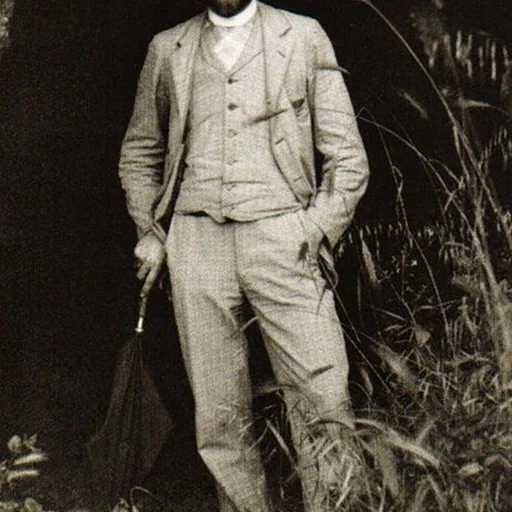
Karl Blossfeldt (13 June 1865 – 9 December 1932) was a German photographer and sculptor.