Artwork
Erica herbacea
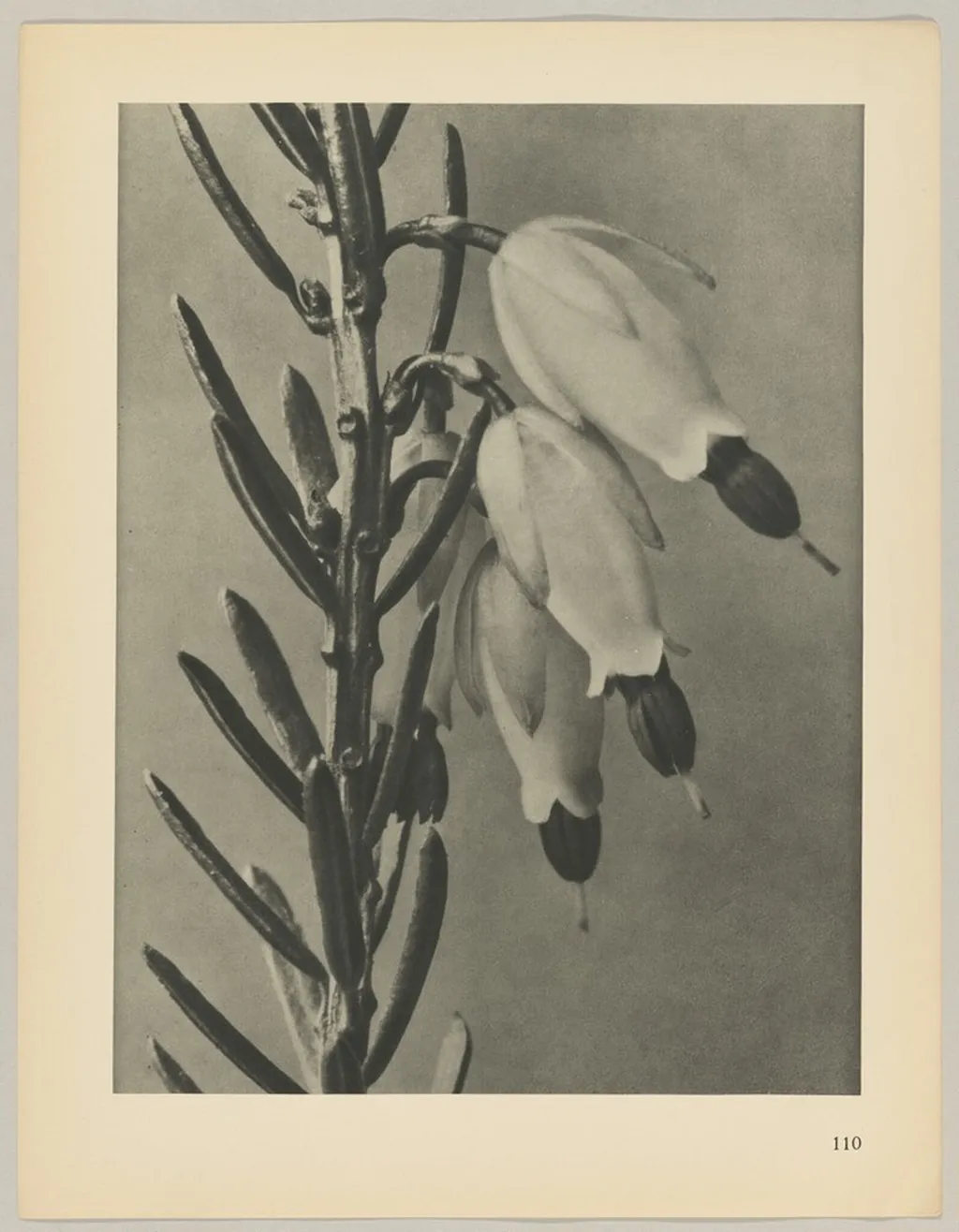
Erica herbacea is a print by Karl Blossfeldt. It dates from 1928 and is held in the collection of the National Gallery of Art.
About this work
Overview
Karl Blossfeldt produced *Erica herbacea* in 1928 as a photogravure, a printmaking technique that translates photographic detail into finely etched tones.
Karl Blossfeldt produced *Erica herbacea* in 1928 as a photogravure, a printmaking technique that translates photographic detail into finely etched tones. The work is part of a larger series documenting plant forms with scientific precision. Blossfeldt, trained as a sculptor and metalworker, approached botanical subjects as studies in structure, emphasizing their inherent geometric qualities rather than their ornamental value.
Subject & Meaning
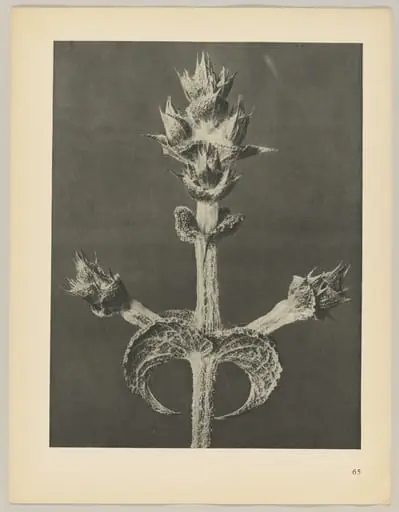
The image captures a single stalk of Erica herbacea, its white petals drooping from a rigid, spiky stem. The plant’s natural architecture—wrinkled petals, sharp leaflets, and dense central core—is rendered without context, isolating its form as a study in organic geometry. Blossfeldt sought to reveal how nature generates patterns that echo human-made design, suggesting an underlying order in biological growth.
Technique & Style
Using a custom-built camera with extreme magnification, Blossfeldt photographed plants in controlled studio conditions. The resulting photogravure transfers fine tonal gradations onto paper through an etched copper plate, producing sharp, ink-rich lines that resemble engravings. The plain, blurred background eliminates distraction, directing attention entirely to the plant’s surface textures and structural relationships.
History & Provenance
The print was published in 1929 in Blossfeldt’s first major collection, *Urformen der Kunst* (Ancient Forms in Art), which compiled over 200 botanical images. The book was widely distributed in Europe and became a reference for artists, architects, and educators. *Erica herbacea* was among the works selected to illustrate the formal parallels between natural and designed objects.
Context
In the interwar period, Germany saw renewed interest in the relationship between nature and industrial design. Blossfeldt’s work aligned with movements like the Bauhaus, which valued functional form and structural clarity. His photographs were not intended as art for art’s sake but as educational tools to demonstrate how natural systems inform aesthetic principles.
Legacy
Blossfeldt’s botanical studies influenced later generations of photographers and designers who sought to document the unseen structures of the natural world. His method of isolating plant forms against neutral backgrounds became a standard in scientific and artistic photography. Though his work was initially used for pedagogical purposes, it is now recognized for its quiet rigor and enduring visual clarity.
Artist & collection
Artist
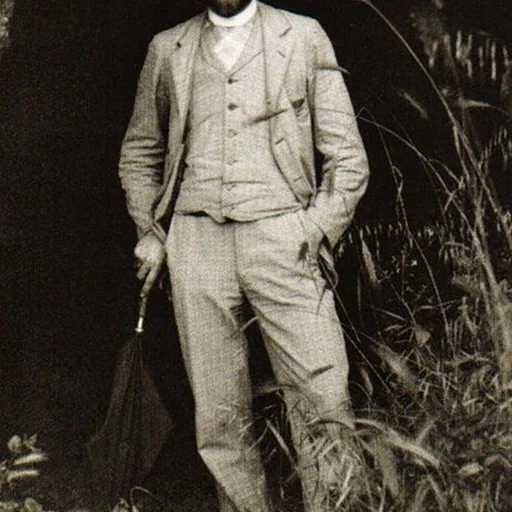
Karl Blossfeldt (13 June 1865 – 9 December 1932) was a German photographer and sculptor.

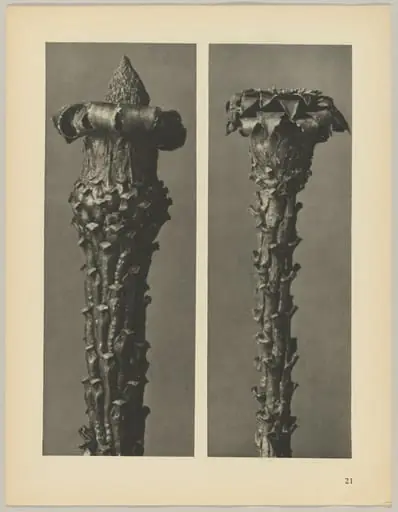
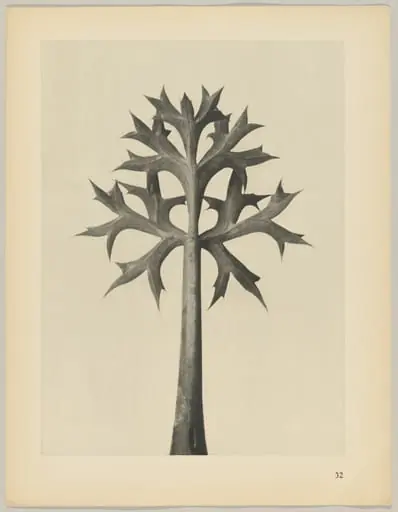
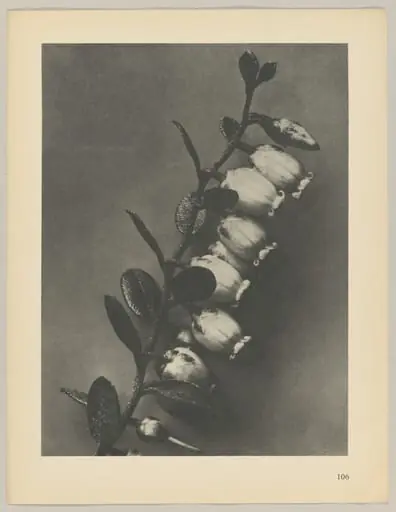 Lyonia calyculata
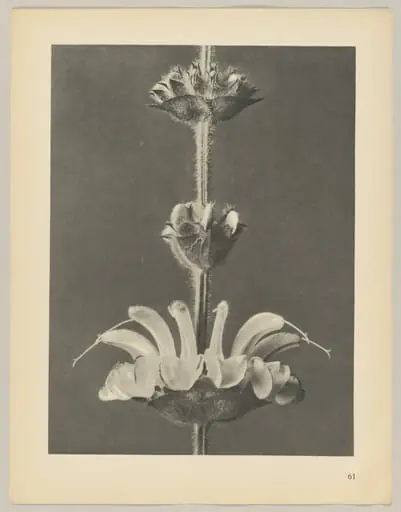 Salvia argentea
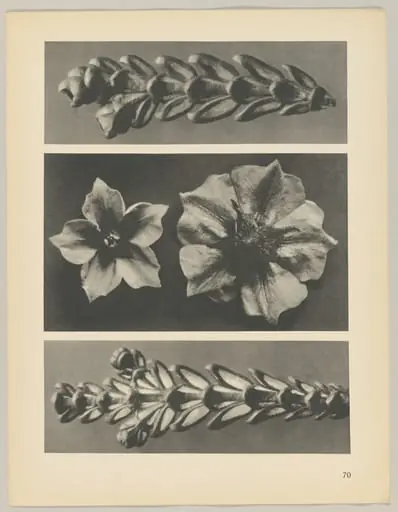 a u. c Thujopsis dolabrata; b Solanum tuberosum
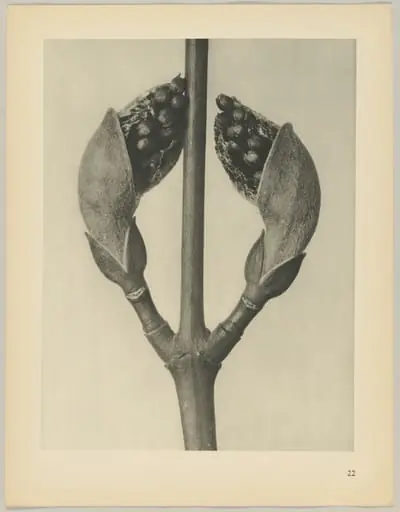 Acer rufinerve
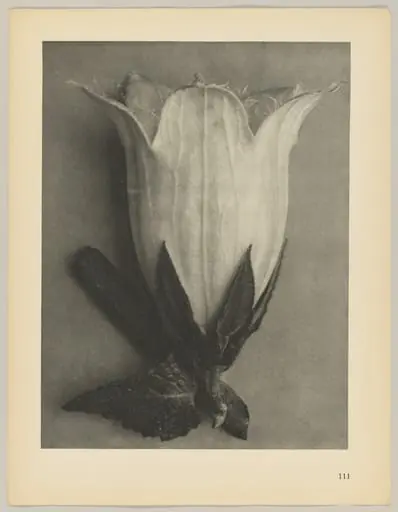 Campanula alliarüfolia
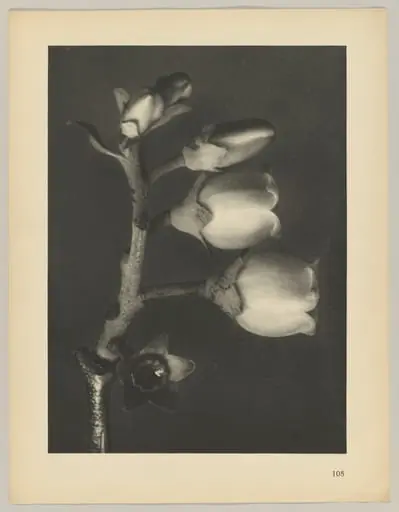 Vaccinium corymbosum
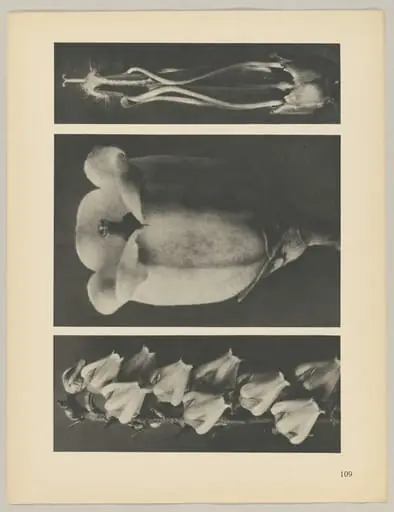 a Andromeda floribunda; b Vaccinium corymbosum; c Acanthus mollis
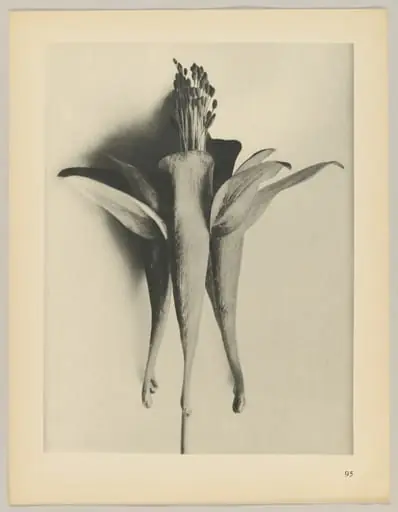 Aquilegia chrysantha
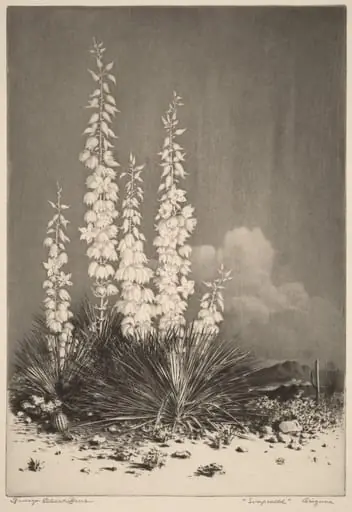 Soapweed, Arizona (no. 2)
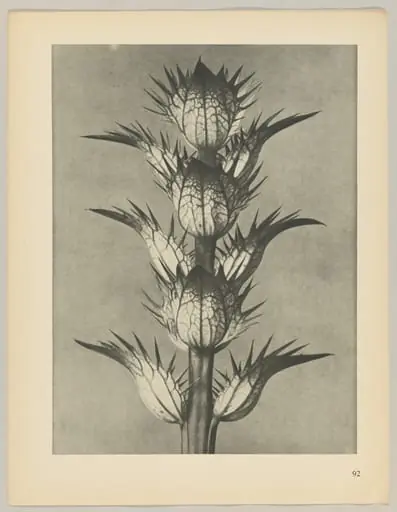 Acanthus mollis
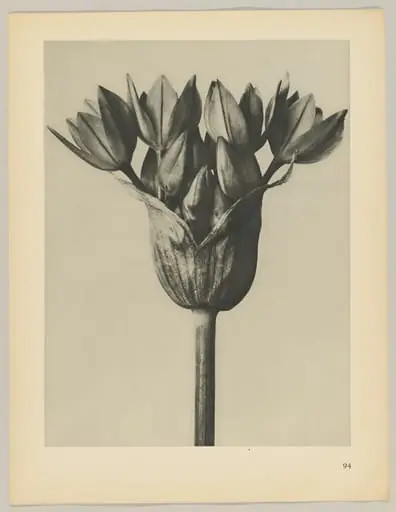 Allium Ostronoskianum
![The Botanical Magazine or Flower Garden Displayed: Plate 966, Erica Elegans. Elegant Heath [Erica glauca], by Francis Sansom](https://artifactworldgallery.com/img/francis-sansom--the-botanical-magazine-or-flower-garden-displayed-plate-966--b9381ec4a3e97cd7-w320.webp) The Botanical Magazine or Flower Garden Displayed: Plate 966, Erica Elegans. Elegant Heath [Erica glauca]
The Botanical Magazine or Flower Garden Displayed: Plate 966, Erica Elegans. Elegant Heath [Erica glauca]