Artwork
The Death of Virginia
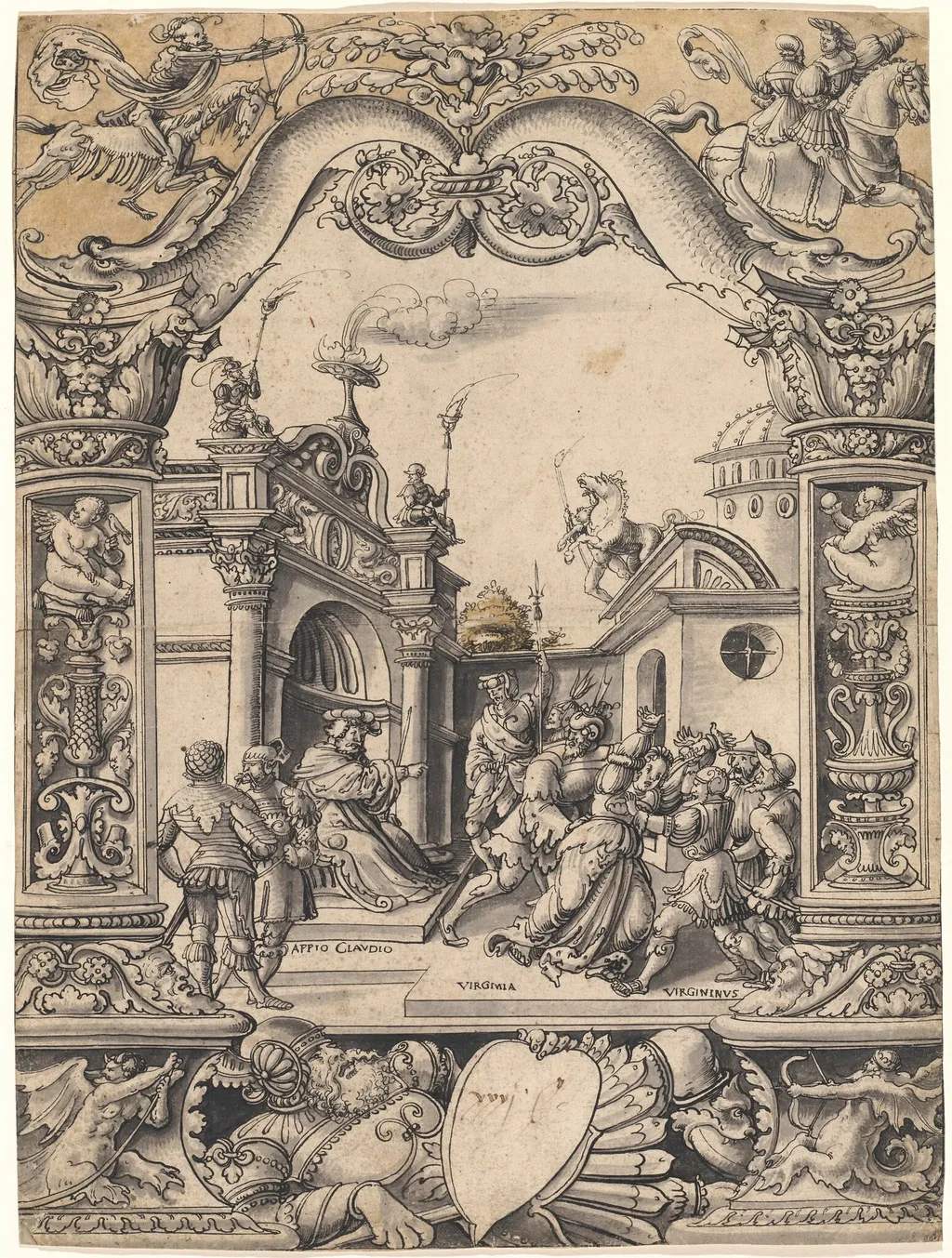
The Death of Virginia is an ink drawing by the Renaissance artist Christoph Bockstorfer. It dates from 1525 and is held in the collection of the National Gallery of Art.
About this work
Overview
The composition centers on a reclining female figure beneath a draped sheet, surrounded by armed and robed men in varying states of distress.
Created around 1525 by Christoph Bockstorfer, this drawing depicts a moment from Roman legend using pen and ink with subtle washes of gray, yellow, and green on laid paper. The composition centers on a reclining female figure beneath a draped sheet, surrounded by armed and robed men in varying states of distress. Architectural elements frame the scene, while decorative borders above and below suggest a ceremonial or monumental context. Inscriptions identify key figures, anchoring the image in a classical narrative.
Subject & Meaning
The scene illustrates the suicide of Virginia, daughter of the Roman tribune Virginius, to preserve her honor from the corrupt magistrate Appius Claudius. Her death, a catalyst for popular revolt, is rendered not as violence but as solemn stillness. The men’s reactions—pointing, averting gaze—convey moral shock rather than action. The inclusion of angels in the upper border may imply divine witness or moral judgment, reinforcing the tragedy’s ethical weight within Roman republican ideals.
Technique & Style
Bockstorfer employs fine pen lines and layered washes to model form and space with quiet precision. Cross-hatching defines the folds of fabric and the depth of architectural niches, while muted yellow and green tones add atmospheric nuance without overwhelming the ink. The figures are rendered with restrained gesture, their postures communicating emotion through posture rather than expression. The paper’s texture subtly enhances the tonal gradations, contributing to a sense of quiet gravity.
History & Provenance
The drawing’s early history is undocumented, but its style aligns with German Renaissance manuscript illumination and printmaking traditions of the early 16th century. It likely originated as a preparatory study or independent work for a broader narrative cycle. No known contemporary records link it to a specific patron or commission, suggesting it may have been produced for private intellectual or devotional use rather than public display.
Context
Bockstorfer’s work emerges during a period when German artists increasingly turned to classical antiquity for moral and political themes. The story of Virginia, popularized in humanist texts, resonated with contemporary anxieties about tyranny and civic virtue. Similar subjects appeared in prints and illustrated books, but few rendered the moment with such stillness and spatial coherence. This drawing reflects a broader European engagement with Roman history as a lens for contemporary ethics.
Legacy
Though Bockstorfer is not widely known, this drawing stands as a rare surviving example of his draftsmanship and narrative sensitivity. It contributes to the understanding of how classical stories were visually interpreted in early 16th-century Germany beyond major artistic centers. Its restrained emotion and architectural precision influenced later illustrators of historical texts, preserving a quiet but potent tradition of moral storytelling in graphic art.
Artist & collection


 Cardinal
 Narcissus at the Fountain
 A King and His Retinue Confronting Ladies under a Celestial Battle
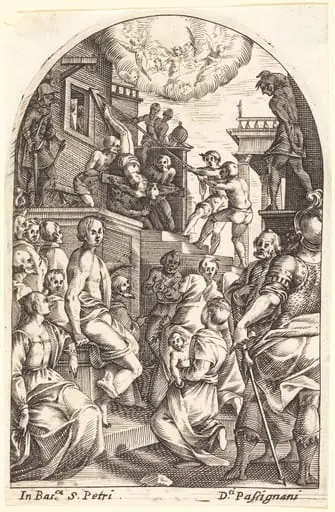 The Martyrdom of Saint Peter
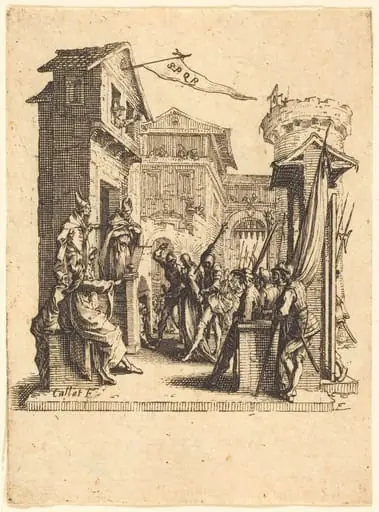 Christ before Caiaphas
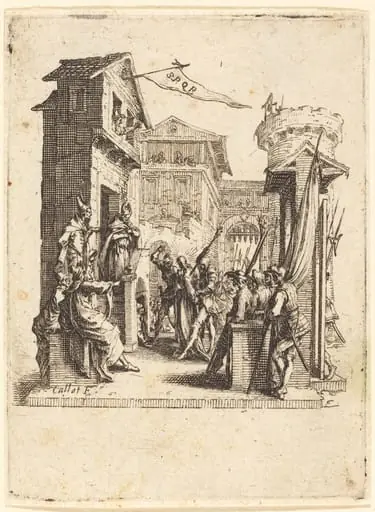 Christ before Caiaphas
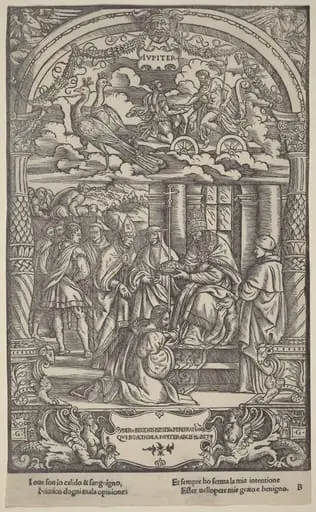 Jupiter
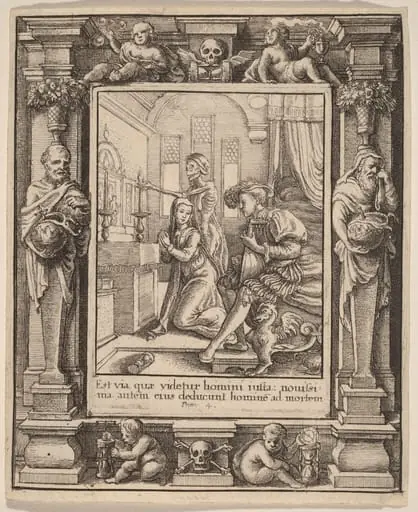 Nun
Nun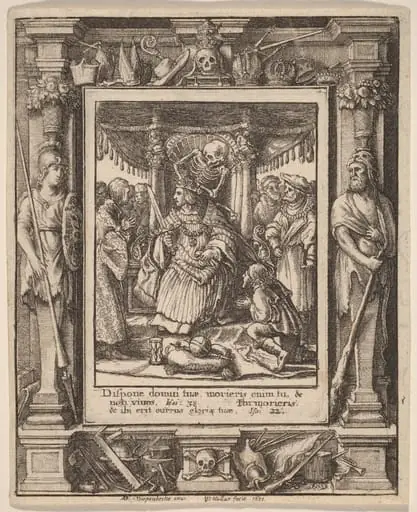 Emperor
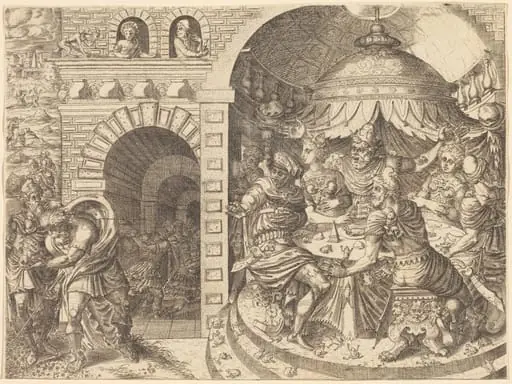 Pharaoh and the Plague of Frogs
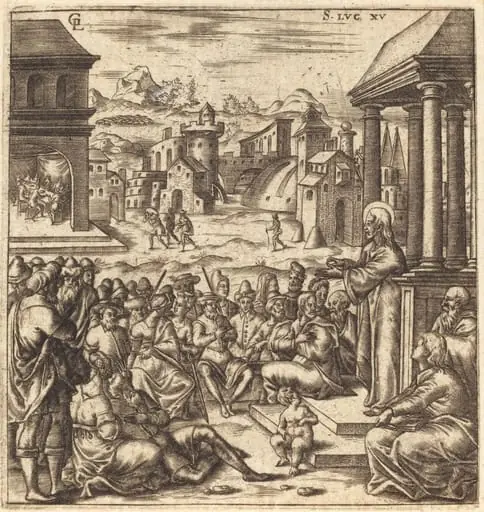 The Parables of the Lost Sheep, the Woman with Pieces of Silver and the Prodigal Son
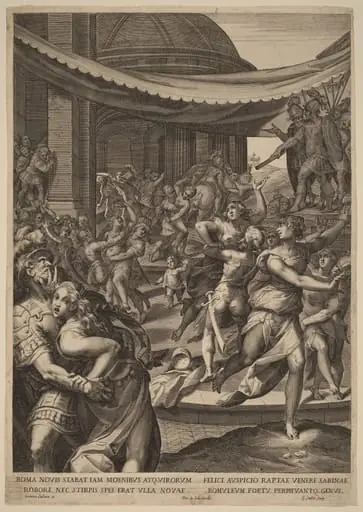 The Rape of the Sabines