Artwork
The Spring at l'Orsière
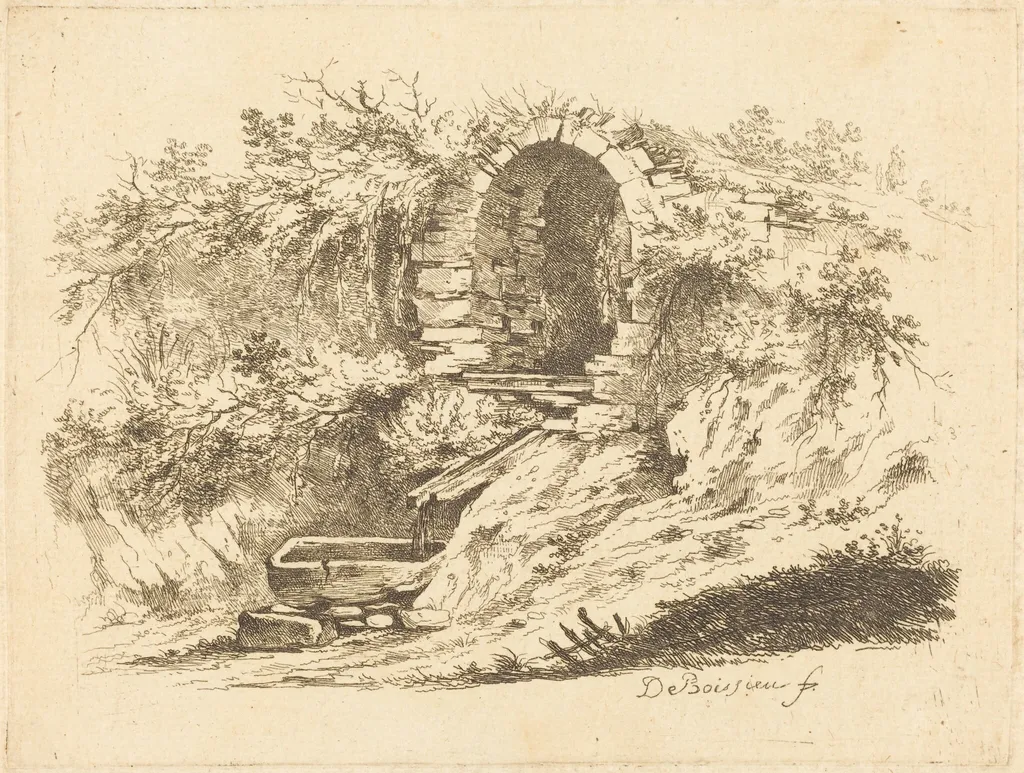
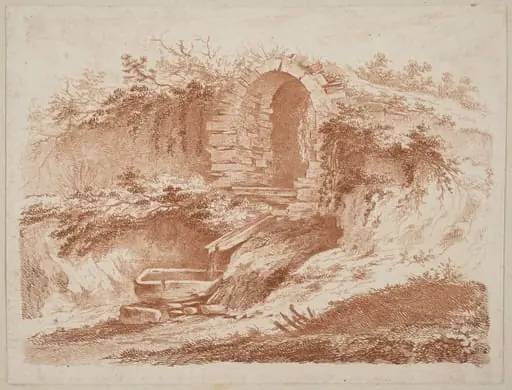
The Spring at l'Orsière is an ink print by the Romanticist artist Jean-Jacques de Boissieu. It dates from 1759 and is held in the collection of the National Gallery of Art.
About this work
Overview
The Spring at l'Orsière is an etching on laid paper by Jean-Jacques de Boissieu, dated to 1759. It depicts a serene, wooded landscape with a small stone bridge as its central element.
Subject & Meaning
The scene is characterized by bare-branched trees leaning over water, a winding path, damp ground with grass patches, and rocks. The overall atmosphere is one of quiet naturalism.
Technique & Style
De Boissieu employed fine lines to convey varied textures, such as rough tree bark and smooth water stones, a hallmark of etching's expressive capabilities.
History & Provenance
Created in 1759, specific details about its creation context or subsequent ownership history are not provided in the available information.
Context
The work reflects the 18th-century interest in natural landscapes, with the etching technique allowing for detailed, textured representations of the outdoors.
Legacy
While specific influences or impacts of 'The Spring at l'Orsière' on later art are not detailed here, it exemplifies the enduring appeal of meticulously crafted natural scenes in printmaking.
Own this work as a print
Artist & collection
Artist
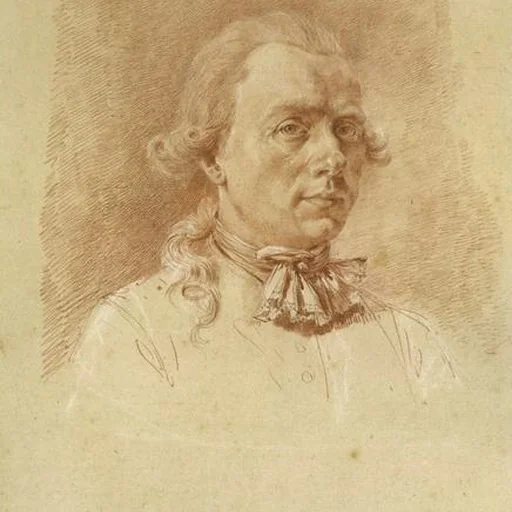
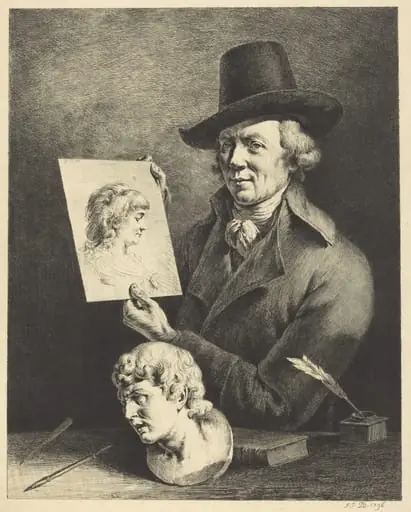
Jean-Jacques de Boissieu (1736–1810) was a French artist, born in Lyon.

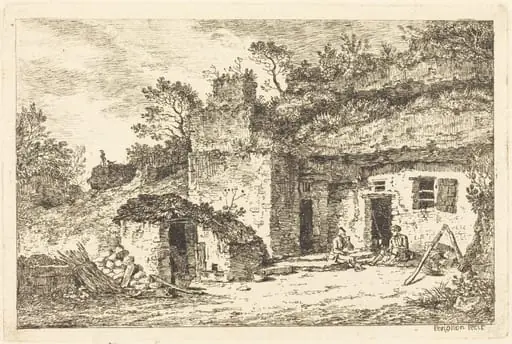 A Cottage with Two Men Seated at the Doorway
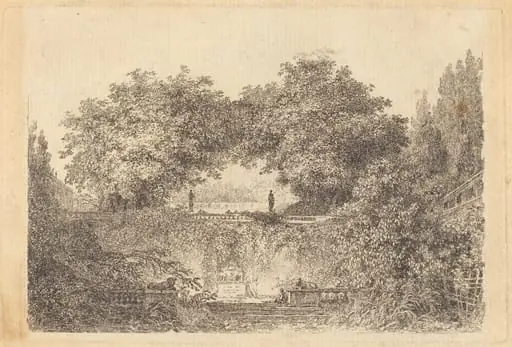 Le Petit Parc
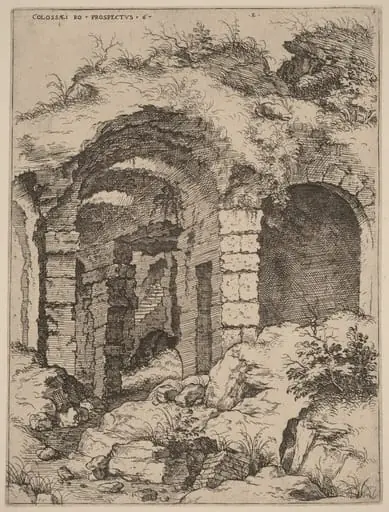 Sixth View of the Colosseum
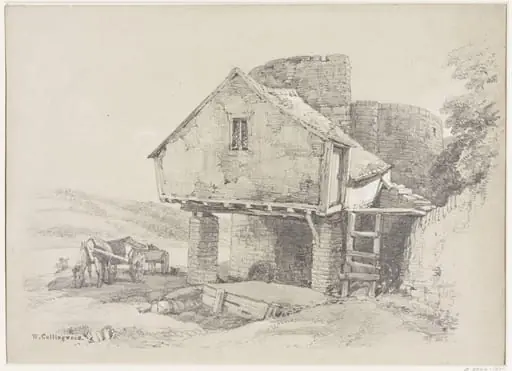 Bideford
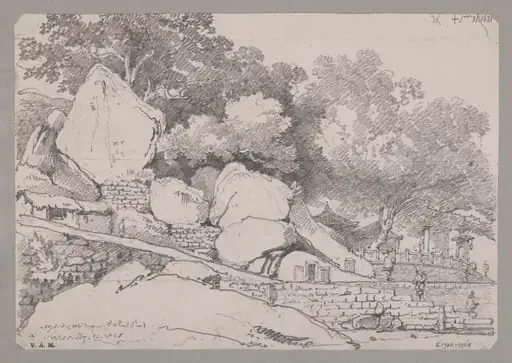 Rocks, and part of the Great Joss House, Macao
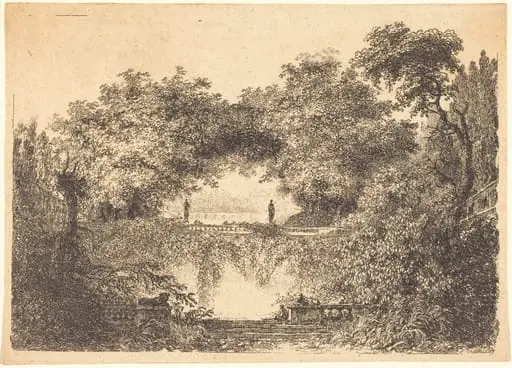 Le Petit Parc
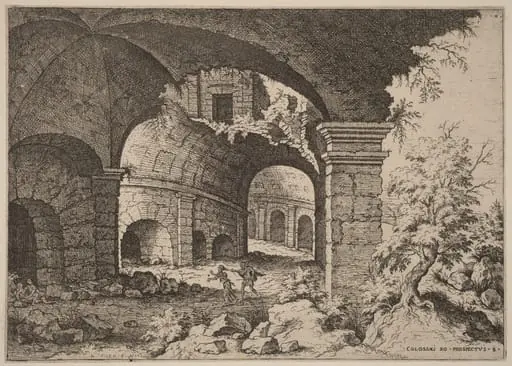 Eighth View of the Colosseum
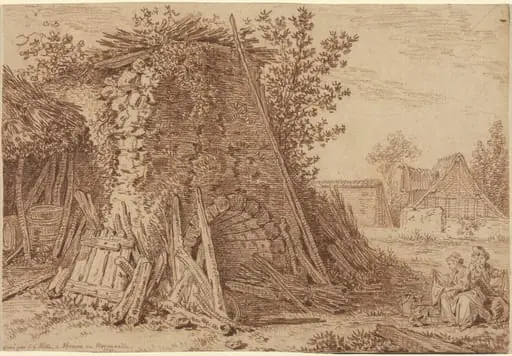 A Rustic Kiln at Vernon
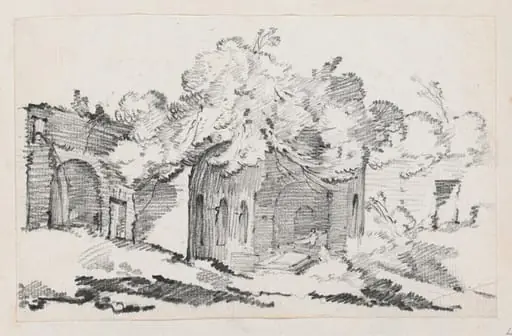 The Grotto of the Nymph Egeria
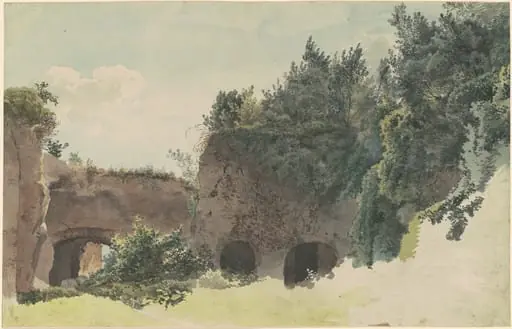 Ancient Roman Ruins Overgrown with Trees and Bushes
 The Little Park (Le petite parc)
 The Spring at l'Orsière