Artwork
Farm Landscape with Hunters and Milkmaids
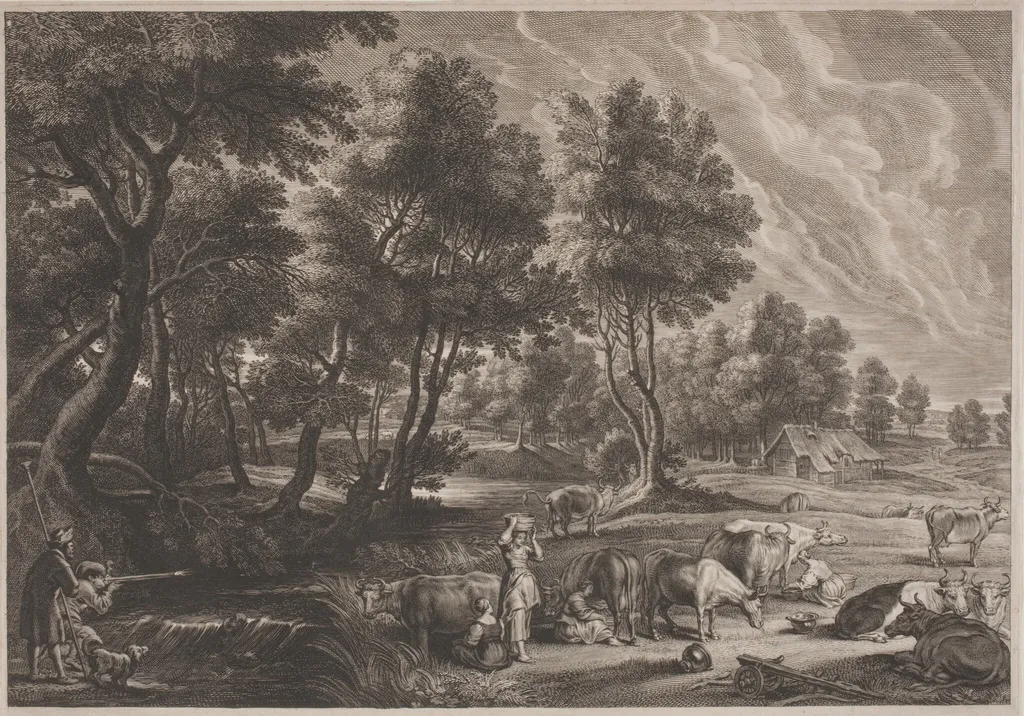
Farm Landscape with Hunters and Milkmaids is an ink print by the Renaissance artist Schelte Adams Bolswert. It dates from 1622 and is held in the collection of the National Gallery of Art. Created in 1622 by Schelte Adamsz.
About this work
Overview
Created in 1622 by Schelte Adamsz. Bolswert, this print combines engraving and etching on laid paper to depict a rural Flemish scene. Bolswert, a Frisian artist based in Antwerp, specialized in reproductive prints, translating paintings into detailed engravings for wider circulation. The work exemplifies his technical precision and alignment with the workshop practices of his time.
Subject & Meaning
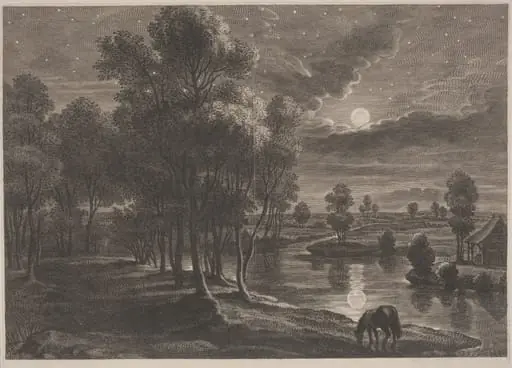
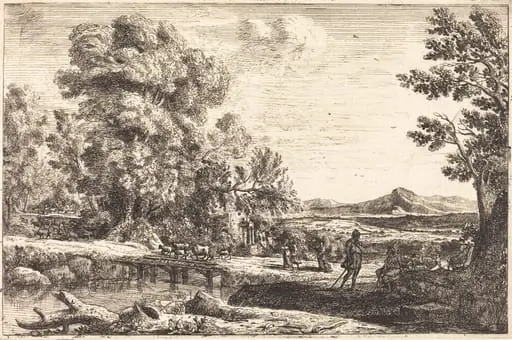
The scene portrays everyday rural life: milkmaids tend to grazing cows near a stream, hunters move through the distant trees, and a dog rests beside the water.
The scene portrays everyday rural life: milkmaids tend to grazing cows near a stream, hunters move through the distant trees, and a dog rests beside the water. A modest farmhouse anchors the composition. No grand narrative is present—instead, the focus lies in the quiet rhythm of labor and coexistence between humans, animals, and landscape, reflecting a grounded, observational approach to rural existence.
Technique & Style
Bolswert employed fine, controlled lines to render textures in foliage, animal fur, and water surfaces. Etching allowed for fluid, expressive strokes in the trees and clouds, while engraving added sharper detail to figures and structures. The tonal gradations, achieved through varied line density, create a soft atmospheric depth, balancing the bustling activity with a subdued, overcast sky.
History & Provenance
The print was made during Bolswert’s tenure in Rubens’ Antwerp workshop, where he reproduced works by leading painters for collectors across Europe. Though the original painting it may derive from is unknown, the engraving circulated as a standalone image, valued for its craftsmanship and depiction of pastoral life. Its survival in multiple institutional collections suggests sustained interest in such reproductive prints.
Context
In early 17th-century Flanders, landscape prints with figures were increasingly popular among urban patrons seeking idealized visions of rural labor. Bolswert’s work aligned with this trend, offering a harmonious, orderly vision of the countryside—neither romanticized nor overtly idealized, but observed with quiet accuracy, reflecting broader cultural fascination with nature and daily routine.
Legacy
Bolswert’s prints, including this one, contributed to the dissemination of Flemish visual culture beyond original paintings. His technical skill helped standardize the reproduction of landscape scenes, influencing later engravers. While not widely known today, his work remains a significant record of how rural imagery was translated and consumed in the print market of the period.
Own this work as a print
Artist & collection
Artist
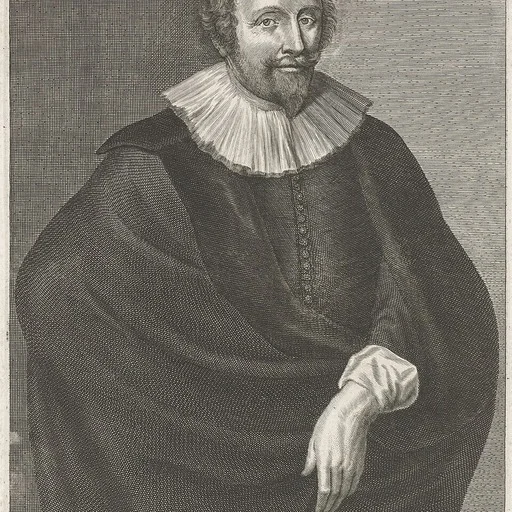
Schelte a Bolswert or Schelte Adamsz. Bolswert (c. 1586 – 1659) was a Frisian engraver who worked most of his career in Antwerp where he was one of the lead engravers in Rubens' workshop. He is known for his…

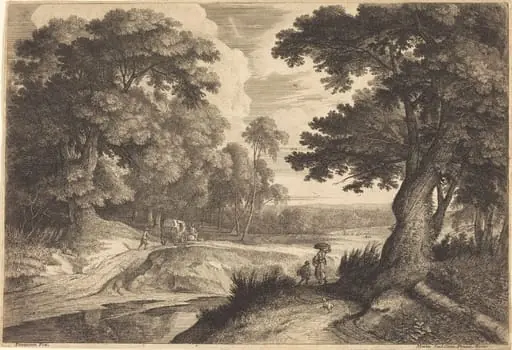 Edge of a Wood with Peasants Going to Market
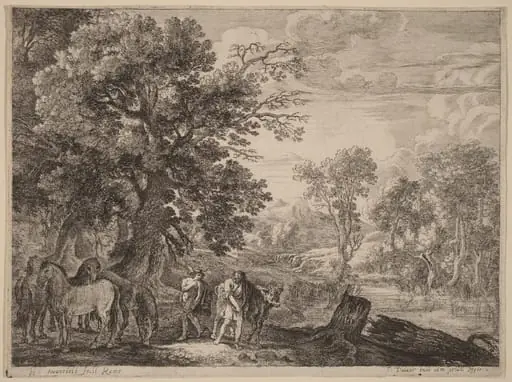 Mercury Silencing Battus
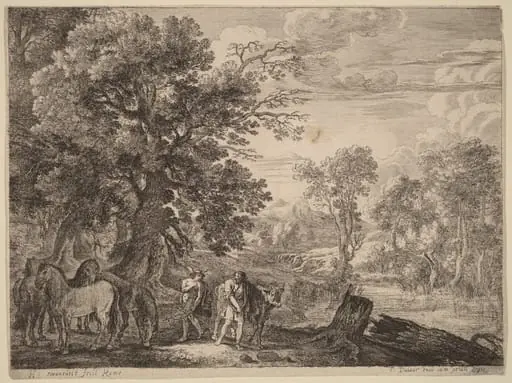 Mercury Silencing Battus
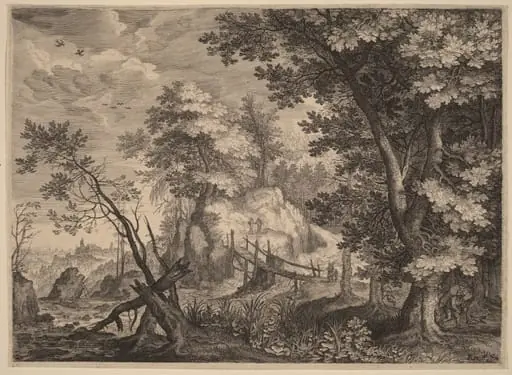 Woodland Scene
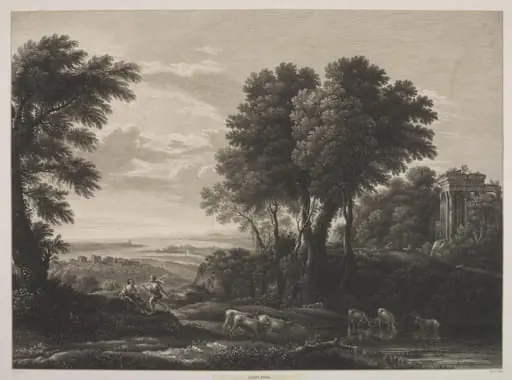 Mercury and Argus
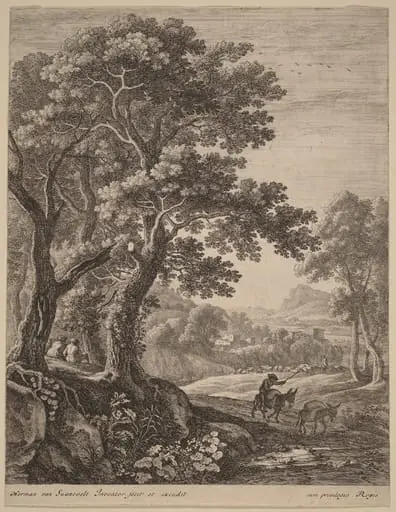 The Mule Driver
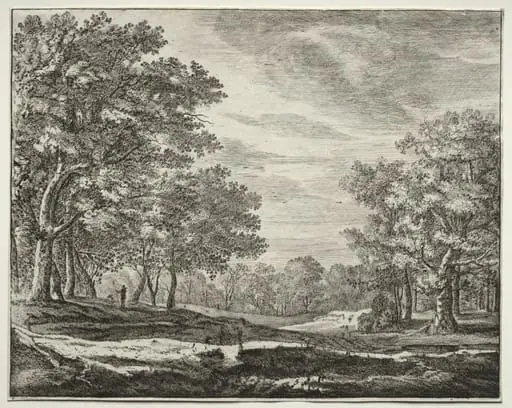 Six views in the Wood of the Hague: Plate 5, A Man with a Staff in His Hand
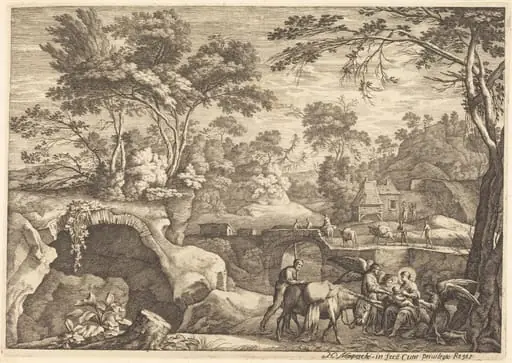 The Flight into Egypt
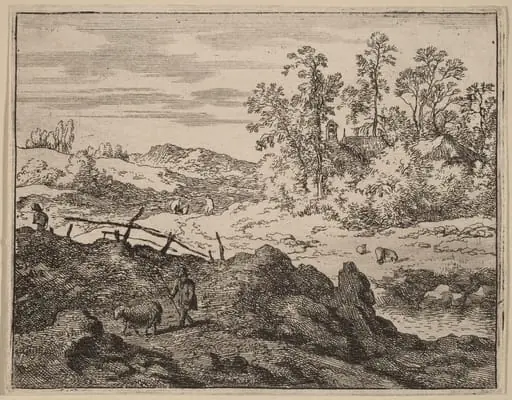 Shepherd with Lamb
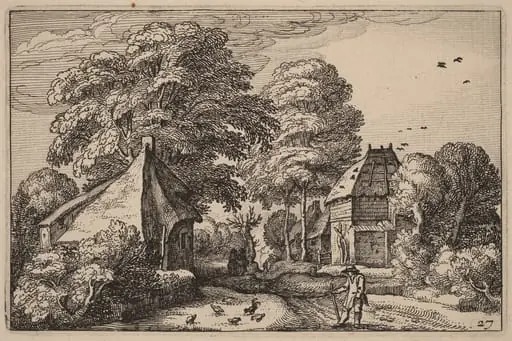 Road with Barn and Cottages
 Rebecca and Eliezer (Le pont de bois)
 The Little Angels on the Hill