Artwork
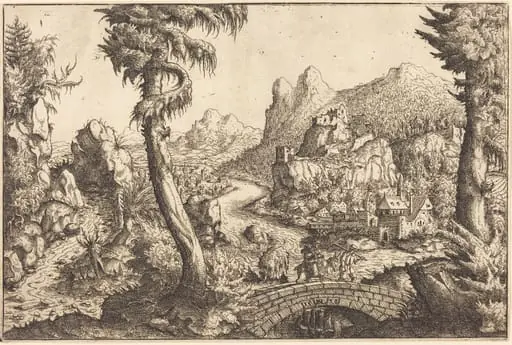
The Flight into Egypt
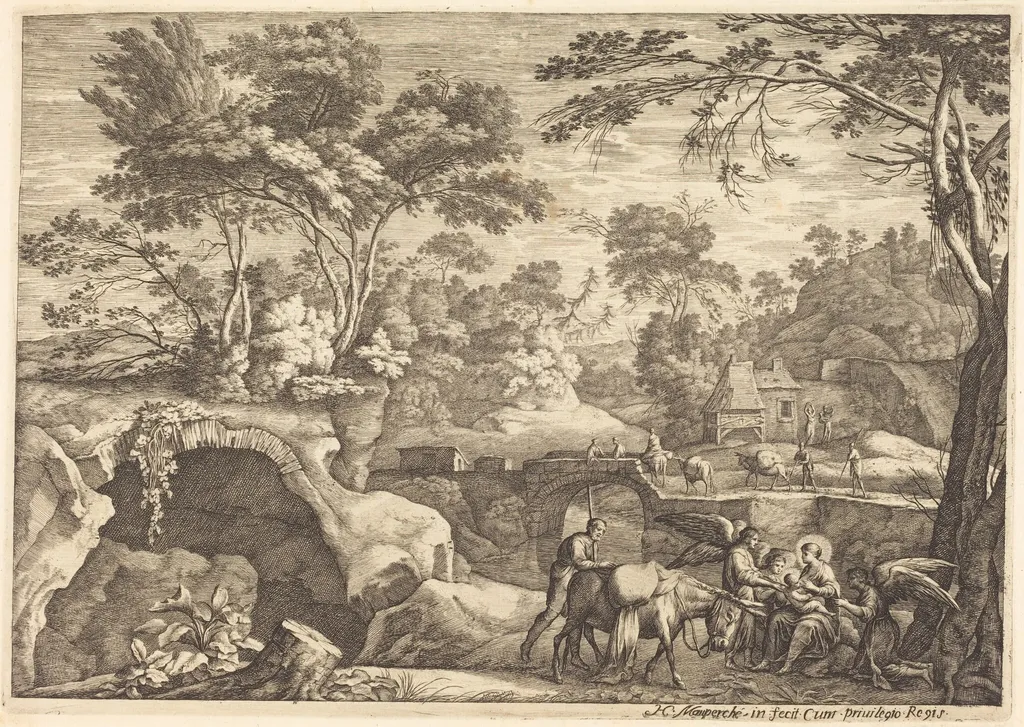
The Flight into Egypt is an ink print by the Baroque artist Henri Mauperché. It dates from 1644 and is held in the collection of the National Gallery of Art.
About this work
Overview
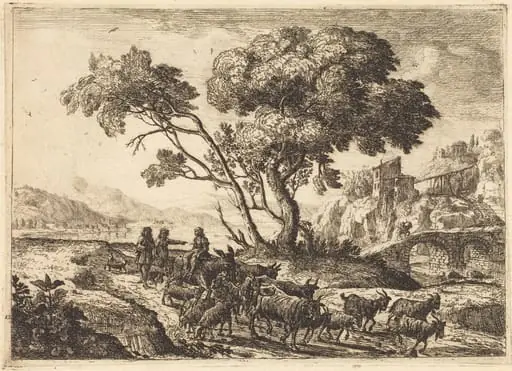
Henri Mauperché’s 1644 etching titled *The Flight into Egypt* presents a tranquil landscape that frames the biblical episode of the Holy Family’s journey. The composition places a group of figures and animals near a solitary tree, with a horse led by a man in the foreground, while distant hills, a bridge, and modest structures recede into the background.
Subject & Meaning
The work visualizes the New Testament narrative of Mary, Joseph, and the infant Jesus fleeing to Egypt. By situating the sacred travelers within an ordinary countryside, Mauperché underscores the theme of divine presence in everyday settings, inviting contemplation of protection and providence amid a seemingly peaceful natural world.
Technique & Style
Executed as an etching, the image relies on fine line work to model light and shadow, creating depth across the rolling terrain. The delicate rendering of figures and their subtle gestures reflects Baroque sensibilities, while the balanced integration of real and imagined landscape elements showcases Mauperché’s characteristic blend of observation and invention.
History & Provenance
Created during the mid‑17th century, the print aligns with the flourishing French printmaking tradition of the period. Mauperché, known primarily as a landscape painter and engraver, produced this work as part of his broader output that contributed to the dissemination of biblical subjects through the medium of print.
Artist & collection
Artist
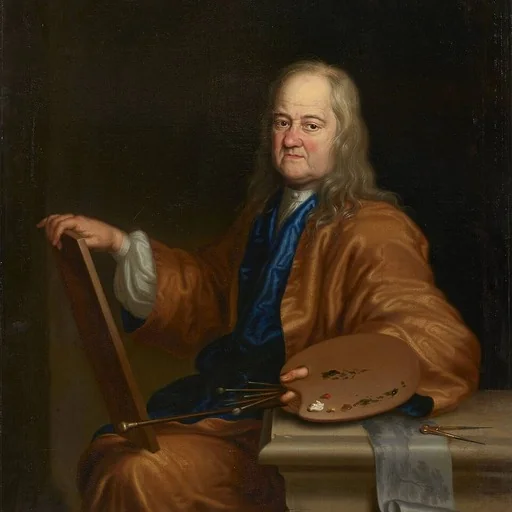
Henri Mauperché (c.1602, Paris – 26 December 1686, Paris) was a French landscape painter and engraver. His name is also given as Henri Maupercher and Henri Montpercher. Most of his landscapes are capriccios.

 Departure for the Fields
 Landscape with a Bridge and Three Farm Buildings
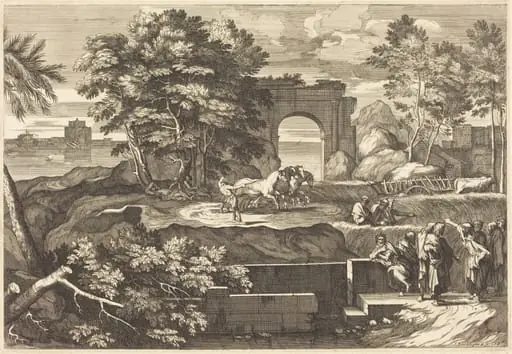 The Pharisees Complain to Our Lord
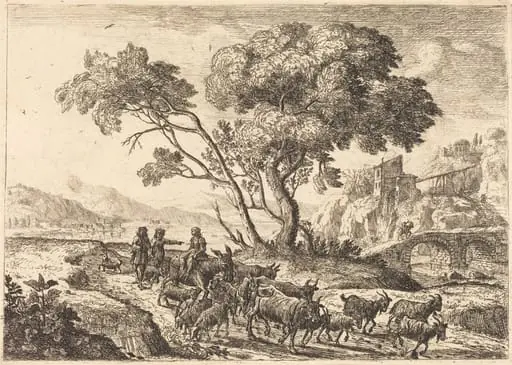 Departure for the Fields (Le départ pour les champs)
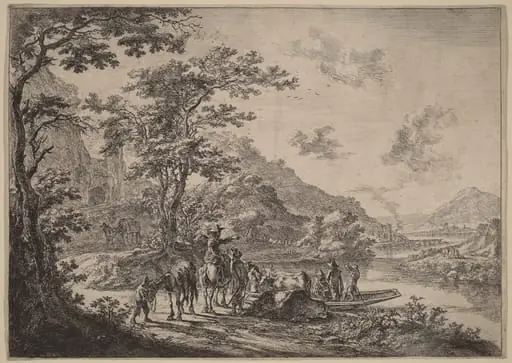 View of the Tiber in the Campagna
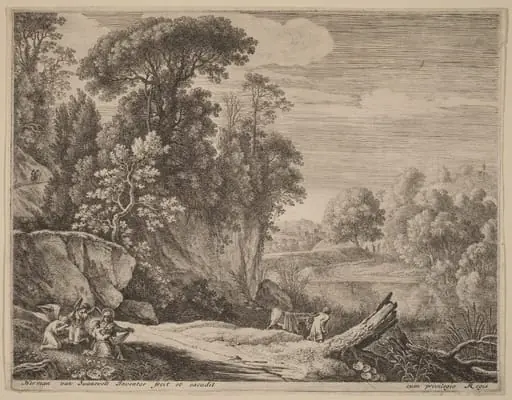 The Donkey Led to the River
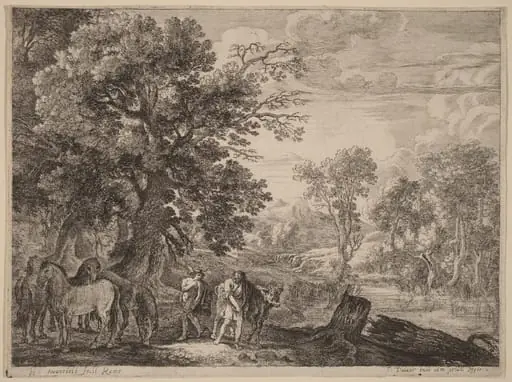 Mercury Silencing Battus
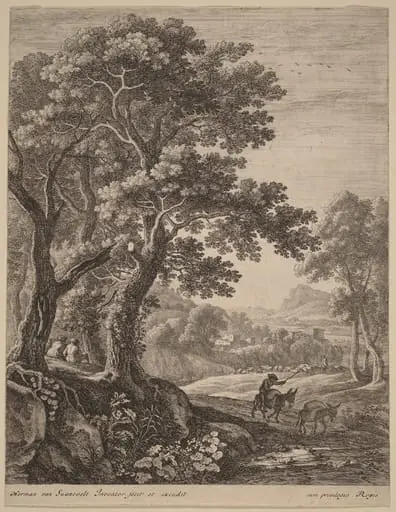 The Mule Driver
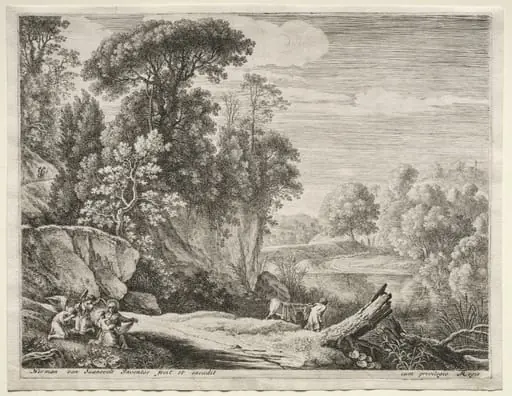 The Flight into Egypt: The Donkey Led to the River
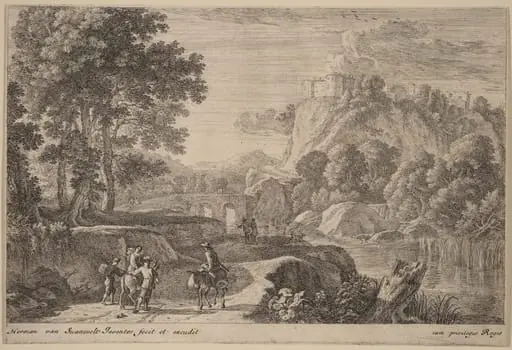 Travelers on Road to Left of a Stream
 Liber Veritatis: No. 34, Peasants with Cattle attacked by Bandits
 The Flight into Egypt