Artwork
Jacques Callot
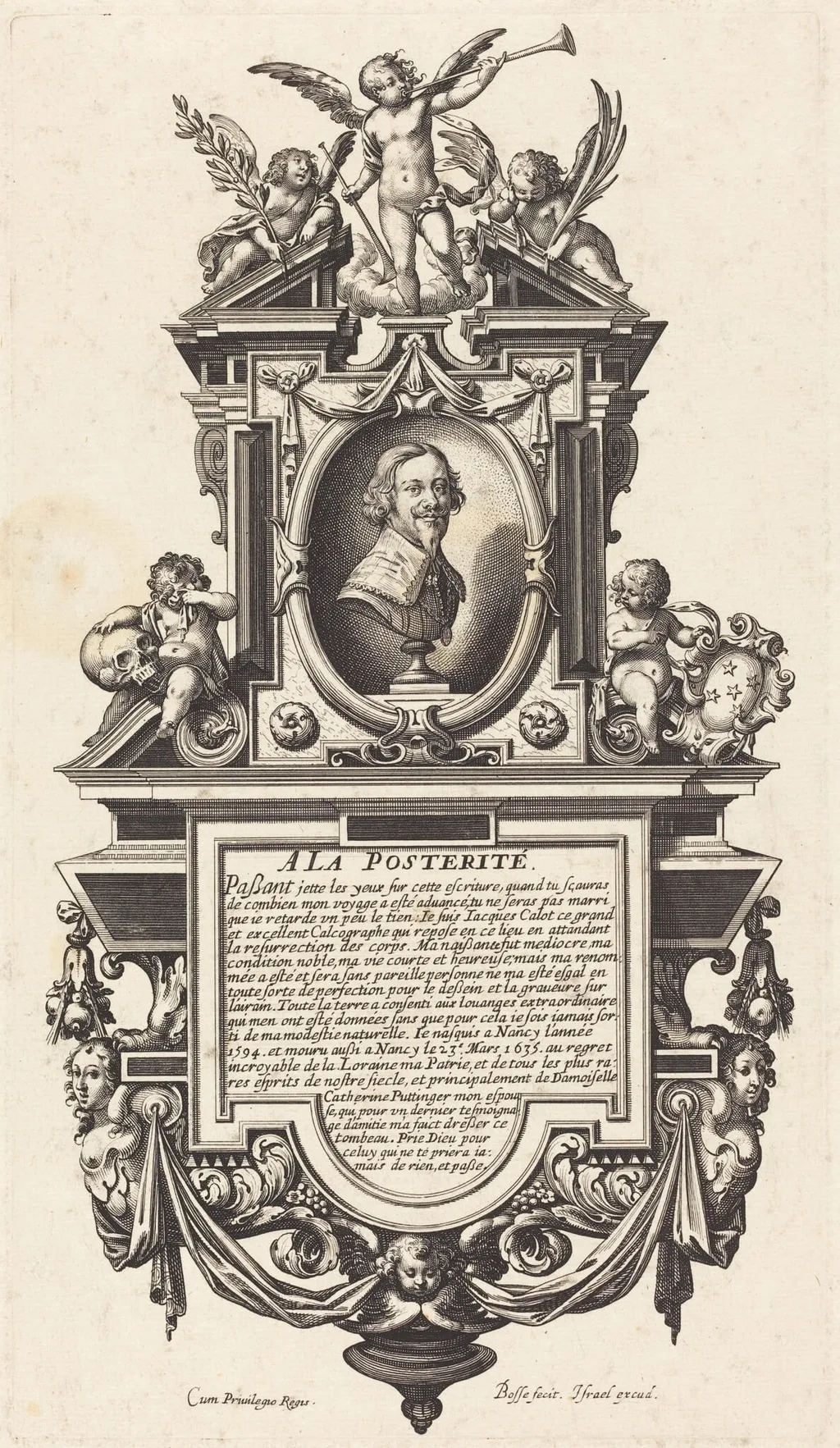
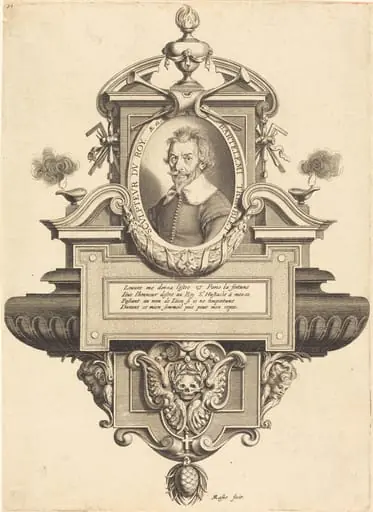
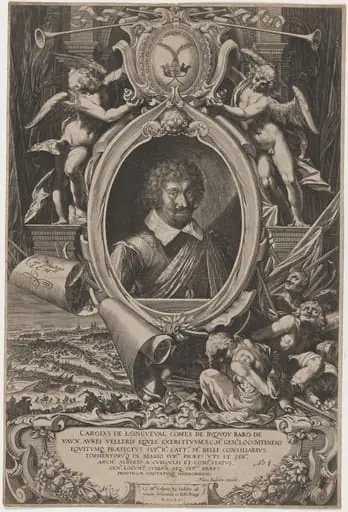
Jacques Callot is an ink print by the Baroque artist Abraham Bosse. It dates from 1635 and is held in the collection of the National Gallery of Art.
About this work
Overview
Abraham Bosse’s 1635 etching presents a portrait of his contemporary, the French printmaker Jacques Callur. Executed in the mid‑seventeenth century, the work belongs to Bosse’s extensive output of etched images and reflects the period’s interest in commemorating fellow artists through print.
Subject & Meaning
The image focuses on Callur’s likeness, rendered in a bust format within an oval border. Below the portrait a smaller representation of the artist’s own bust appears, suggesting a self‑referential gesture that underscores Callur’s reputation among his peers.
Technique & Style
Bosse employs fine line work to convey the texture of Callur’s clothing and hair, achieving a tactile quality despite the medium’s flatness. The decorative frame, populated with cherubic figures and ornamental motifs, is executed with the same delicate incising that characterizes Bosse’s etchings.
History & Provenance
Created in 1635, the print was part of Bosse’s broader practice of portraiture in printmaking, a genre he pursued alongside watercolor. The work circulated among collectors of the time, serving both as a tribute to Callur and as a demonstration of Bosse’s technical skill.
Context
The portrait emerges from the Baroque era, a period marked by elaborate ornamentation and heightened attention to detail. While the background remains plain, the ornate framing aligns the piece with contemporary aesthetic preferences for decorative richness.
Artist & collection

Artist
Abraham Bosse (c. 1604 – 14 February 1676) was a French artist, mainly as a printmaker in etching, but also in watercolour.

 Barthelemy Tremblay
 Hans van Aachen
 Monument of Bacon in Saint Michael's Church, Saint Albans
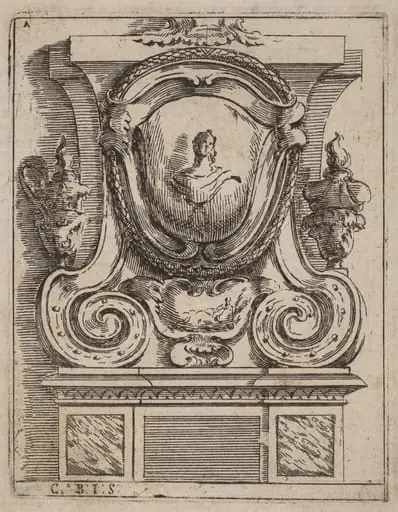 Architectural Motif with Bust and Two Lamps
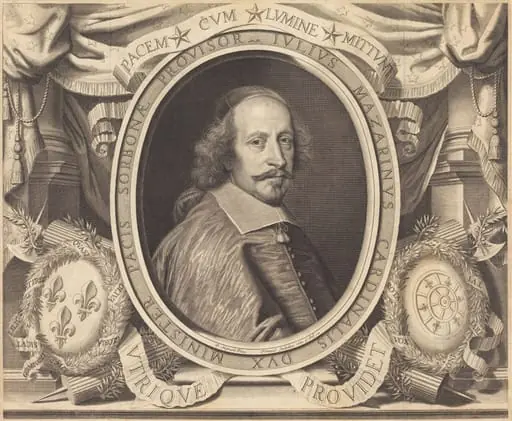 Cardinal Jules Mazarin
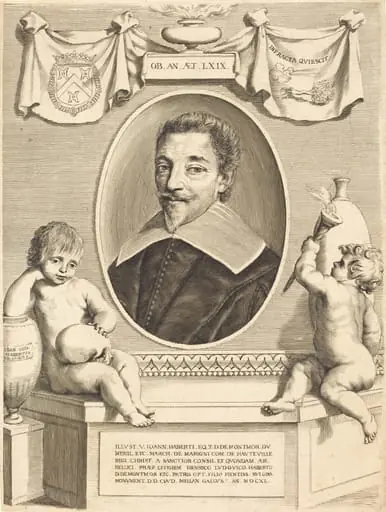 Jean Habert de Monturor
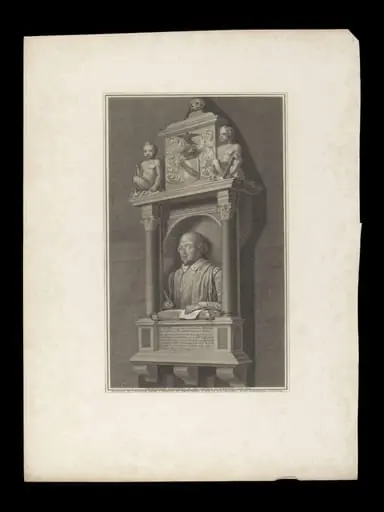 H Beard Print Collection
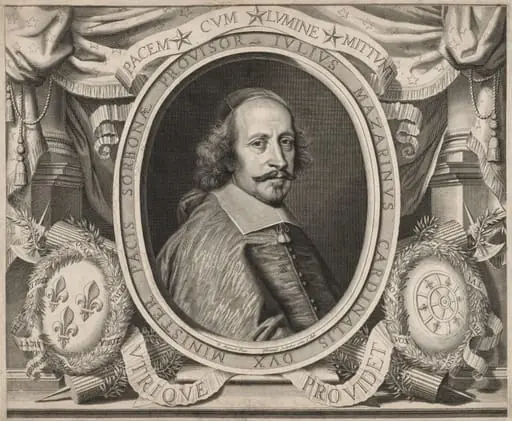 Cardinal Mazarin
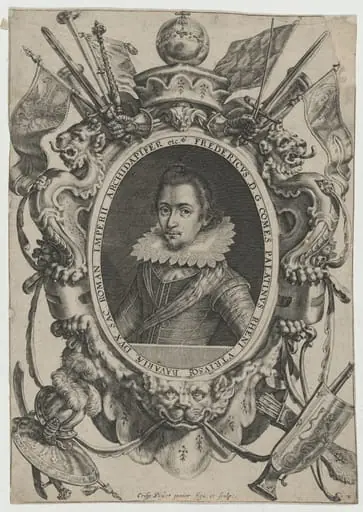 Frederick V, Elector Palatine, King of Bohemia
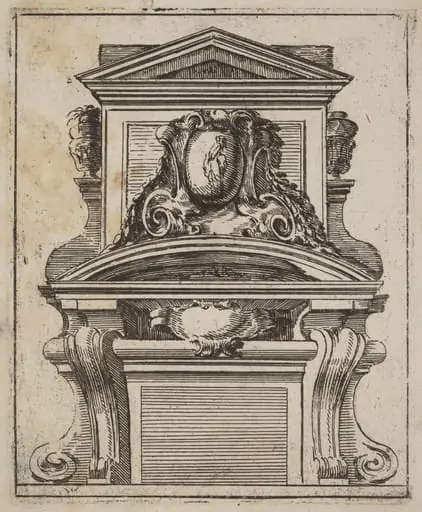 Architectural Motif with a Figure
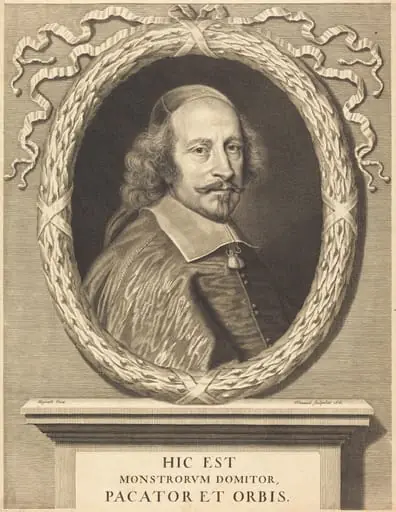 Cardinal Jules Mazarin
 Charles de Longueval, Count de Bucquoi