Artwork
The Little Girls' Tavern
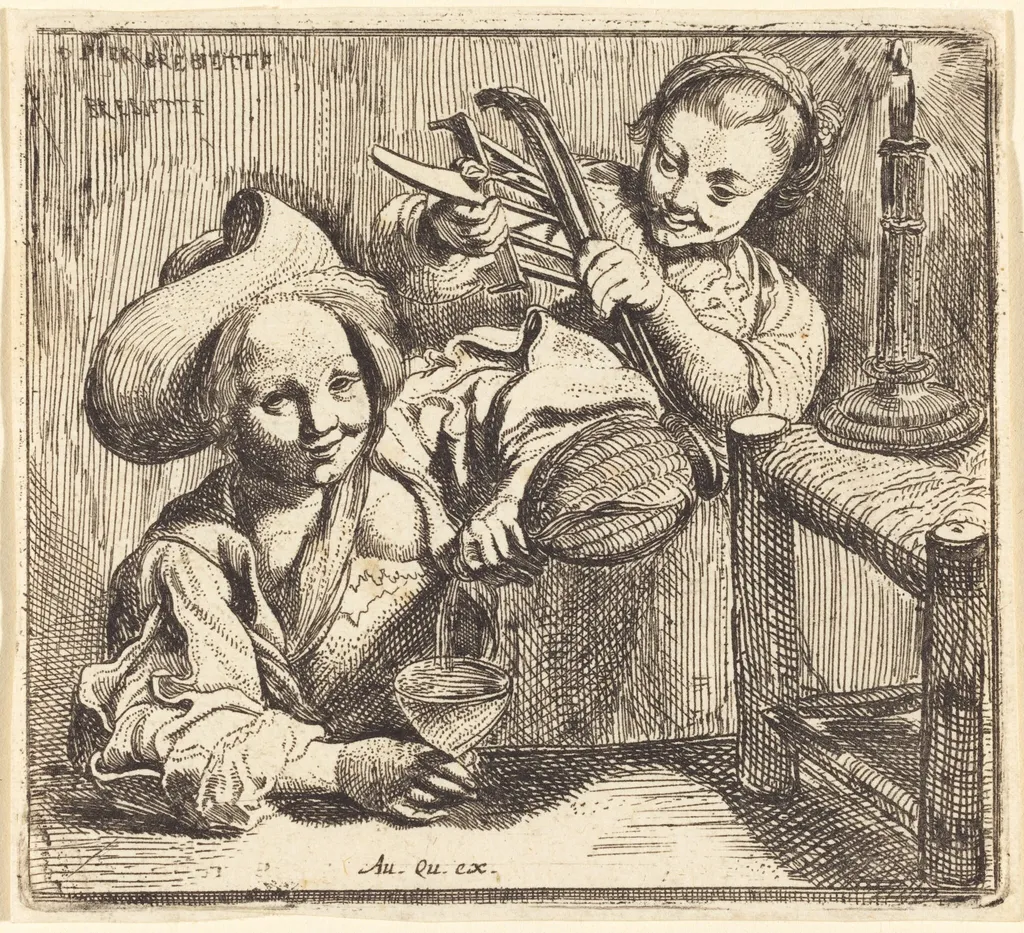
The Little Girls' Tavern is an ink print by the Baroque artist Pierre Brebiette. It dates from 1620 and is held in the collection of the National Gallery of Art.
About this work
Overview
Created around 1620 by Pierre Brebiette, this etching on laid paper captures a quiet, intimate scene of two young girls engaged in playful imitation. Rendered with delicate line work, the image conveys a sense of stillness and quiet imagination. The medium of etching allowed for fine detail and subtle tonal variation, characteristic of early 17th-century printmaking practices in northern Europe.
Subject & Meaning
The scene suggests childhood play as a form of self-expression, transforming an ordinary domestic moment into a private theatrical act.
The two girls, dressed in modest attire, are depicted at a table, one mimicking a singer with a spoon held like a microphone, the other leaning forward as if absorbed in the performance. The scene suggests childhood play as a form of self-expression, transforming an ordinary domestic moment into a private theatrical act. No overt narrative or moral is implied; the focus remains on the authenticity of the gesture.
Technique & Style
Brebiette employed fine, controlled etched lines to model form and suggest light falling across the figures. The background is minimal—just a few hatched strokes implying a plain wall—directing attention to the girls’ postures and expressions. The use of chiaroscuro through line density creates a sense of volume, enhancing the three-dimensionality of the figures without relying on heavy shading.
History & Provenance
The work is attributed to Pierre Brebiette, a lesser-known French printmaker active in the early 17th century. Few of his prints survive, and this piece is among the few documented examples of his genre scenes. Its provenance is not fully traceable, but it likely circulated in private collections in France or the Low Countries during the 17th and 18th centuries.
Context
In early 17th-century France, genre scenes in print form were gaining popularity as affordable, collectible images of everyday life. Brebiette’s work aligns with this trend, reflecting a growing interest in domestic intimacy and childhood behavior. Unlike grand historical or religious subjects, such prints offered quiet observation, appealing to middle-class audiences seeking relatable imagery.
Legacy
Though Brebiette’s output was limited, this etching endures as a sensitive example of early modern genre printmaking. It contributes to the broader understanding of how artists captured unposed, fleeting moments in domestic settings. Its preservation in institutional collections underscores its value as a historical document of childhood and social observation in early modern Europe.
Artist & collection


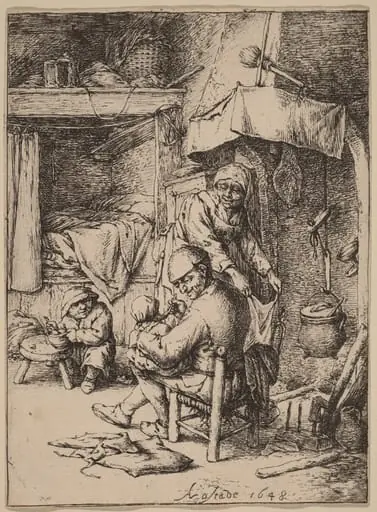 Peasant Family in an Interior wtih the Father Feeding a Child
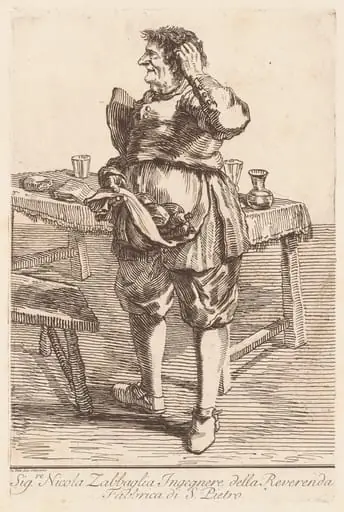 Sig. Nicola Zabbaglia
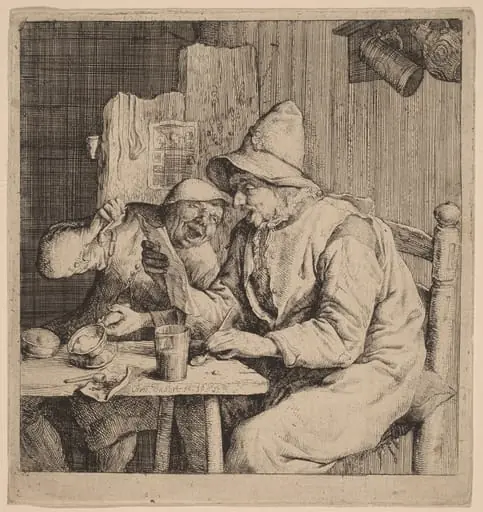 Two Peasants Singing
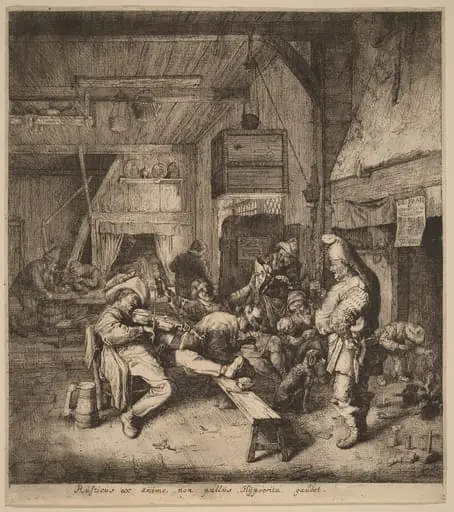 Violin Player Seated in a Tavern
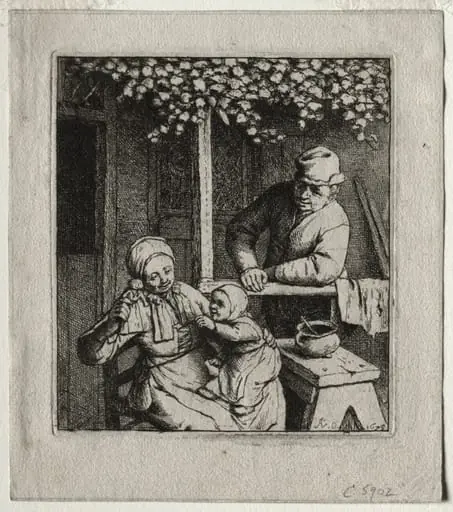 The Doll
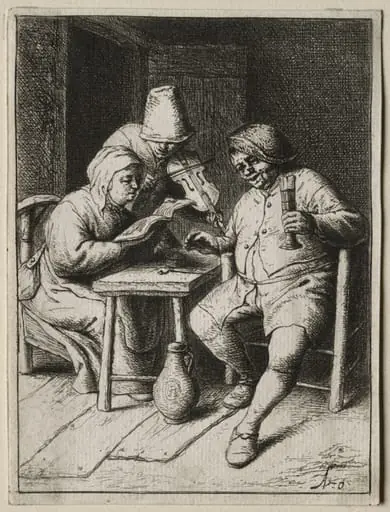 The Singer
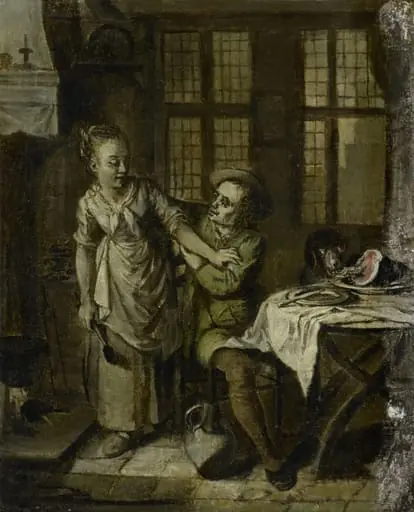 Gallant Scene in a Kitchen Interior
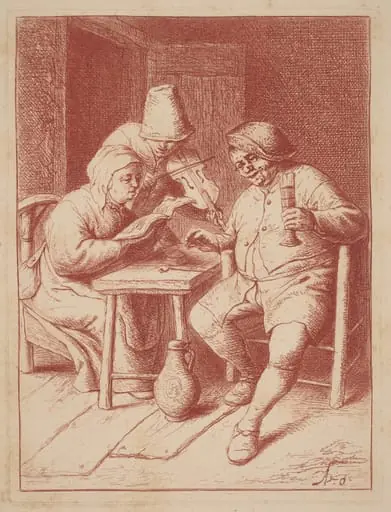 Two Singers and a Fiddler in an Interior
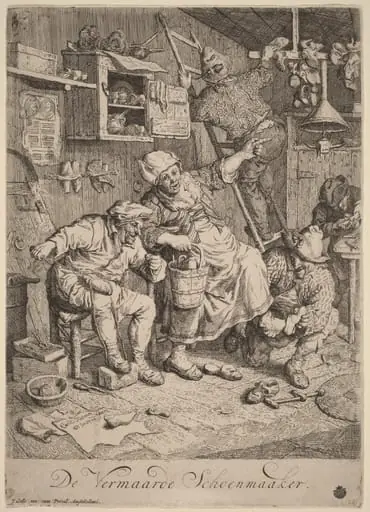 The Merry Shoemaker
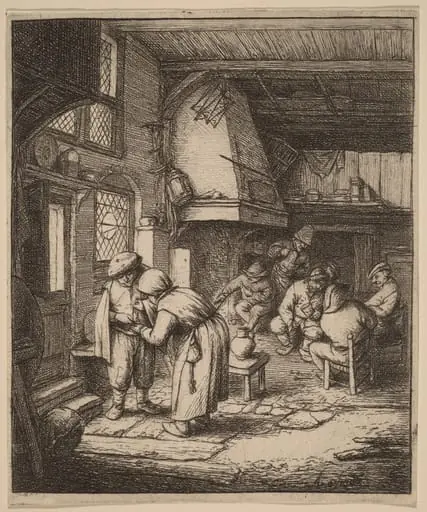 Man Paying the Landlady at an Inn
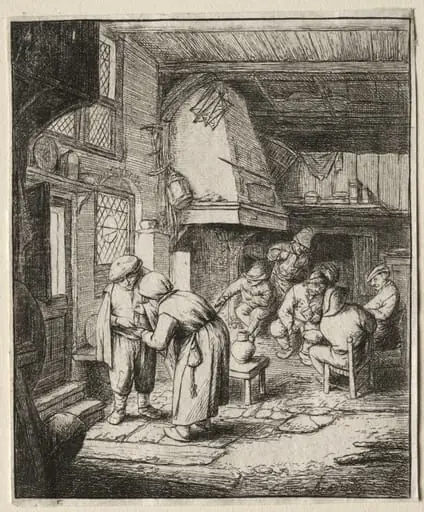 Peasant Settling his Debt
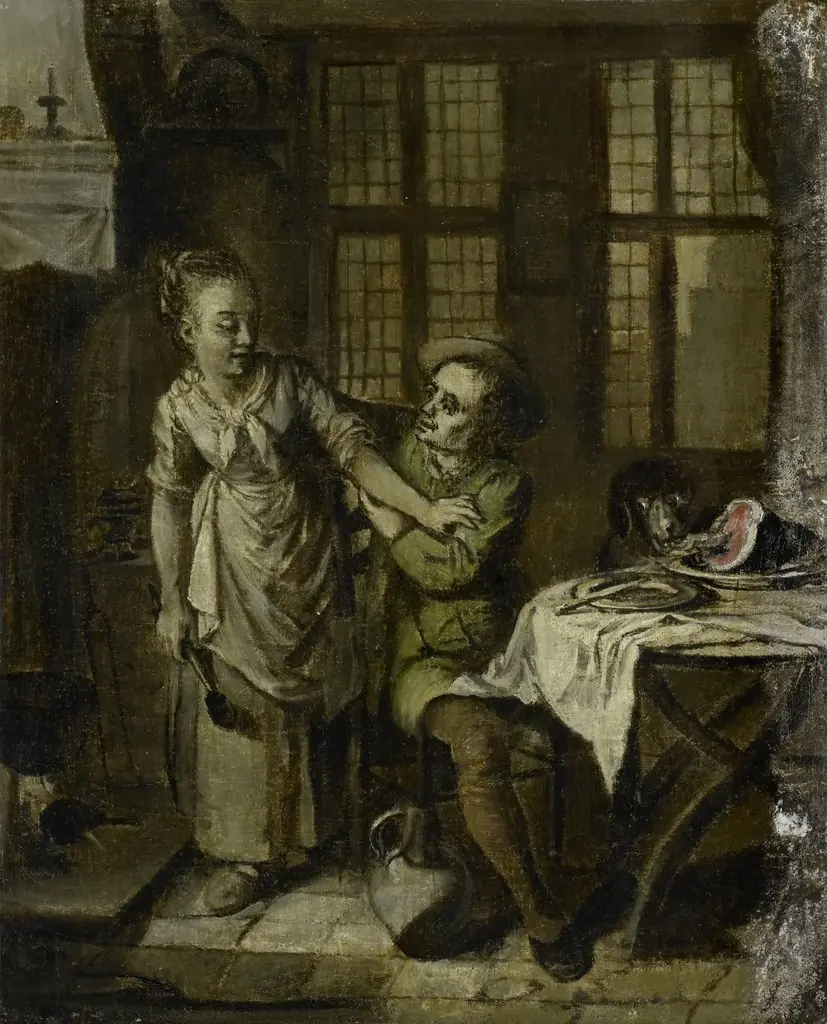 Gallant Scene in a Kitchen Interior