Artwork
The Adoration of the Shepherds
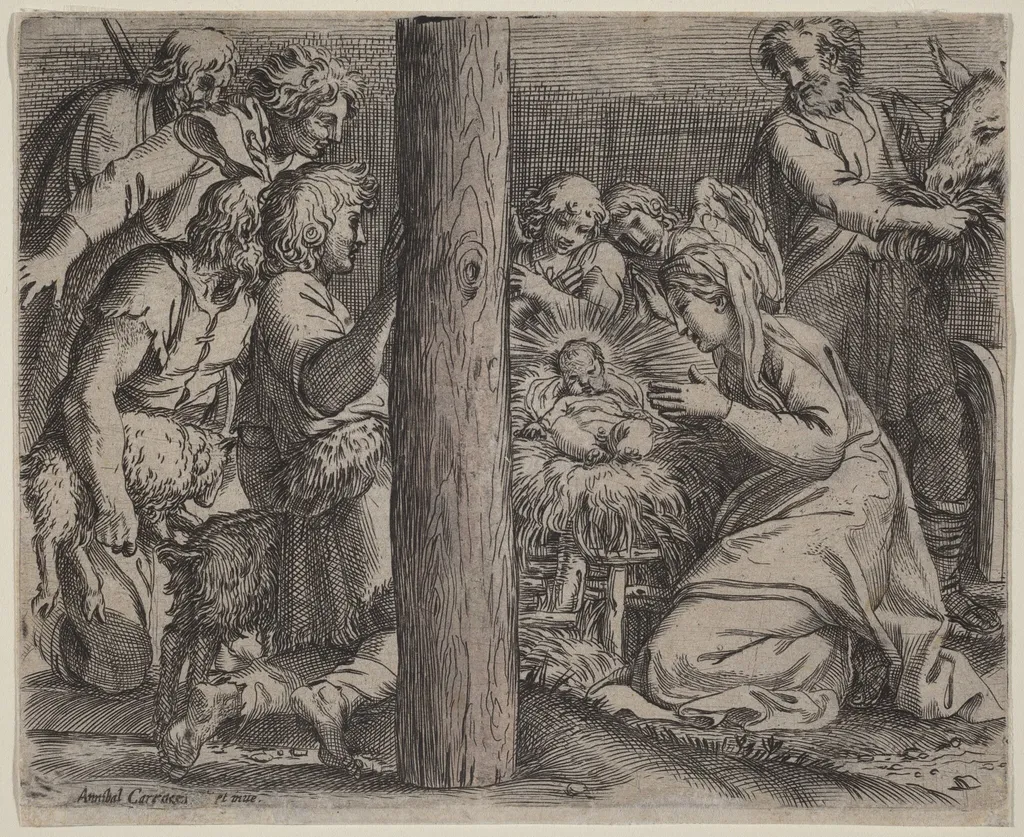
The Adoration of the Shepherds is an ink print by the Baroque artist Annibale Carracci. It dates from 1606 and is held in the collection of the National Gallery of Art.
About this work
Overview
Created in 1606, this etching and engraving by Annibale Carracci captures a moment from the Nativity in quiet, intimate detail.
Created in 1606, this etching and engraving by Annibale Carracci captures a moment from the Nativity in quiet, intimate detail. Executed on laid paper, it belongs to a group of prints made during his tenure at the Palazzo Farnese in Rome. Carracci, trained in Bologna and active in Rome, used printmaking to extend his compositional ideas beyond painting, refining religious scenes with precision and emotional restraint.
Subject & Meaning
The scene portrays shepherds kneeling before the infant Christ in a modest stable, their reverence conveyed through posture and gaze rather than grandeur. Mary, seated in soft shadow, cradles the child, while Joseph stands nearby. The central glow around the baby’s face underscores spiritual presence without overt symbolism, emphasizing humility and quiet devotion as core themes of the Nativity narrative.
Technique & Style
Carracci employed fine, controlled lines to model form and texture, particularly in the folds of Mary’s cloak and the straw-strewn floor. Contrast between light and dark is subtle yet deliberate, with the child’s face as the brightest point, drawing the eye without theatricality. The etching’s delicate tonal gradations suggest depth and volume, reflecting Carracci’s painterly approach to printmaking.
History & Provenance
This print was produced during Carracci’s years working on the Farnese Gallery frescoes, when he and his workshop explored religious subjects in multiple media. It was likely made for dissemination among collectors and artists, serving both devotional and pedagogical purposes. Its survival in good condition reflects its early circulation and the esteem in which Carracci’s prints were held.
Context
In early 17th-century Italy, religious imagery was increasingly shaped by Counter-Reformation ideals favoring clarity and emotional accessibility. Carracci’s approach, blending naturalism with classical order, offered a middle path between Mannerist complexity and emerging Baroque drama. This print exemplifies his effort to make sacred stories feel immediate and human.
Legacy
Carracci’s etchings influenced later generations of printmakers by demonstrating how engraving could convey narrative nuance and emotional subtlety. Though less celebrated than his paintings, these works helped establish printmaking as a serious medium for artistic expression in the Baroque era, bridging the gap between design and finished artwork.
Artist & collection
Artist
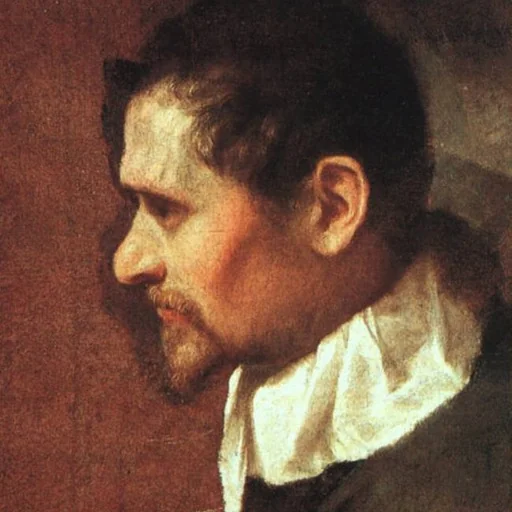
Annibale Carracci ( kə-RAH-chee, UK also kə-RATCH-ee, Italian: ; November 3, 1560 – July 15, 1609) was an Italian painter and instructor, active in Bologna and later in Rome.

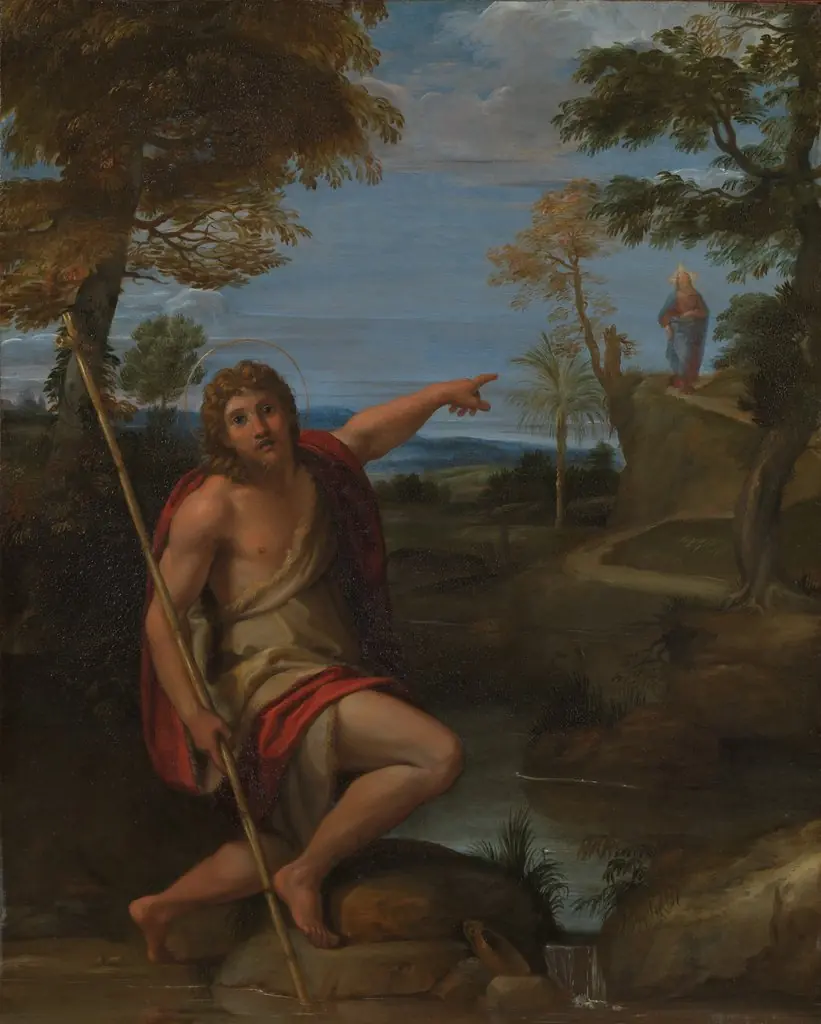
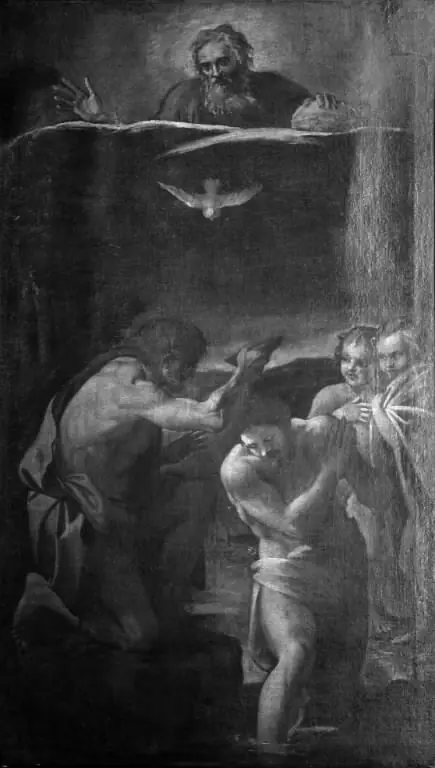
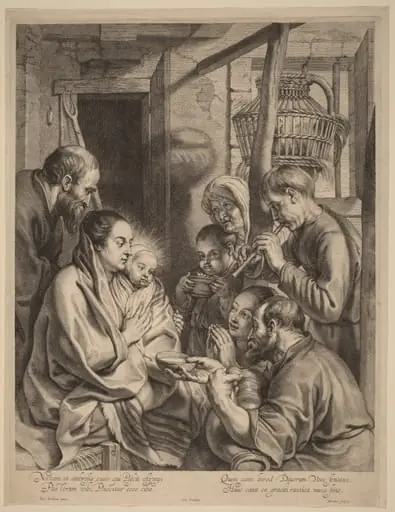 The Adoration of the Shepherds
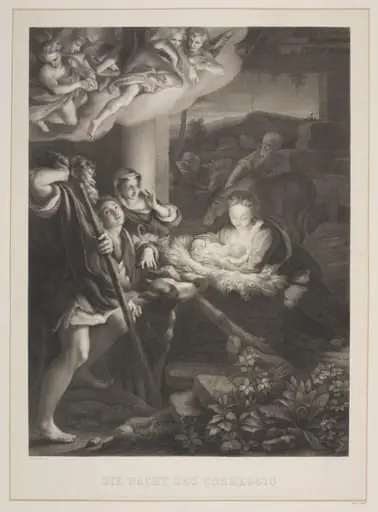 The Adoration of the Shepherds
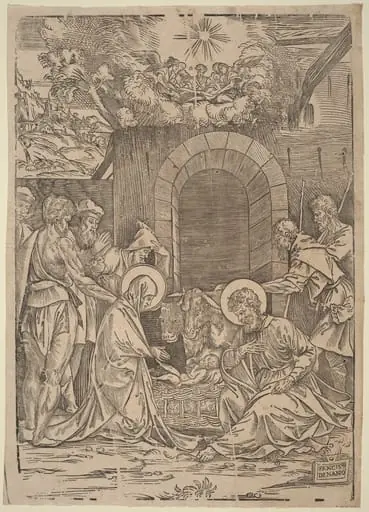 The Adoration of the Shepherds
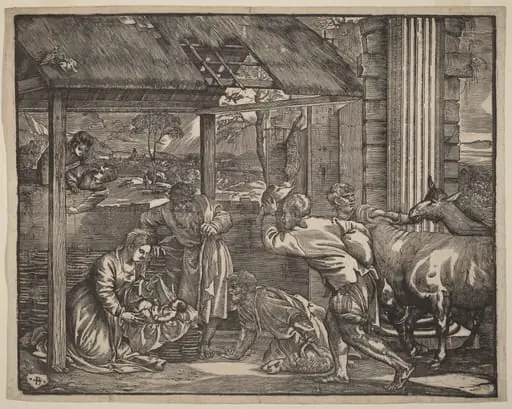 The Adoration of the Shepherds
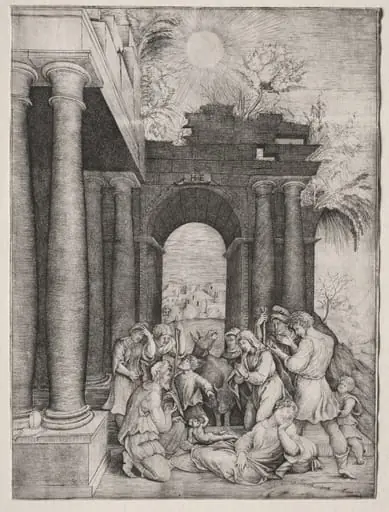 The Adoration of the Shepherds
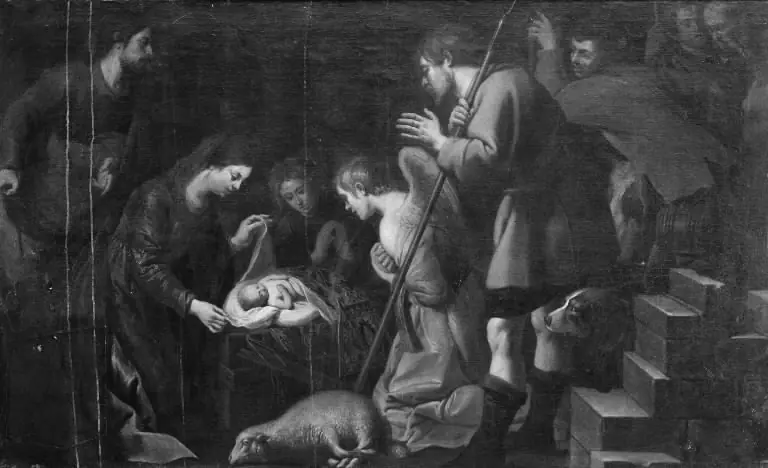 The Adoration of the Shepherds
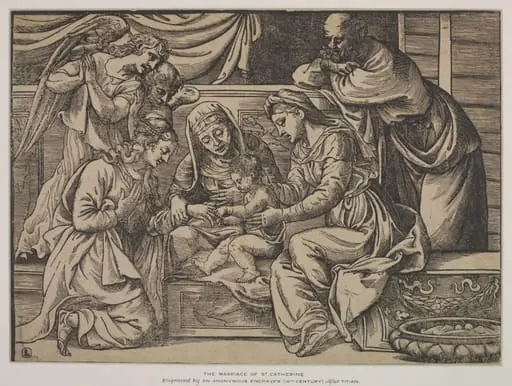 Marriage of St. Catherine
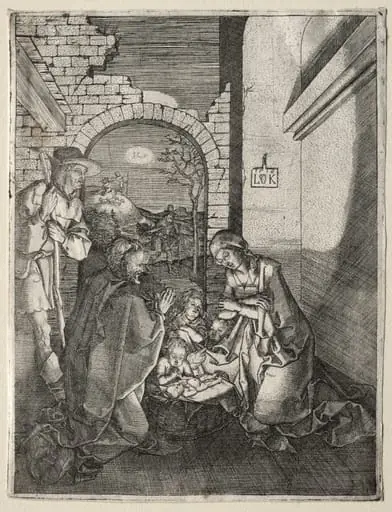 The Nativity
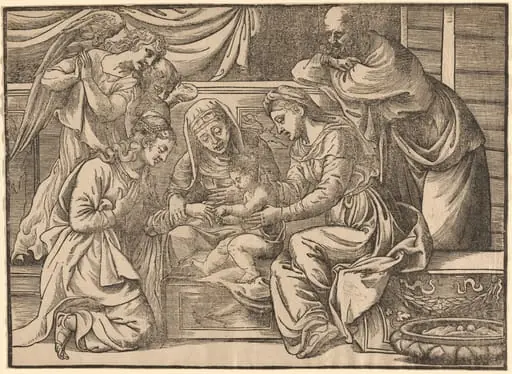 The Mystic Marriage of Saint Catherine
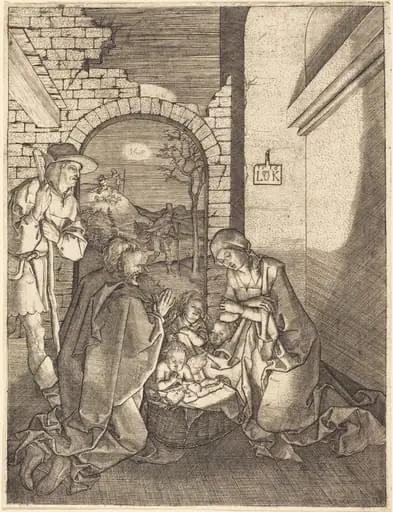 The Nativity
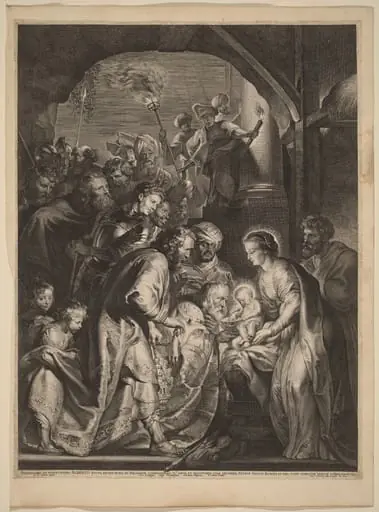 The Adoration of the Magi
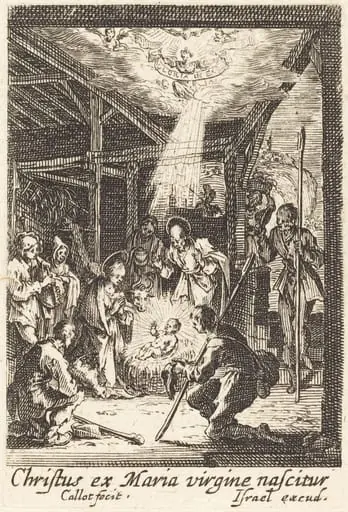 The Nativity