Artwork
Algeerine at home
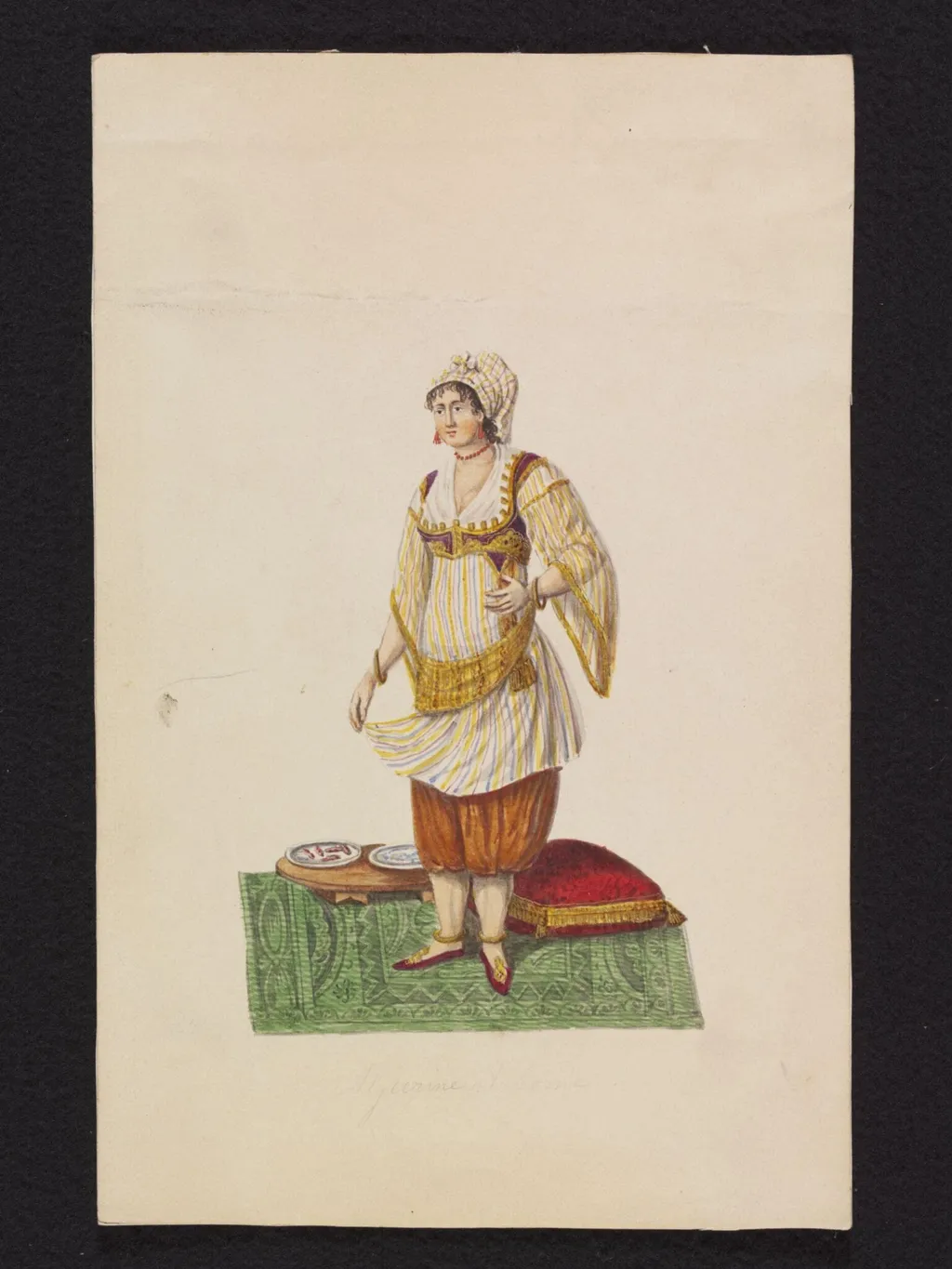
Algeerine at home is a watercolor work on paper by the Biedermeier artist Charles Frederick or Carlo Federico Brockdorff. It dates from 1835 and is held in the collection of the Victoria and Albert Museum. Painted in 1835 by Charles Frederick Brockdorff, this watercolor depicts a North African woman in a domestic setting.
About this work
Overview
Painted in 1835 by Charles Frederick Brockdorff, this watercolor depicts a North African woman in a domestic setting. Executed in delicate washes, the work captures a moment of quiet routine. It entered the Victoria and Albert Museum’s collection in 1965 after being acquired from a private dealer for a modest sum, reflecting its status as a modestly valued study rather than a major commission.
Subject & Meaning
The figure, likely a local woman from Algiers, stands poised with a tray of cups, suggesting a gesture of hospitality. Her attire—striped dress, red sash, and headscarf—hints at regional dress, though the rendering is simplified. The absence of context or narrative detail shifts focus to her presence, possibly reflecting the artist’s interest in individual character over cultural documentation.
Technique & Style
Brockdorff employed transparent watercolor to define form with minimal strokes, allowing the paper’s white to suggest light.
Brockdorff employed transparent watercolor to define form with minimal strokes, allowing the paper’s white to suggest light. Patterns on the rug and fabric are rendered with fine lines, while the background remains unmodeled, isolating the figure. The palette is restrained yet vivid, emphasizing color over depth, creating a flattened, decorative effect that leans toward ethnographic observation rather than realism.
History & Provenance
The work was purchased in 1965 from P. Bedford for £3 and 10 shillings, indicating it had circulated in private hands before entering the museum. Its origin prior to that is undocumented. The modest price and lack of prior exhibition history suggest it was not widely recognized during the 19th or early 20th centuries, and its significance was reassessed only in the postwar era.
Context
Brockdorff, a British artist with ties to North Africa, produced numerous watercolors during travels in the 1830s. This piece aligns with a wave of European interest in North African daily life, though it avoids overt exoticism. Unlike grand Orientalist narratives, it presents a subdued, intimate moment, possibly shaped by the artist’s direct observation rather than romanticized imagination.
Legacy
The watercolor remains a quiet example of 19th-century travel art, valued for its understated observation rather than dramatic flair. It contributes to the V&A’s collection of domestic scenes from the Islamic world, offering a counterpoint to more theatrical Orientalist works. Its preservation reflects a growing institutional interest in everyday representations from non-European cultures.
Artist & collection

![Turkish Gentelman of Constantinople [sic], by Charles Frederick or Carlo Federico Brockdorff](https://artifactworldgallery.com/img/charles-frederick-or-carlo-federico-brockdorff--turkish-gentelman-of-constantinople-sic--d475be1b1d5e28d0-w320.webp)
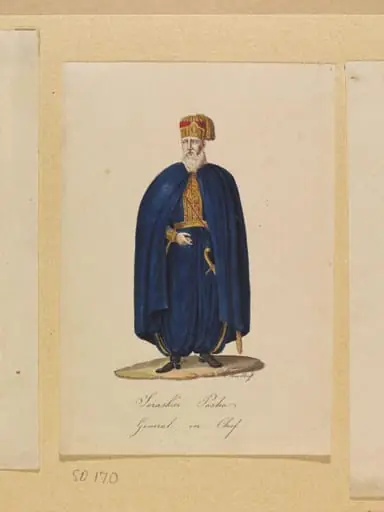
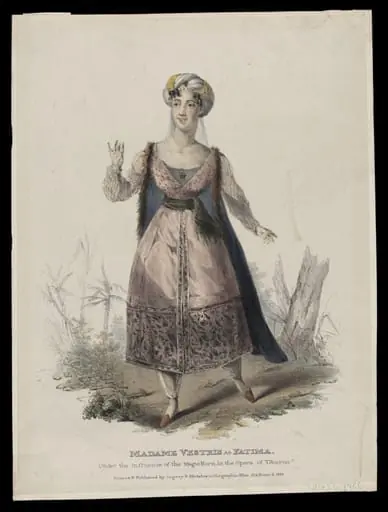 H Beard Print Collection
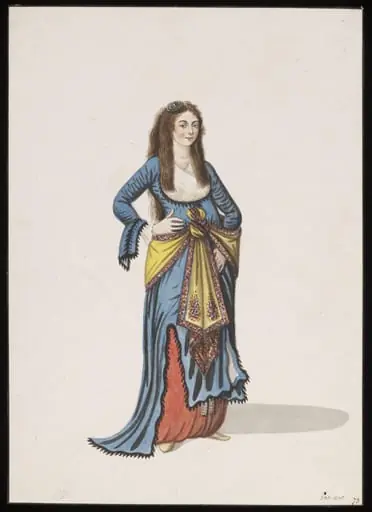 A young woman in Turkish dress
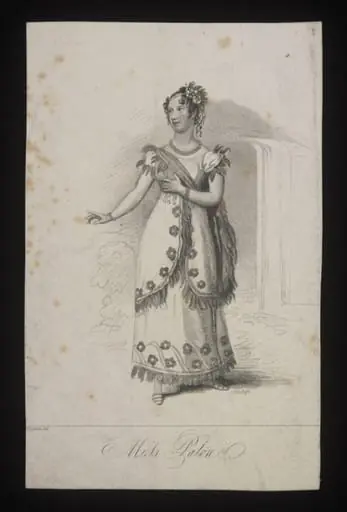 'Miss Paton'
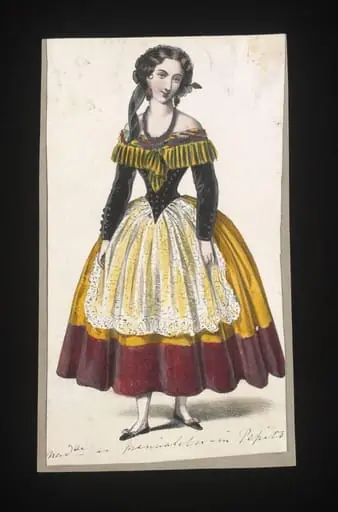 Madlle as Manualita in Pepito
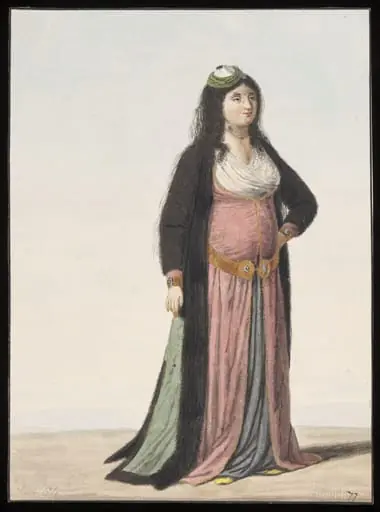 A Turkish woman
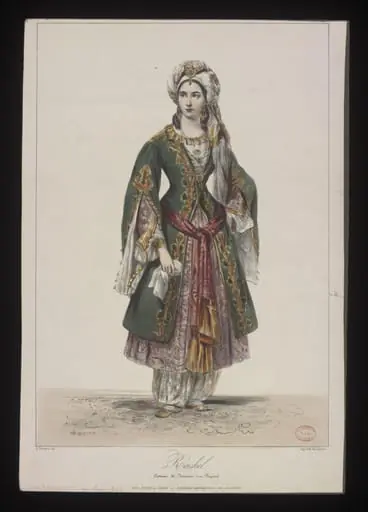 Print Collection
![A Greek woman[?], by Anonymous Greek artist](https://artifactworldgallery.com/img/anonymous-greek-artist--a-greek-woman--6cf3019da43d0709-w320.webp) A Greek woman[?]
A Greek woman[?]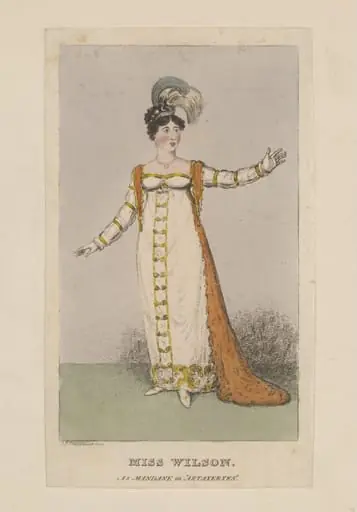 H Beard Print Collection
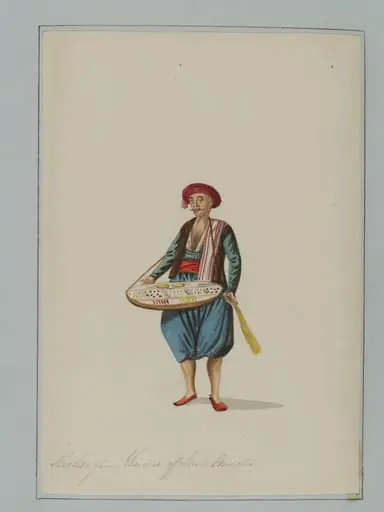 Servant bearing a present of Sweetmeats on Festival occasions -
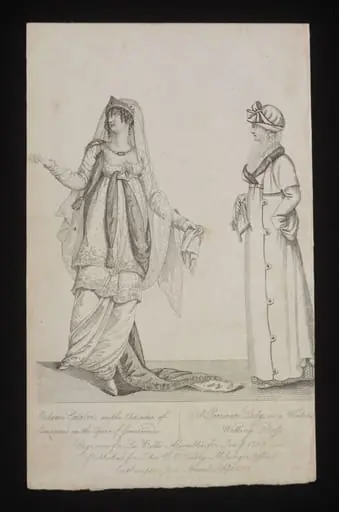 H Beard Print Collection
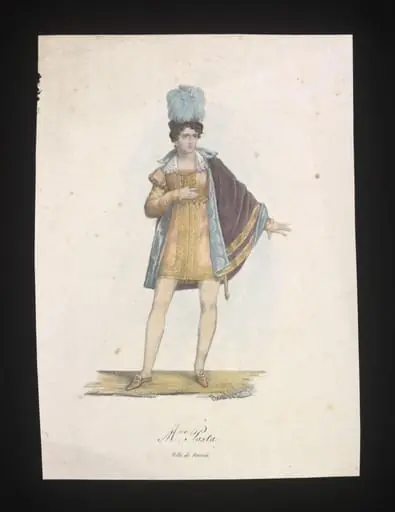 Madame Pasta
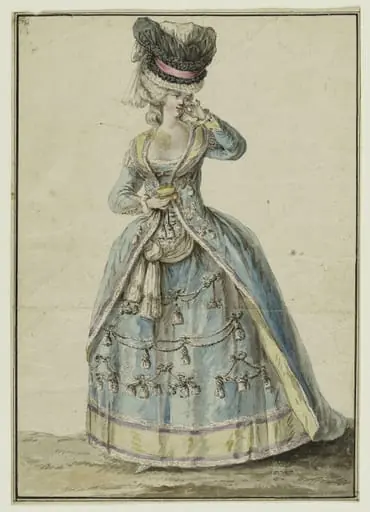 Habit en lévite enrichi de glands, d'épaulettes et de cordonets