Artwork
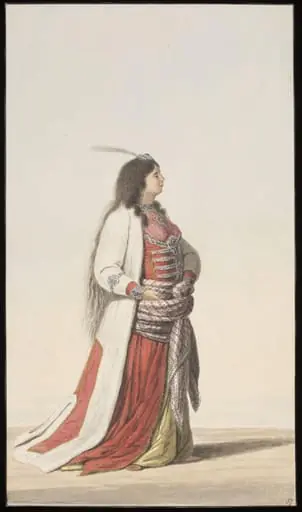
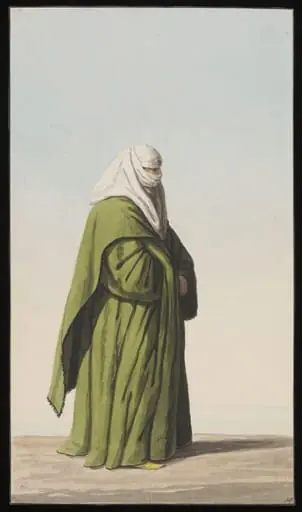
A Turkish woman
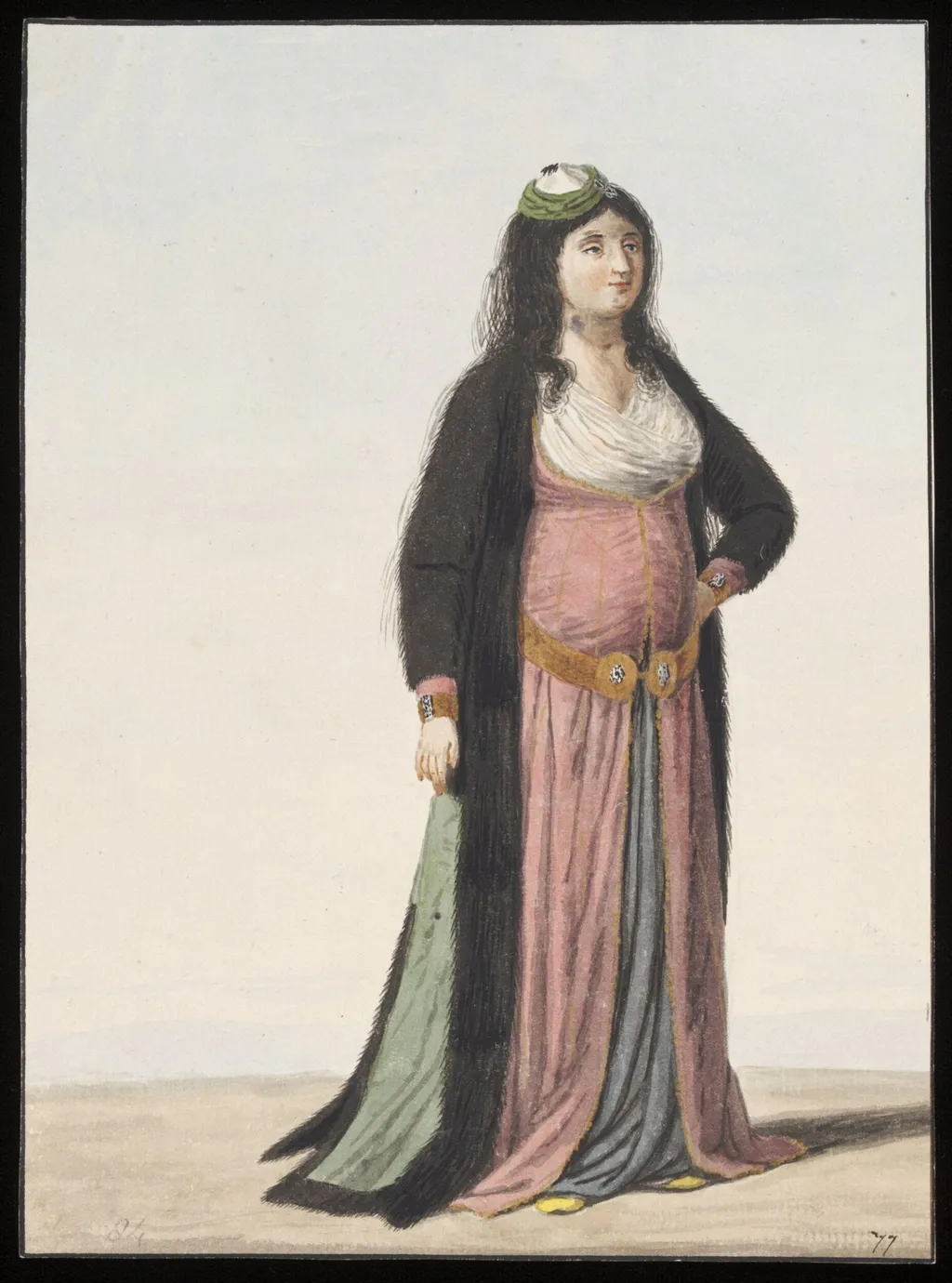
A Turkish woman is a watercolor work on paper by the Orientalist artist Anonymous Greek artist. It dates from 1809 and is held in the collection of the Victoria and Albert Museum.
About this work
Overview
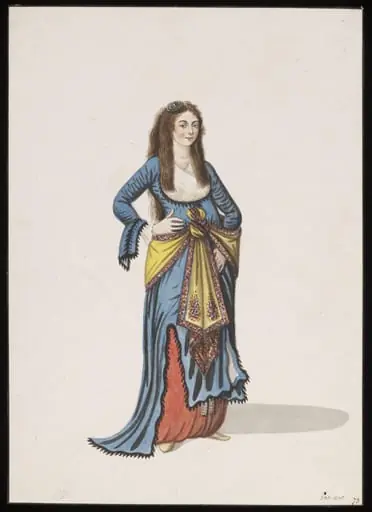
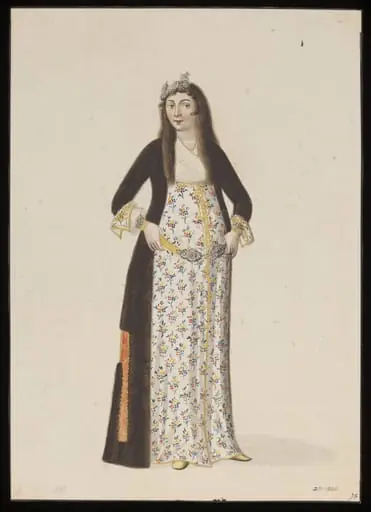
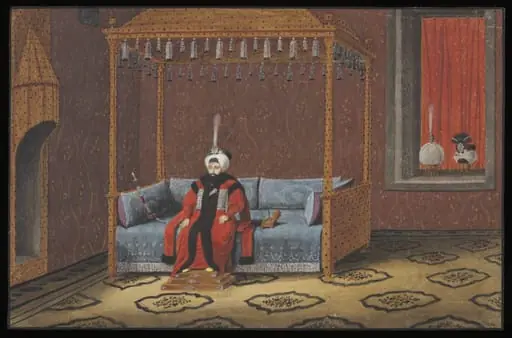
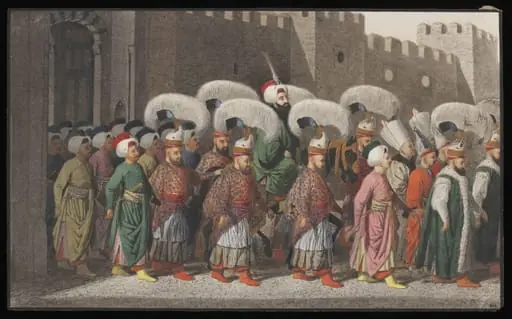
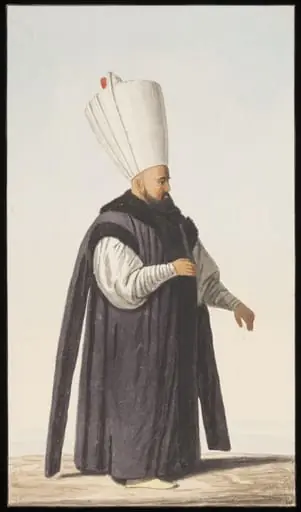
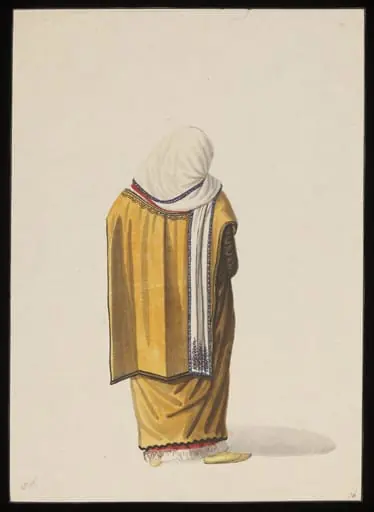
The watercolour, titled *A Turkish Woman*, belongs to a larger group of drawings commissioned by Stratford Canning, later Viscount Stratford de Redcliffe, during his early diplomatic service in the Ottoman Empire. The series was created around 1808‑1810 and was acquired by the Victoria and Albert Museum in 1895 from Canning’s daughter, Charlotte.
Subject & Meaning
The image depicts a Turkish woman, offering a visual record of Ottoman attire and social presence observed by Canning during his tenure in Istanbul. It reflects the diplomat’s intent to document everyday life and cultural customs of the empire for a Western audience.
Technique & Style
Executed in watercolour and bodycolour, the work merges the rich, saturated pigments characteristic of Ottoman miniature traditions with European approaches to perspective and spatial representation. This hybrid style suggests the hand of an artist trained in local techniques yet familiar with Western artistic conventions.
History & Provenance
The original watercolours passed to Canning’s daughter and entered the V&A collection at the close of the 19th century.
The artist remains unidentified, though Turkish scholars associate him with the workshop of Konstantin Kapidagli. In 1810, the young architect Charles Cockerell met the same painter in Istanbul, discussing technique; Cockerell’s copies of the artist’s architectural views are now held by the British Museum. The original watercolours passed to Canning’s daughter and entered the V&A collection at the close of the 19th century.
Context
The series was produced at a time when British diplomatic missions sought visual documentation of the Ottoman world. Canning’s access to both official and informal settings allowed him to commission a comprehensive visual record, bridging diplomatic observation with artistic production.
Artist & collection

![A Pasha travelling with his escort[?], by Anonymous Greek artist](https://artifactworldgallery.com/img/anonymous-greek-artist--a-pasha-travelling-with-his-escort--01de32b8fcf30843-w320.webp)
![A Greek woman[?], by Anonymous Greek artist](https://artifactworldgallery.com/img/anonymous-greek-artist--a-greek-woman--6cf3019da43d0709-w320.webp)