Artwork
The Big Fish Eat the Little Fish
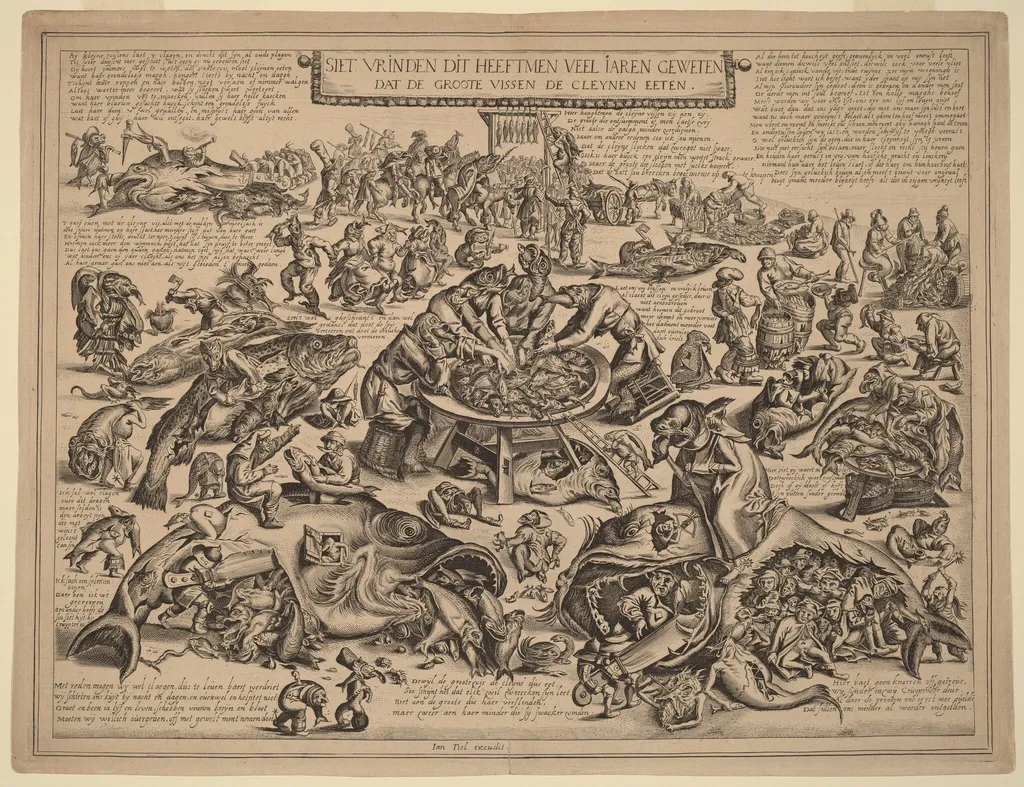
The Big Fish Eat the Little Fish is an ink print by the Baroque artist Pieter Bruegel the Elder. It dates from 1650 and is held in the collection of the National Gallery of Art.
About this work
Overview
The Big Fish Eat the Little Fish is a 17th-century engraving by Pieter Bruegel the Elder, characterized by densely packed, chaotic scenes. The composition converges around a central image of a large fish consuming smaller ones, amidst human and animal turmoil.
Subject & Meaning
The engraving serves as an allegory for the dynamics of power and survival. Beyond its literal depiction, the work conveys a moral message through the juxtaposition of predator and prey, reflected in both the natural and human worlds within the scene.
Technique & Style
Bruegel employed sharp lines and nuanced shading techniques in the engraving, creating a sense of realism that amplifies the chaotic atmosphere, evoking a sense of crowded, nightmarish intensity.
History & Provenance
Created in 1650, the exact provenance and early ownership history of The Big Fish Eat the Little Fish are not detailed in the provided information, highlighting a gap in the known record of the work's early life.
Context
While specific contextual influences are not outlined, the work's themes of power dynamics and survival suggest it may reflect broader societal anxieties or philosophical views prevalent during the 17th century.
Legacy
The enduring appeal of The Big Fish Eat the Little Fish lies in its rich, allegorical content and technical craftsmanship, continuing to attract analysis for its insights into human nature and the artist's mastery of engraving.
Artist & collection


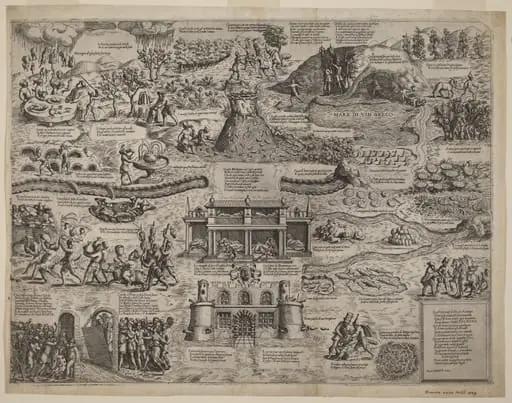 The Land of Cockaigne
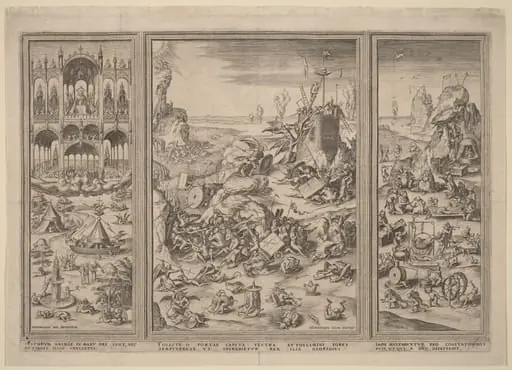 The Last Judgment Triptych
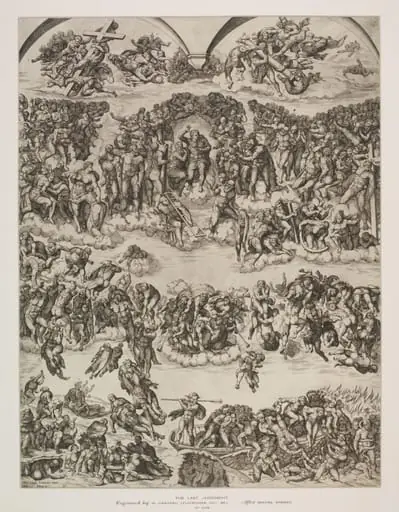 The Last Judgment
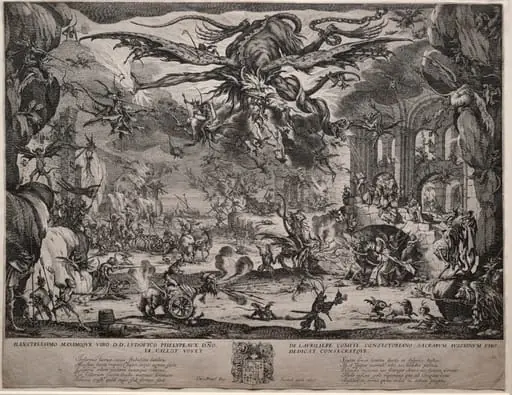 The Temptation of Saint Anthony (second version)
![The Temptation of Saint Anthony [second version], by Jacques Callot](https://artifactworldgallery.com/img/jacques-callot--the-temptation-of-saint-anthony-second-version--9cf852748ad4d6b5-w320.webp) The Temptation of Saint Anthony [second version]
The Temptation of Saint Anthony [second version]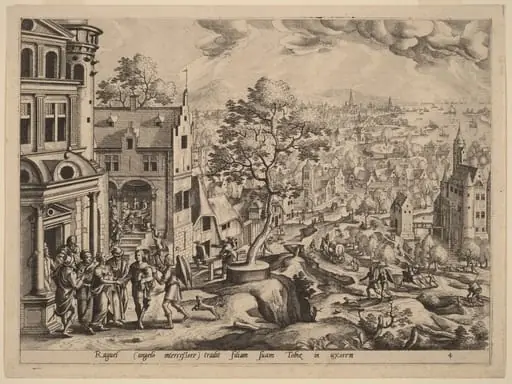 Tobias and the Angel Arriving at Raguel's House
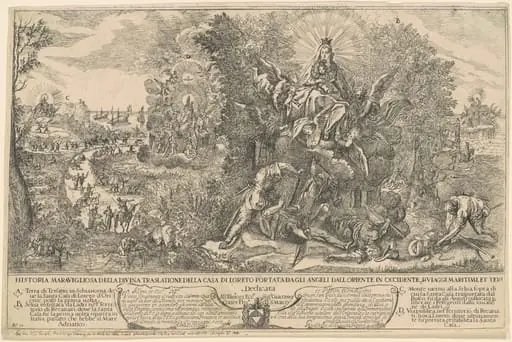 The Transport of the Holy House of Loreto
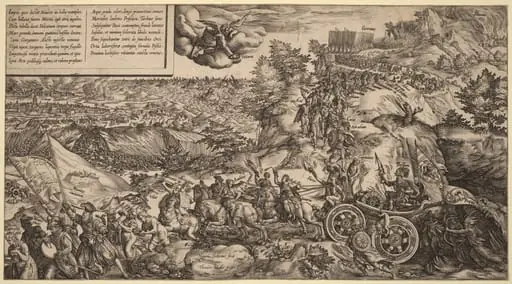 Allegory of War
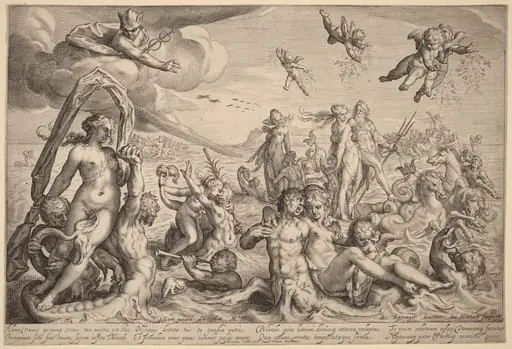 The Triumph of Neptune and Thetis
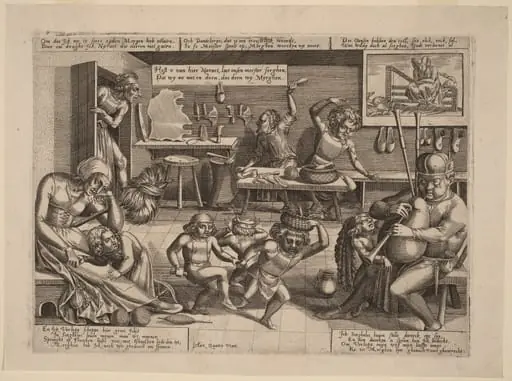 The Dissolute Household
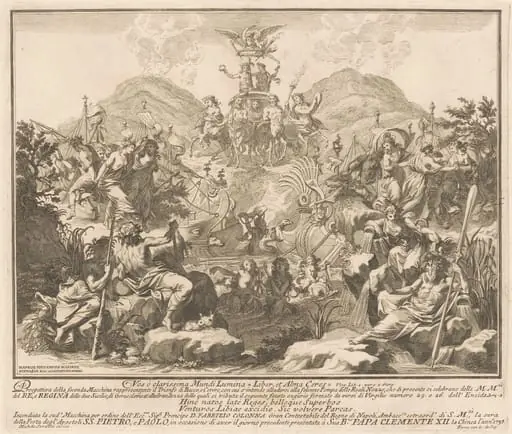 The Seconda Macchina for the Chinea of 1738: The Triumph of Bacchus and Ceres
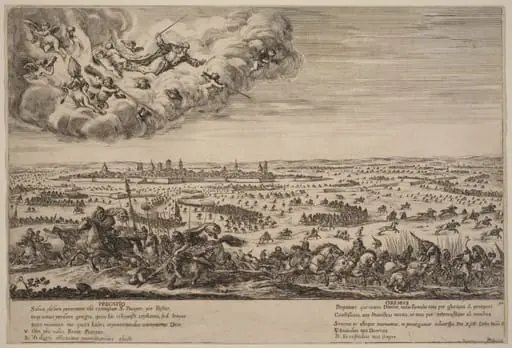 Saint Prosper