Artwork
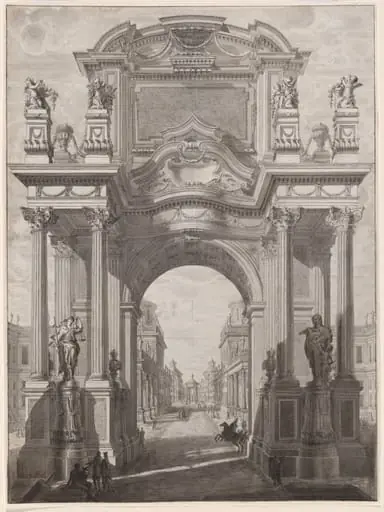
Triumphal Arch for Lotharius II
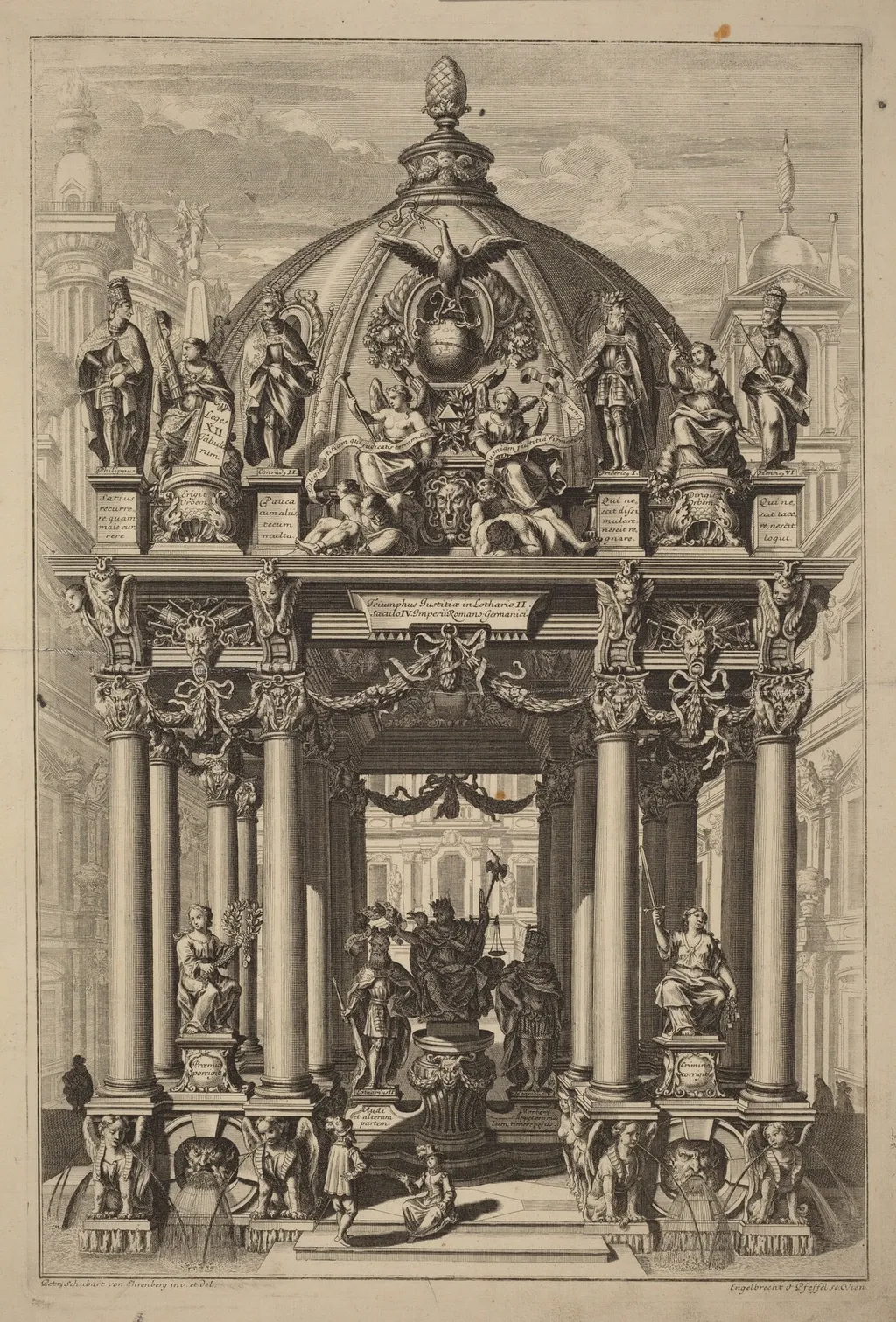
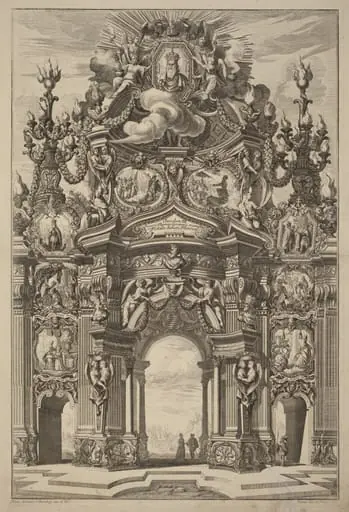
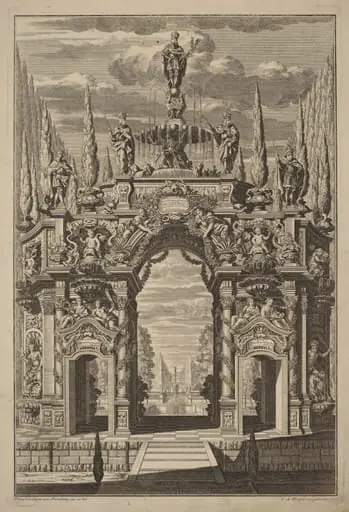
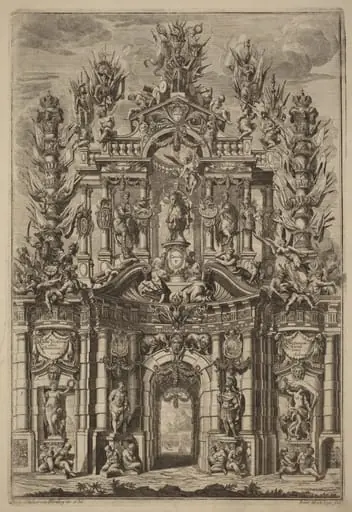
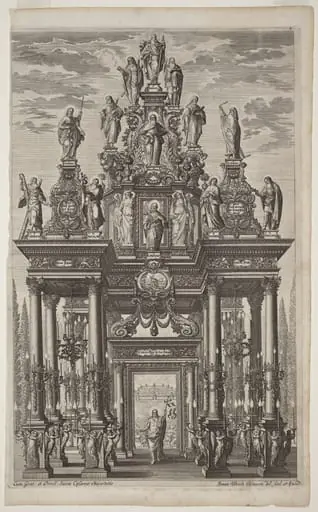
Triumphal Arch for Lotharius II is an ink print by the Baroque artist Christian Engelbrecht. It dates from 1725 and is held in the collection of the National Gallery of Art.
About this work
Overview
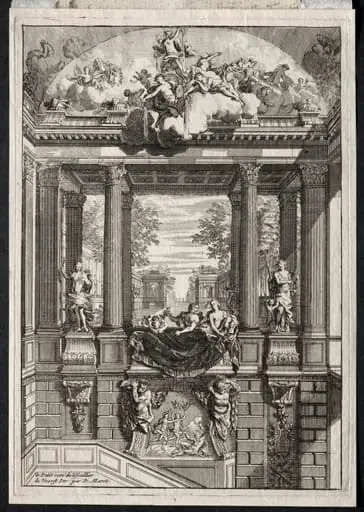
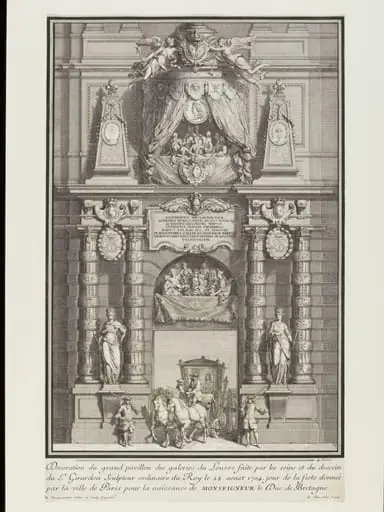
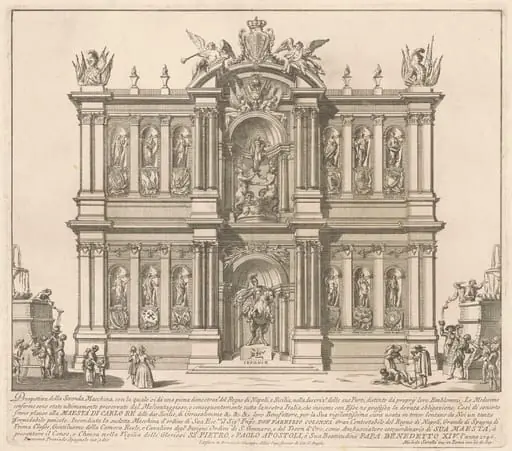
Created in 1725 by Christian Engelbrecht, this print depicts a monumental arch designed to honor Lotharius II. Executed in etching and engraving on laid paper, the work belongs to the tradition of architectural fantasy in early 18th-century printmaking. Its elaborate structure, though not a real monument, reflects the era’s fascination with imperial symbolism and commemorative architecture.
Subject & Meaning
The composition suggests a ceremonial passage, intended to convey legitimacy, power, and continuity between antiquity and contemporary dynastic claims.
The arch serves as a fictional tribute to Lotharius II, a historical figure associated with medieval Carolingian rule. Decorated with statues of figures and animals, it evokes the grandeur of Roman triumphal monuments, reimagined through a Baroque lens. The composition suggests a ceremonial passage, intended to convey legitimacy, power, and continuity between antiquity and contemporary dynastic claims.
Technique & Style
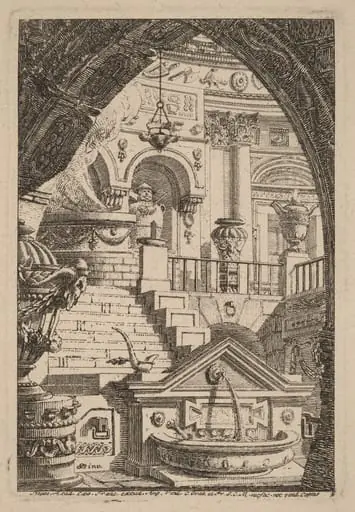
Engelbrecht employed fine-line etching and engraving to render intricate surface details—columns, sculptural reliefs, and textured stonework—with precision. The use of cross-hatching and delicate line weight creates depth and a sense of material richness. The architectural forms are rendered with academic rigor, aligning with the period’s interest in classical proportion and ornamental complexity.
History & Provenance
The print was produced in the early 1720s, likely as part of a series of architectural fantasies circulated among collectors and scholars. No record of its original commission survives, but its detailed execution suggests it was intended for private or academic audiences rather than public display. It entered institutional collections in the 19th century, where it remains as an example of German printmaking.
Context
In early 18th-century Germany, prints of imaginary monuments were popular among elites interested in classical antiquity and dynastic history. Engelbrecht’s work aligns with a broader trend of architectural fantasy, where artists blended historical references with imaginative reconstruction. These prints served as visual tools for intellectual engagement rather than documentary records.
Legacy
Though not widely known today, the print exemplifies the role of printmaking in disseminating architectural ideals during the Baroque period. It reflects how historical memory was visually reconstructed in print culture, influencing later generations of designers and historians interested in the intersection of myth, power, and built form.
Artist & collection