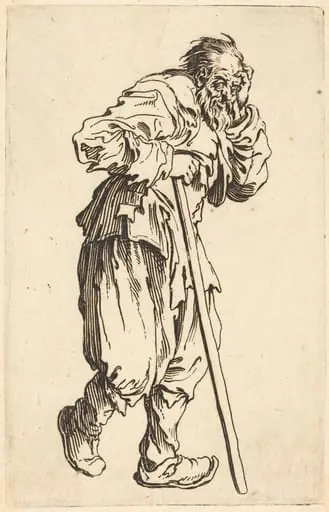
Artwork
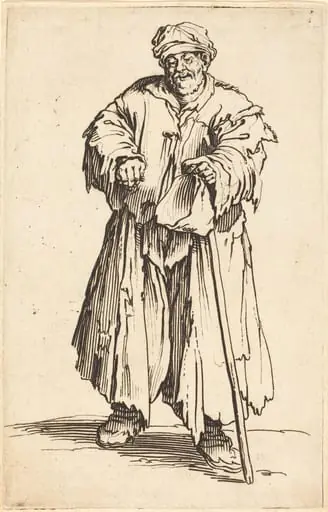
Fat Beggar with Eyes Cast Down
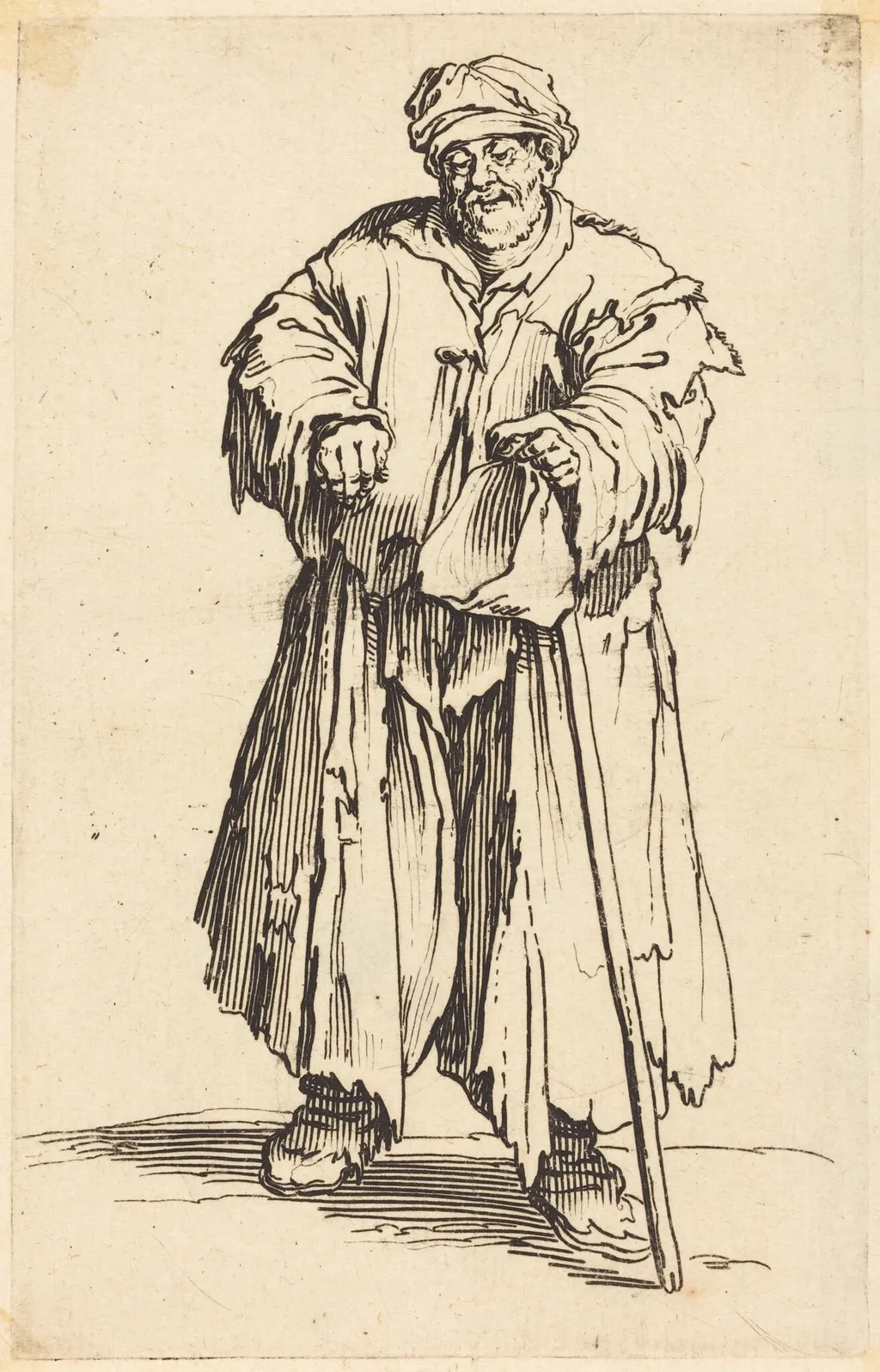
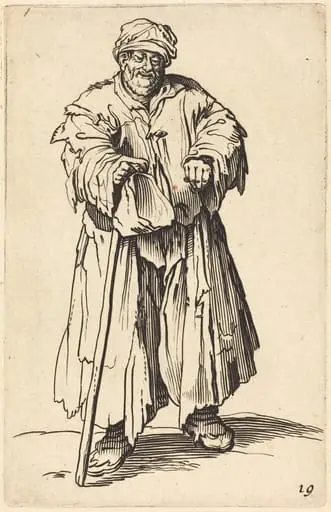
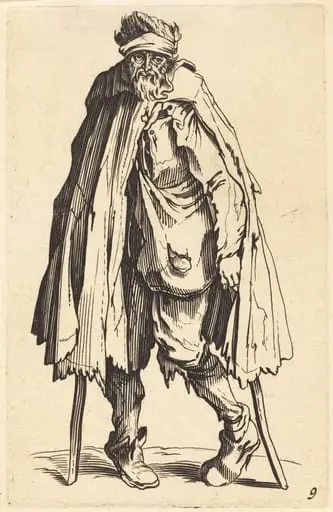
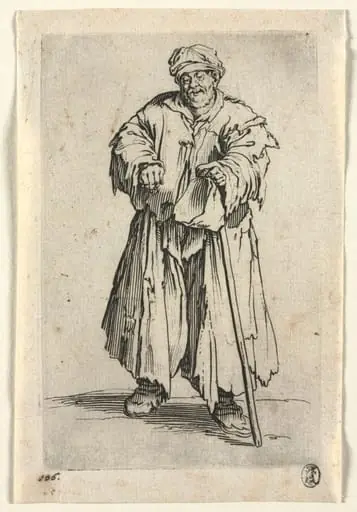
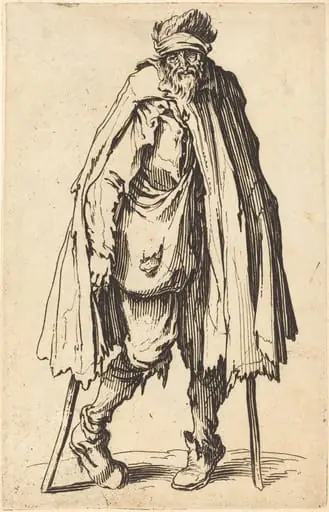
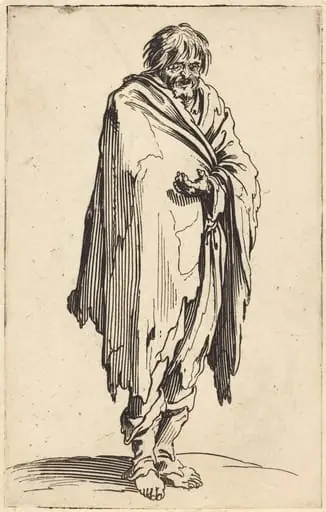
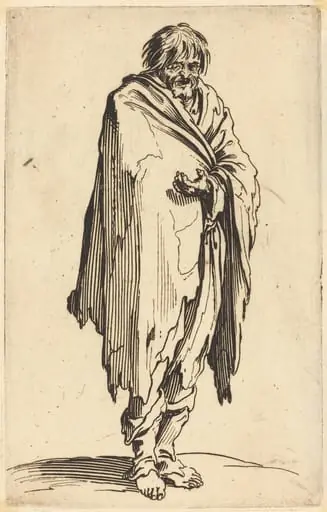
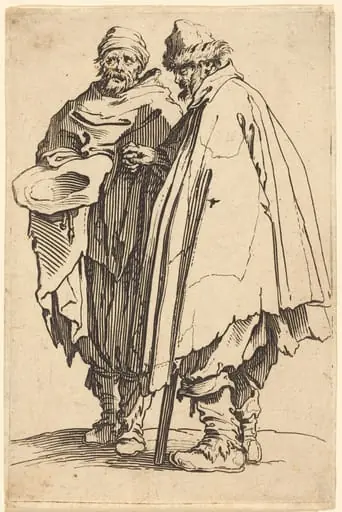
Fat Beggar with Eyes Cast Down is an ink print by the Baroque artist Jacques Callot. It dates from 1622 and is held in the collection of the National Gallery of Art.
About this work
Overview
This work presents a solitary beggar, rendered in fine linear detail on laid paper, reflecting his interest in human condition over idealized forms.
Jacques Callot, a printmaker from the Duchy of Lorraine, produced this etching around 1622 as part of his broader documentation of everyday life in early 17th-century Europe. Known for his precise technique and prolific output, Callot captured marginalized figures with psychological nuance. This work presents a solitary beggar, rendered in fine linear detail on laid paper, reflecting his interest in human condition over idealized forms.
Subject & Meaning
The figure is a robust, elderly beggar, head bowed and eyes lowered, conveying quiet despair rather than theatrical pleading. His tattered clothing and clenched fist suggest both physical hardship and internal resistance. The absence of a begging bowl or audience shifts focus from solicitation to inner state, emphasizing isolation and endurance. The image resists sentimentality, presenting dignity within deprivation.
Technique & Style
Callot employed fine, controlled etching lines to model form and texture, particularly in the folds of the coat and the contours of the face. Chiaroscuro is achieved through dense hatching and sparse inked areas, creating volume and mood without washes. The background, lightly suggested with distant landscape elements, enhances spatial depth while keeping attention on the figure’s stillness and emotional weight.
History & Provenance
Created during Callot’s mature period in Florence, the etching likely circulated among collectors and artists familiar with Northern European print traditions. Though no early ownership records are documented, its survival in multiple institutional collections indicates early recognition of its technical and thematic significance within the printmaking community of the time.
Context
In early 1600s Europe, widespread poverty and displacement followed decades of war and economic instability. Callot’s prints, including this one, formed part of a growing genre that observed the lower classes with observational rigor rather than moralizing. His work aligned with broader humanist interests in individual experience, distinct from religious or mythological subjects dominant in painting.
Legacy
Callot’s detailed etchings influenced later generations of printmakers, particularly in their attention to social realism and technical precision. While not widely exhibited in his lifetime as standalone works, these small-scale studies of marginalized figures contributed to a shift in how everyday suffering was visually represented, laying groundwork for 18th-century social commentary in print.
Own this work as a print
Artist & collection
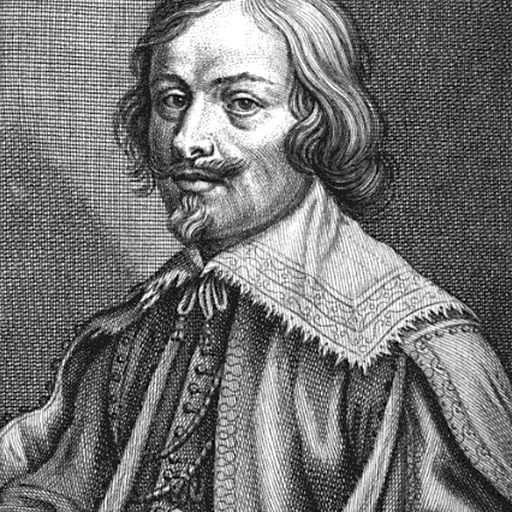
Artist
Jacques Callot was a baroque printmaker and draftsman from the Duchy of Lorraine.

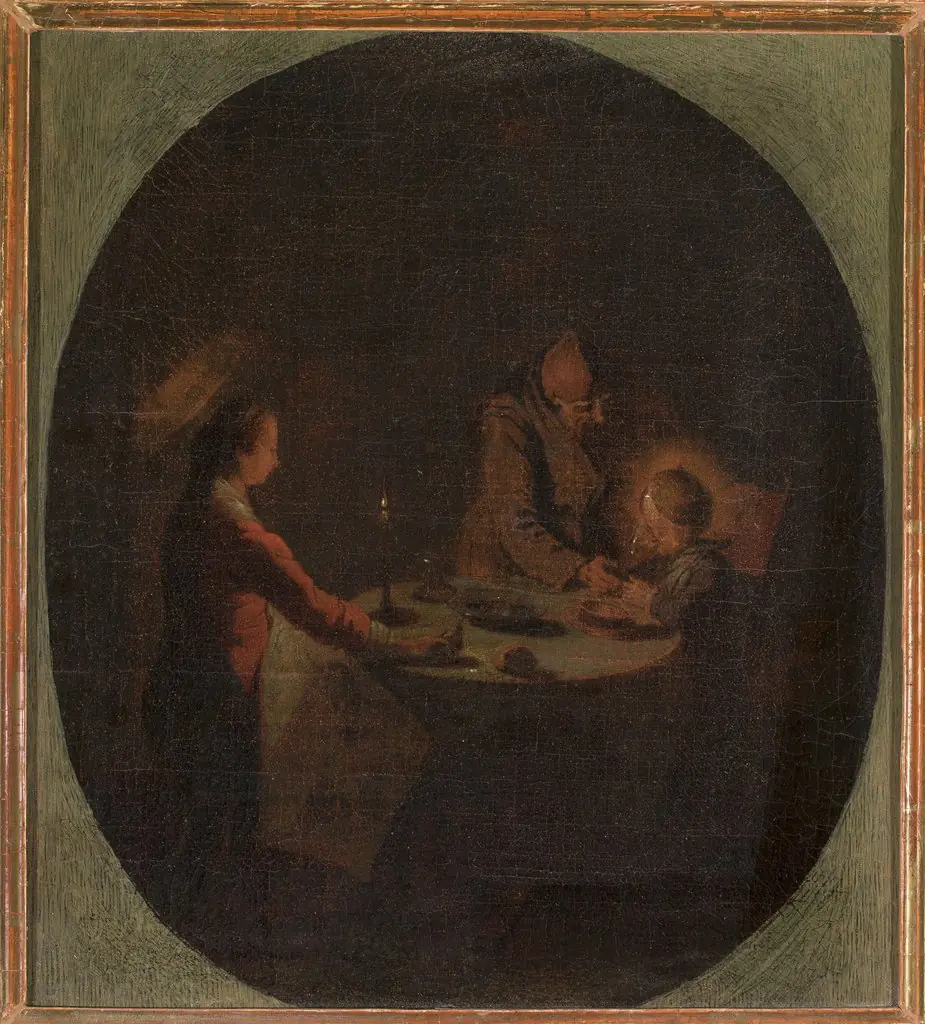 Holy Family at supper
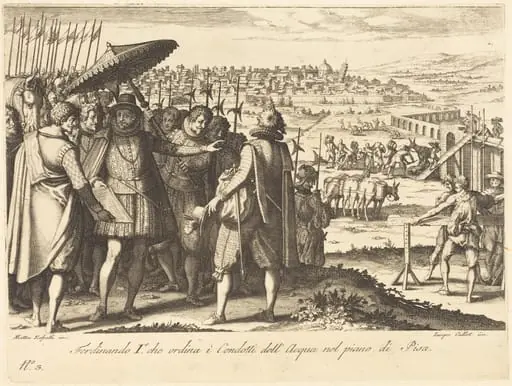 Restoration of the Aqueduct at Pisa
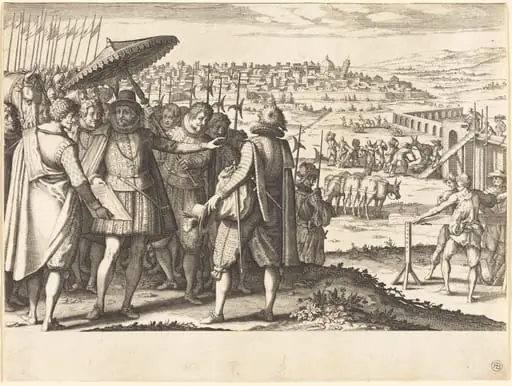 Restoration of the Aqueduct at Pisa
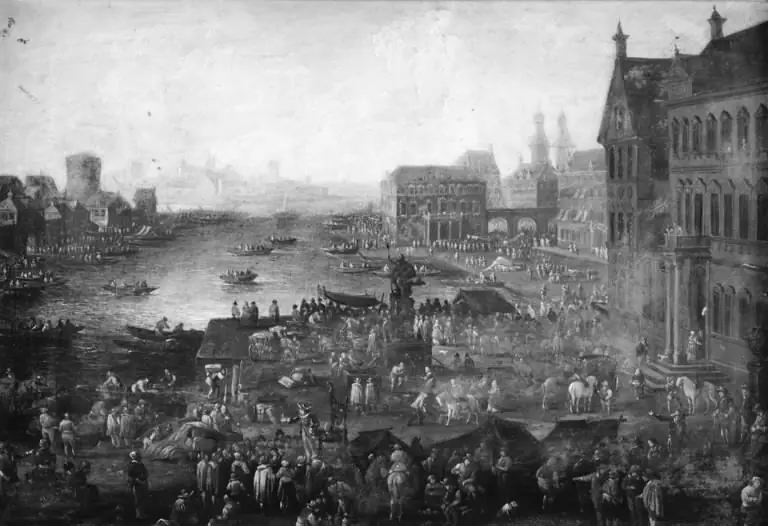 Square in Paris with Many Figures
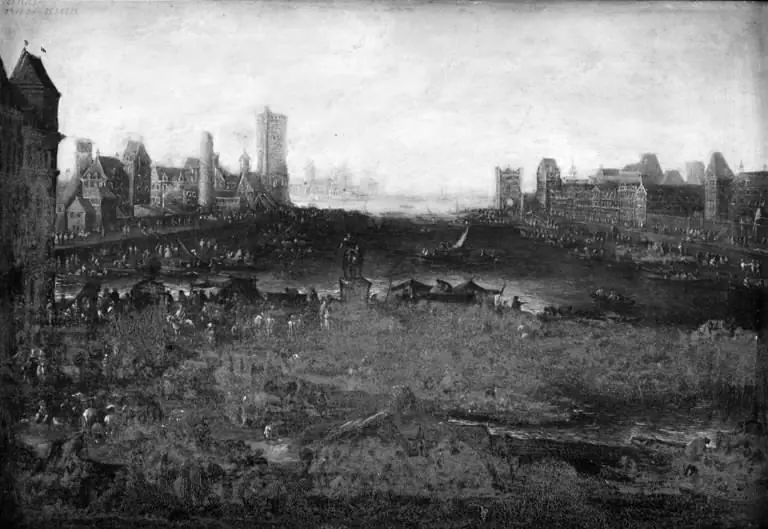 Square in Paris with Many Figures
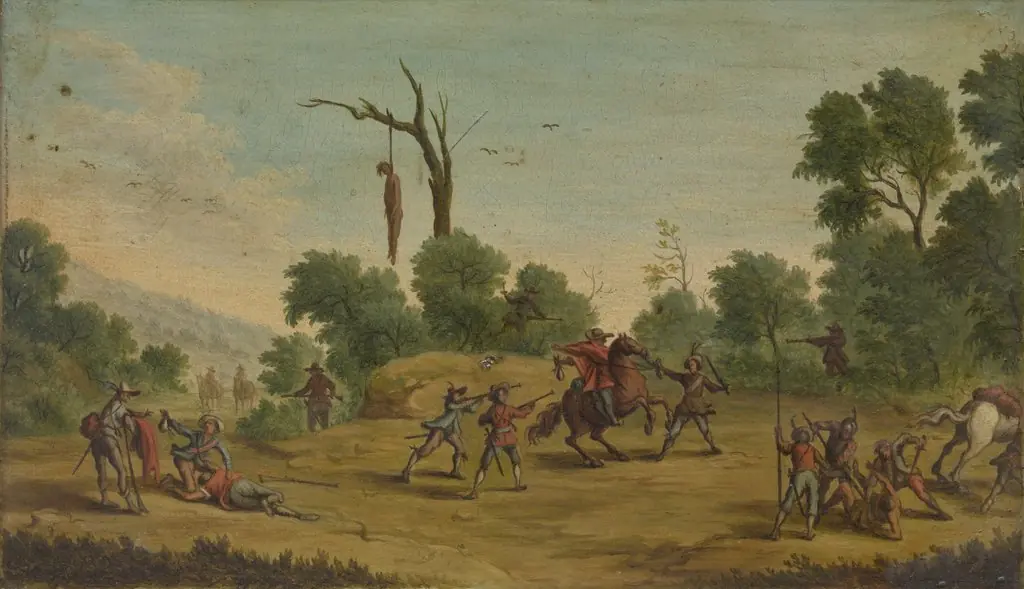 Horsemen Attacked by Robbers
 HOW WILL A COVERED PART BE CORRECTED?HOW WIKA A COVERED HEART DEED CORRECTED?
![Christ Walking on the Water [second plate], by Jacques Callot](https://artifactworldgallery.com/img/jacques-callot--christ-walking-on-the-water-second-plate--2069f3bfe4cb2126-w320.webp) Christ Walking on the Water [second plate]
Christ Walking on the Water [second plate]