Artwork
Il Capitano, or L'Innamorato
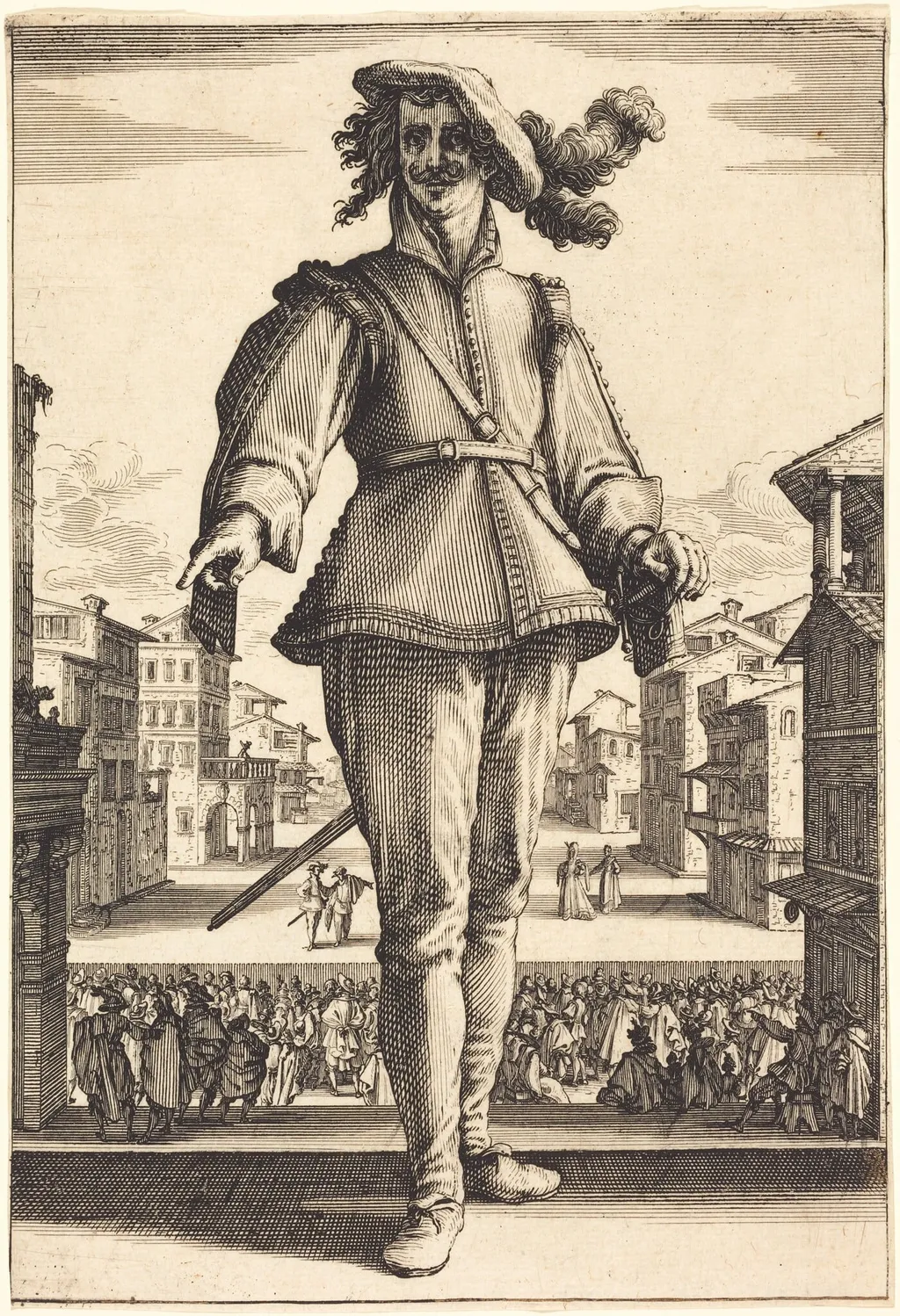
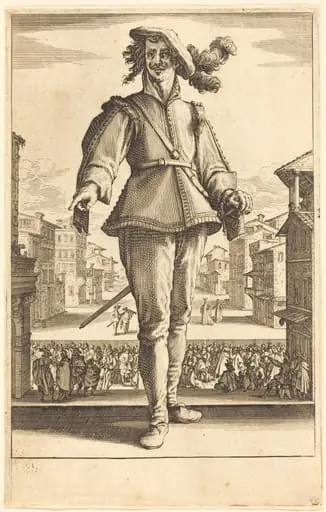
Il Capitano, or L'Innamorato is an ink print by the Baroque artist Jacques Callot. It dates from 1619 and is held in the collection of the National Gallery of Art.
About this work
Overview
Created in 1619, *Il Capitano, or L'Innamorato* is an etching and engraving executed on laid paper by Jacques Callot, a French baroque printmaker from the Duchy of Lorraine. The work belongs to Callot’s extensive print output, which exceeds fourteen hundred impressions, and reflects his interest in theatrical and military subjects rendered with precise detail.
Subject & Meaning
The composition centers on a solitary soldier dressed in an ornate, exaggerated costume. He stands with one hand on his hip and the other gripping a feathered hat, a pose that emphasizes confidence and theatricality. Flanking the figure are two miniature street scenes populated by onlookers, suggesting a public spectacle or a commentary on the performative aspects of military rank.
Technique & Style
Callot combined drypoint engraving with acid etching, allowing him to achieve both fine line work and rich tonal variation on the laid paper support. The contrast between the large, boldly rendered central figure and the densely detailed background streets demonstrates his skill in manipulating scale to guide the viewer’s attention, a hallmark of his baroque visual language.
History & Provenance
The print emerged during Callot’s most productive period, when he was documenting contemporary customs, social types, and military life across Europe. While the original ownership records are scarce, the work has been cited in several 17th‑century print collections and continues to appear in scholarly catalogues of Callot’s oeuvre.
Context
*Il Capitano* aligns with Callot’s broader series that explore figures such as clowns, beggars, and courtly characters, situating the soldier within a theatrical tradition that blurs the line between reality and performance. The architectural elements in the background—simple windows and balconies—reflect the everyday urban settings that Callot often incorporated to ground his genre scenes.
Legacy
The print exemplifies Callot’s influence on later printmakers, particularly in the use of exaggerated proportions and narrative detail to convey social critique. His technical innovations in etching and engraving set a precedent that resonated throughout the baroque period and informed the development of genre printing in the following century.
Artist & collection
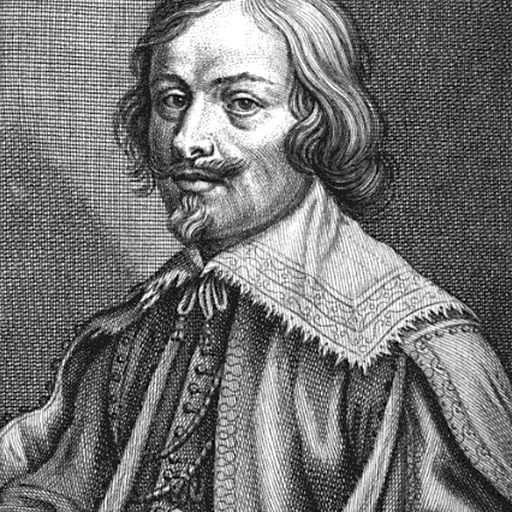
Artist
Jacques Callot was a baroque printmaker and draftsman from the Duchy of Lorraine.

 Holy Family at supper
 Restoration of the Aqueduct at Pisa
 Restoration of the Aqueduct at Pisa
 Square in Paris with Many Figures
 Square in Paris with Many Figures
 Horsemen Attacked by Robbers
 HOW WILL A COVERED PART BE CORRECTED?HOW WIKA A COVERED HEART DEED CORRECTED?
![Christ Walking on the Water [second plate], by Jacques Callot](https://artifactworldgallery.com/img/jacques-callot--christ-walking-on-the-water-second-plate--2069f3bfe4cb2126-w320.webp) Christ Walking on the Water [second plate]
Christ Walking on the Water [second plate]
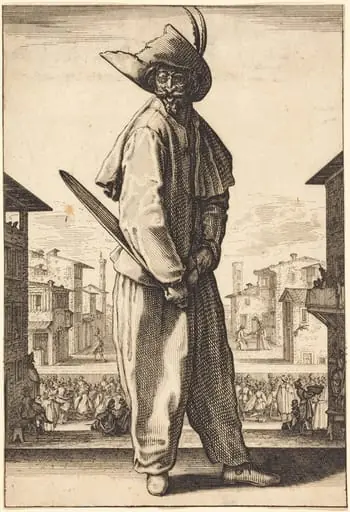 Zanni
Zanni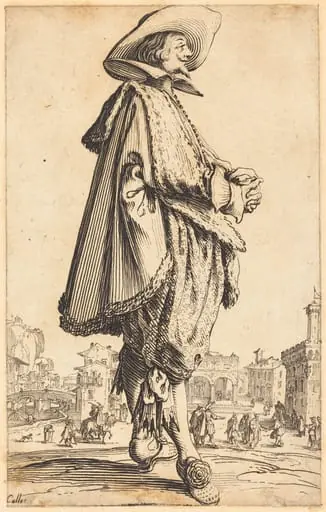 Noble Man with Folded Hands
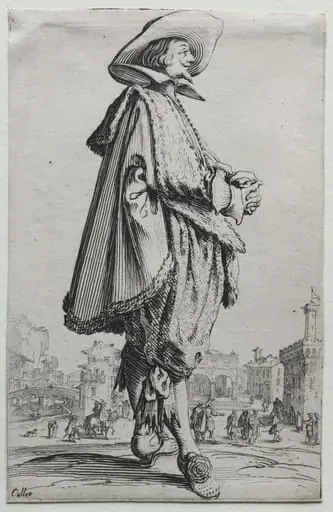 La Noblesse: Gentleman Standing in Profile with Clasped Hands
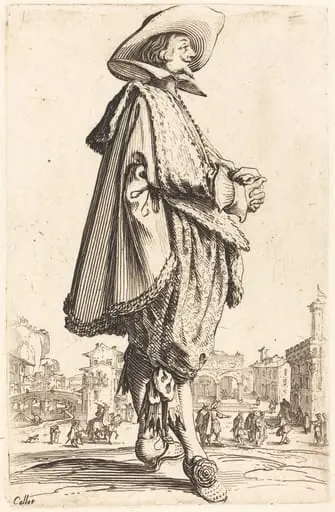 Noble Man with Folded Hands
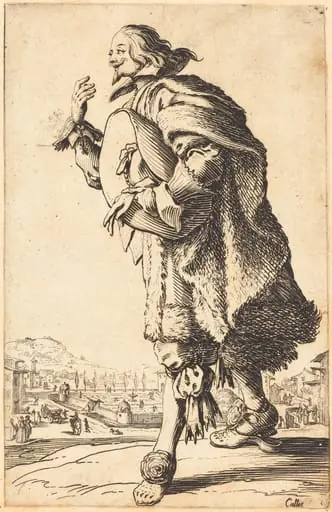 Noble Man with Felt Hat, Bowing
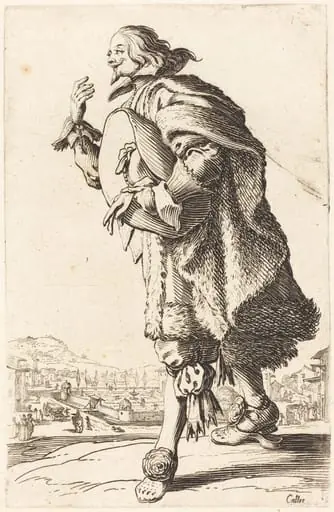 Noble Man with Felt Hat, Bowing
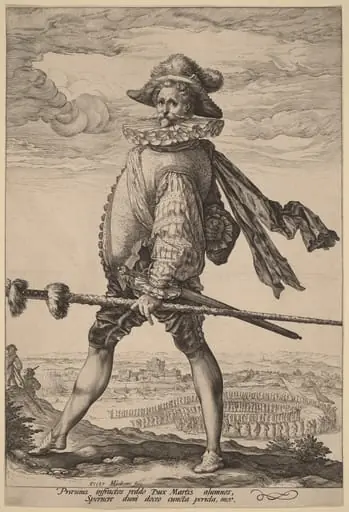 The Captain of the Infantry
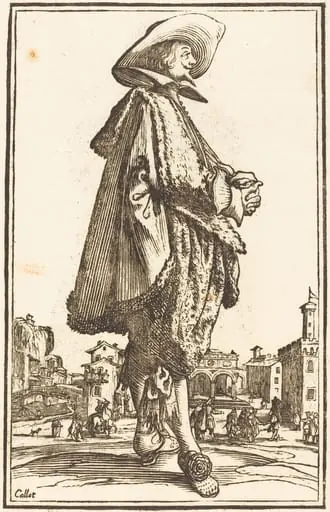 Noble Man with Folded Hands
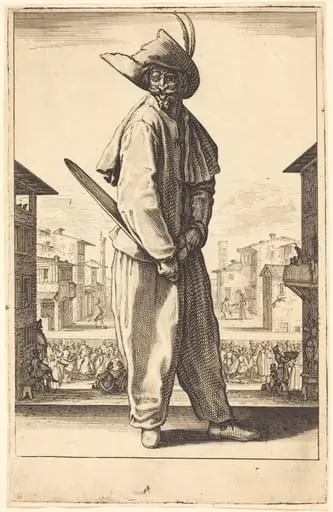 Zanni
Zanni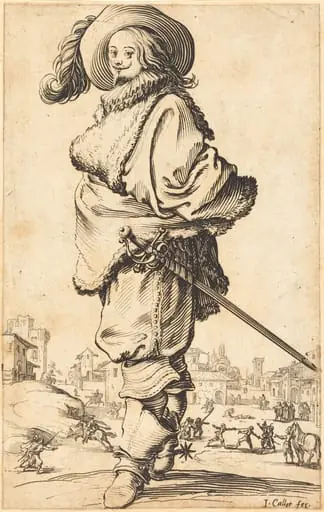 Noble Man with Fur Plastron
 Pantalone
 Il Capitano, or L'Innamorato