Artwork
Il Capitano, or L'Innamorato
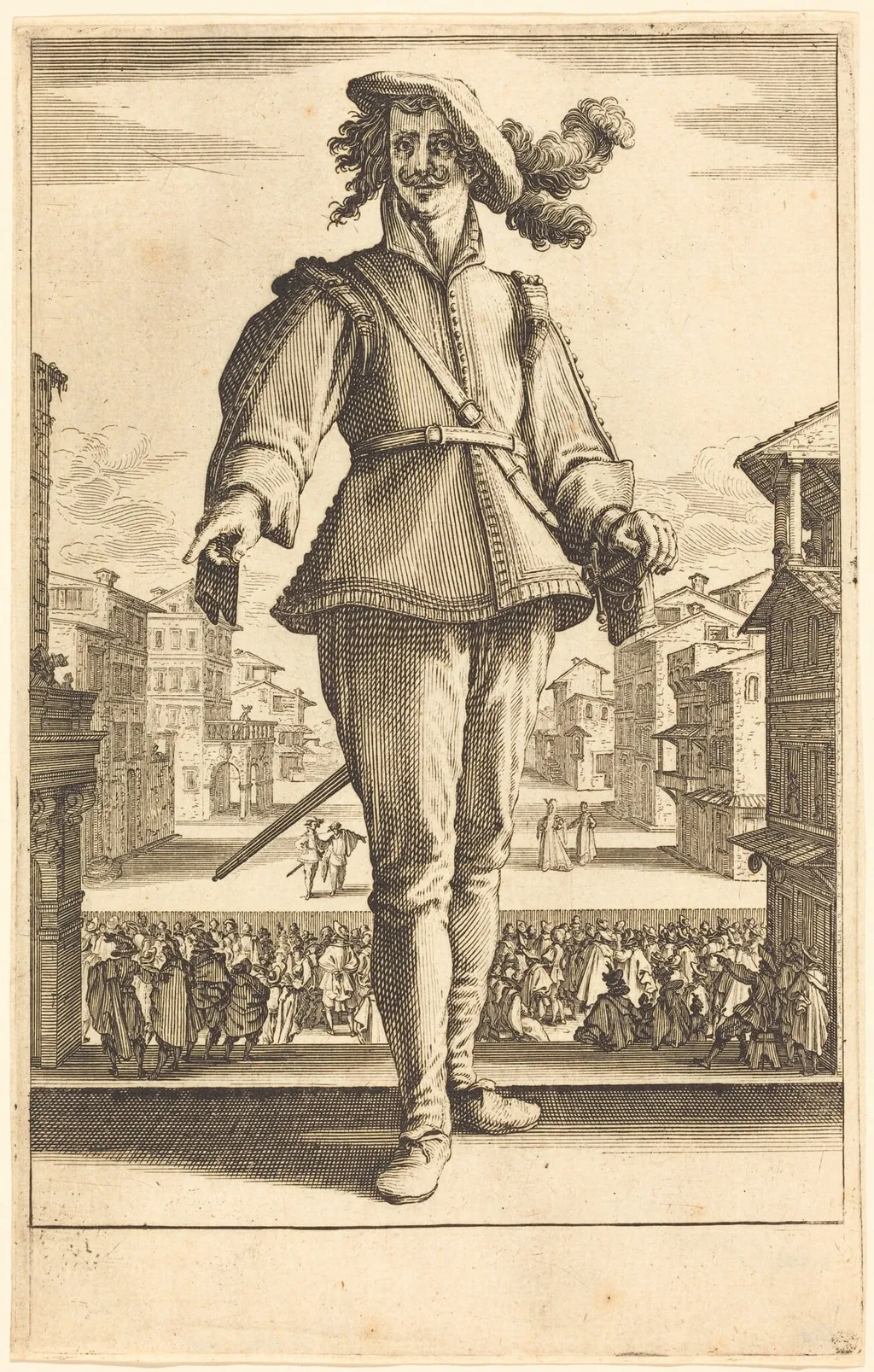
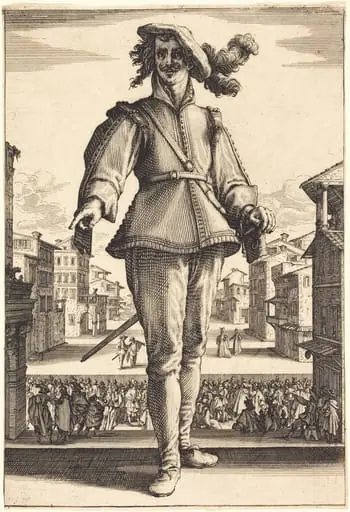
Il Capitano, or L'Innamorato is an ink print by the Baroque artist Jacques Callot. It dates from 1619 and is held in the collection of the National Gallery of Art.
About this work
Overview
Jacques Callot’s 1619 etching and engraving, titled *Il Capitano* or *L'Innamorato*, portrays a flamboyant military figure in a theatrical pose.
Jacques Callot’s 1619 etching and engraving, titled *Il Capitano* or *L'Innamorato*, portrays a flamboyant military figure in a theatrical pose. Created on laid paper, the work belongs to a larger series documenting the social types of early 17th-century Europe. Callot, a draftsman from the Duchy of Lorraine, used precise line work to capture the absurdities and rituals of contemporary life, blending observation with satire through the medium of printmaking.
Subject & Meaning
The central figure, dressed in an oversized coat and plumed hat, holds a feather and a stick—symbols that juxtapose vanity and authority. His exaggerated stature and rigid posture suggest a caricature of military bravado, possibly mocking the pretensions of mercenaries. Behind him, two small vignettes depict everyday scenes: pedestrians in a courtyard and an audience before a stage. These background elements frame the figure as both actor and spectacle, reinforcing themes of performance and social role-playing.
Technique & Style
Callot employed fine etching and engraving to achieve remarkable detail in the figure’s costume and the architectural backdrop. His mastery of line allowed for crisp textures in fabric, stone, and foliage, while the shallow depth of field directs attention to the central character. The crowded, low-roofed buildings and tiny figures in the distance create a sense of urban density, enhancing the theatricality of the scene through contrast and scale.
History & Provenance
Produced in 1619 during Callot’s time in Florence, the print was part of a series that circulated widely among collectors and artists. His prints were prized for their technical innovation and social commentary, influencing later generations of printmakers. While the original ownership history of this specific impression is undocumented, similar works from the series appear in major European collections, attesting to their early and sustained reception.
Context
Callot worked amid the turmoil of the Thirty Years’ War, a period marked by the proliferation of mercenary soldiers and the rise of public spectacle. His depictions of soldiers, clowns, and courtiers reflected the instability and performative nature of social roles during this era. The figure of the *Capitano* drew from the Italian *commedia dell’arte*, blending real military figures with theatrical archetypes to critique the blurring of truth and role in public life.
Legacy
Callot’s technical refinements in etching—particularly his use of multiple biting stages to achieve tonal variation—elevated printmaking as a serious artistic medium. His series of character studies, including *Il Capitano*, became foundational references for later artists exploring satire and social types. The work’s influence extended into 18th-century caricature and the development of narrative print cycles in European art.
Artist & collection
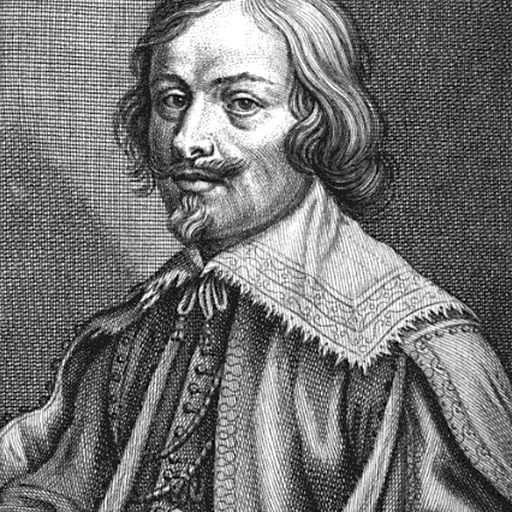
Artist
Jacques Callot was a baroque printmaker and draftsman from the Duchy of Lorraine.

 Holy Family at supper
 Restoration of the Aqueduct at Pisa
 Restoration of the Aqueduct at Pisa
 Square in Paris with Many Figures
 Square in Paris with Many Figures
 Horsemen Attacked by Robbers
 HOW WILL A COVERED PART BE CORRECTED?HOW WIKA A COVERED HEART DEED CORRECTED?
![Christ Walking on the Water [second plate], by Jacques Callot](https://artifactworldgallery.com/img/jacques-callot--christ-walking-on-the-water-second-plate--2069f3bfe4cb2126-w320.webp) Christ Walking on the Water [second plate]
Christ Walking on the Water [second plate]
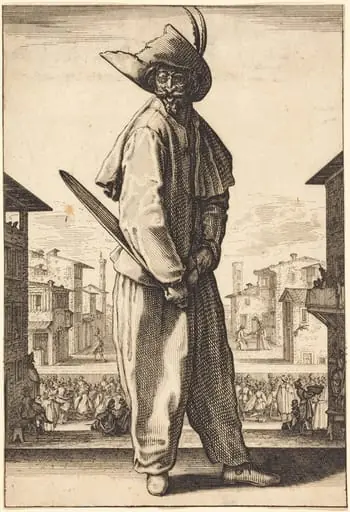 Zanni
Zanni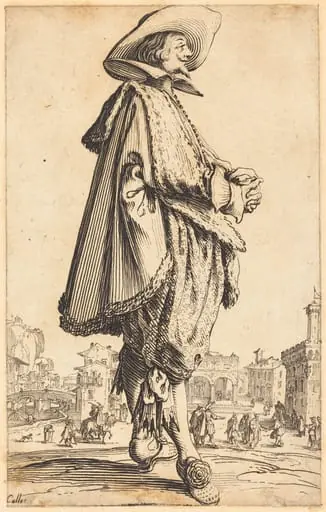 Noble Man with Folded Hands
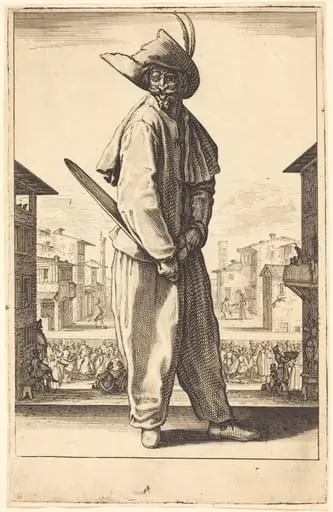 Zanni
Zanni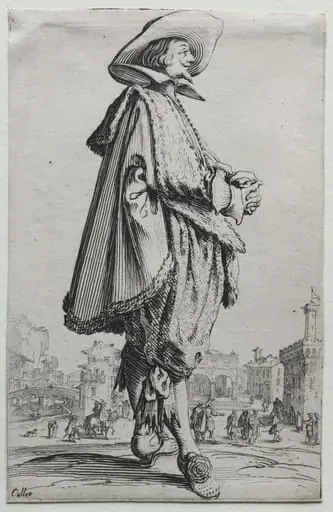 La Noblesse: Gentleman Standing in Profile with Clasped Hands
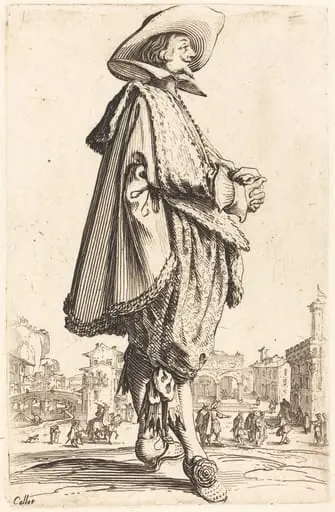 Noble Man with Folded Hands
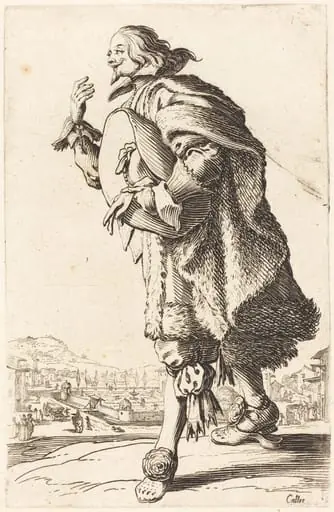 Noble Man with Felt Hat, Bowing
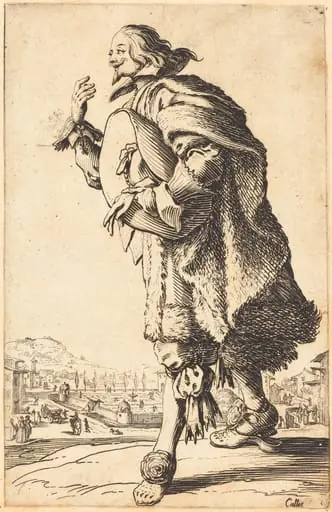 Noble Man with Felt Hat, Bowing
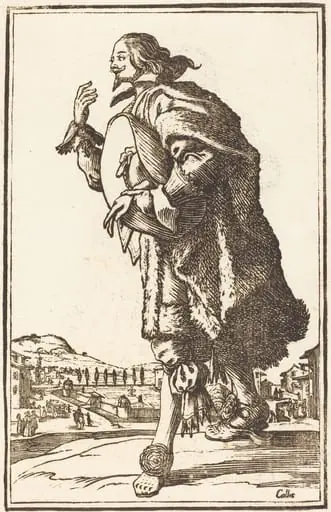 Noble Man with Felt Hat, Bowing
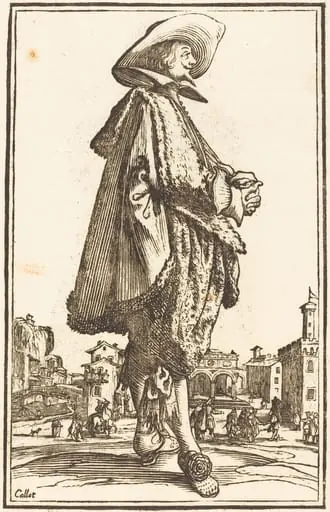 Noble Man with Folded Hands
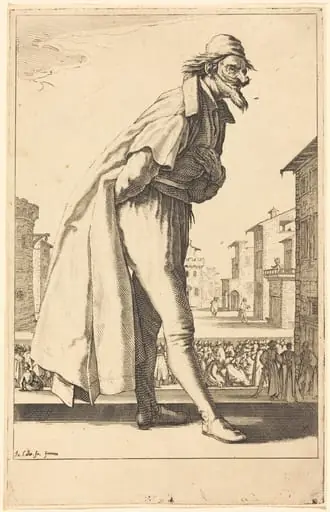 Pantalone
 Noble Man with Fur Plastron
 Il Capitano, or L'Innamorato