Artwork
Lady with Plumed Hat, and Two Gentlemen
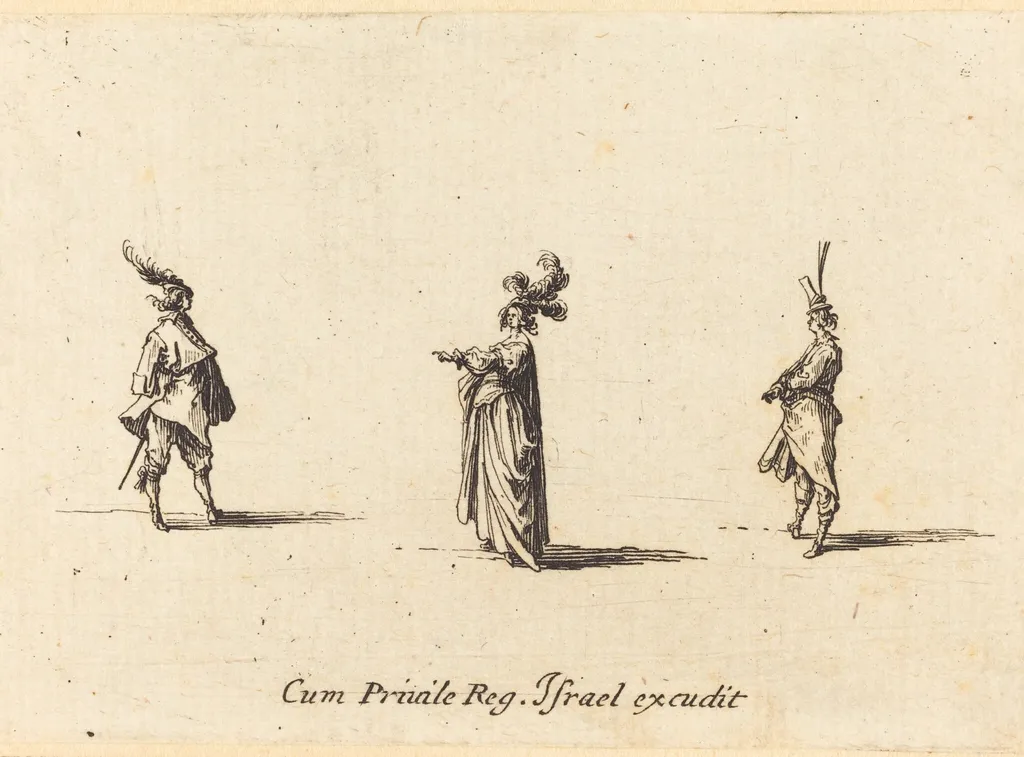
Lady with Plumed Hat, and Two Gentlemen is an ink print by the Baroque artist Jacques Callot. It dates from 1634 and is held in the collection of the National Gallery of Art.
About this work
Overview
Callot’s technique relies on incised lines on a metal plate, transferred to paper via inked impression, yielding fine, controlled detail against a light ground.
Created around 1634 by Jacques Callot, this etching on laid paper depicts a woman flanked by two men in elaborate 17th-century attire. As one of over 1,400 prints produced by the Lorrainer artist, the work exemplifies his focus on social observation through printmaking. Callot’s technique relies on incised lines on a metal plate, transferred to paper via inked impression, yielding fine, controlled detail against a light ground.
Subject & Meaning
The central figure, a woman adorned with a plumed hat and holding a small object likely a fan, is framed by two men in tall hats and flowing garments. Their postures suggest a moment of pause in a public setting, possibly a courtly promenade. The composition emphasizes social ritual and costume, reflecting Callot’s interest in the performative aspects of elite behavior, without overt narrative or moral judgment.
Technique & Style
Callot employed etching to achieve precise, linear detail, using acid to bite into a wax-coated copper plate. The resulting lines define fabric folds, feather textures, and facial expressions with clarity. His style favors atmospheric depth through dense hatching and careful spacing, distinguishing figures against a sparse background. The medium’s capacity for fine gradation allowed him to render both costume and demeanor with subtle realism.
History & Provenance
The print emerged during Callot’s mature period in Nancy, following years of work in Florence and Paris. While its early ownership is undocumented, it aligns with a broader corpus of his genre scenes circulated among collectors and artists in early modern Europe. Its survival in multiple institutional collections suggests steady recognition of its technical and observational value.
Context
In the 1630s, etching flourished as a medium for documenting social life beyond religious or mythological themes. Callot’s work responded to growing interest in visual records of fashion, class, and public behavior. This print fits within a European trend of capturing everyday elegance, paralleling developments in Dutch genre painting and French court portraiture of the era.
Legacy
Callot’s prints, including this one, influenced later generations of printmakers through their precision and social insight. His ability to convey character and costume in small-scale works helped elevate etching from a reproductive tool to a vehicle for independent artistic expression. The work remains a reference for studies of early modern dress and visual culture.
Artist & collection
Artist
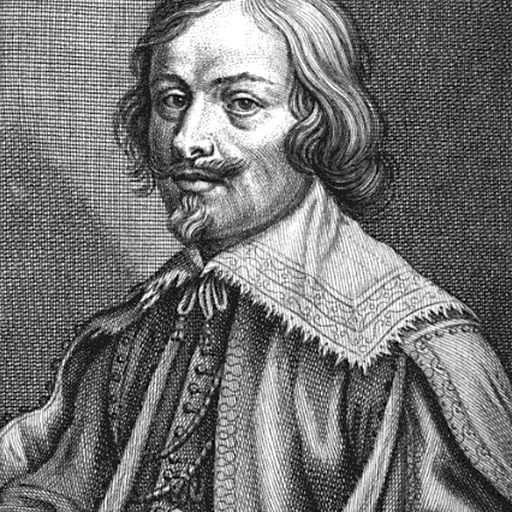
Jacques Callot was a baroque printmaker and draftsman from the Duchy of Lorraine.

 Holy Family at supper
 Restoration of the Aqueduct at Pisa
 Restoration of the Aqueduct at Pisa
 Square in Paris with Many Figures
 Square in Paris with Many Figures
 Horsemen Attacked by Robbers
 HOW WILL A COVERED PART BE CORRECTED?HOW WIKA A COVERED HEART DEED CORRECTED?
![Christ Walking on the Water [second plate], by Jacques Callot](https://artifactworldgallery.com/img/jacques-callot--christ-walking-on-the-water-second-plate--2069f3bfe4cb2126-w320.webp) Christ Walking on the Water [second plate]
Christ Walking on the Water [second plate]
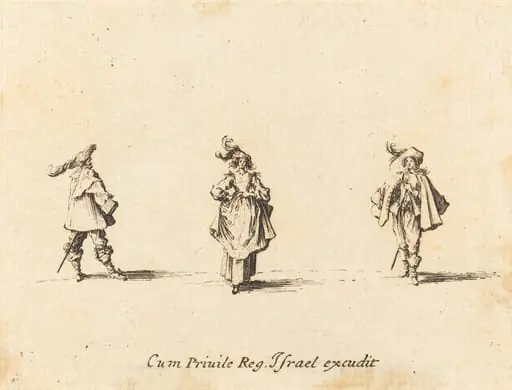 Lady with Plumes, and Two Gentlemen
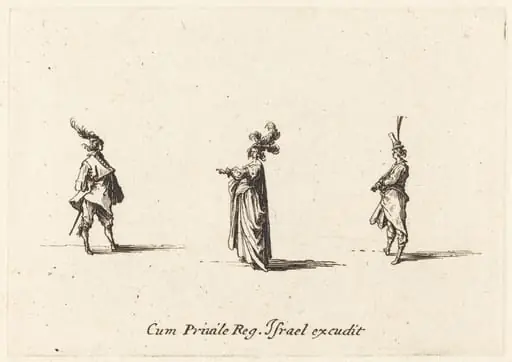 Lady with Plumed Hat, and Two Gentlemen
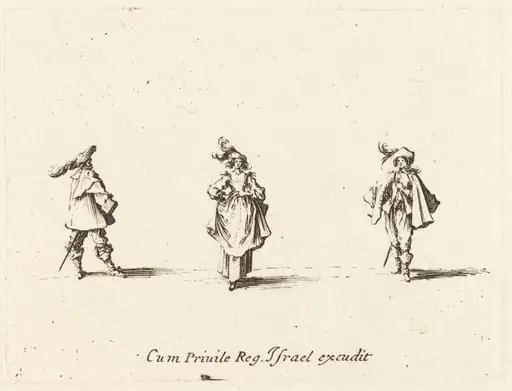 Lady with Plumes, and Two Gentlemen
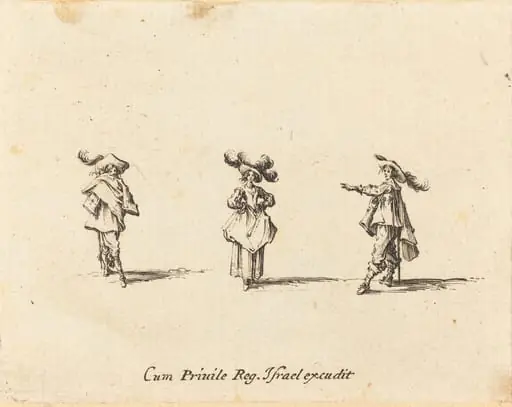 Lady with Large Plumes, and Two Gentlemen
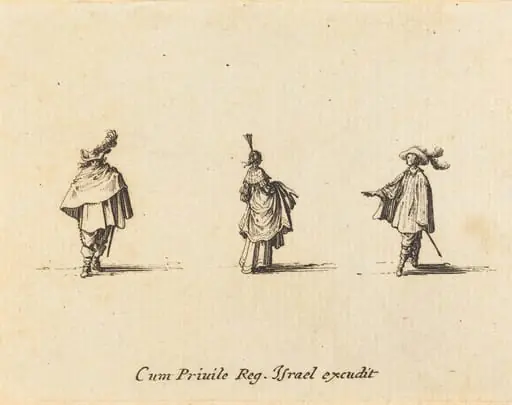 Lady with Dress Gathered Up, and Two Gentlemen
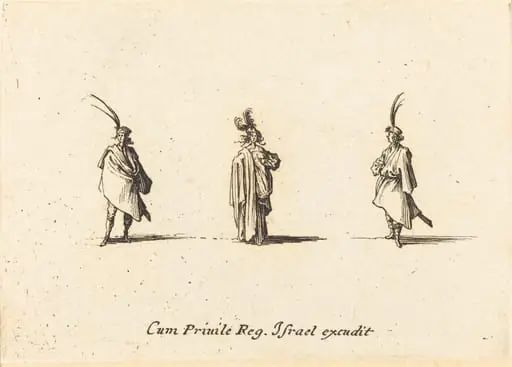 Lady in Long Cloak, and Two Gentlemen
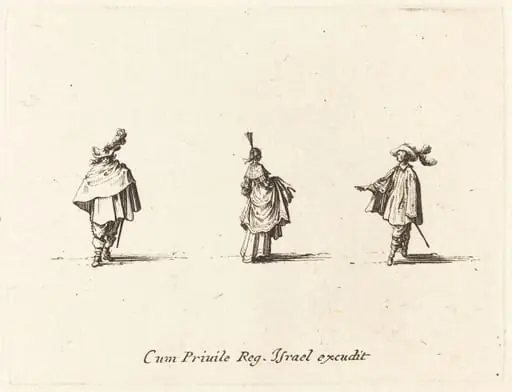 Lady with Dress Gathered Up, and Two Gentlemen
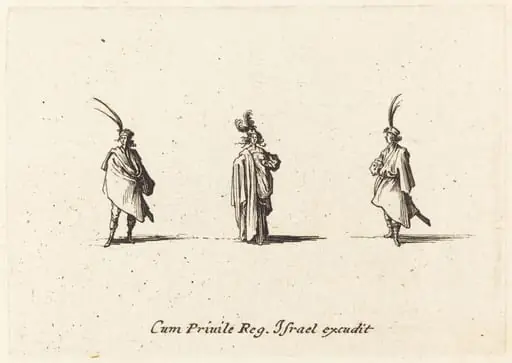 Lady in Long Cloak, and Two Gentlemen
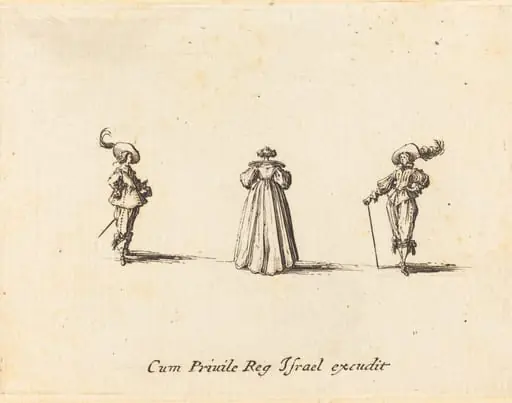 Lady Seen from Behind, and Two Gentlemen
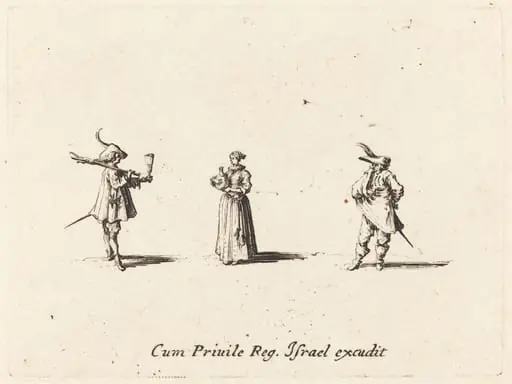 Lady with Wine Bottle, and Two Gentlemen
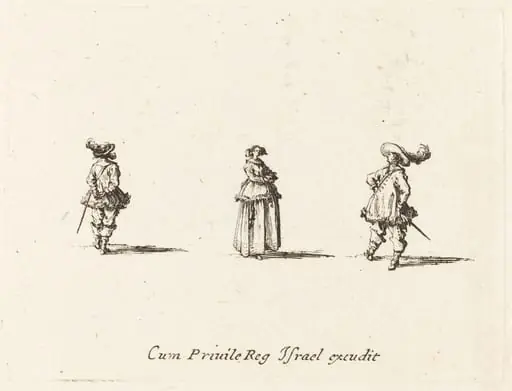 Lady with Arms Folded, and Two Gentlemen
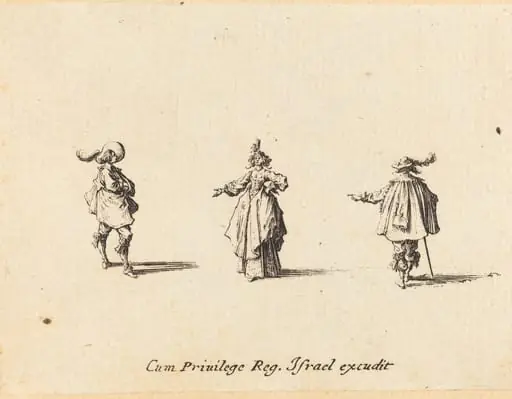 Lady with Outstretched Arm, and Two Gentlemen