Artwork
Louis de Lorraine, Prince of Phalsbourg
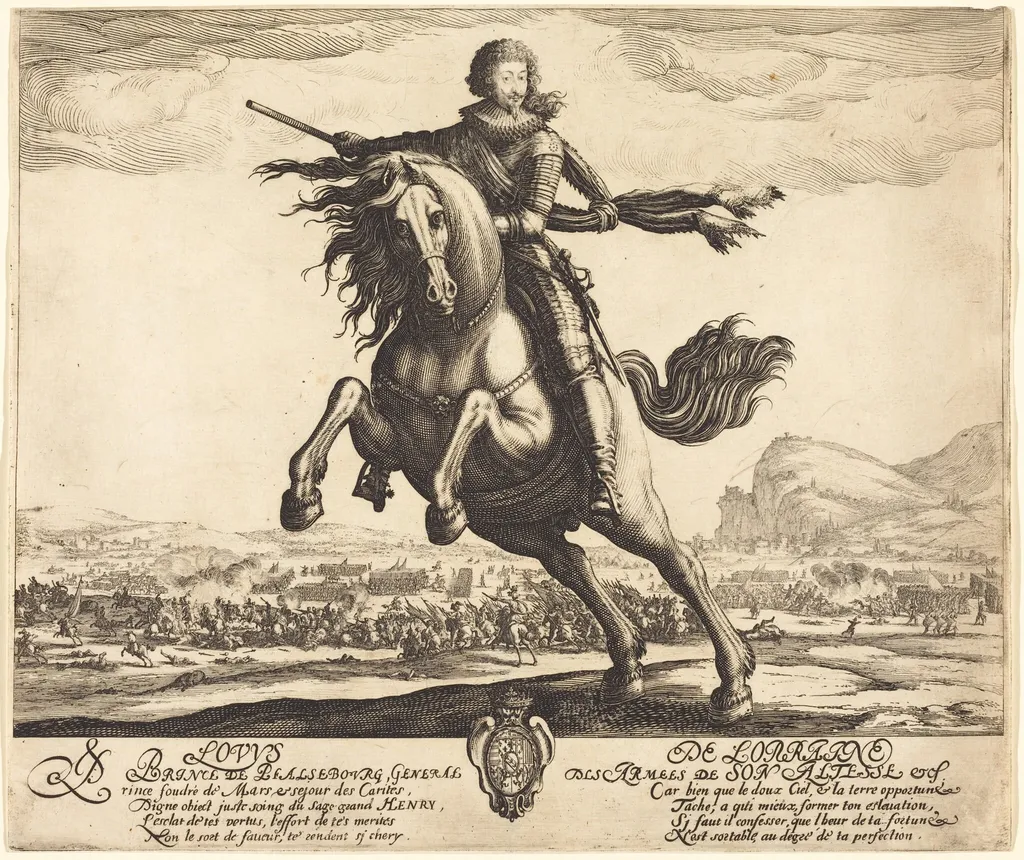
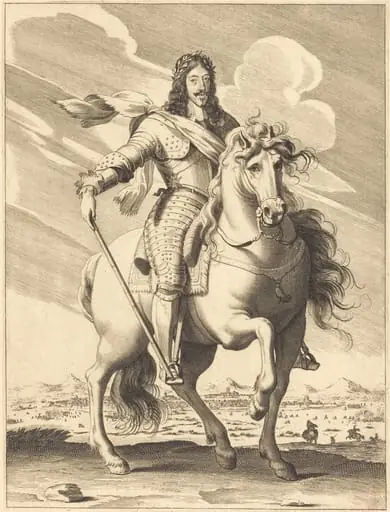
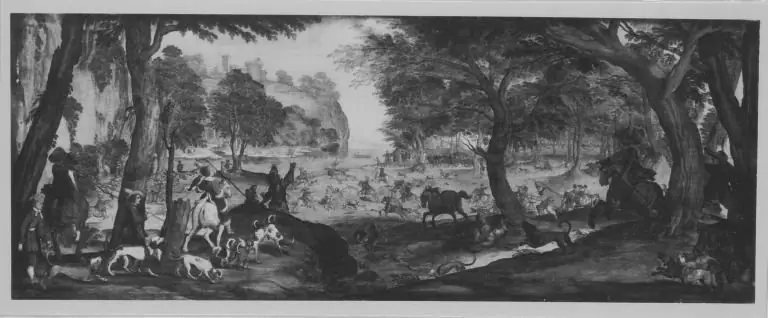
Louis de Lorraine, Prince of Phalsbourg is an ink print by the Baroque artist Jacques Callot. It dates from 1622 and is held in the collection of the National Gallery of Art.
About this work
Overview
The image captures a moment of controlled motion, blending portraiture with equestrian drama in a format typical of early 17th-century printmaking.
Created around 1622, this print by Jacques Callot depicts Louis de Lorraine, Prince of Phalsbourg, on horseback. Executed in etching and engraving on laid paper, it belongs to a prolific body of work by Callot, a native of Lorraine known for his precise draftsmanship and narrative detail. The image captures a moment of controlled motion, blending portraiture with equestrian drama in a format typical of early 17th-century printmaking.
Subject & Meaning
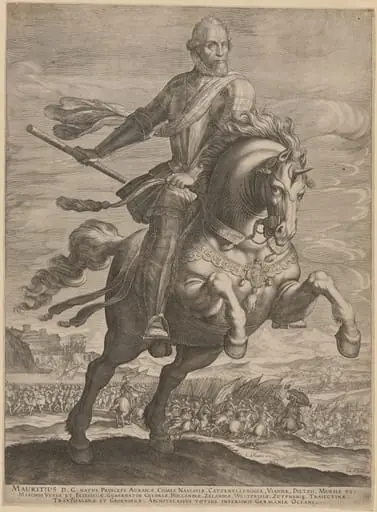
Louis de Lorraine, a nobleman of the House of Guise, is portrayed in full armor, gripping reins and wielding a sword as his horse rears. The pose suggests authority and martial readiness, aligning with the aristocratic ideals of the time. The composition avoids overt symbolism, instead emphasizing presence and composure. The setting, though not a specific location, reinforces his status through the implied scale of the landscape behind him.
Technique & Style
Callot employed fine etched lines and controlled engraving to render texture in armor, horsehair, and terrain. The background features delicate hatching to suggest distance and atmospheric depth, while contrast between light and shadow enhances the dynamism of the rearing horse. His technique reflects mastery of the etching needle, allowing for both precision and expressive gradations without the bulk of heavy ink.
History & Provenance
The print was made during Callot’s mature period, likely commissioned or circulated among Lorraine’s elite. It was produced in Nancy or Paris, centers of print distribution in the early Baroque era. Surviving impressions are held in major European collections, including the Louvre and the British Museum, indicating its early recognition among connoisseurs of graphic art.
Context
In the early 1620s, Lorraine was a contested territory caught between French and Habsburg interests. Noble portraits like this served to affirm lineage and martial virtue amid political instability. Callot’s focus on individual figures within expansive landscapes mirrored broader trends in Northern European printmaking, where personal identity and environmental detail coexisted in service of social documentation.
Legacy
Callot’s prints influenced generations of engravers through their technical refinement and observational clarity. This portrait, though not widely reproduced in public discourse, remains a key example of how printmaking could convey aristocratic presence with nuance. Its legacy lies in its quiet authority — a testament to the medium’s capacity for dignified representation beyond grand historical narratives.
Artist & collection
Artist
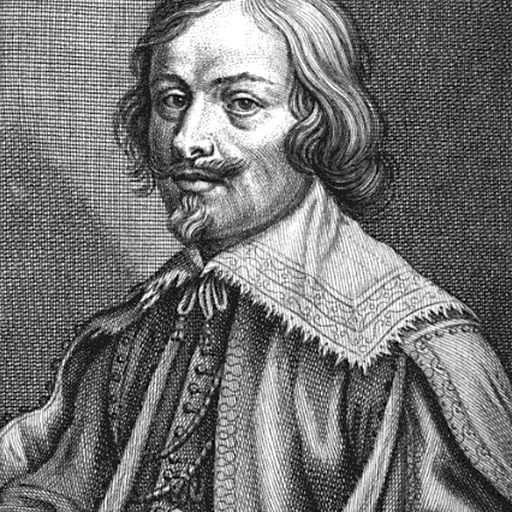
Jacques Callot was a baroque printmaker and draftsman from the Duchy of Lorraine.

 Holy Family at supper
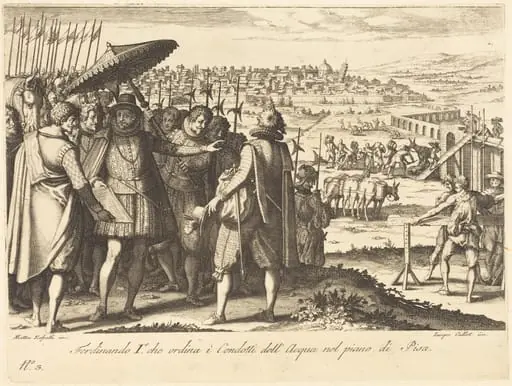 Restoration of the Aqueduct at Pisa
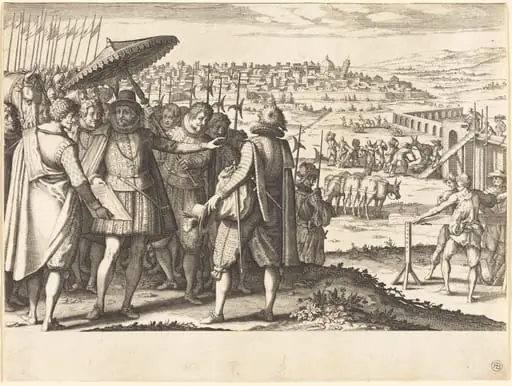 Restoration of the Aqueduct at Pisa
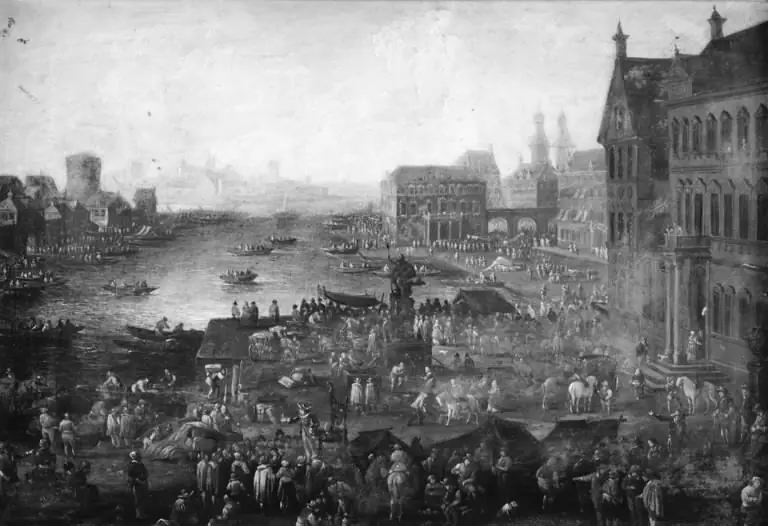 Square in Paris with Many Figures
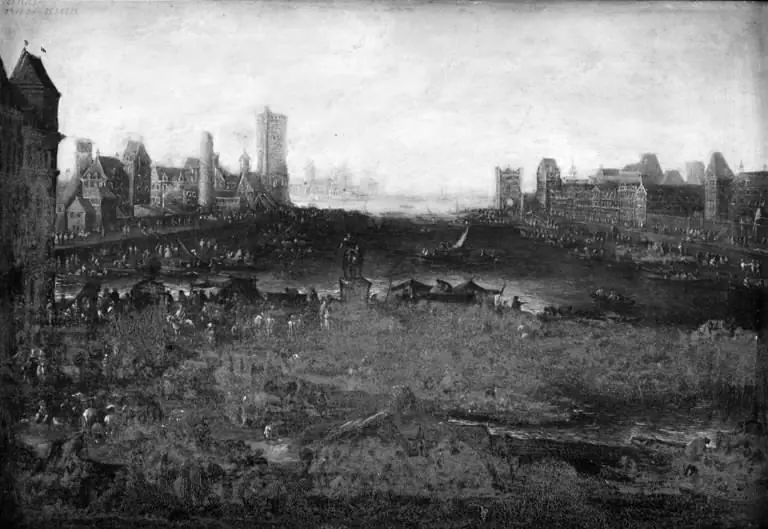 Square in Paris with Many Figures
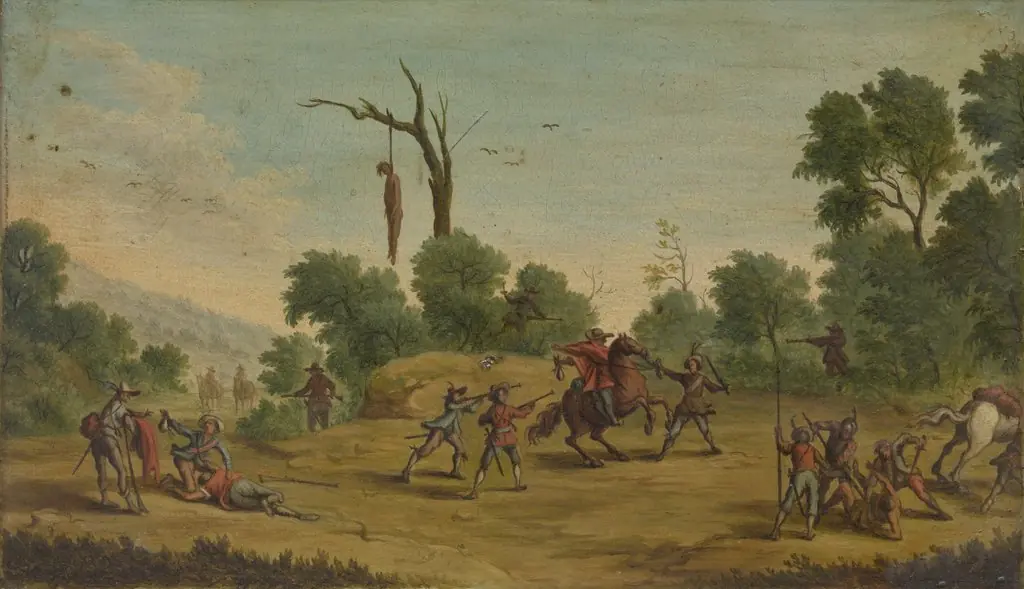 Horsemen Attacked by Robbers
 HOW WILL A COVERED PART BE CORRECTED?HOW WIKA A COVERED HEART DEED CORRECTED?
![Christ Walking on the Water [second plate], by Jacques Callot](https://artifactworldgallery.com/img/jacques-callot--christ-walking-on-the-water-second-plate--2069f3bfe4cb2126-w320.webp) Christ Walking on the Water [second plate]
Christ Walking on the Water [second plate]