Artwork
The Triumph of the Virgin
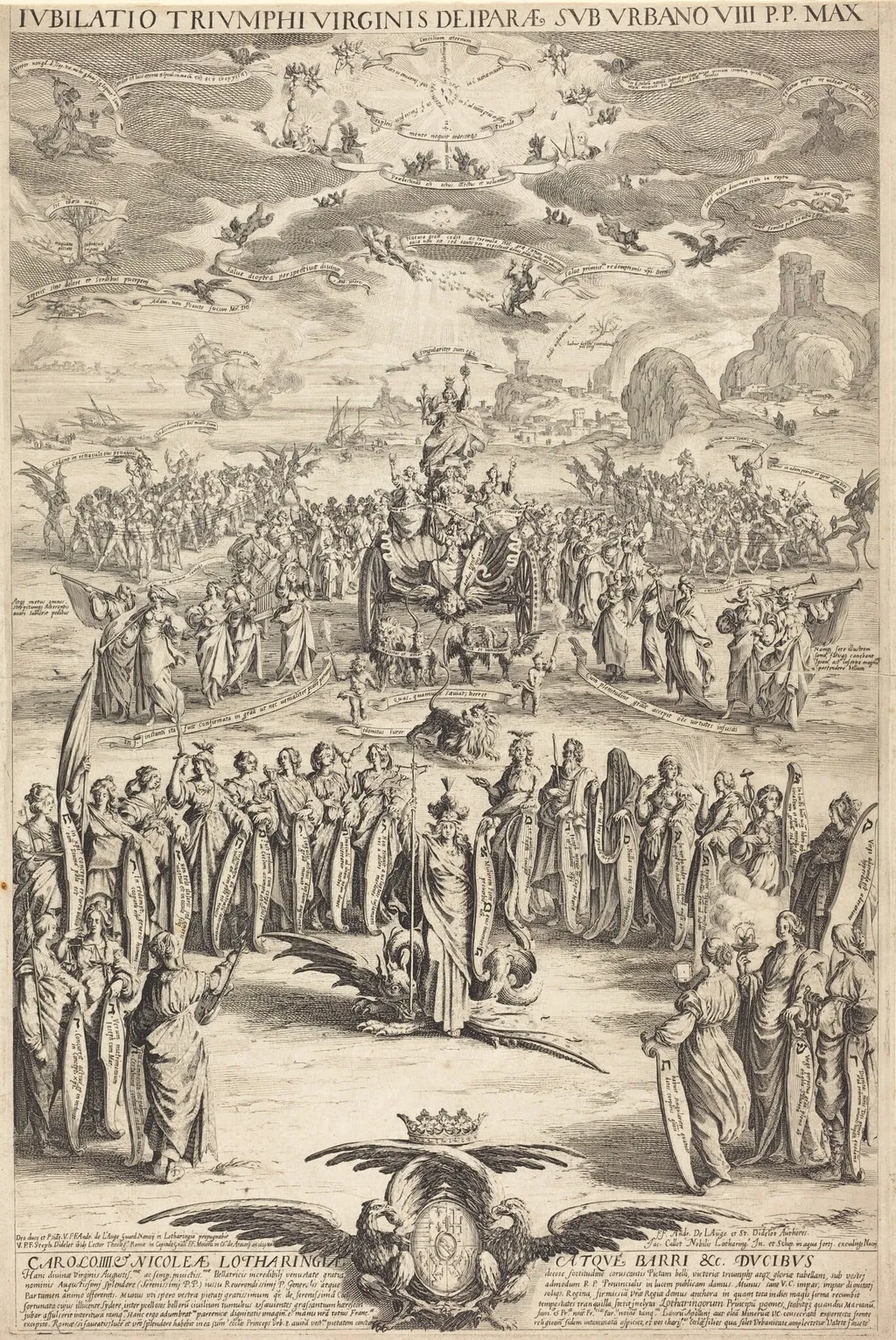
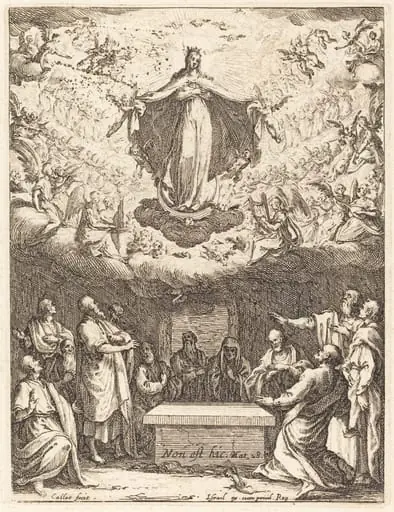
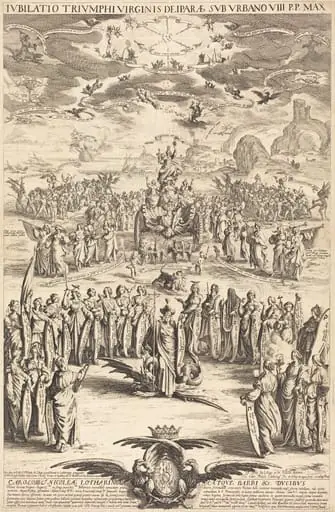
The Triumph of the Virgin is an ink print by the Baroque artist Jacques Callot. It dates from 1625 and is held in the collection of the National Gallery of Art.
About this work
Overview
Created in 1625 by Jacques Callot, this print combines etching and engraving on laid paper to depict a complex religious allegory.
Created in 1625 by Jacques Callot, this print combines etching and engraving on laid paper to depict a complex religious allegory. As one of over 1,400 prints in his career, it exemplifies Callot’s technical discipline and narrative ambition. The composition is densely populated with figures and symbols, arranged with careful spatial logic despite its visual complexity. Its production reflects the printmaker’s role in disseminating religious imagery during the Counter-Reformation.
Subject & Meaning
The central figure is the Virgin Mary, depicted in triumphal procession atop a chariot drawn by dragons, symbolizing her victory over earthly and spiritual adversaries. Surrounding her are angels, soldiers, and devotees, each group representing different facets of devotion or conflict. Below, heraldic elements and Latin inscriptions reinforce her divine authority. The scene merges celestial glory with earthly turmoil, presenting Mary as both intercessor and sovereign of heaven.
Technique & Style
Callot employed fine etched lines and precise engraving to render minute details across the entire surface. Shading is achieved through controlled cross-hatching, lending volume to figures and architecture. The paper’s laid texture subtly enhances the tonal range. Despite the crowded composition, each element remains legible due to the artist’s disciplined line work and hierarchical scaling, guiding the viewer’s eye through layers of narrative.
History & Provenance
The print was produced in Nancy, where Callot maintained a workshop after returning from Florence and Rome. It was likely made for private collectors or ecclesiastical patrons interested in devotional imagery. No early ownership records are widely documented, but its survival in multiple institutional collections suggests it was circulated and valued within early modern print networks across Catholic Europe.
Context
Produced during the Thirty Years’ War, the image resonated with a Europe torn by religious conflict. Callot’s depiction of the Virgin’s triumph offered a visual counterpoint to contemporary violence, aligning with Counter-Reformation efforts to reaffirm Marian devotion. His fusion of courtly pageantry and spiritual symbolism mirrored the era’s blending of sacred and secular authority in public imagery.
Legacy
Callot’s technical innovations in etching influenced generations of printmakers, particularly in their ability to render intricate narratives on a small scale. While *The Triumph of the Virgin* is not among his most frequently reproduced works, it remains a key example of his capacity to merge theological symbolism with meticulous draftsmanship. It stands as a testament to the print’s role as a vehicle for religious expression beyond painting or sculpture.
Artist & collection
Artist
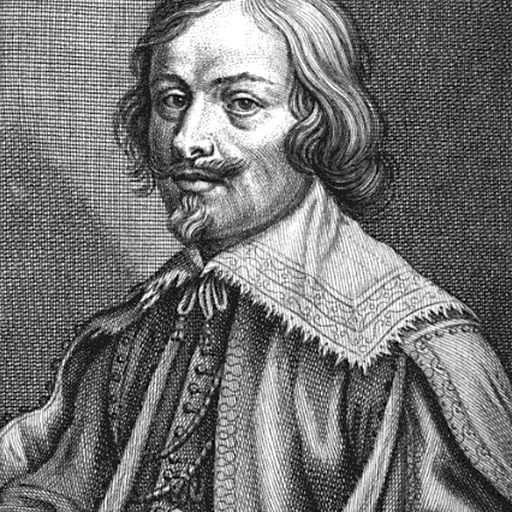
Jacques Callot was a baroque printmaker and draftsman from the Duchy of Lorraine.

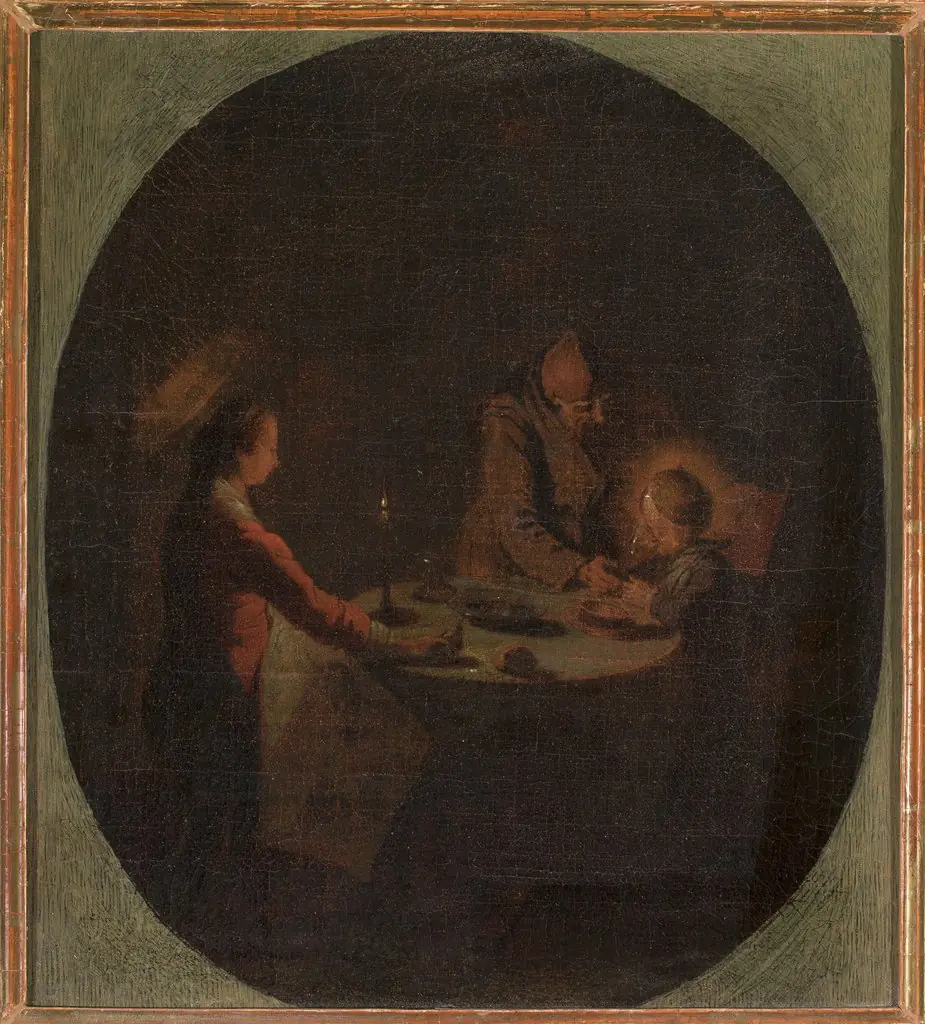 Holy Family at supper
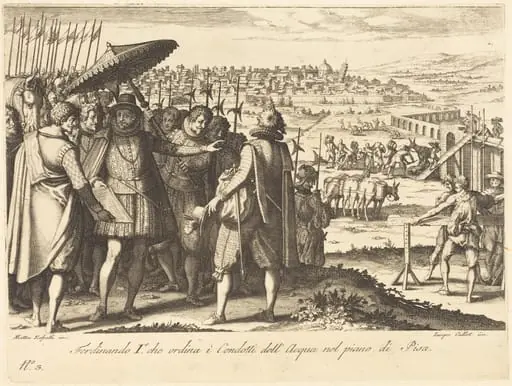 Restoration of the Aqueduct at Pisa
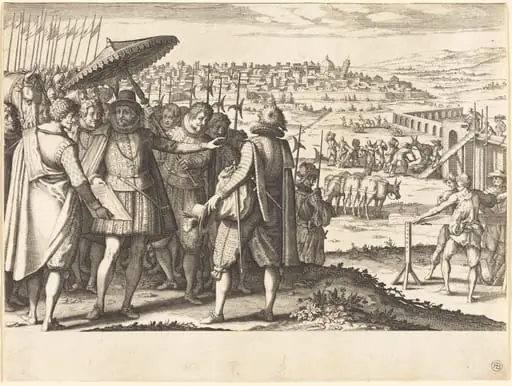 Restoration of the Aqueduct at Pisa
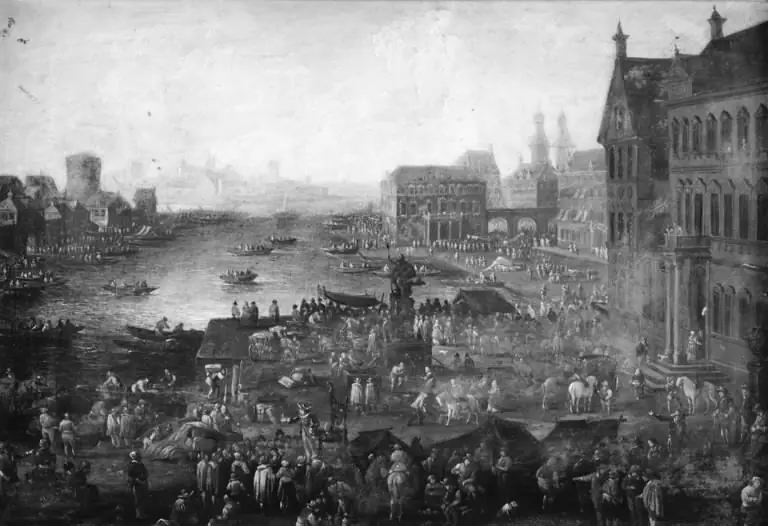 Square in Paris with Many Figures
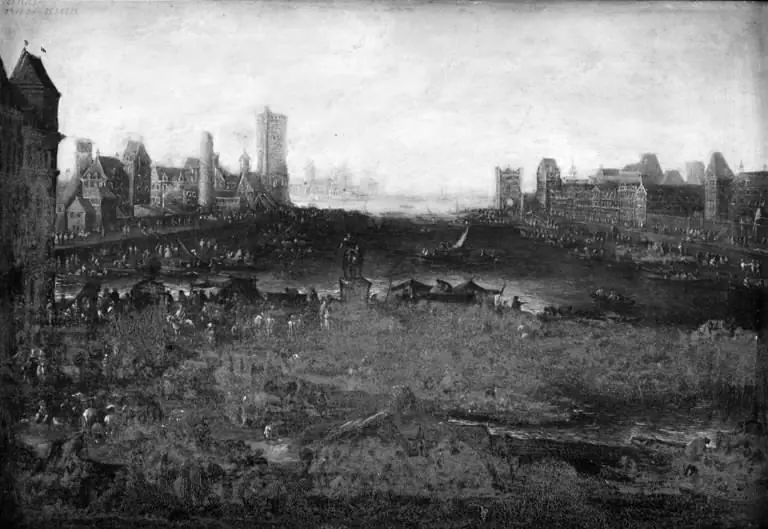 Square in Paris with Many Figures
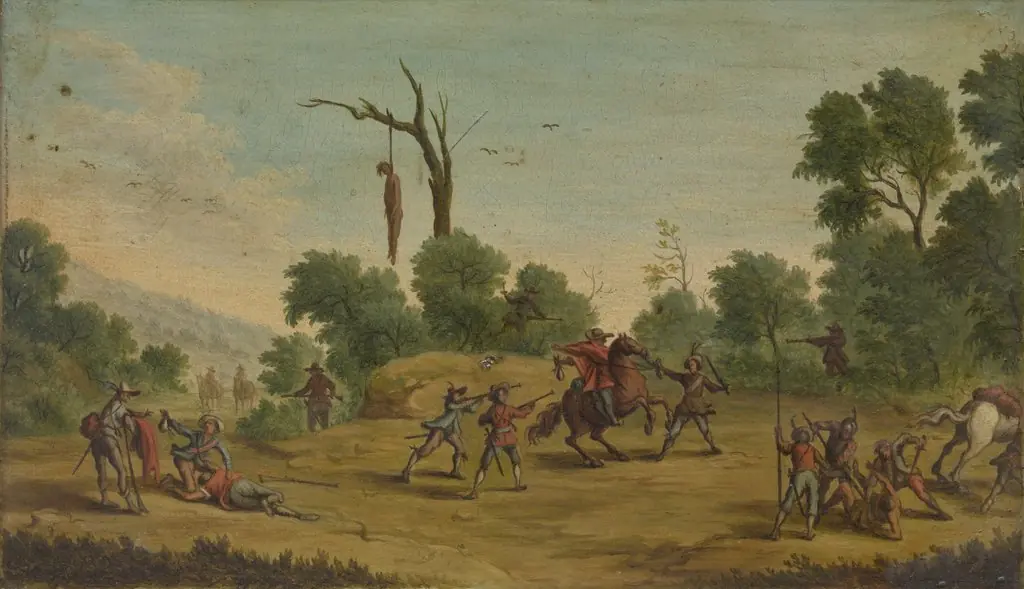 Horsemen Attacked by Robbers
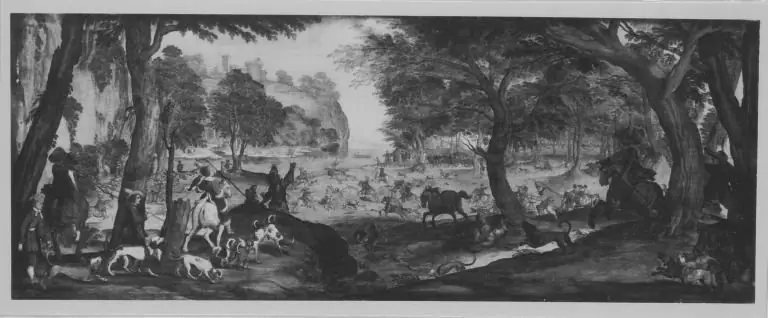 HOW WILL A COVERED PART BE CORRECTED?HOW WIKA A COVERED HEART DEED CORRECTED?
![Christ Walking on the Water [second plate], by Jacques Callot](https://artifactworldgallery.com/img/jacques-callot--christ-walking-on-the-water-second-plate--2069f3bfe4cb2126-w320.webp) Christ Walking on the Water [second plate]
Christ Walking on the Water [second plate]
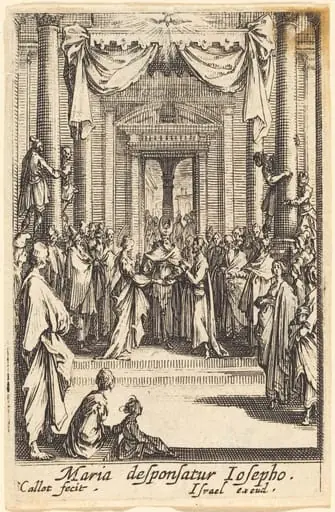 The Marriage of the Virgin
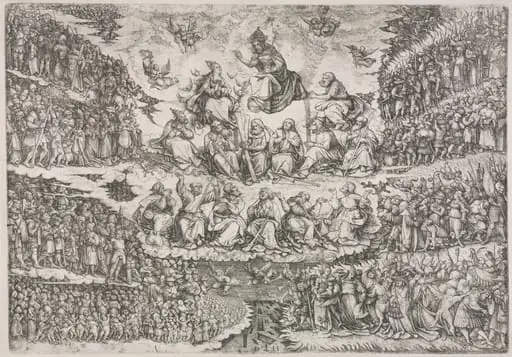 Last Judgment
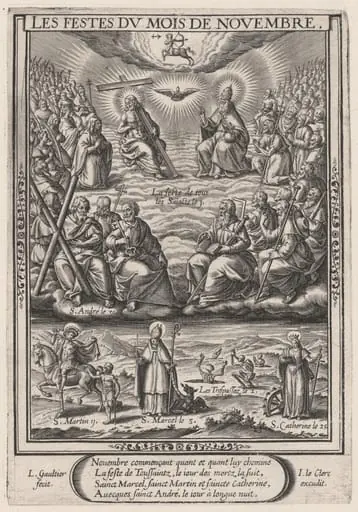 Les Festes du mois de November (November: All Saints)
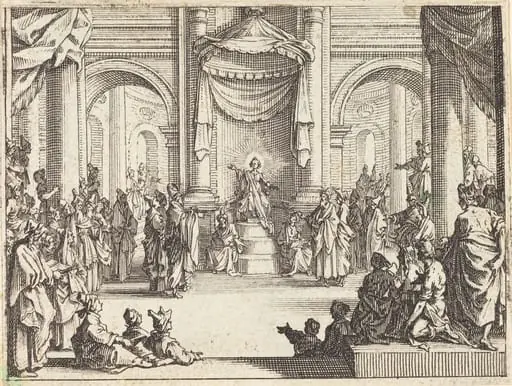 Christ Disputing with the Doctors
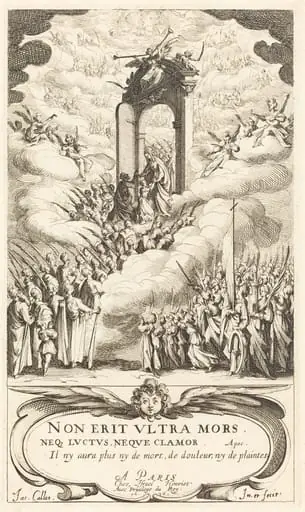 Frontispiece for "The Calendar of Saints"
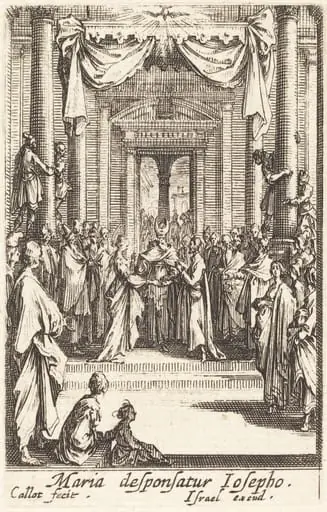 The Marriage of the Virgin
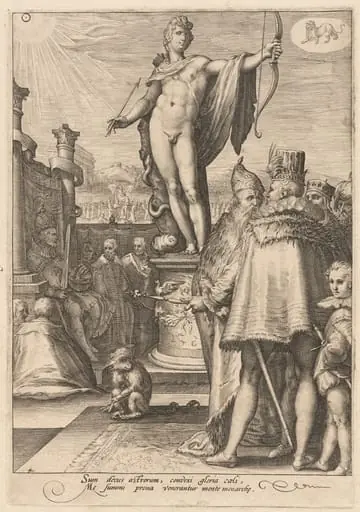 Apollo Presiding Over the Arts of Government
 The Assumption of the Virgin
 Christ Disputing with the Doctors
 Uytrecht Herstelt (The Recapture of Utrecht, 1673)
 Raising of Lazarus with Scenes from the Life of Christ
 The Triumph of the Virgin