Artwork
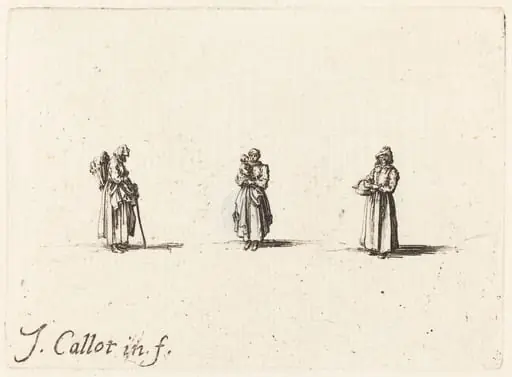
Three Women, One Holding a Child
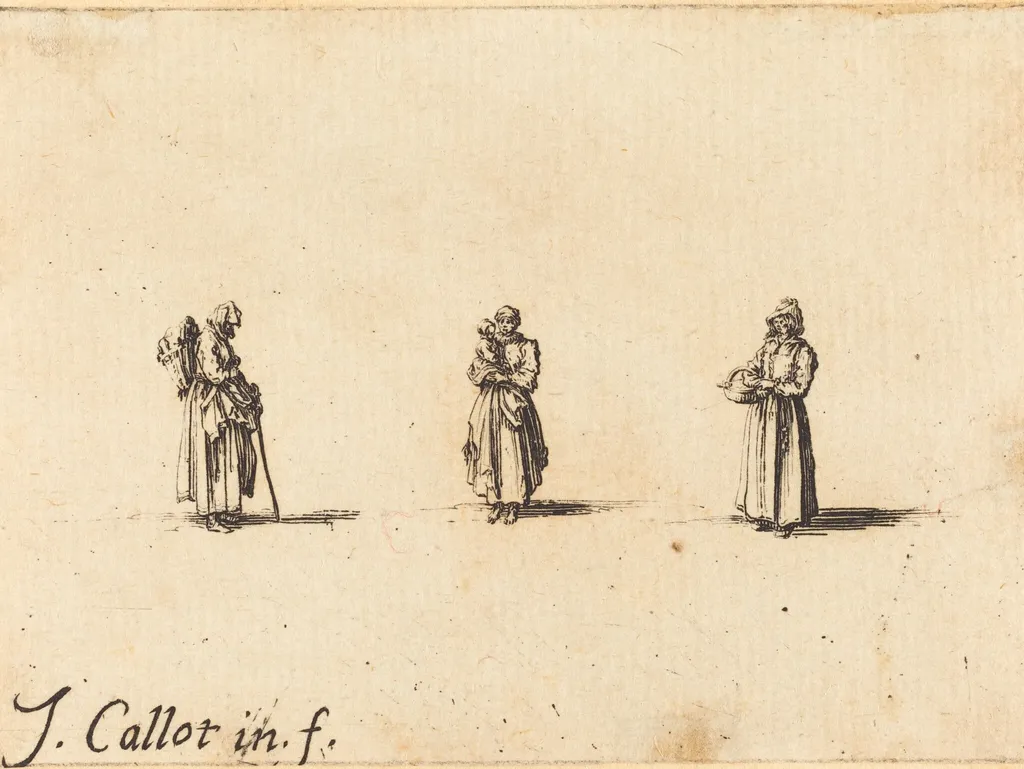
Three Women, One Holding a Child is an ink print by the Baroque artist Jacques Callot. It dates from 1634 and is held in the collection of the National Gallery of Art.
About this work
Overview
Created around 1634 by Jacques Callot, this etching on laid paper captures three women in a quiet, unadorned moment. As one of over 1,400 prints by the Lorrainer artist, the work exemplifies his focus on ordinary life rather than grand narratives. The composition is spare, centered on the figures’ postures and simple attire, with no background detail to distract from their presence.
Subject & Meaning
The three women, each engaged in a domestic task—carrying a bundle, holding a child, and bearing a basket—suggest a moment of shared labor or rest.
The three women, each engaged in a domestic task—carrying a bundle, holding a child, and bearing a basket—suggest a moment of shared labor or rest. Their modest clothing and grounded stances reflect the lives of non-elite women in early 17th-century Europe. The absence of narrative drama or symbolic elements invites contemplation of routine existence, aligning with Callot’s broader interest in unvarnished social observation.
Technique & Style
Callot employed fine, fluid etching lines to suggest form with economy, avoiding heavy shading. The textured laid paper enhances the sketchlike quality, its surface subtly catching ink to soften edges. His hand conveys movement through loose contours rather than precise modeling, emphasizing gesture over detail. This approach reflects his mastery of etching as a medium for rapid, expressive recording.
History & Provenance
The print emerged during Callot’s mature period in Nancy, after years of working in Florence and Paris. While no specific early ownership records are documented, it likely circulated among collectors of Northern European prints. Its survival in good condition suggests it was preserved as part of a broader interest in Callot’s observational works, rather than as a standalone rarity.
Context
In the 1630s, Callot was among the few printmakers consistently portraying common people with dignity. While contemporaries focused on myth or religion, he turned to beggars, soldiers, and laborers. This image fits within a growing European trend toward genre scenes, influenced by Dutch and Flemish art, yet retains a distinctly French sensitivity to quiet, unheroic moments.
Legacy
Callot’s etchings, including this one, influenced later artists interested in social realism and the expressive potential of line. Though not widely exhibited in his lifetime, his prints became reference points for 18th- and 19th-century draftsmen seeking to capture everyday life without idealization. This work remains a quiet testament to his commitment to observing the overlooked.
Artist & collection
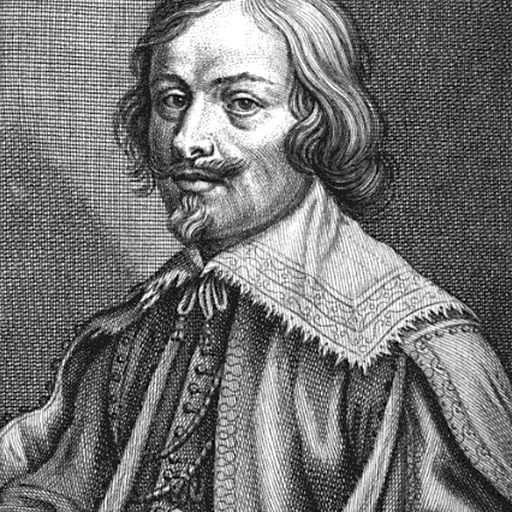
Artist
Jacques Callot was a baroque printmaker and draftsman from the Duchy of Lorraine.

 Holy Family at supper
 Restoration of the Aqueduct at Pisa
 Restoration of the Aqueduct at Pisa
 Square in Paris with Many Figures
 Square in Paris with Many Figures
 Horsemen Attacked by Robbers
 HOW WILL A COVERED PART BE CORRECTED?HOW WIKA A COVERED HEART DEED CORRECTED?
![Christ Walking on the Water [second plate], by Jacques Callot](https://artifactworldgallery.com/img/jacques-callot--christ-walking-on-the-water-second-plate--2069f3bfe4cb2126-w320.webp) Christ Walking on the Water [second plate]
Christ Walking on the Water [second plate]
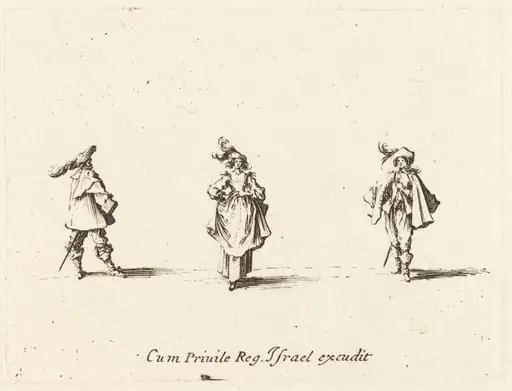 Lady with Plumes, and Two Gentlemen
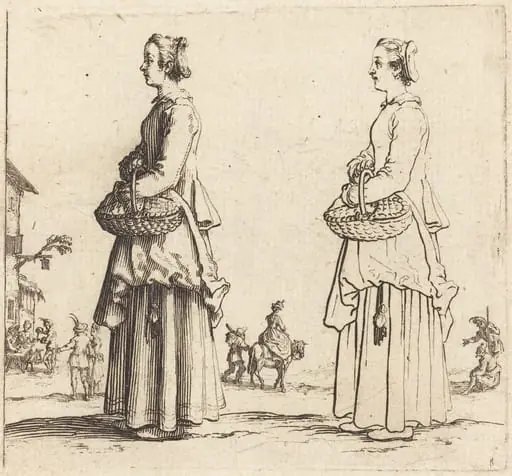 Peasant Woman with Basket, in Profile, Facing Left
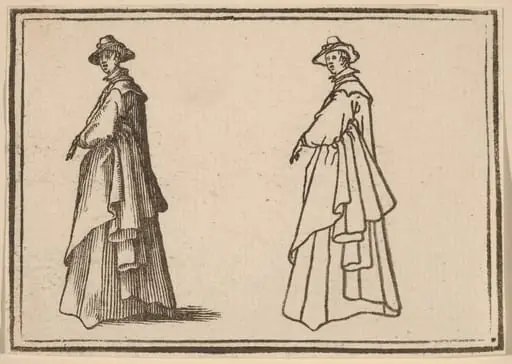 Standing Woman in a Great Coat
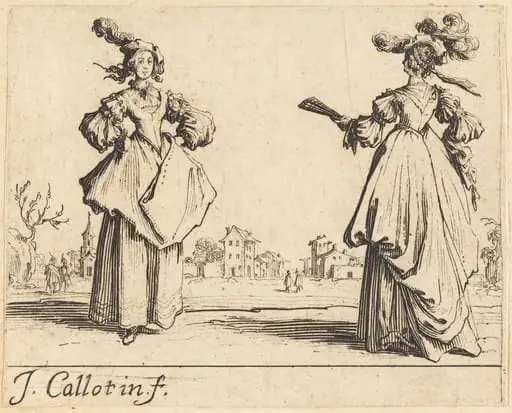 Two Society Women
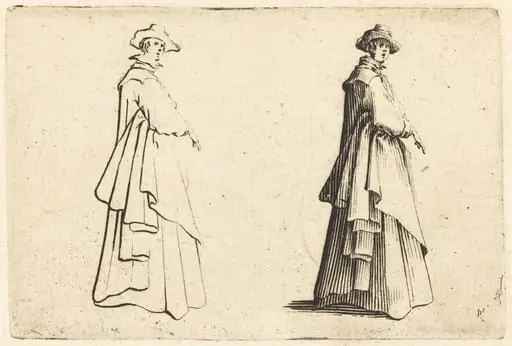 Lady in a Large Coat
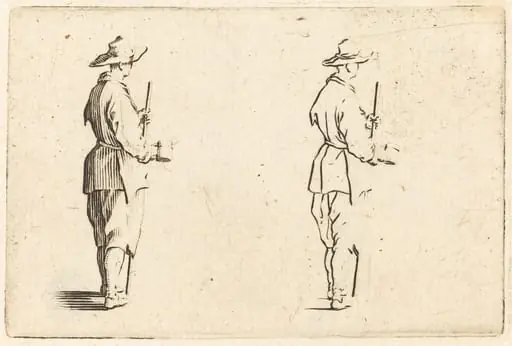 Peasant with a Cup
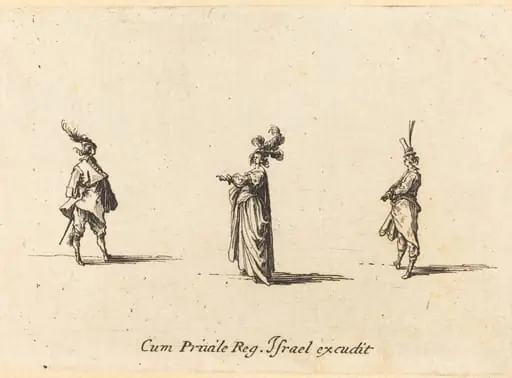 Lady with Plumed Hat, and Two Gentlemen
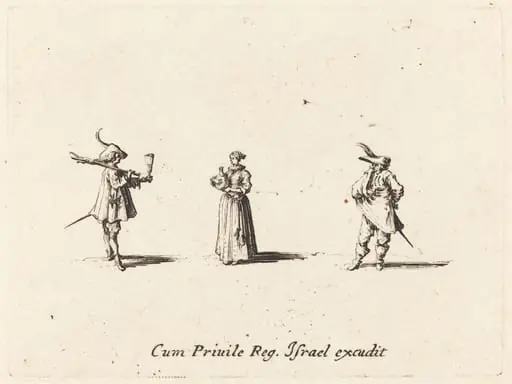 Lady with Wine Bottle, and Two Gentlemen
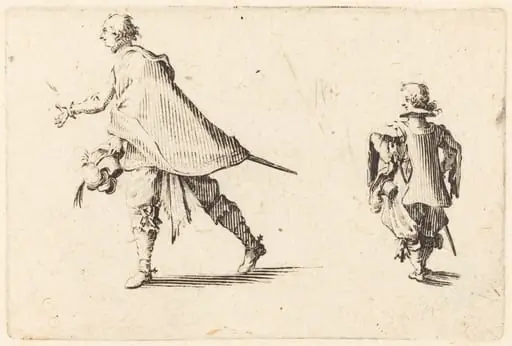 Gentleman and His Page
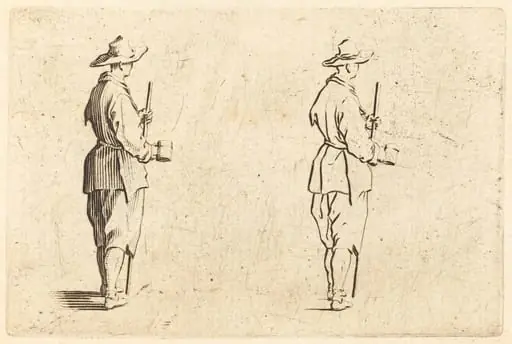 Peasant with a Cup
 Three Women, One Holding a Child
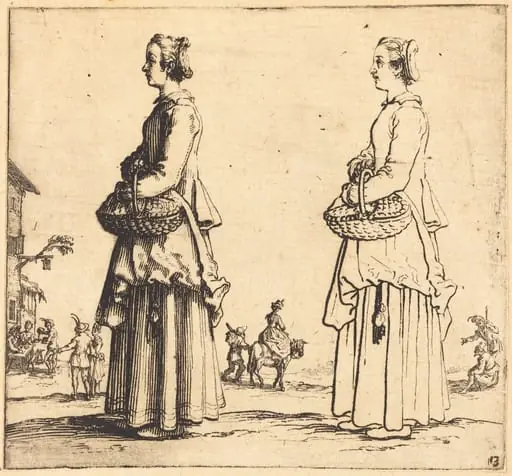 Peasant Woman with Basket, in Profile, Facing Left