Artwork
The Sower
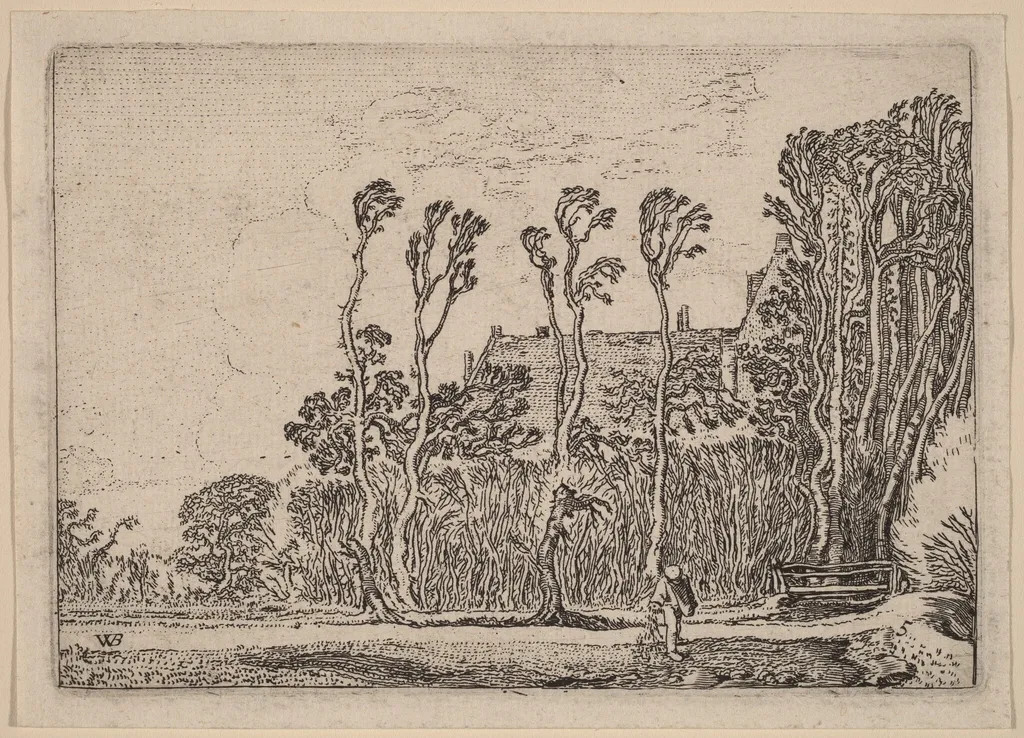
The Sower is an ink print by the Baroque artist Willem Buytewech. It dates from 1621 and is held in the collection of the National Gallery of Art.
About this work
Overview
Willem Buytewech’s 1621 etching titled The Sower presents a solitary figure bent over a cultivated field, distributing seed. Behind the laborer, a line of slender trees rises against a modest hill dotted with a few structures. The composition is rendered in dense, precise lines, with extensive cross‑hatching that models light and shadow across the landscape.
Subject & Meaning
The work captures an everyday agricultural activity, emphasizing the rhythmic act of sowing as a metaphor for renewal and labor. By isolating the sower within an open field, the image underscores the relationship between human effort and the natural environment, suggesting a quiet, contemplative moment in the agrarian cycle.
Technique & Style
Buytewech employed the traditional etching process, incising the design directly into a copper plate with a needle. Ink was applied to the recessed lines, then wiped from the surface, leaving pigment only in the etched grooves. The print was then transferred to paper under pressure, producing the characteristic fine hatching and sharp tonal contrasts evident in the image.
History & Provenance
Created in the early seventeenth century, The Sower reflects the Dutch Republic’s interest in genre scenes that document daily life. While specific ownership records are scarce, the piece is catalogued among Buytewech’s known prints and exemplifies his contribution to the development of Dutch etching during the period.
Artist & collection


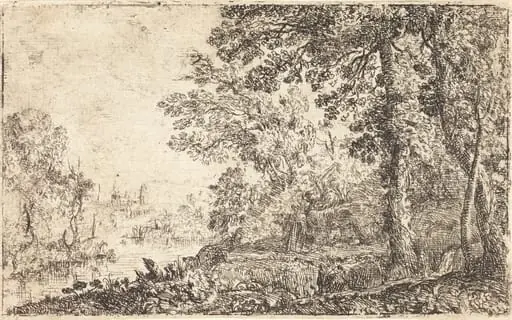 The Vision (L'apparition)
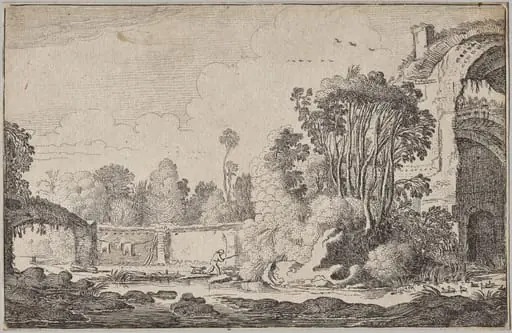 Landscapes, part III: Roman Ruins in Wooded Surroundings
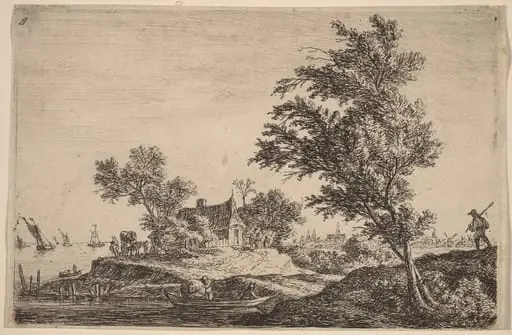 Traveler Passing Two Large Trees
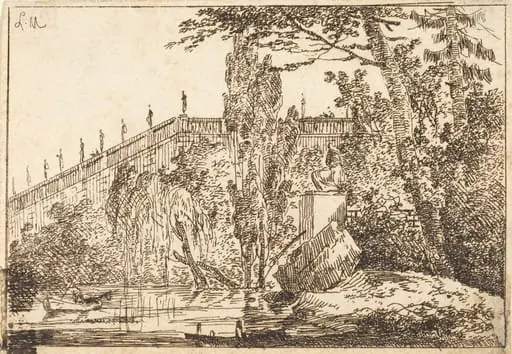 Park with Terrace and a Balustrade with Statues
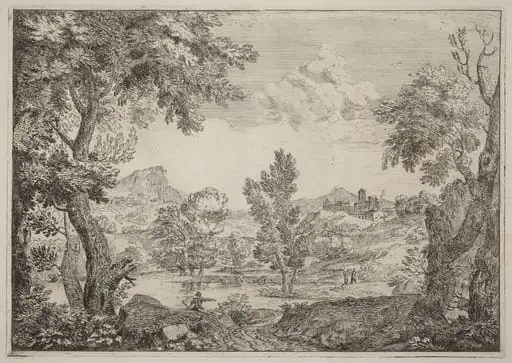 The Stream
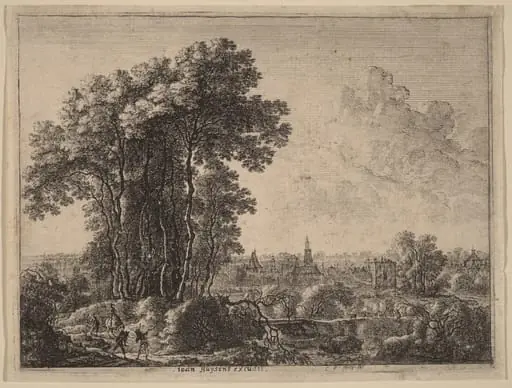 Landscape with Horseman and Three Travelers
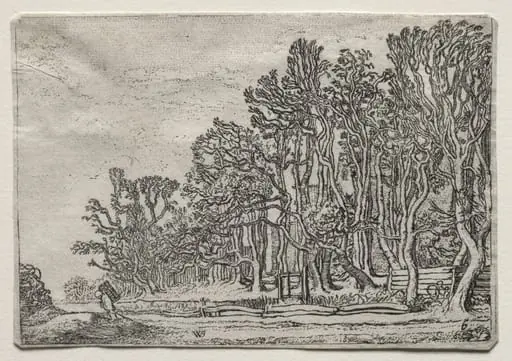 The Set of the Landscapes: Two Plank-Hedges
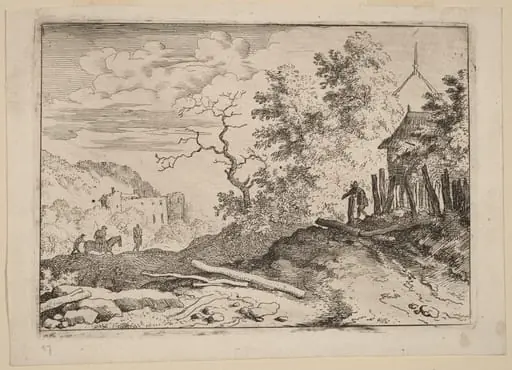 Hut with the Remains of a Hedge
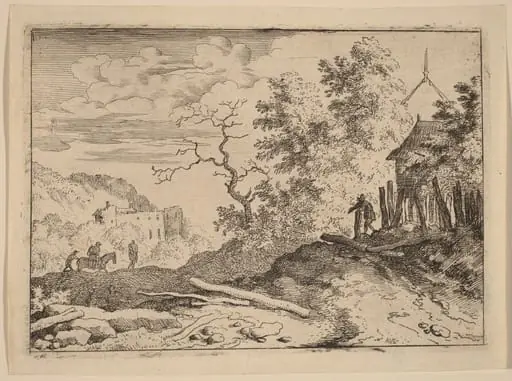 Hut with the Remains of a Hedge