Artwork
Sacrifice of Isaac
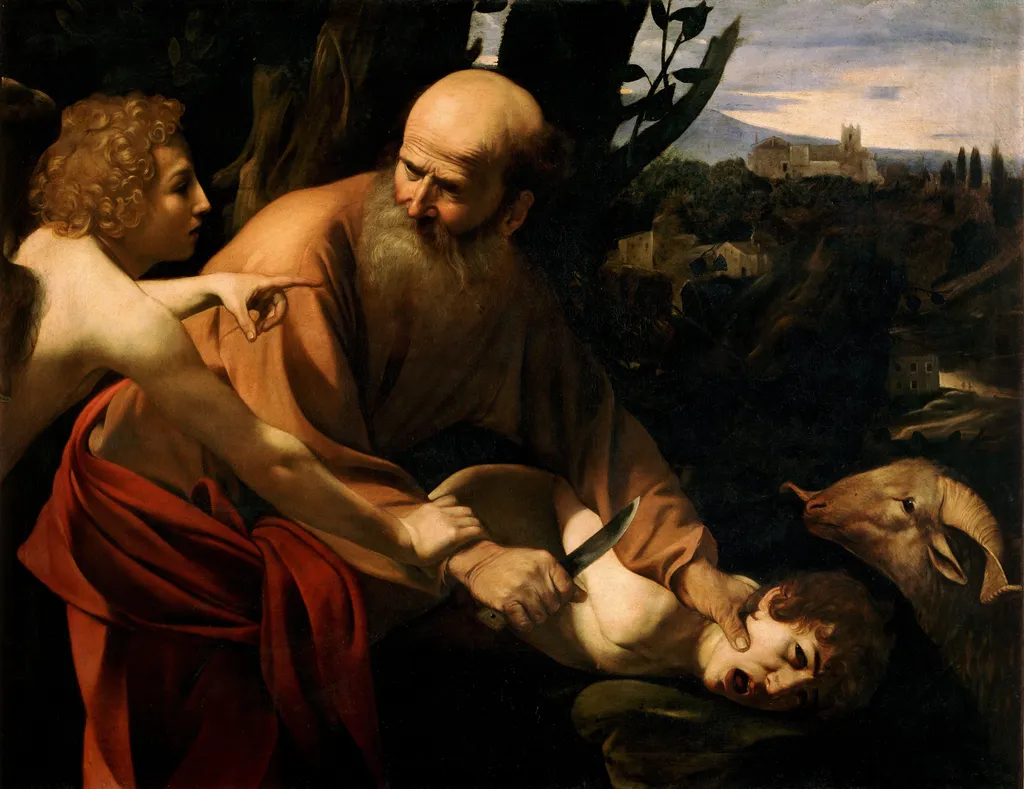
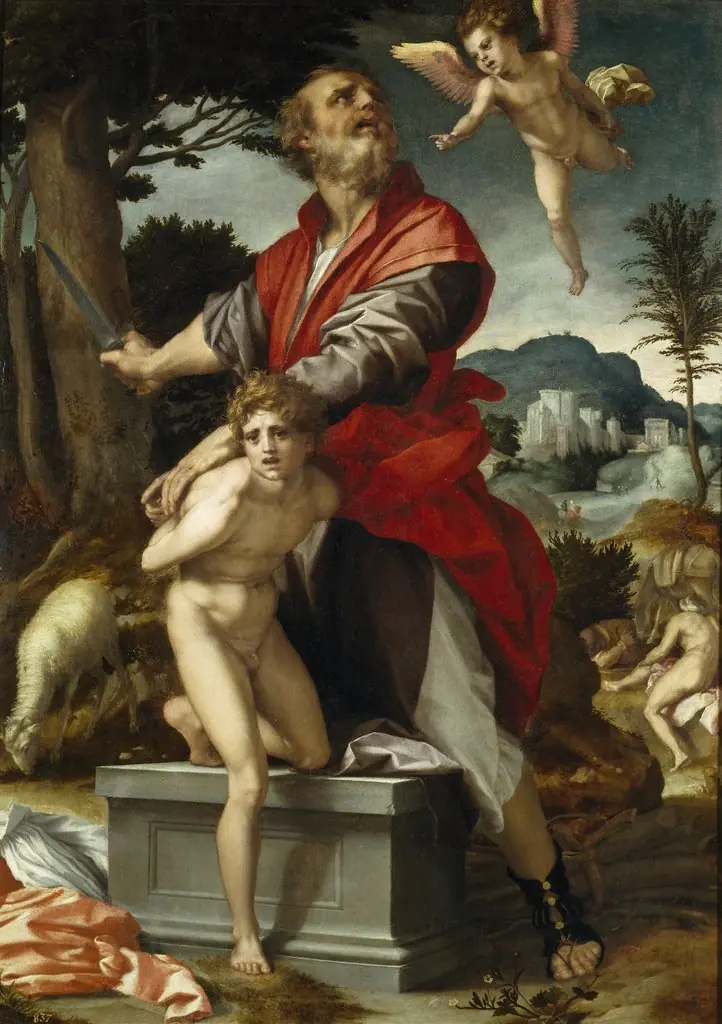
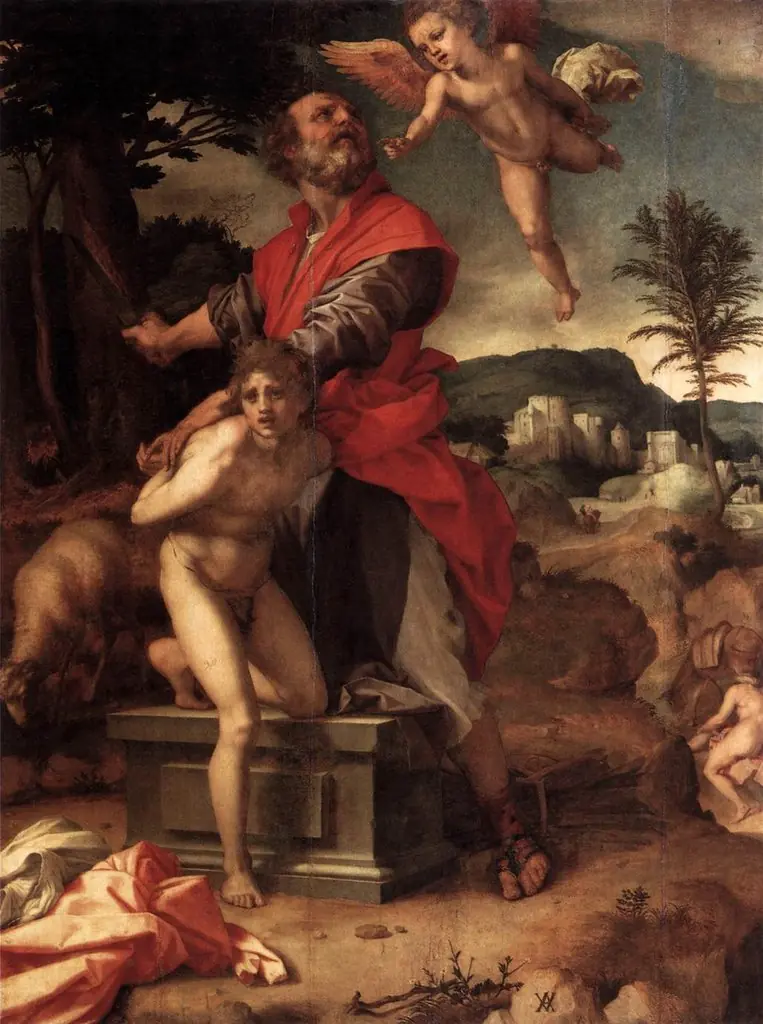
Sacrifice of Isaac is an oil painting by the Baroque artist Caravaggio. It dates from 1603 and is held in the collection of the Uffizi Gallery.
About this work
Overview
Caravaggio's *Sacrifice of Isaac* (1603) is an early Italian Baroque oil painting depicting a pivotal, emotionally charged moment from the biblical narrative.
Subject & Meaning
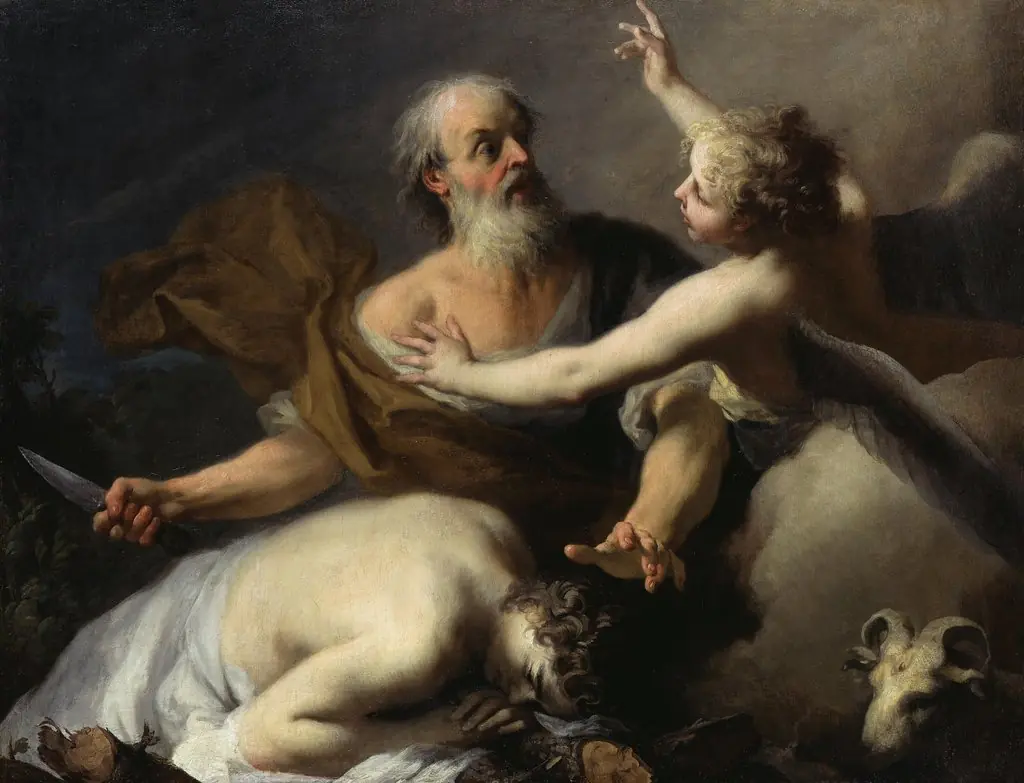
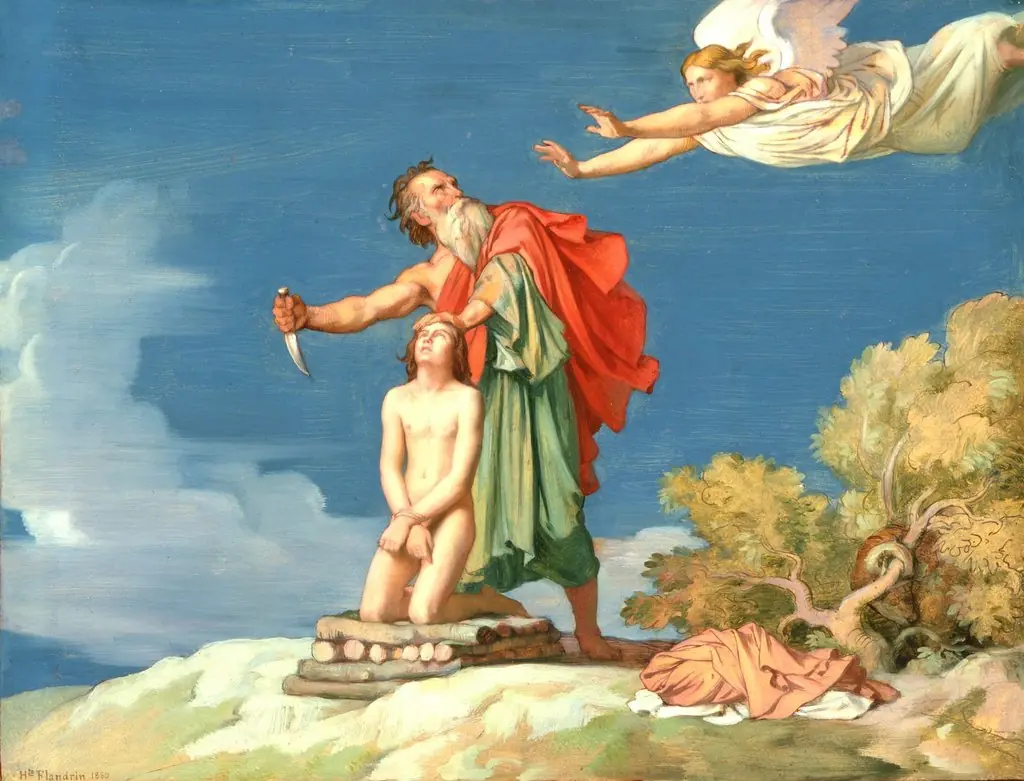
The painting captures the dramatic instant when Abraham, about to sacrifice his son Isaac on Mount Moriah, is intervened by an angel. The scene conveys intense tension and moral conflict through the interactions of the three figures: Abraham's apprehensive grip on the knife, Isaac's subdued posture, and the angel's intervening gesture.
Technique & Style
Characterized by Caravaggio's hallmark naturalism and innovative chiaroscuro, the work contrasts sharp, focused light on Abraham's face and arms with deep shadows, emphasizing the drama and emotional depth of the moment.
History & Provenance
Created in 1603, the painting is part of the Uffizi Gallery's collection. As a key work of the early Italian Baroque, it reflects Caravaggio's influence on the period's artistic development through his expressive and lighting techniques.
Context
Within the broader context of Baroque art, *Sacrifice of Isaac* exemplifies the era's emphasis on intense emotional expression and the effective use of light and shadow to convey narrative depth.
Legacy
Through its powerful depiction and technical innovations, the painting has contributed significantly to the evolution of Baroque art, with Caravaggio's stylistic choices influencing subsequent generations of artists.
Own this work as a print
Artist & collection
Artist
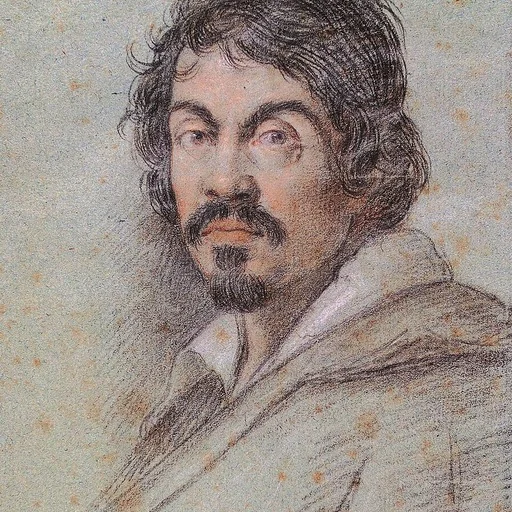
Michelangelo Merisi da Caravaggio (also Michele Angelo Merigi or Amerighi da Caravaggio; 29 September 1571 – 18 July 1610), known mononymously as Caravaggio, was an Italian painter active in Rome for most of his artistic life.