Artwork
The Sacrifice of Isaac
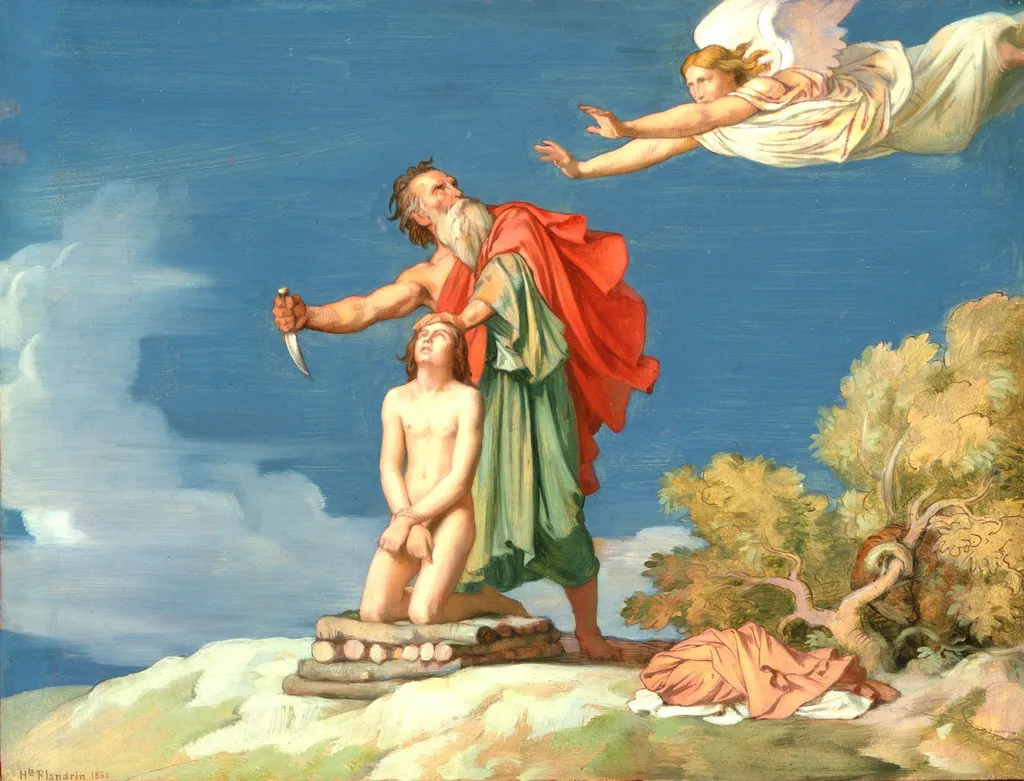
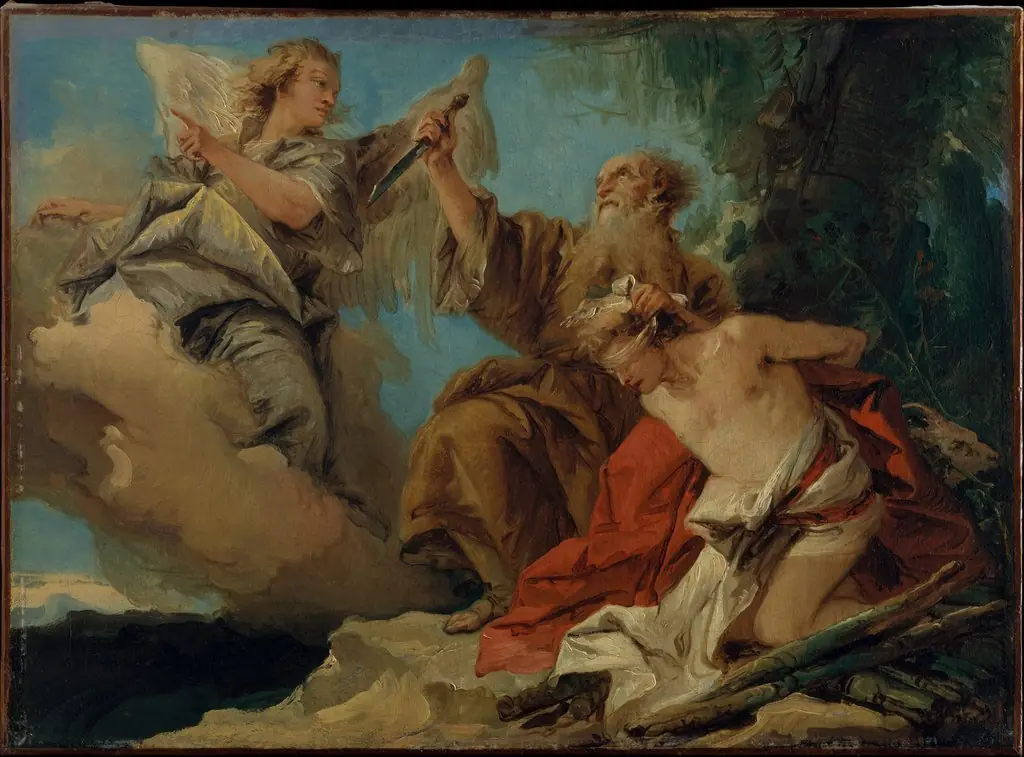
The Sacrifice of Isaac is an unspecified painting by Hippolyte Flandrin. It dates from 1860 and is held in the collection of the Los Angeles County Museum of Art.
About this work
Overview
Though less widely known today, Flandrin was respected in 19th-century France for his disciplined figure drawing and compositional clarity.
Hippolyte Flandrin painted *The Sacrifice of Isaac* in 1860, a religious subject rendered in a refined Neoclassical style. Though less widely known today, Flandrin was respected in 19th-century France for his disciplined figure drawing and compositional clarity. The work is now held by the Los Angeles County Museum of Art, where it stands as a representative example of his mature religious painting.
Subject & Meaning
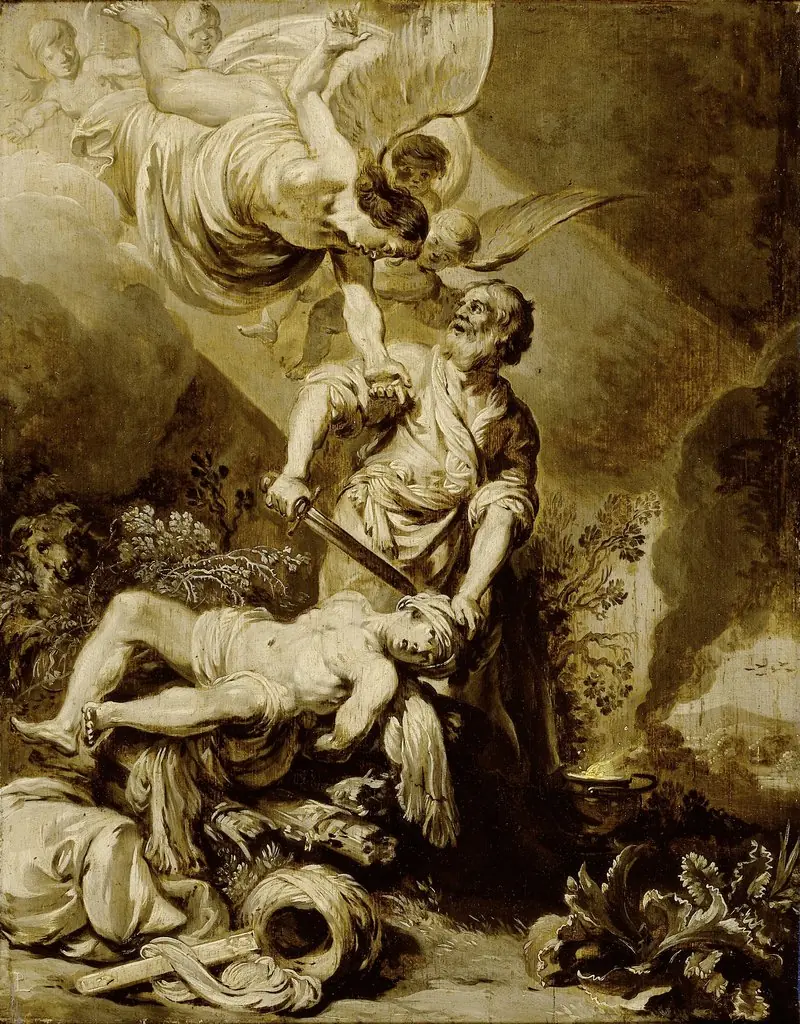
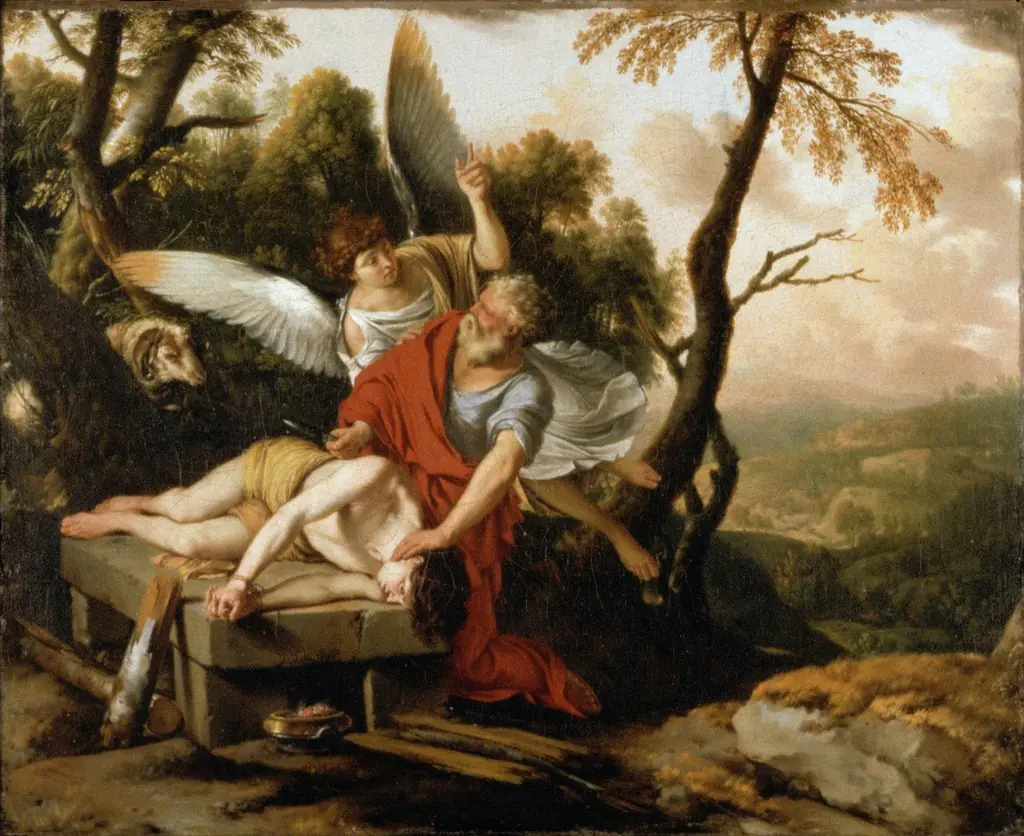
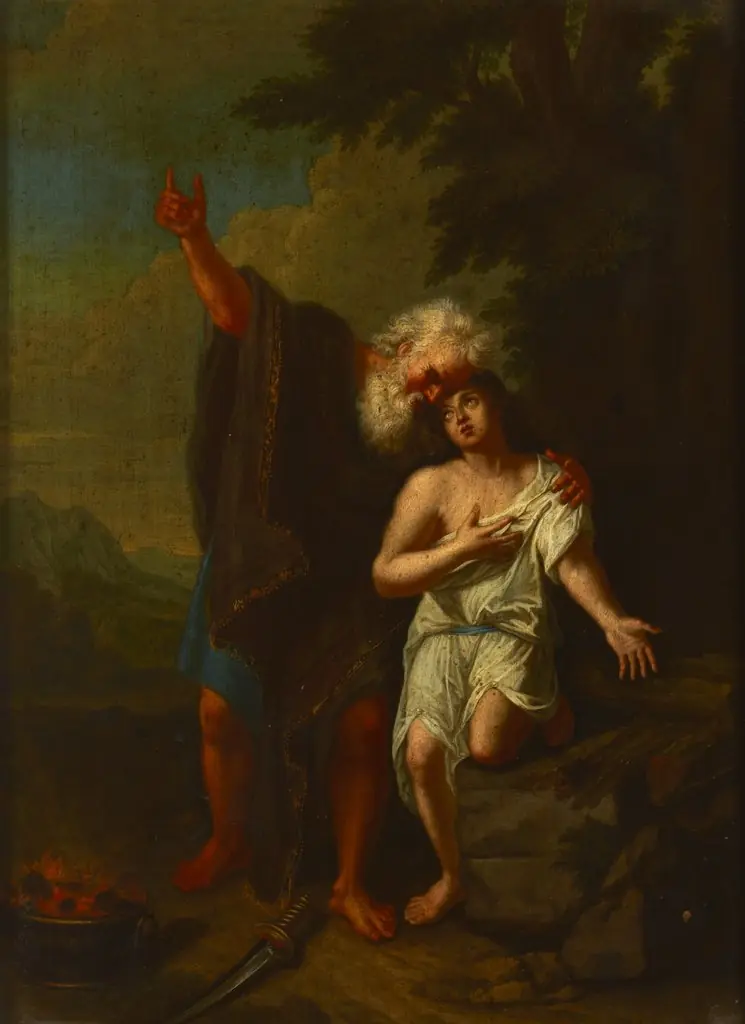
The painting illustrates the biblical moment when Abraham, commanded by God to sacrifice his son Isaac, is halted by an angel at the final instant. The tension between obedience and mercy is conveyed through the figures’ gestures: Abraham’s raised knife, Isaac’s submissive posture, and the angel’s urgent intervention. The scene underscores divine intervention and moral trial, central themes in Judeo-Christian tradition.
Technique & Style
Flandrin employs precise draftsmanship and restrained color to emphasize form and emotional gravity. The figures are sculpturally modeled, with drapery rendered in crisp folds of red and green that contrast against the pale sky and rocky terrain. The composition is tightly structured, guiding the viewer’s eye along the diagonal of the angel’s reaching arm toward the knife, heightening narrative tension without theatrical excess.
History & Provenance
Completed in 1860, the painting was likely created during Flandrin’s period of active religious commissions, following his work on church decorations in France. It entered the collection of the Los Angeles County Museum of Art in the 20th century, though its earlier ownership history remains undocumented. Its presence in a major American institution reflects broader 19th-century interest in European academic religious art.
Context
Flandrin worked within the academic tradition that valued historical and biblical narratives, influenced by Renaissance and early Christian art. While Romanticism emphasized emotion, Flandrin’s approach was more restrained, aligning with Neoclassical ideals of order and clarity. His focus on the human form, honed through study in Rome, informed his ability to convey spiritual gravity through physical presence.
Legacy
Though Flandrin’s reputation faded after his death, *The Sacrifice of Isaac* remains a testament to his skill in balancing narrative intensity with formal discipline. The painting contributes to the understanding of how 19th-century French artists interpreted sacred texts through classical aesthetics, preserving a quiet but potent strand of religious art that stood apart from both Romantic drama and emerging modernism.
Own this work as a print
Artist & collection
Artist
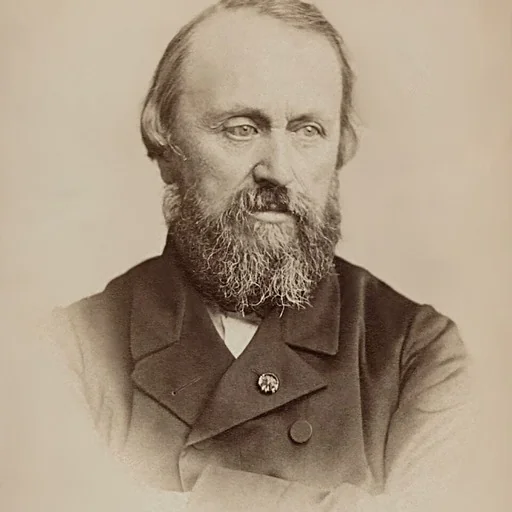
Jean-Hippolyte Flandrin (23 March 1809 – 21 March 1864) was a French Neoclassical painter. His most celebrated work, Jeune Homme Nu Assis au Bord de la Mer (1836) is held in the Louvre.

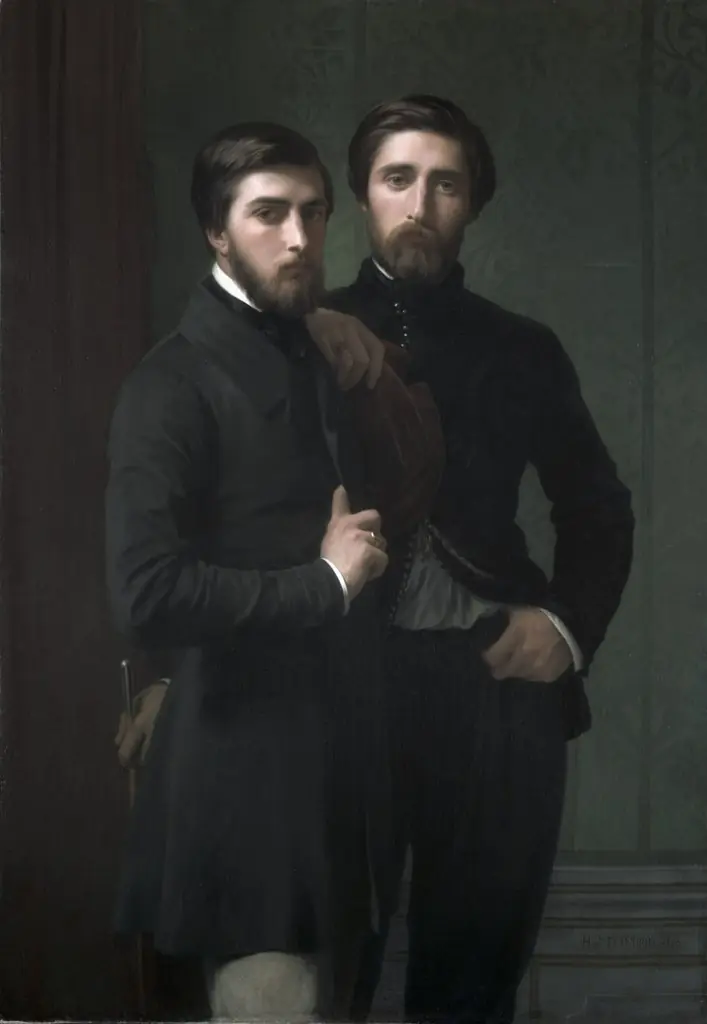 René-Charles Dassy and His Brother Jean-Baptiste-Claude-Amédé Dassy
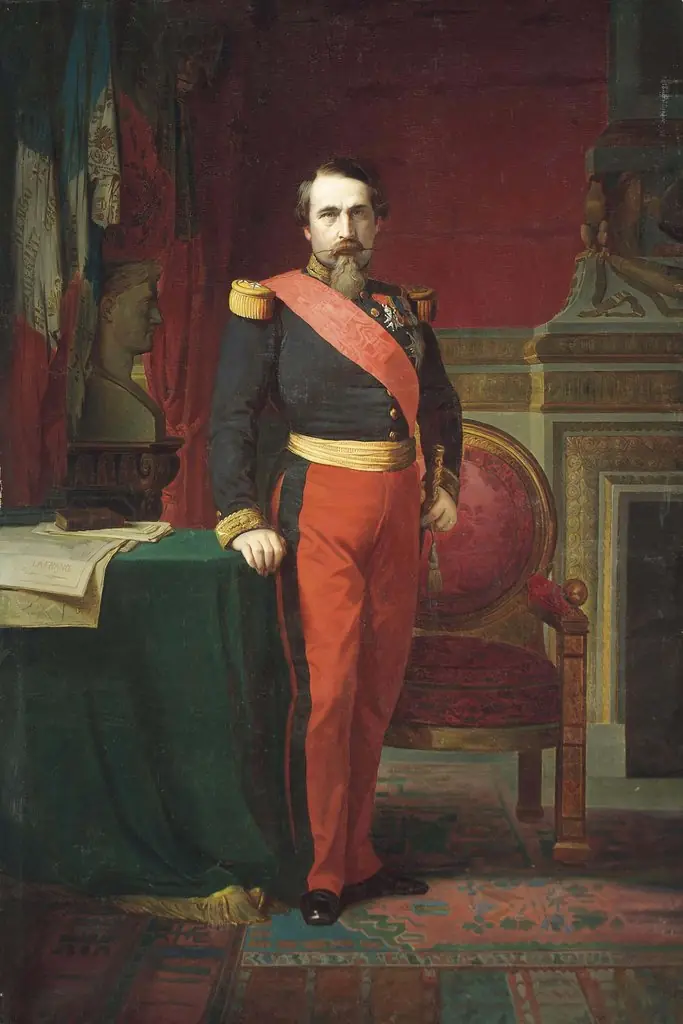 Portrait of Napoleon III
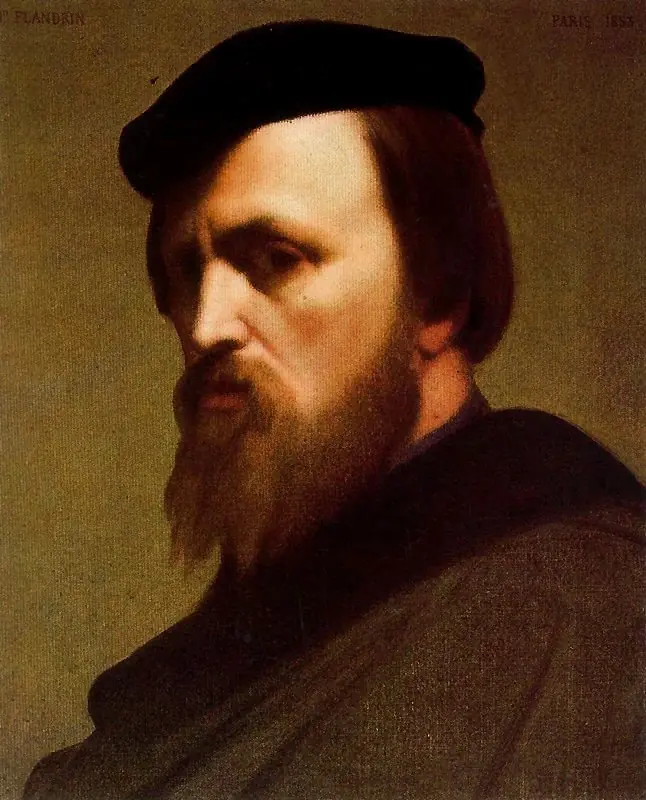 Self-portrait
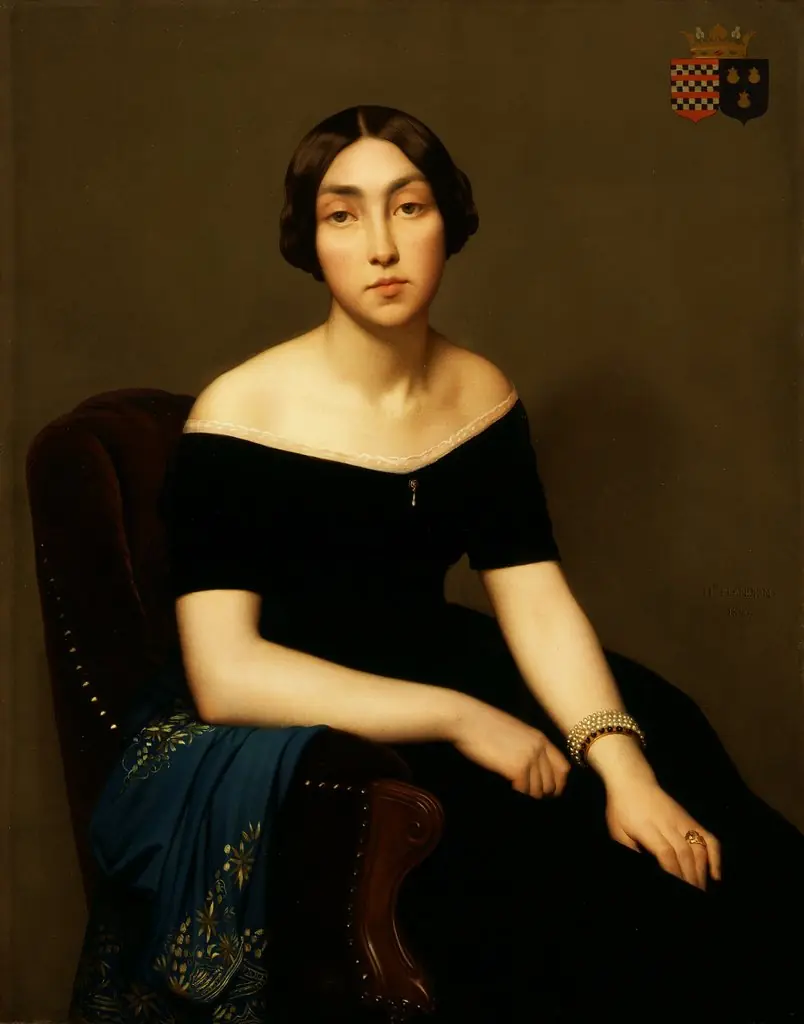 Madame Louis Antoine de Cambourg
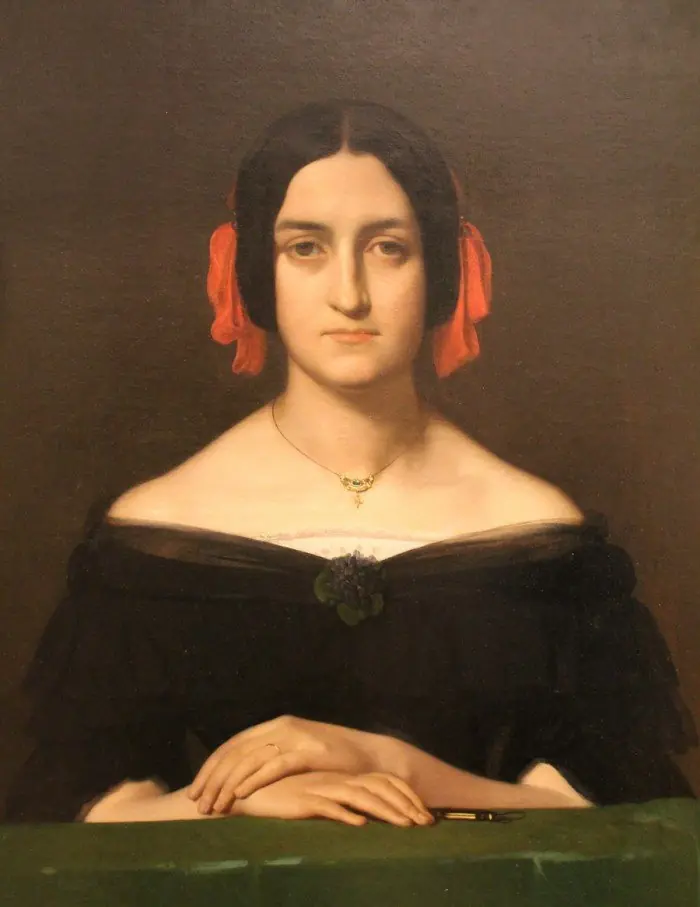 Portrait de Madame Oudiné
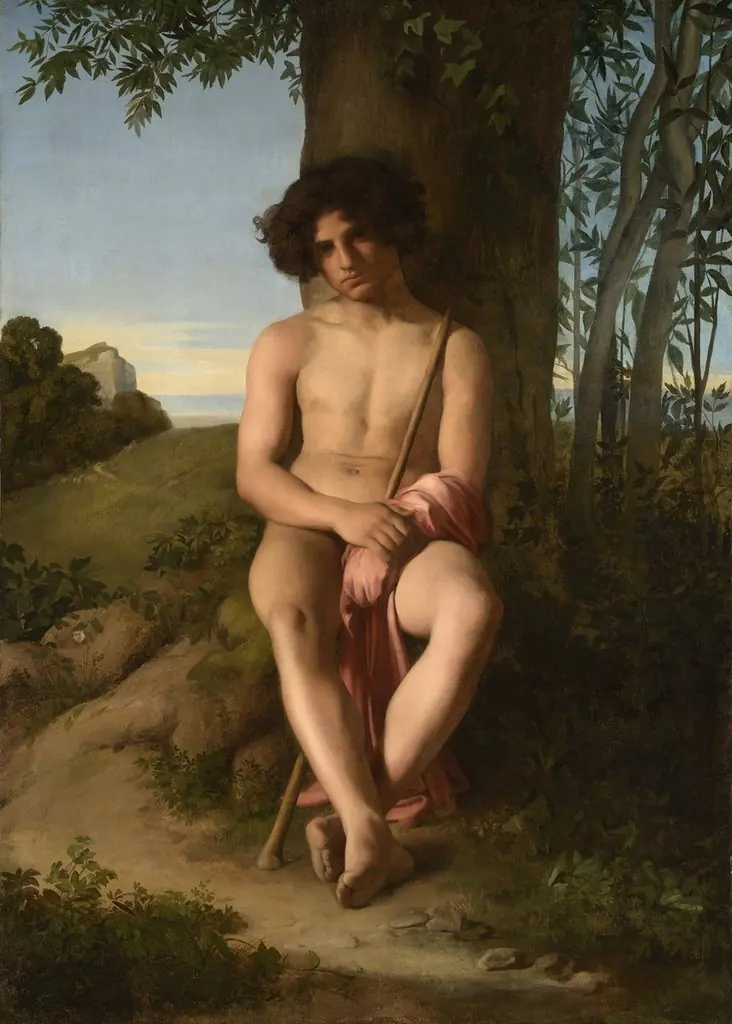 Seated Young Shepherd
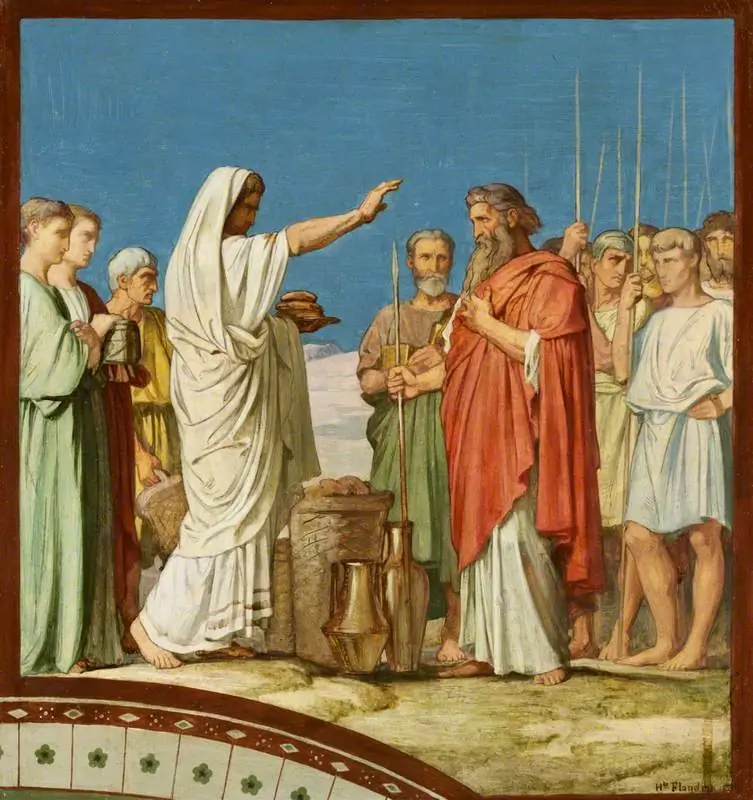 Melchisédech offrant du pain et du vin, bénit Abraham: Modello for the Fresco in the left nave of Saint-Germain-des-Prés, Paris, 1859 (Melchizedek Blesses Abraham and Offers Bread and Wine)
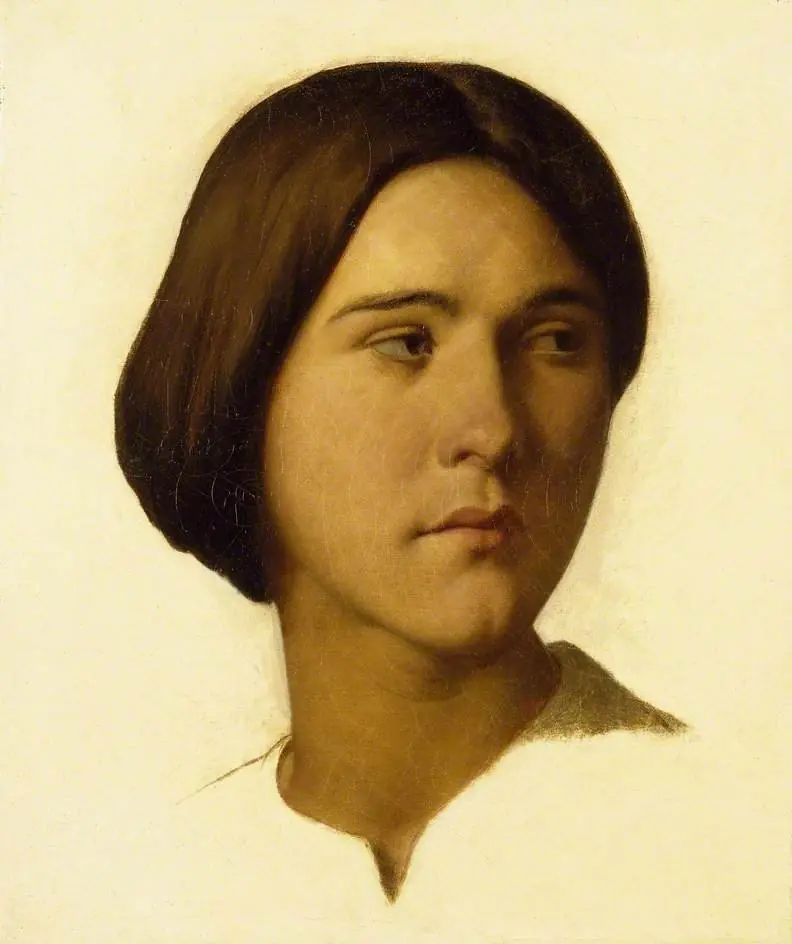 Head of a young Woman