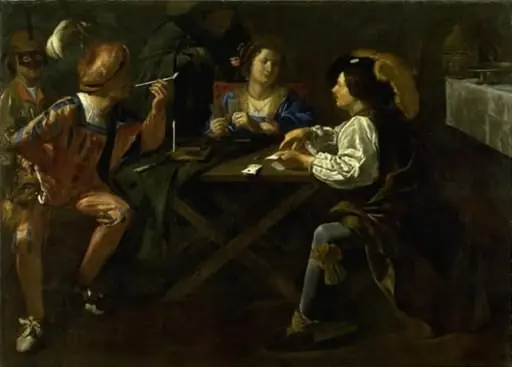
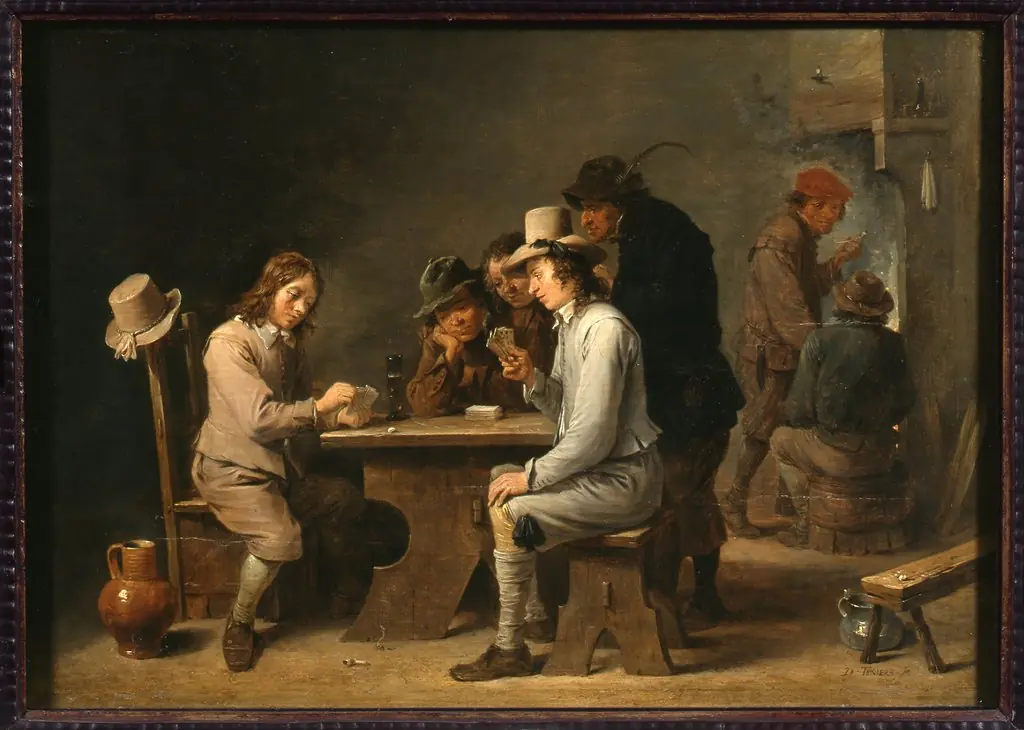
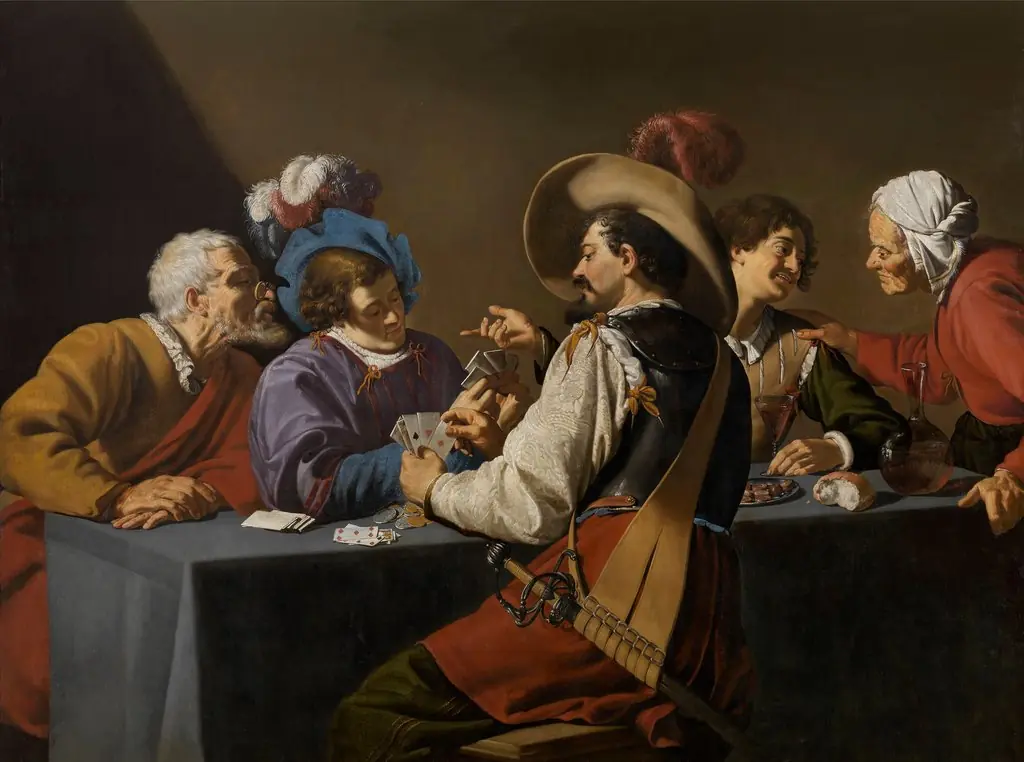
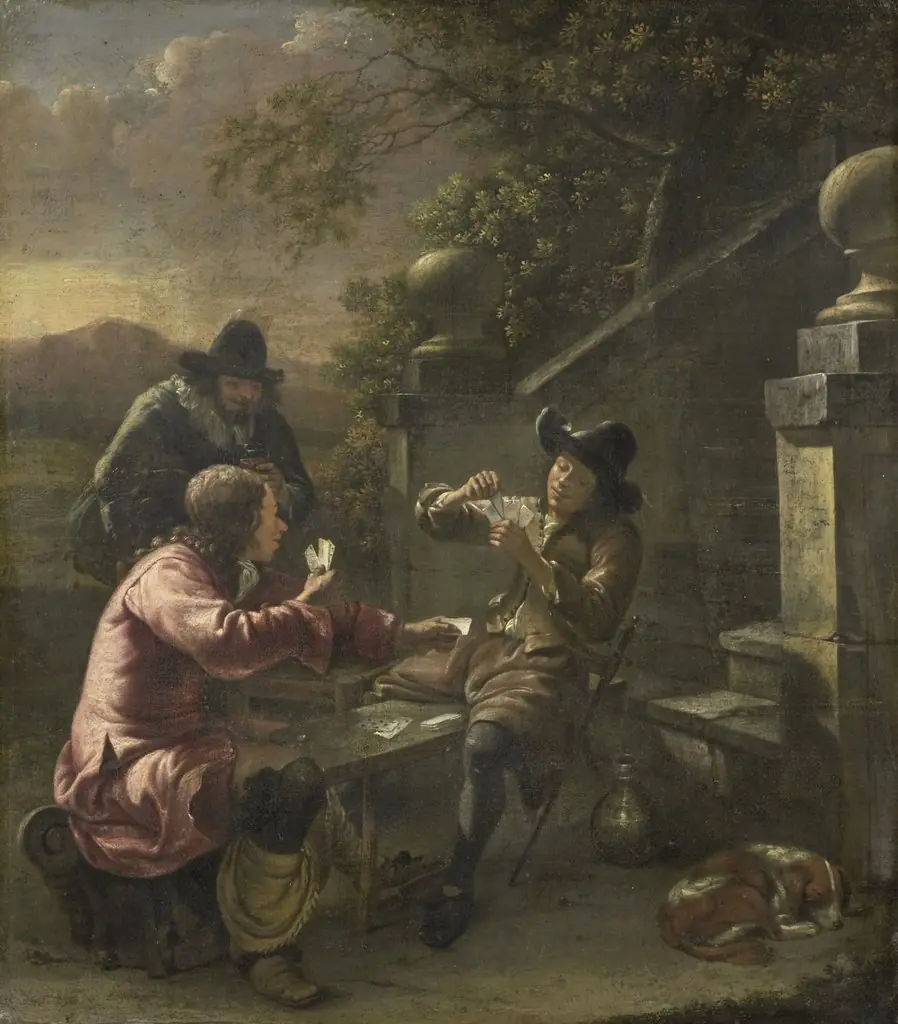
Artwork
The Cardsharps
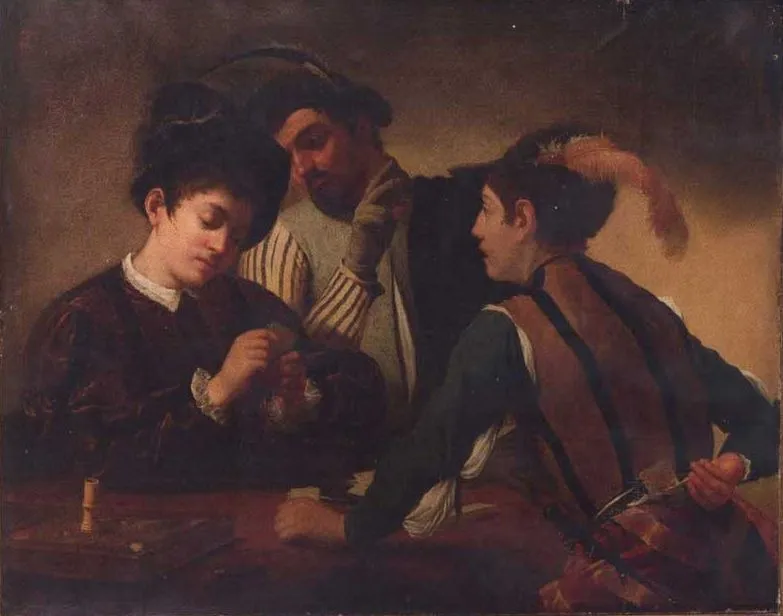
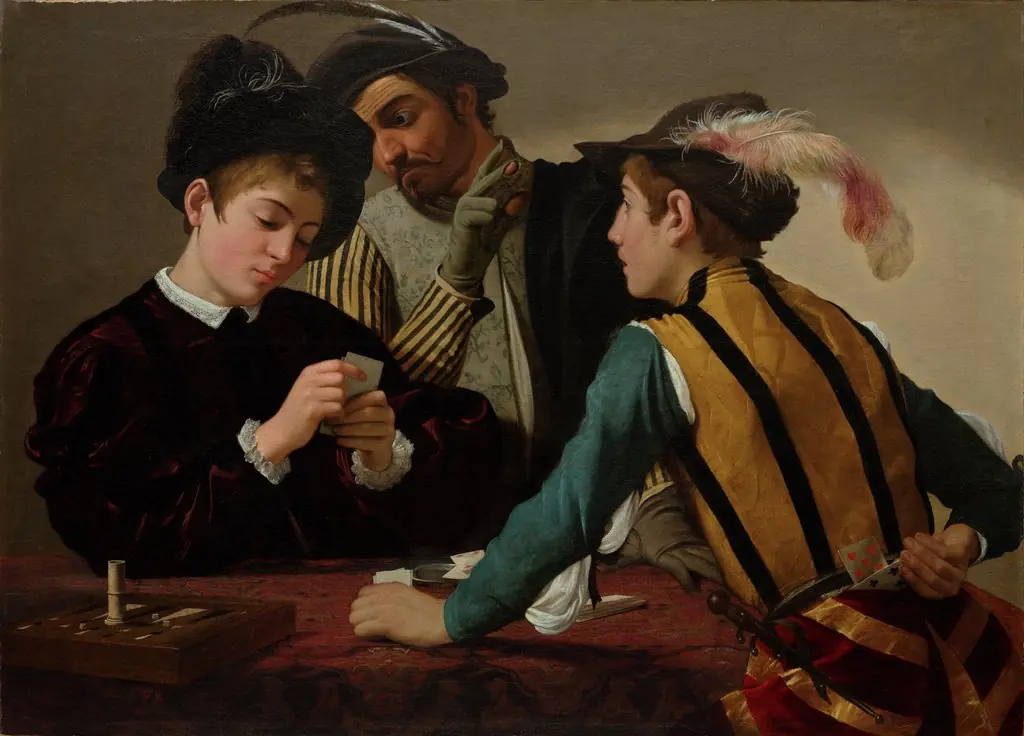
The Cardsharps is an oil painting by the Early Baroque Italian artist Caravaggio. It dates from 1598 and is held in the collection of the Ashmolean Museum.
About this work
Overview
Created in 1598, *The Cardsharps* is an oil painting by Italian artist Caravaggio, now part of the Ashmolean Museum's collection. It captures a moment of deception during a card game among three young men.
Subject & Meaning
The painting portrays a tense, intimate scene of card cheating in a dimly lit setting. A hidden card behind one player's back is the focal point, conveying themes of deception and potential conflict.
Technique & Style
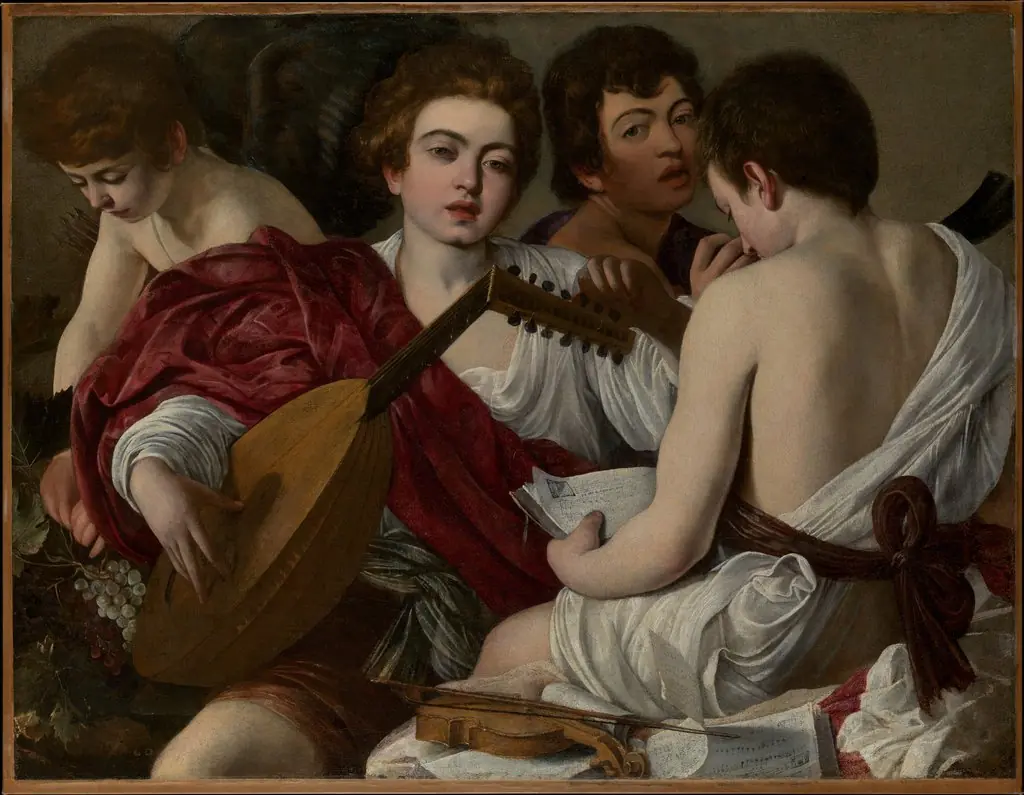
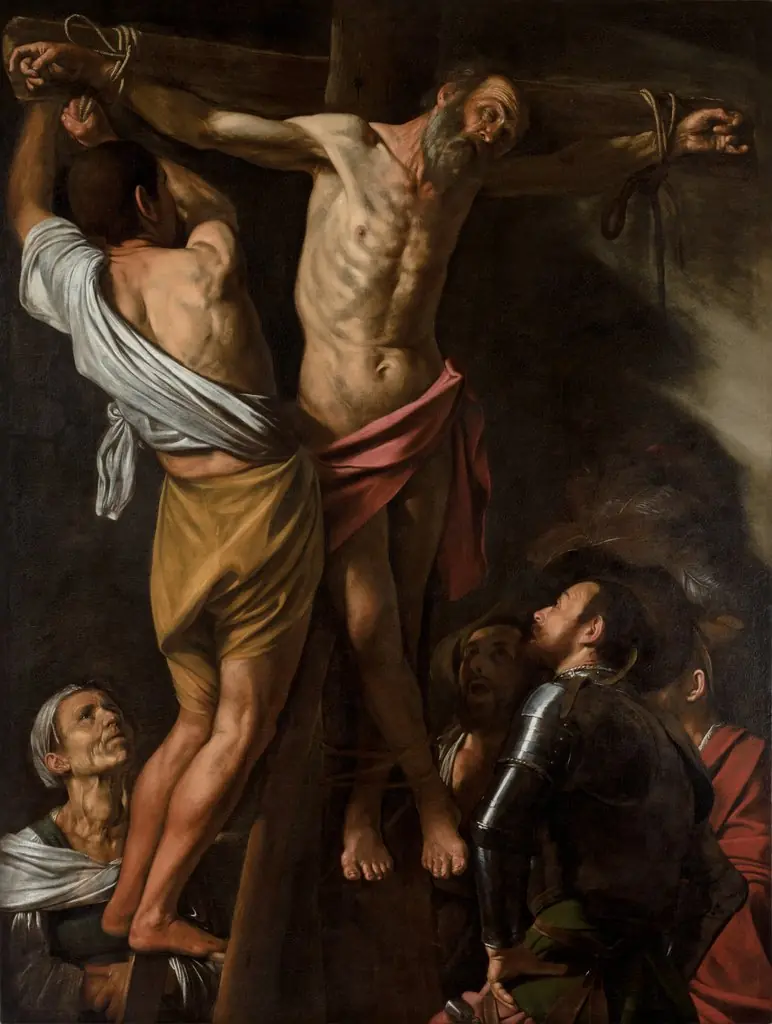
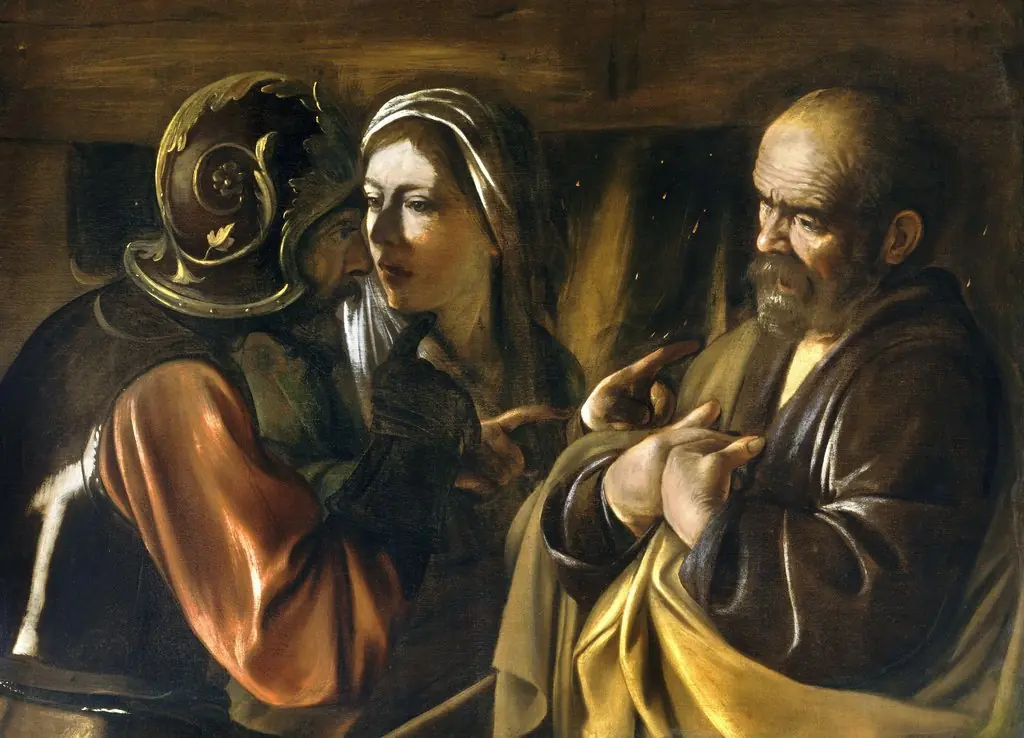
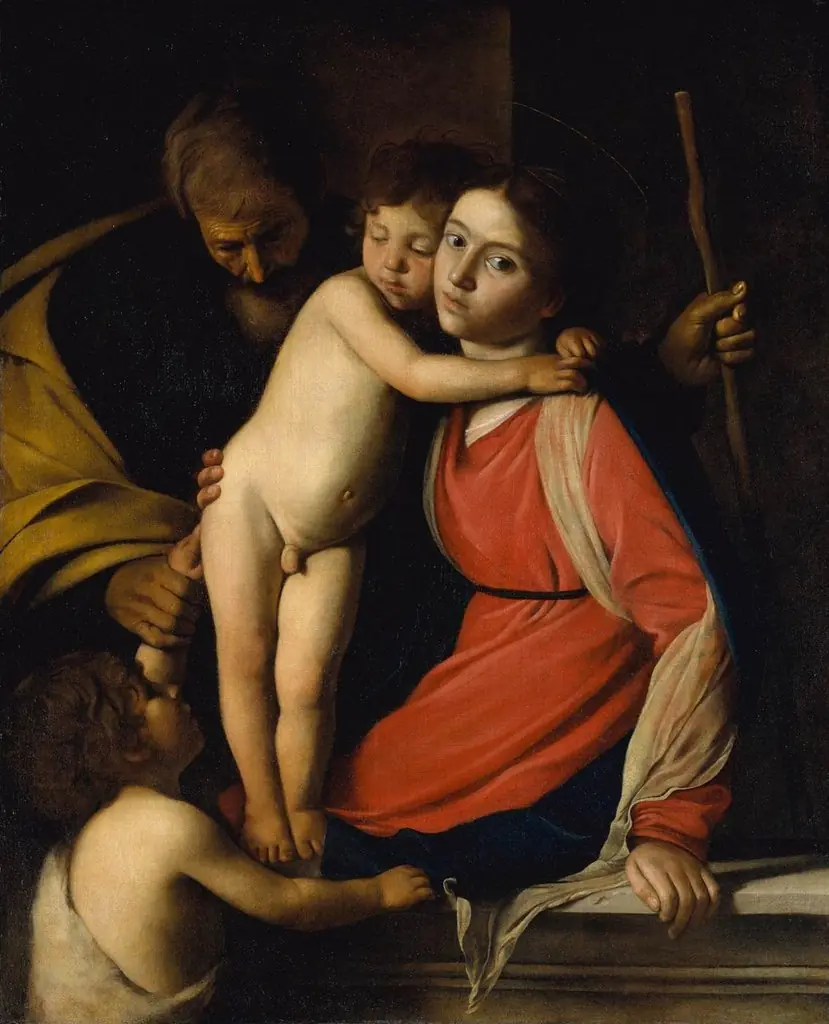
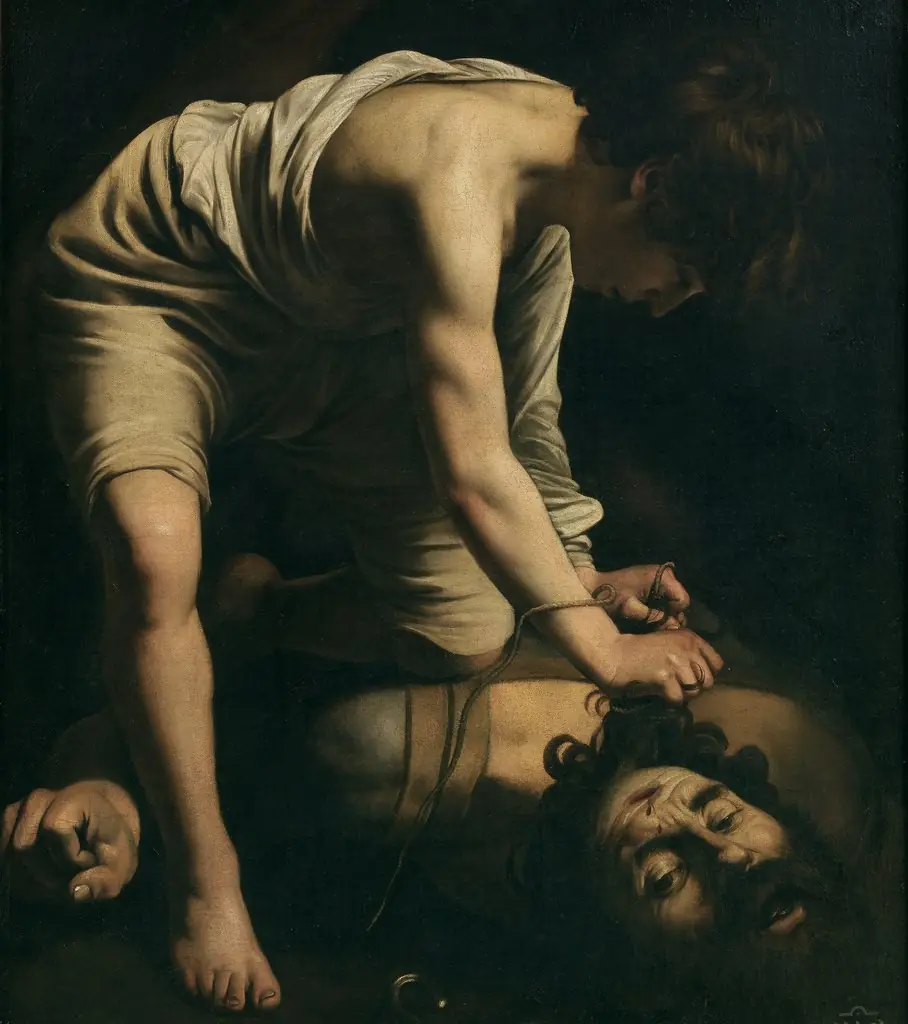
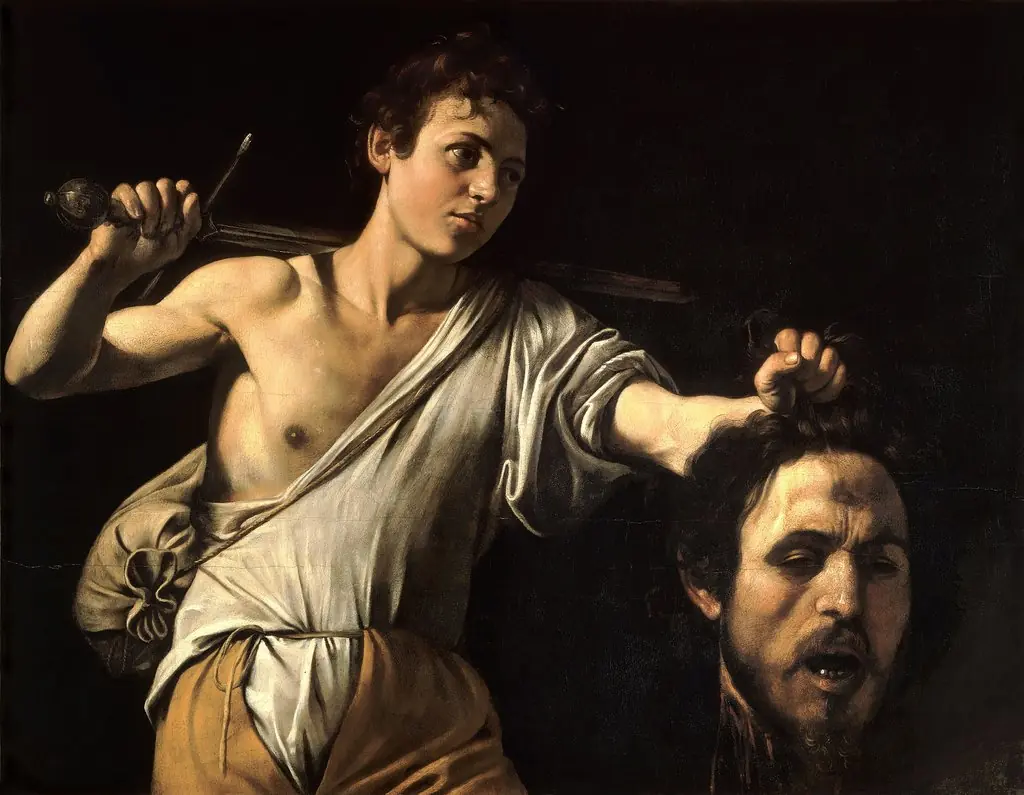
Caravaggio employed chiaroscuro to create dramatic lighting, emphasizing the deceitful act. Figures are rendered in a naturalistic style, with expressive body language and subtle facial expressions.
History & Provenance
Painted during the early Baroque period in Italy, *The Cardsharps* is an early work by Caravaggio, who was known for blending realistic human observation with dramatic effects.
Context
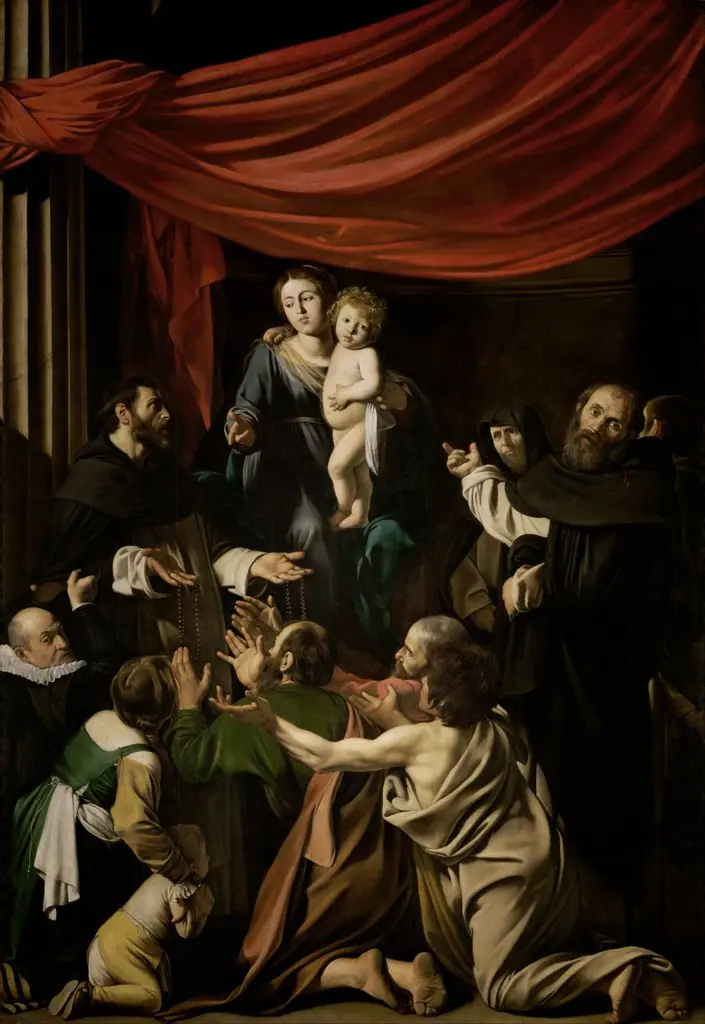
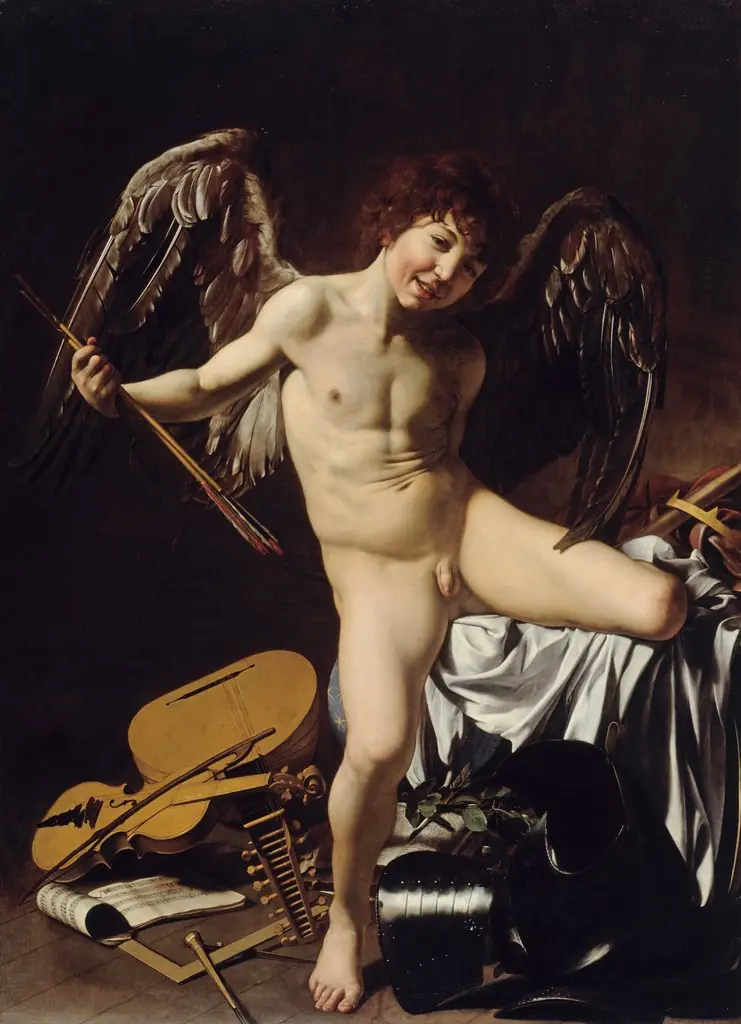
Part of Caravaggio's oeuvre characterized by intense lighting and emotional depth, this work reflects his influence on the development of Baroque painting.
Legacy
*The Cardsharps* contributes to Caravaggio's legacy as a pioneer of Baroque techniques, notably chiaroscuro, which profoundly impacted subsequent European painting.
Artist & collection
Artist
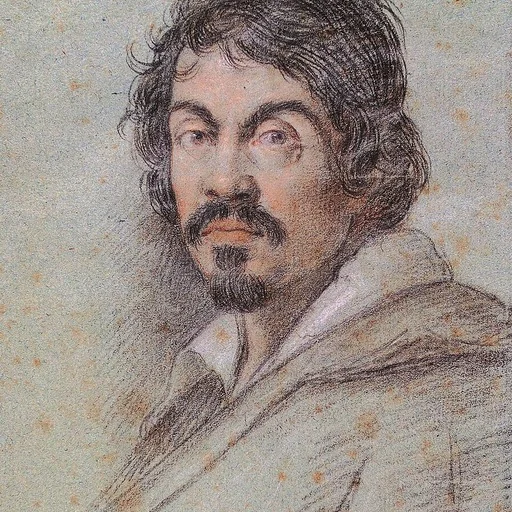
Michelangelo Merisi da Caravaggio (also Michele Angelo Merigi or Amerighi da Caravaggio; 29 September 1571 – 18 July 1610), known mononymously as Caravaggio, was an Italian painter active in Rome for most of his artistic life.