Artwork
Eighteen Views of Rome: The Church of Santa Maria in Vallicella
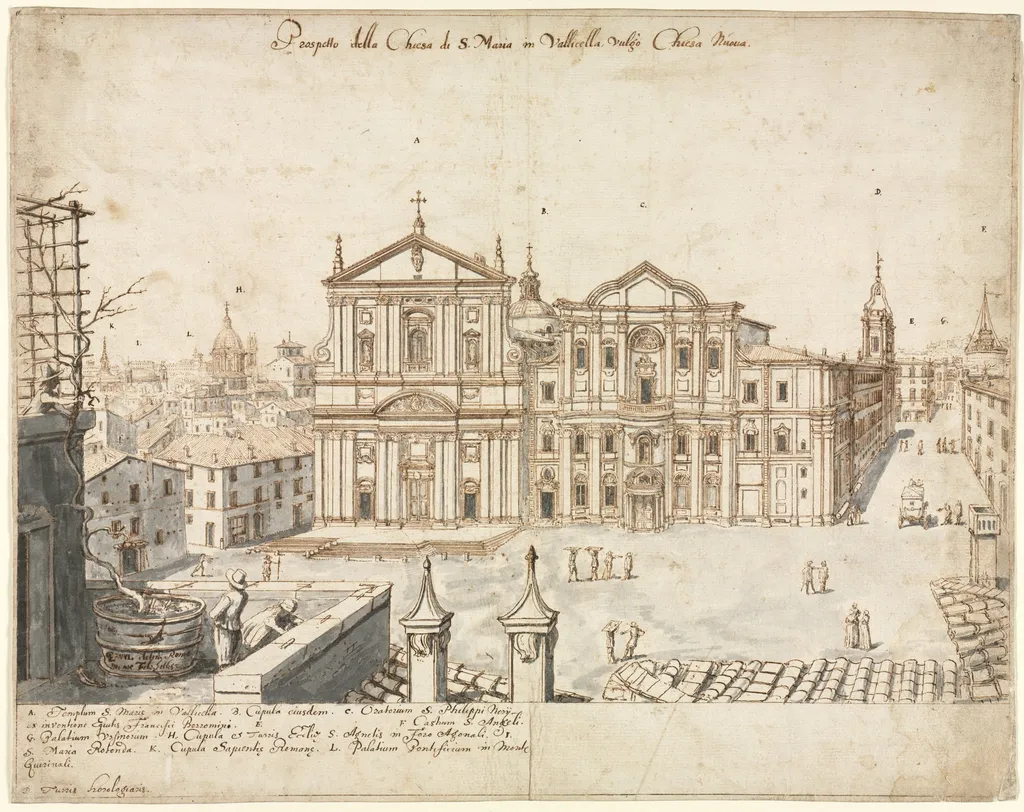
Eighteen Views of Rome: The Church of Santa Maria in Vallicella is a drawing by the Baroque artist Lievin Cruyl. It dates from 1665 and is held in the collection of the Cleveland Museum of Art.
About this work
Overview
Executed in pen and ink with subtle watercolor washes, it captures the Church of Santa Maria in Vallicella as a central architectural anchor.
Created in 1665 by Lievin Cruyl, this drawing is one of eighteen views of Rome documenting the city’s urban fabric. Executed in pen and ink with subtle watercolor washes, it captures the Church of Santa Maria in Vallicella as a central architectural anchor. The composition balances monumental religious structures with intimate street-level activity, reflecting a topographical interest common among 17th-century European draftsmen traveling through Italy.
Subject & Meaning
The drawing centers on the church’s dome and colonnaded facade, symbols of Counter-Reformation piety and Jesuit influence in Rome. Surrounding it, ordinary life unfolds: pedestrians, vendors, and a public fountain suggest the church’s role within daily civic rhythm. Tiny inscriptions label nearby landmarks, indicating the drawing’s function as both a visual record and a guide for travelers, merging topographical accuracy with observational detail.
Technique & Style
Cruyl employed rapid pen strokes to outline buildings and figures, with light watercolor washes adding depth without obscuring detail. The sketchlike quality conveys immediacy, as if observed on-site. Shading is minimal yet effective, guiding the eye toward the church’s verticality. The inclusion of small-scale human figures and architectural fragments reflects a preference for authentic urban texture over idealized grandeur.
History & Provenance
Cruyl, a Flemish architect and draftsman, produced this series during his time in Rome, likely as part of a commissioned project for European patrons interested in Italian urbanism. The drawing entered the Cleveland Museum of Art’s collection in the 20th century, among a group of works acquired for their documentary value. Its survival in good condition reflects its early recognition as a significant record of Baroque Rome.
Context
This work emerged during a period when Northern European artists increasingly traveled to Italy to study classical and contemporary architecture. The Baroque era’s emphasis on theatrical space and religious authority shaped how churches were depicted—not as isolated monuments, but as nodes within bustling civic networks. Cruyl’s drawings align with this trend, offering a hybrid of survey and snapshot.
Legacy
Cruyl’s series contributed to the development of topographical drawing as a distinct genre, influencing later architects and artists documenting urban environments. While not widely known today, these works remain valuable for historians studying Rome’s physical and social landscape in the mid-17th century. Their unembellished precision offers a counterpoint to more stylized views of the period.
Artist & collection

Artist
Lievin Cruyl or Lieven Cruyl was a Flemish priest and a draughtsman and etcher of landscapes, seascapes, and architectural views.

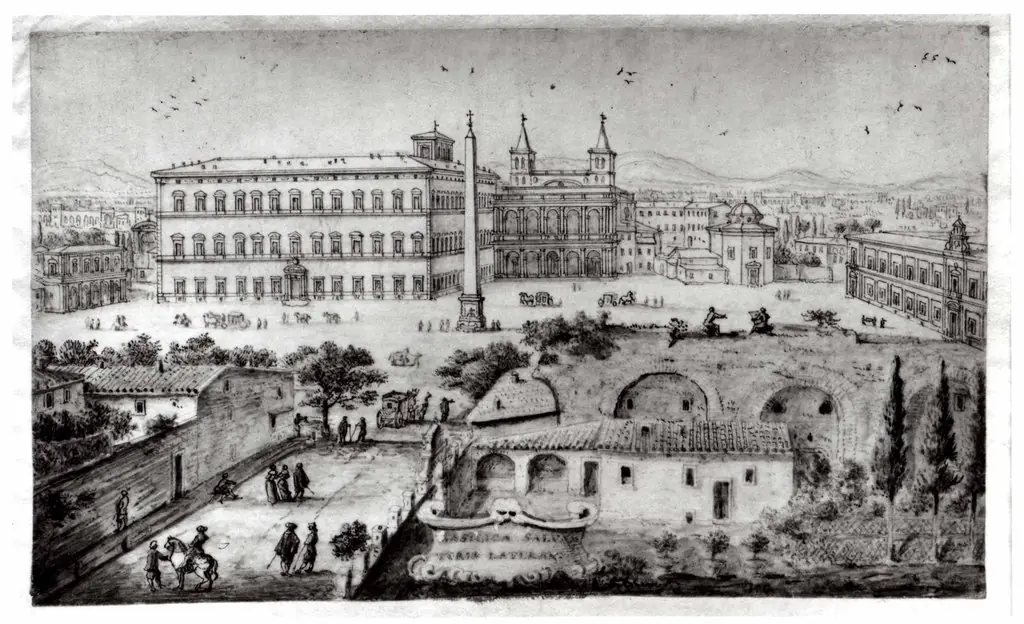 View of Lateran, Rome
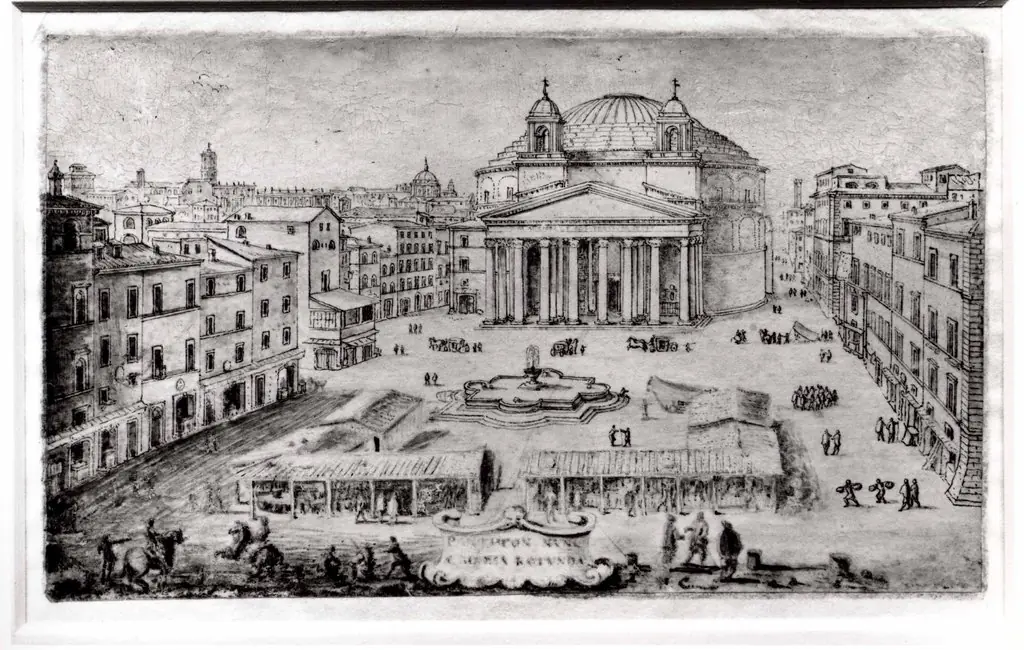 View of the Pantheon, Rome
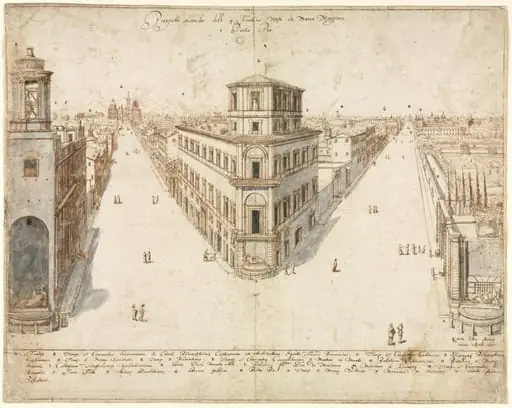 Eighteen Views of Rome: The Quattro Fontane Looking Toward Santa Maria Maggiore
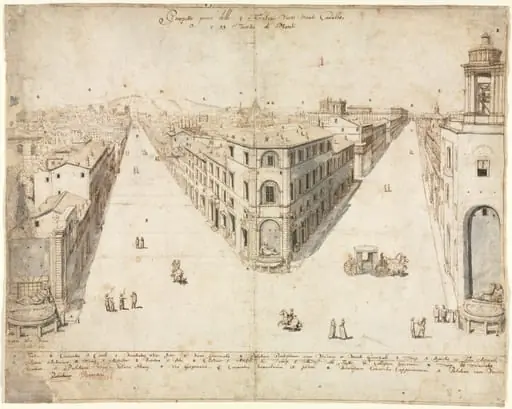 Eighteen Views of Rome: The Quattro Fontane Looking Toward Monte Cavallo
 Sketch for San Giovanni in Laterano (verso)
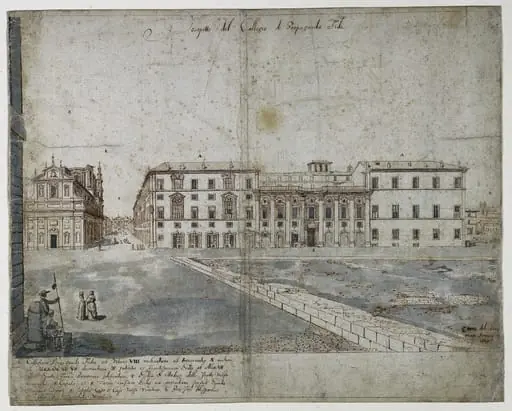 Eighteen Views of Rome: The Collegio di Propaganda Fide (recto)
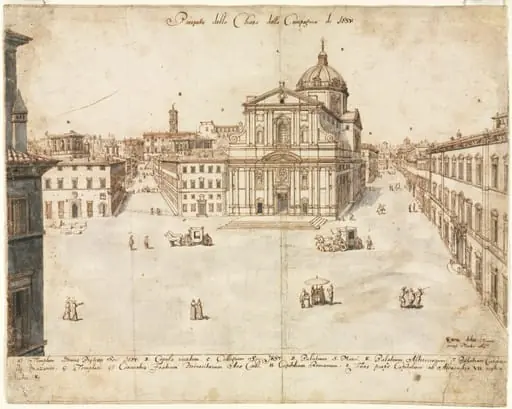 Eighteen Views of Rome: The Church of the Gesù
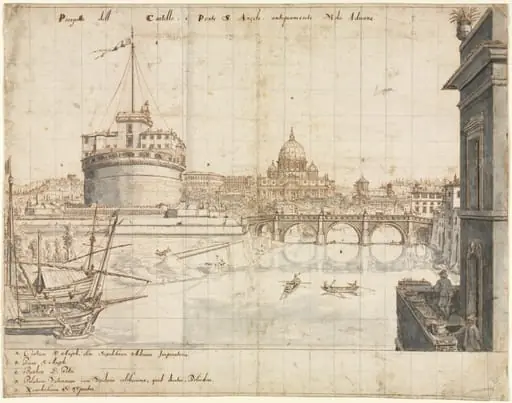 Eighteen Views of Rome: The Castel Sant'Angelo
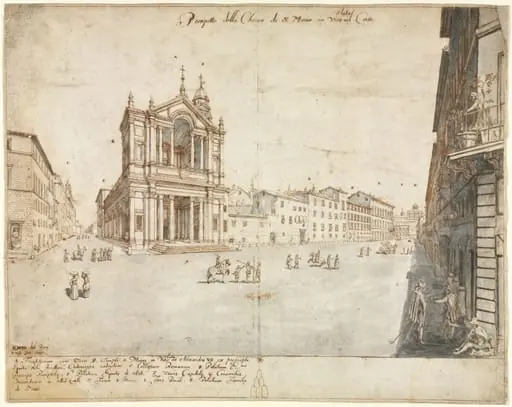 Eighteen Views of Rome: Santa Maria in Via Lata
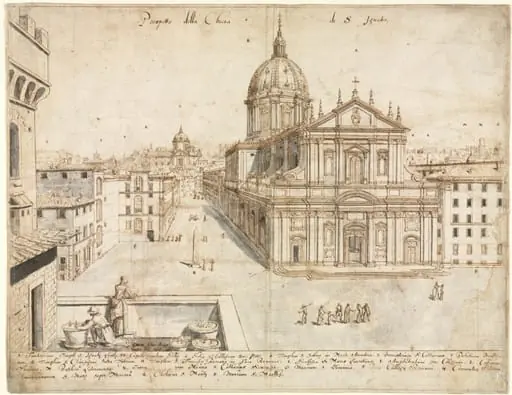 Eighteen Views of Rome: The Church of Sant'Ignazio
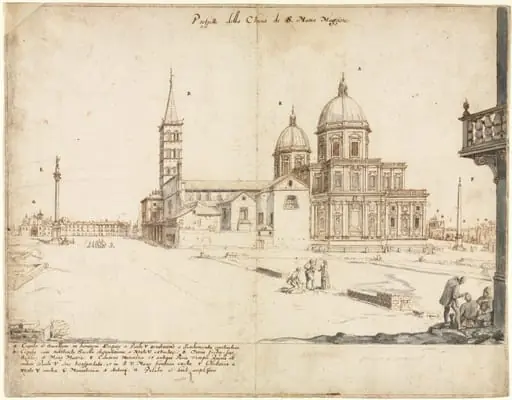 Eighteen Views of Rome: The Basilica of Santa Maria Maggiore
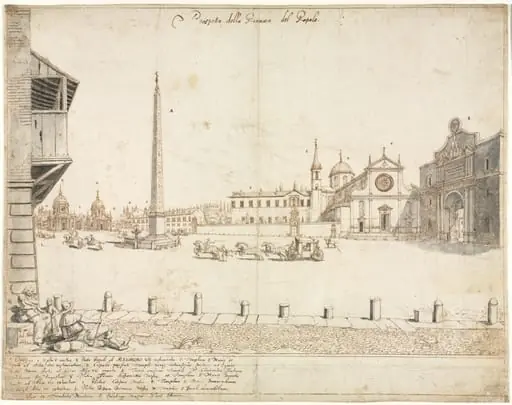 Eighteen Views of Rome: The Piazza del Popolo (recto)
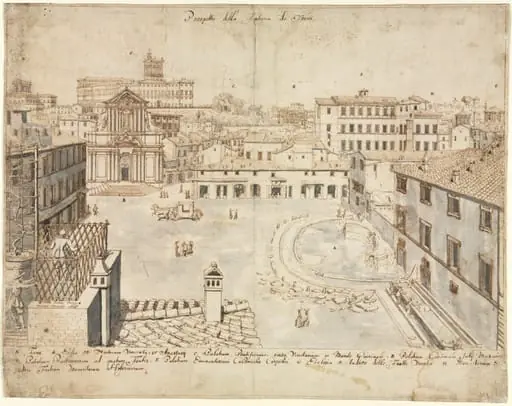 Eighteen Views of Rome: The Trevi Fountain
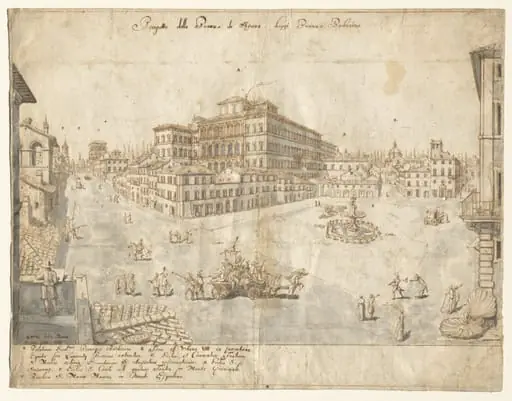 Eighteen Views of Rome: The Piazza Barberini (recto)
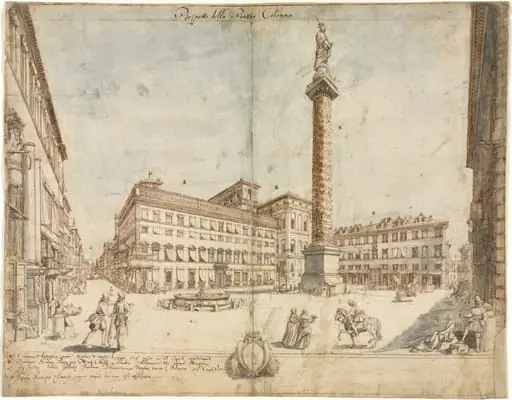 Eighteen Views of Rome: The Piazza Colonna