Artwork
Eighteen Views of Rome: Santa Maria in Via Lata
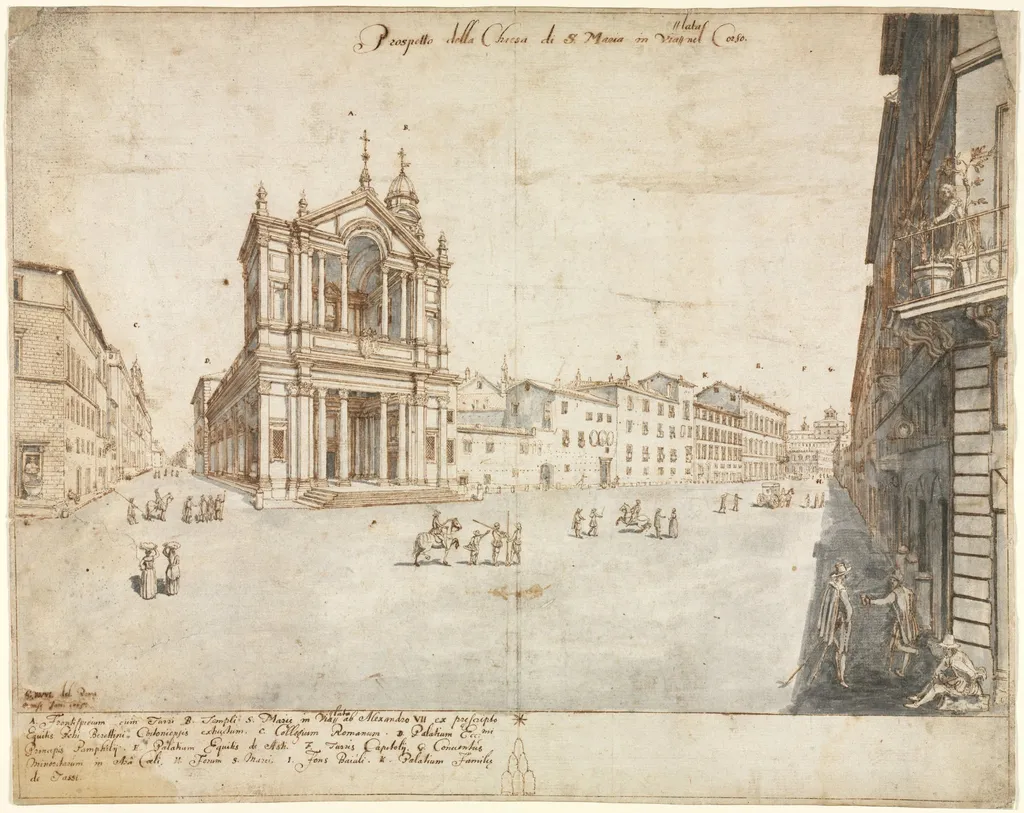
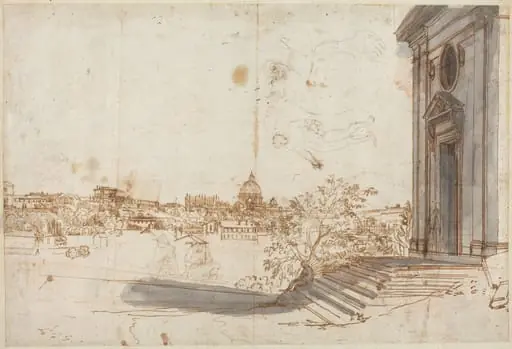
Eighteen Views of Rome: Santa Maria in Via Lata is a drawing by the Baroque artist Lievin Cruyl. It dates from 1665 and is held in the collection of the Cleveland Museum of Art.
About this work
Overview
Executed in pen and ink with light washes, it captures the façade of Santa Maria in Via Lata, a Roman church near the Via del Corso.
Created in 1665 by Lievin Cruyl, this drawing is one of eighteen views of Rome documenting the city’s architecture with precision. Executed in pen and ink with light washes, it captures the façade of Santa Maria in Via Lata, a Roman church near the Via del Corso. The work belongs to a series intended as topographical records, reflecting the 17th-century interest in accurate urban depiction. It is now held in the collection of The Cleveland Museum of Art.
Subject & Meaning
The drawing presents a real, identifiable church in Rome, emphasizing its architectural presence within an active urban setting. The inclusion of pedestrians, riders, and a ladder against a nearby structure suggests daily life unfolding around sacred space. The Latin inscription confirms its function as a documentary view, not an idealized composition. The scene balances monumentality with human scale, grounding religious architecture in lived experience.
Technique & Style
Cruyl employed fine pen lines and subtle ink washes to model form and suggest depth. The church’s columns and domes are rendered with clarity, while the surrounding buildings and street are lightly shaded to imply recession. The contrast between the solid, detailed façade and the sketchier, atmospheric background creates spatial harmony. This restrained use of light and shadow aligns with northern European draftsmanship traditions adapted to Italian subjects.
History & Provenance
The drawing is part of a set commissioned during Cruyl’s time in Rome, likely for a European patron interested in Roman antiquities and contemporary urbanism. It remained in private collections before entering the Cleveland Museum of Art’s holdings. Its survival as part of a complete series is rare, offering insight into how northern artists recorded Italian cities during the Baroque era.
Context
In mid-17th-century Rome, detailed architectural drawings served both scholarly and aesthetic purposes. Cruyl, a Flemish artist, joined a tradition of northern Europeans documenting Italian sites for audiences abroad. His work reflects the era’s growing appetite for accurate visual records, distinct from theatrical Baroque painting. These drawings were used by architects, travelers, and collectors seeking authentic representations of the city.
Legacy
Cruyl’s series influenced later topographical artists and contributed to the documentation of Rome’s urban fabric before major 18th-century transformations. While not widely known today, his precise renderings remain valuable for architectural historians studying the city’s appearance in the Baroque period. The Cleveland Museum’s holding preserves one of the earliest systematic visual surveys of Roman streetscapes.
Artist & collection

Artist
Lievin Cruyl or Lieven Cruyl was a Flemish priest and a draughtsman and etcher of landscapes, seascapes, and architectural views.

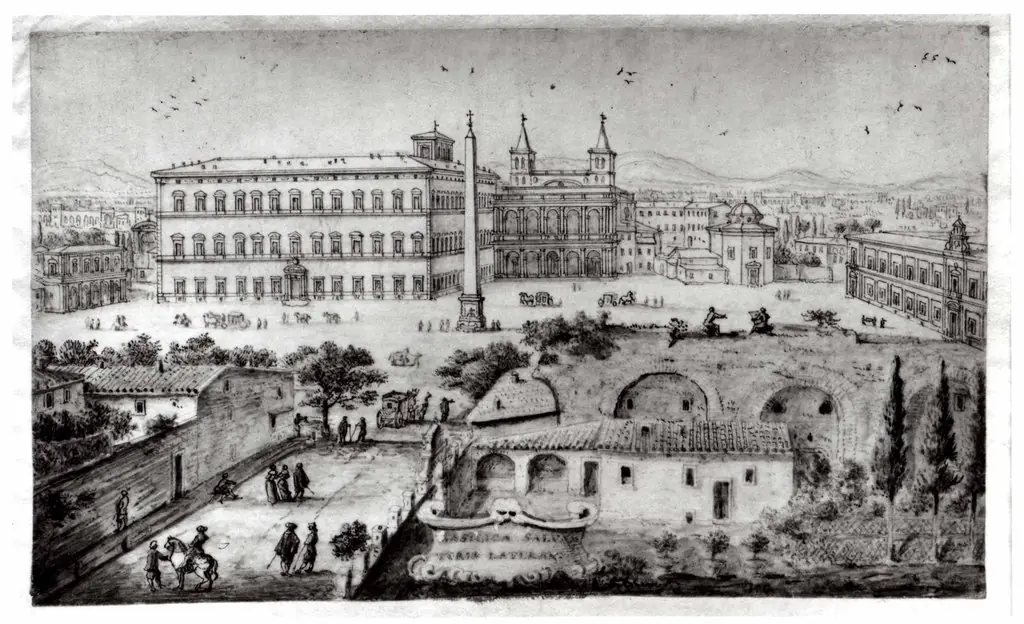 View of Lateran, Rome
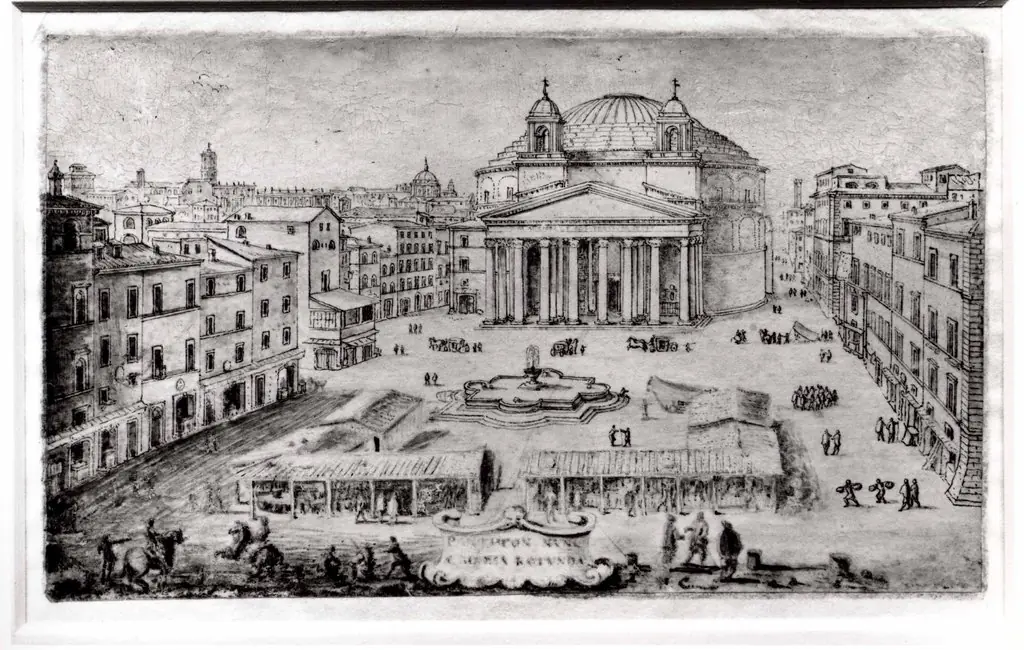 View of the Pantheon, Rome
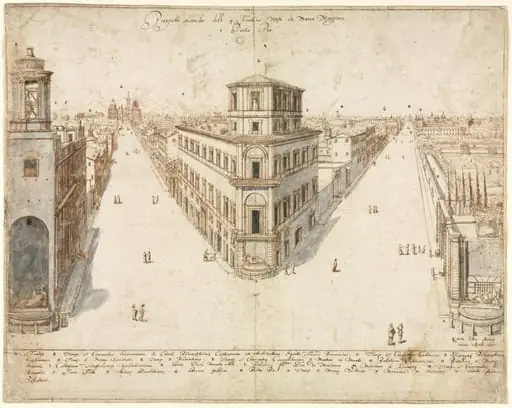 Eighteen Views of Rome: The Quattro Fontane Looking Toward Santa Maria Maggiore
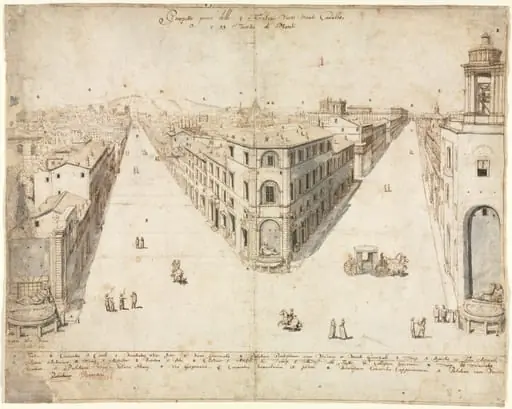 Eighteen Views of Rome: The Quattro Fontane Looking Toward Monte Cavallo
 Sketch for San Giovanni in Laterano (verso)
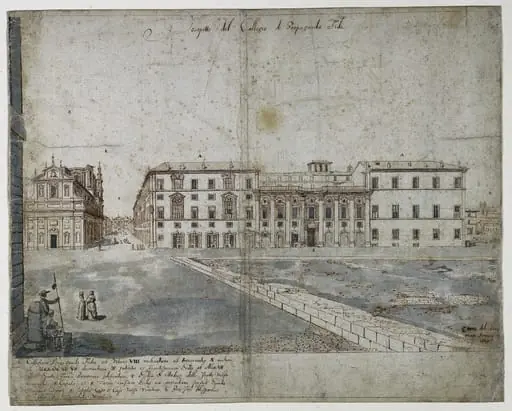 Eighteen Views of Rome: The Collegio di Propaganda Fide (recto)
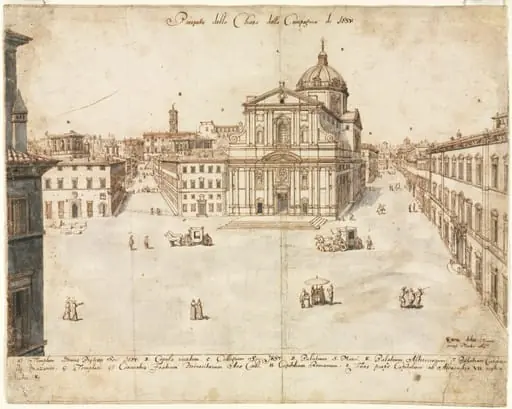 Eighteen Views of Rome: The Church of the Gesù
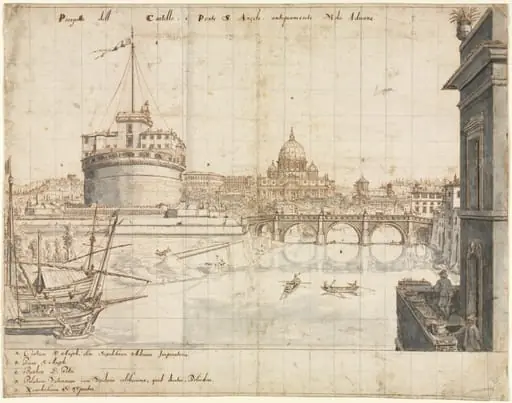 Eighteen Views of Rome: The Castel Sant'Angelo
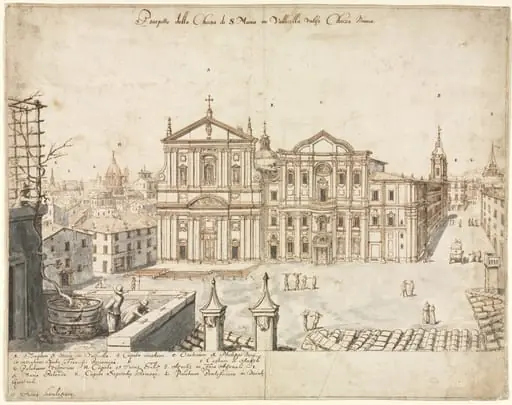 Eighteen Views of Rome: The Church of Santa Maria in Vallicella
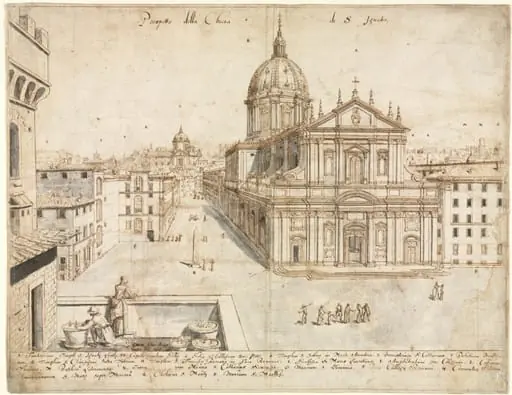 Eighteen Views of Rome: The Church of Sant'Ignazio
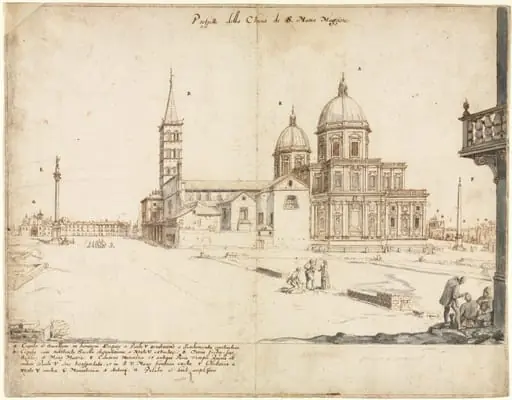 Eighteen Views of Rome: The Basilica of Santa Maria Maggiore
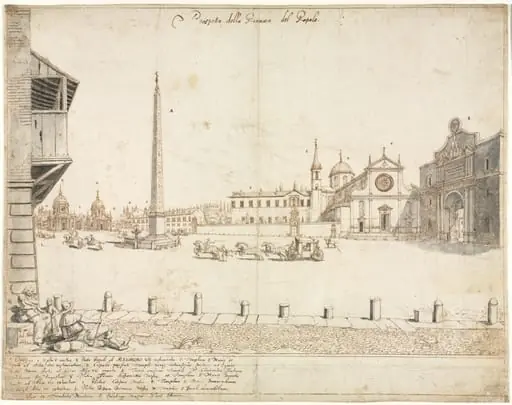 Eighteen Views of Rome: The Piazza del Popolo (recto)
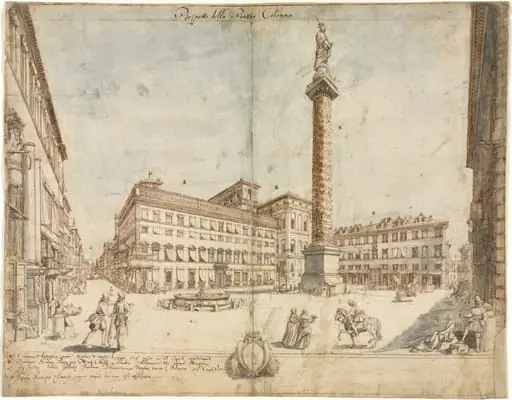 Eighteen Views of Rome: The Piazza Colonna
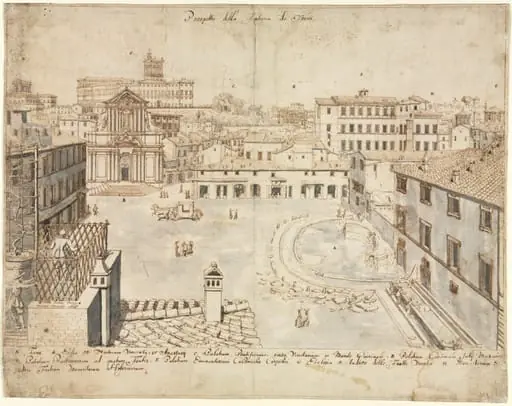 Eighteen Views of Rome: The Trevi Fountain
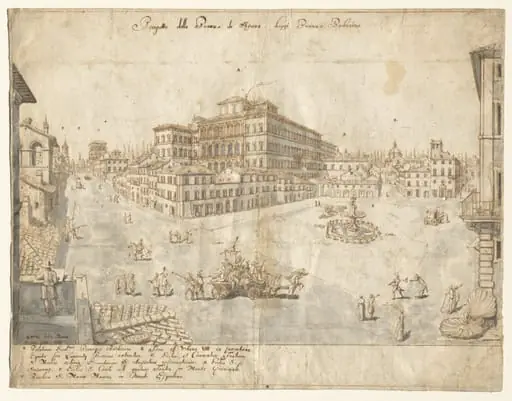 Eighteen Views of Rome: The Piazza Barberini (recto)
 A View of Rome from Santa Maria del Priorato