Artwork
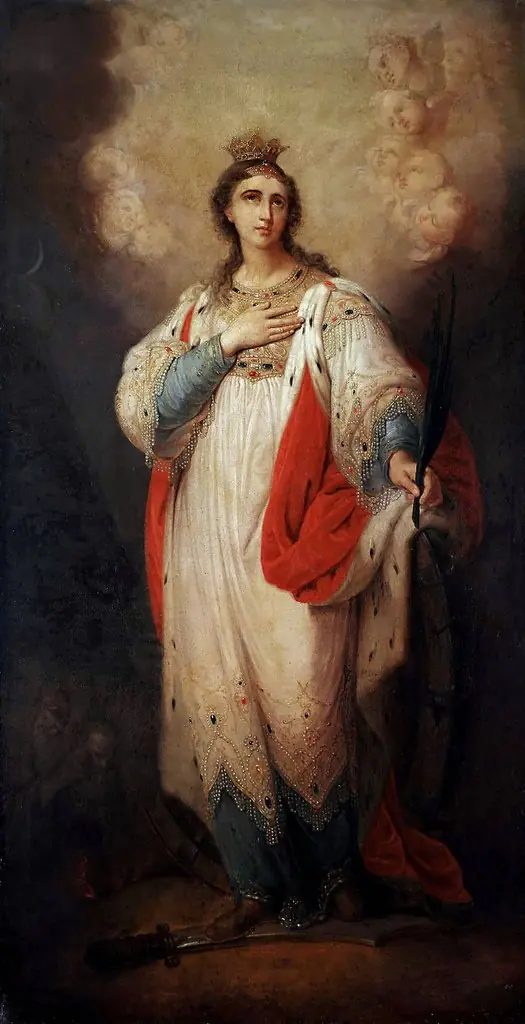
The Assumption of St Lucy
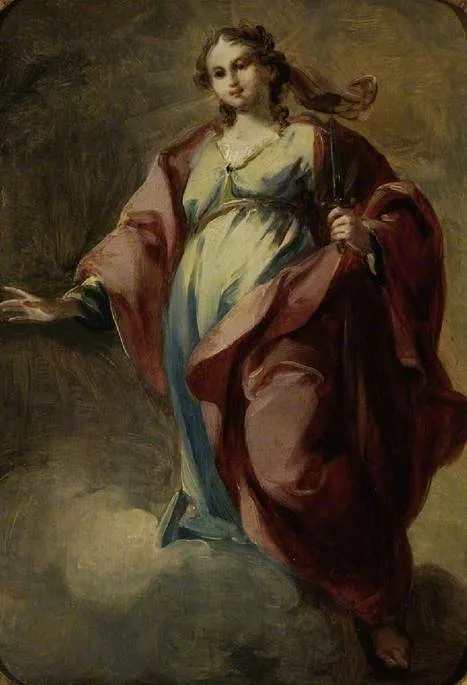
The Assumption of St Lucy is an oil painting by Carlo Carlone. It dates from 1736 and is held in the collection of the Fitzwilliam Museum.
About this work
Overview
The Assumption of St Lucy is an oil painting created by Carlo Innocenzo Carlone around 1736. It is now part of the Fitzwilliam Museum's collection.
Subject & Meaning
The painting portrays St Lucy in a moment of ascension, symbolized by her stance on a cloud. Her serene facial expression and calm posture convey spiritual tranquility. Attributes include a sword in her left hand and an outstretched right arm, suggesting divine calling or benediction.
Technique & Style
Carlone executed the work in oil paint, characterized by a muted brown background that contrasts with the subject's white dress and red cloak. The composition emphasizes harmony and balance, reflective of Baroque's later, more restrained phases.
History & Provenance
Created circa 1736 by Carlo Innocenzo Carlone, the painting's history prior to its acquisition by the Fitzwilliam Museum is not detailed here. Carlone was active in the Holy Roman Empire from 1686 to 1775.
Context
As a religious artwork from the early 18th century, The Assumption of St Lucy reflects the ongoing influence of Catholic iconography during the Baroque period, adapted with a sense of calmness distinct from the drama of earlier Baroque works.
Legacy
The painting's legacy is tied to its representation of St Lucy and its place within Carlone's oeuvre, offering insight into the artistic and religious sentiments of its time. Specific impact or notable exhibitions are not highlighted in available information.
Artist & collection
Artist
Carlo Innocenzo Carlone or Carloni (1686–1775) was an Italian painter and engraver, active especially in the Holy Roman Empire.

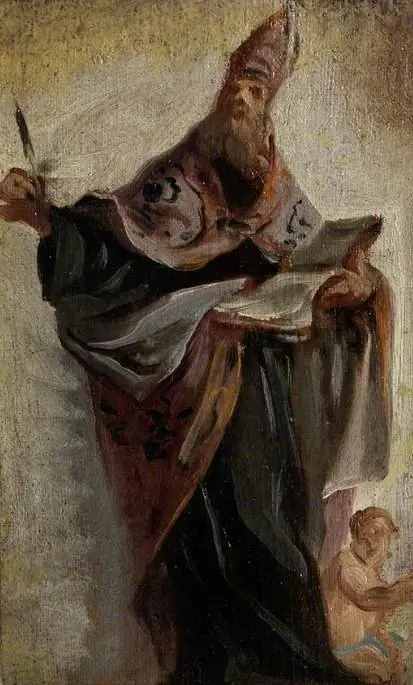
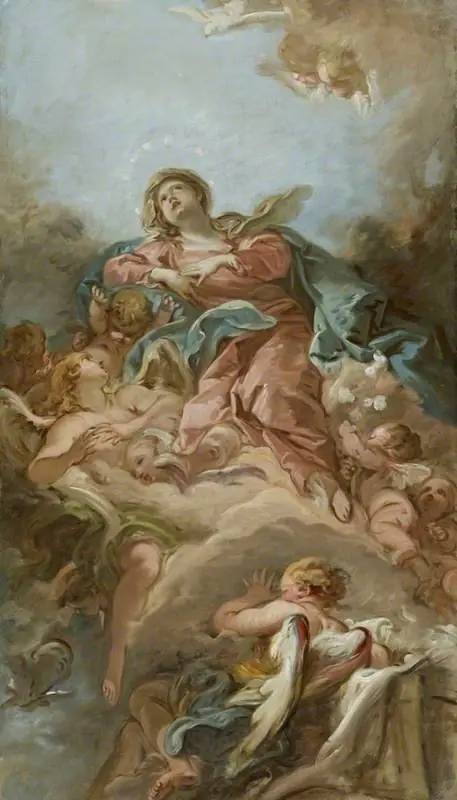 The Assumption of the Virgin
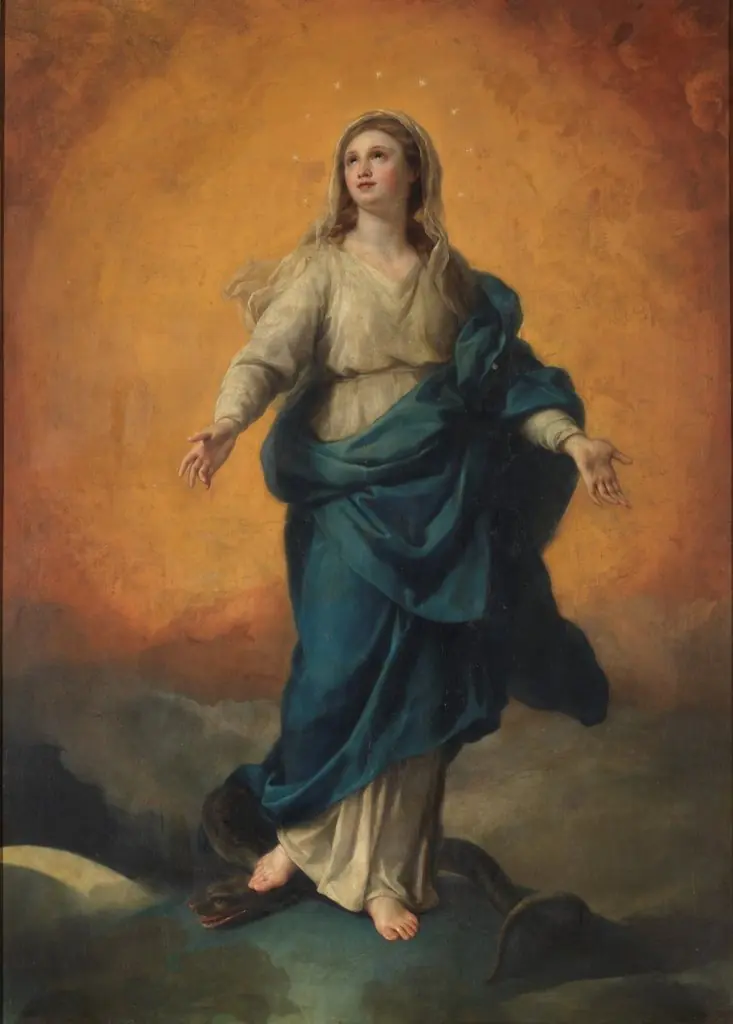 The Immaculate Conception
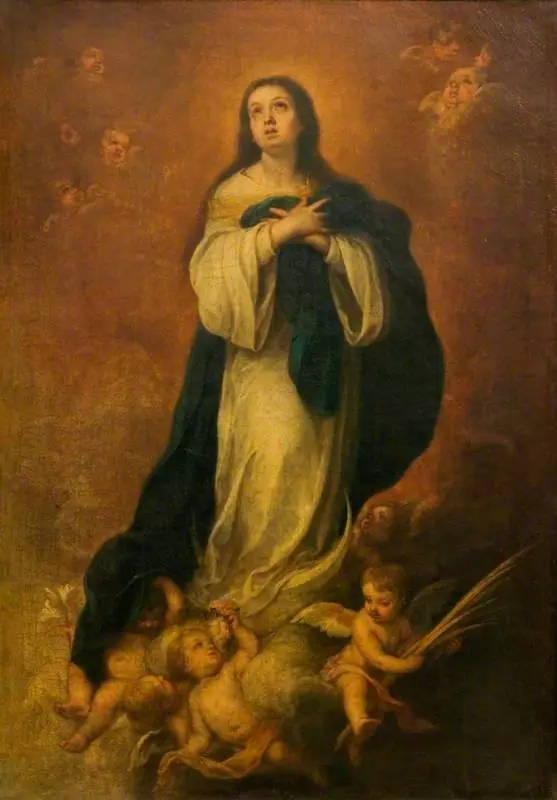 The Immaculate Conception
 Marian neitseellinen sikiäminen, kopio Murillon mukaan
 Moses (dummy board)
 The Virgin with St. John
 Virgin Annunciate
 The Immaculate Conception
 The Immaculate Conception
 St Dominic de Guzmán receiving the Rosary
 St. Catherine
 Saint Catherine