Artwork
Ecce Homo
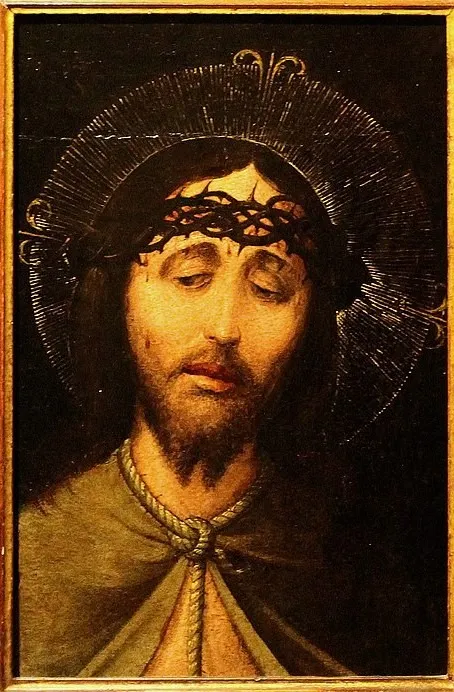
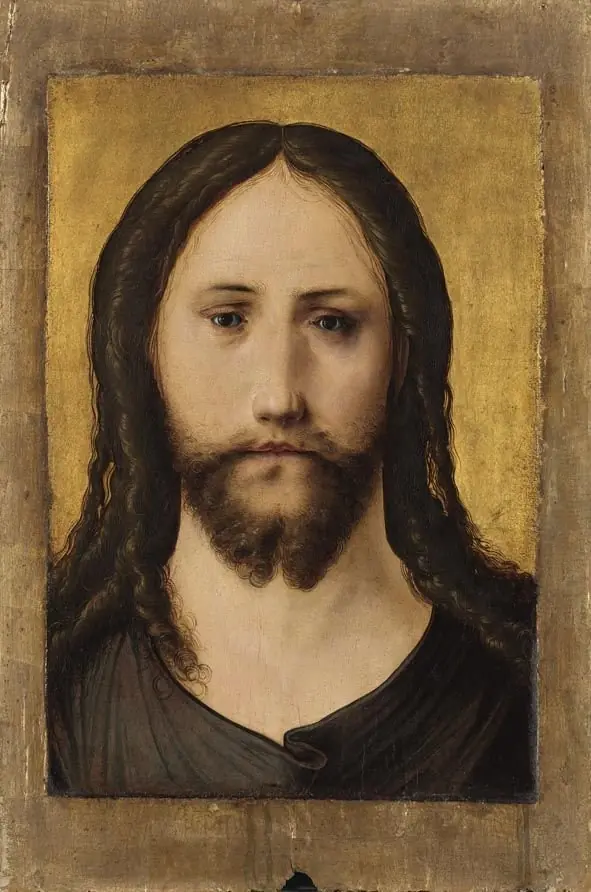
Ecce Homo is an unspecified painting by the Early Baroque Italian artist Unknown. It dates from 1600 and is held in the collection of the National Museum of Ancient Art. This oil painting depicts Jesus Christ in a moment of quiet resignation, rendered with restrained emotional intensity.
About this work
Overview
This oil painting depicts Jesus Christ in a moment of quiet resignation, rendered with restrained emotional intensity. His gaze is lowered, face turned slightly to the right, conveying a sense of inner stillness amid suffering. The composition isolates the figure against a deep, unbroken shadow, emphasizing his presence through subtle illumination.
Subject & Meaning
The image references the biblical moment when Pontius Pilate presents Jesus to the crowd with the words 'Ecce Homo'—'Behold the Man.' The crown of thorns and knotted rope signify humiliation and physical restraint, yet the serene expression suggests spiritual composure. The halo of light around the head contrasts with the surrounding darkness, hinting at divine presence amid human suffering.
Technique & Style
The artist employs fine brushwork to render the intricate details of the thorns and the texture of the rope, enhancing tactile realism. Light is carefully modulated to define the contours of the face and crown, while the background remains void of detail, focusing attention on the figure. The palette is muted, dominated by earth tones and soft highlights, reinforcing the solemn tone.
History & Provenance
The painting’s origins are not securely documented, but its style aligns with early 17th-century Spanish or Italian devotional works. It likely served as a private meditative object rather than a public altarpiece. No known records trace its ownership prior to the 20th century, and its current location remains within a private or institutional collection without public exhibition history.
Context
Created during a period when Counter-Reformation spirituality emphasized Christ’s humanity and suffering, such images were intended to inspire personal devotion. The focus on physical detail—thorns, rope, facial expression—mirrored contemporary religious practices encouraging empathetic contemplation of Christ’s Passion, distinct from grand narrative scenes common in earlier periods.
Legacy
The painting contributes to a broader tradition of intimate Christological imagery that prioritized emotional resonance over theatricality. While not widely reproduced or studied, its quiet intensity reflects a persistent devotional mode in European religious art, where restraint and detail served as vehicles for spiritual reflection rather than spectacle.
Artist & collection

 Domestic Scene
 Giacomo and Cardinal Marco, investing Andrea, Abbot of San Zeno, with his Benefice
 The Nymph of Fontainebleau
 Portrait of a Woman
 Madonna and Child with Saints in the Enclosed Garden
 Venus and Minerva
 Family Group of Four on Sofa
 Wall painting from Room H of the Villa of P. Fannius Synistor at Boscoreale
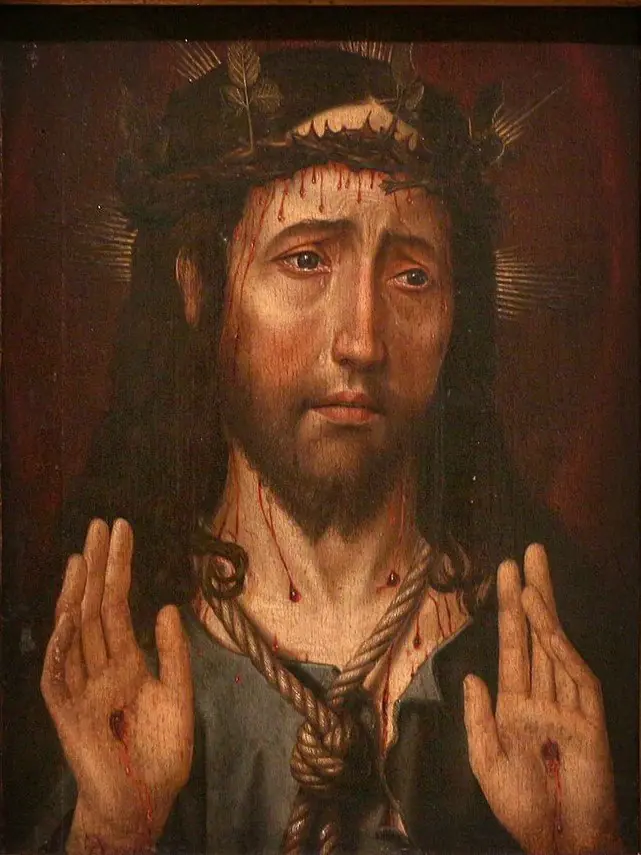 Cristo coroado de espinhos
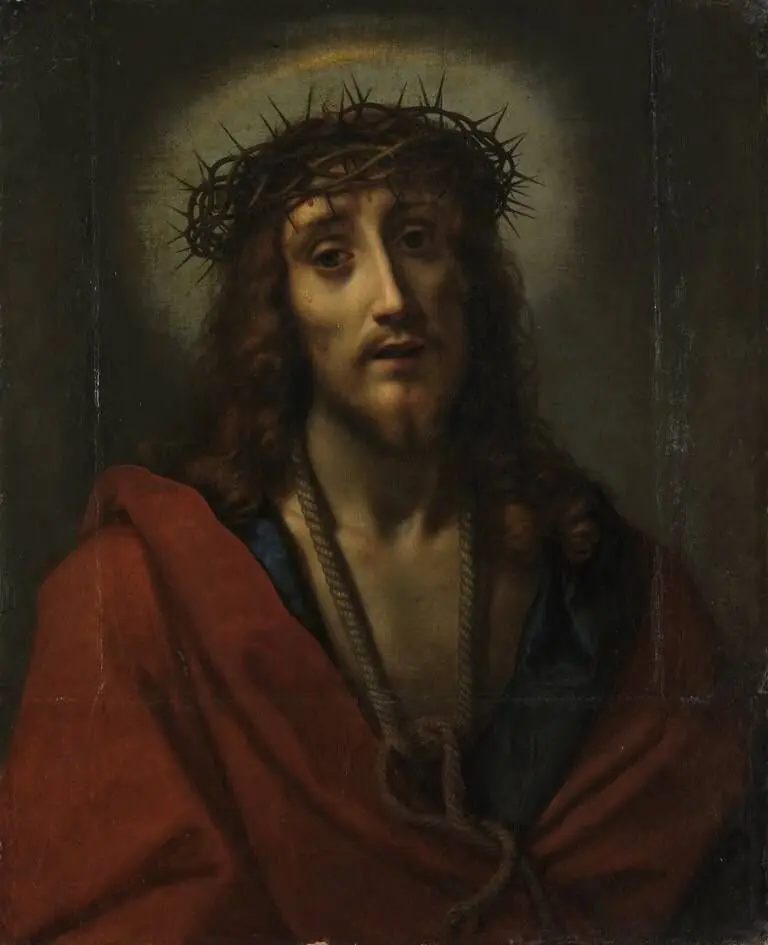 Ecce homo (?)
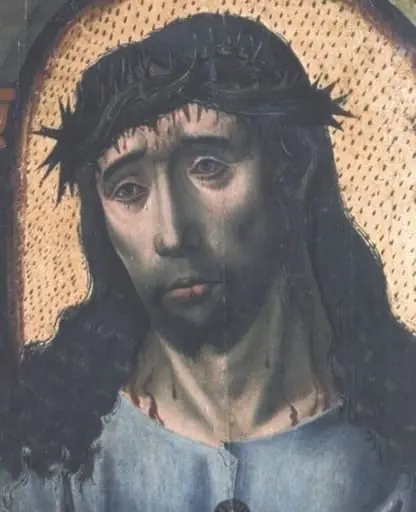 Vir Dolorum
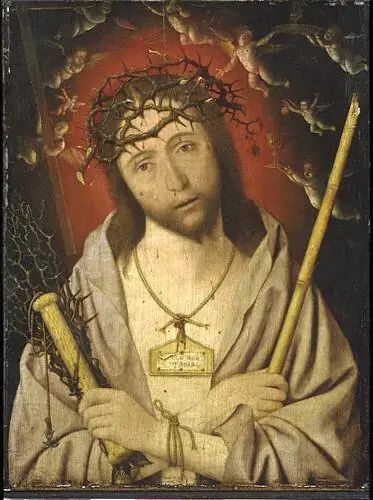 Christus als Schmerzensmann
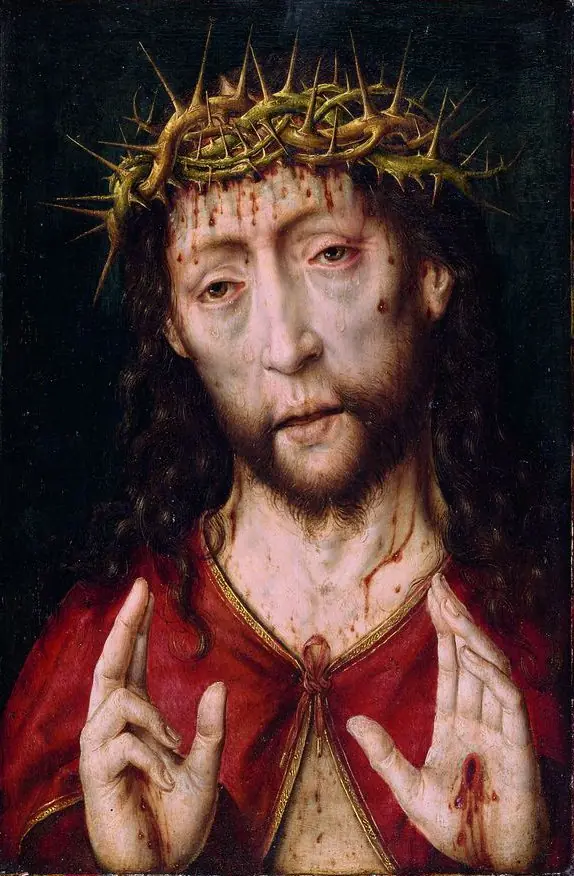 Christ Crowned with Thorns
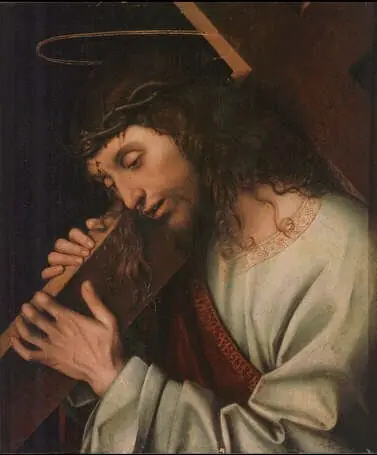 Christ carrying the cross
 Christ Crowned with Thorns
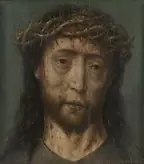 Christ as the Man of Sorrows; Reverse, Skull with date 1534
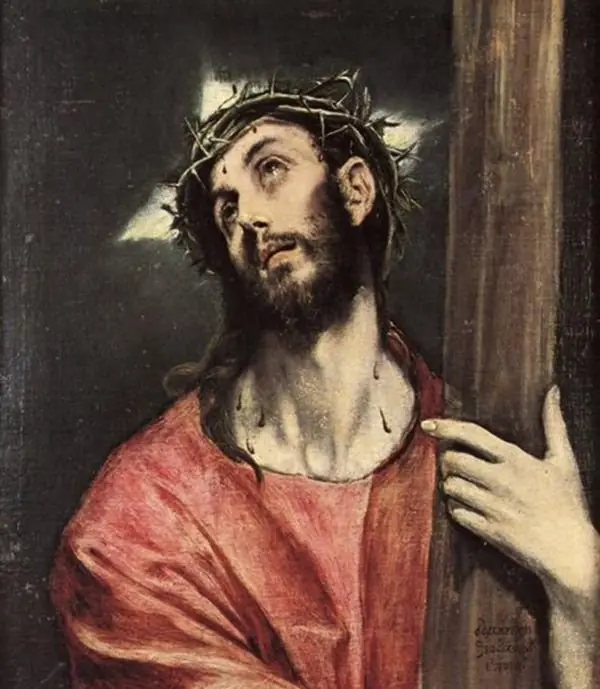 Christ with the Cross
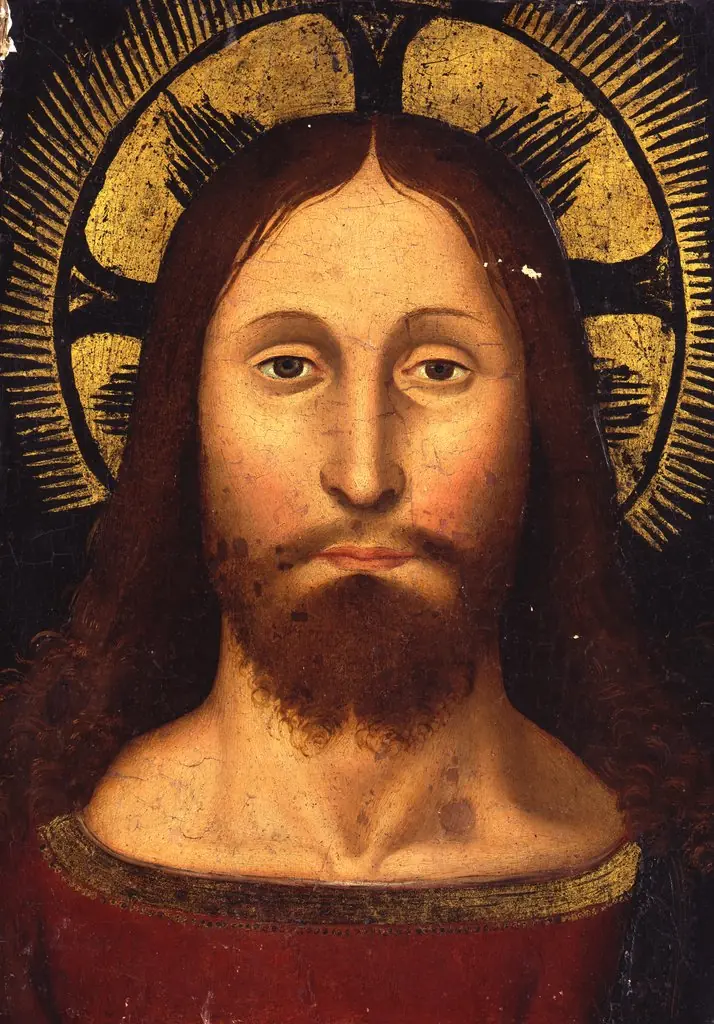 The Sacred Face of Christ (Vera Icon)
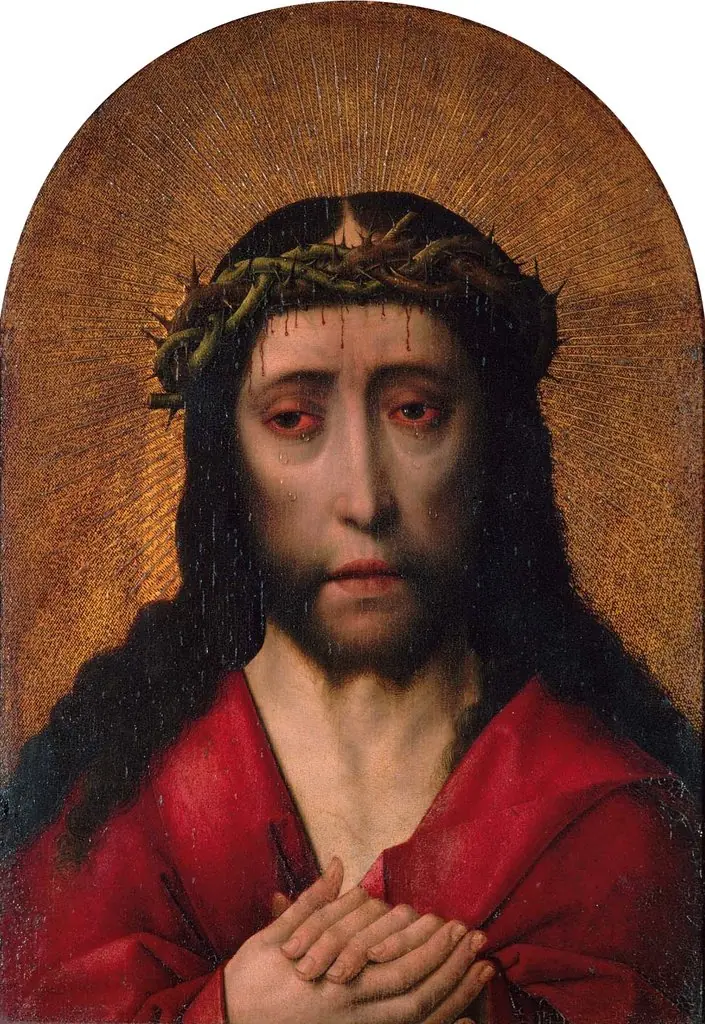 Christ Crowned with Thorns
 Christuskopf