Artwork
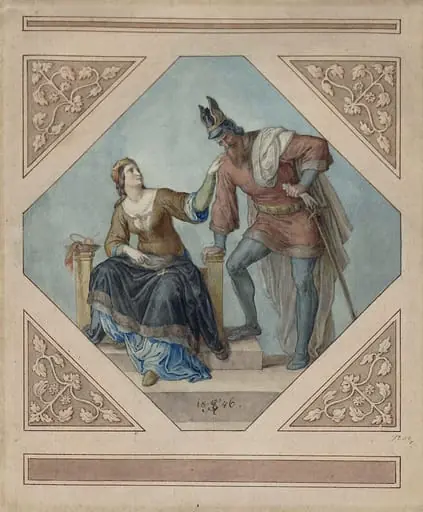
Siegfried and Chriemhilda
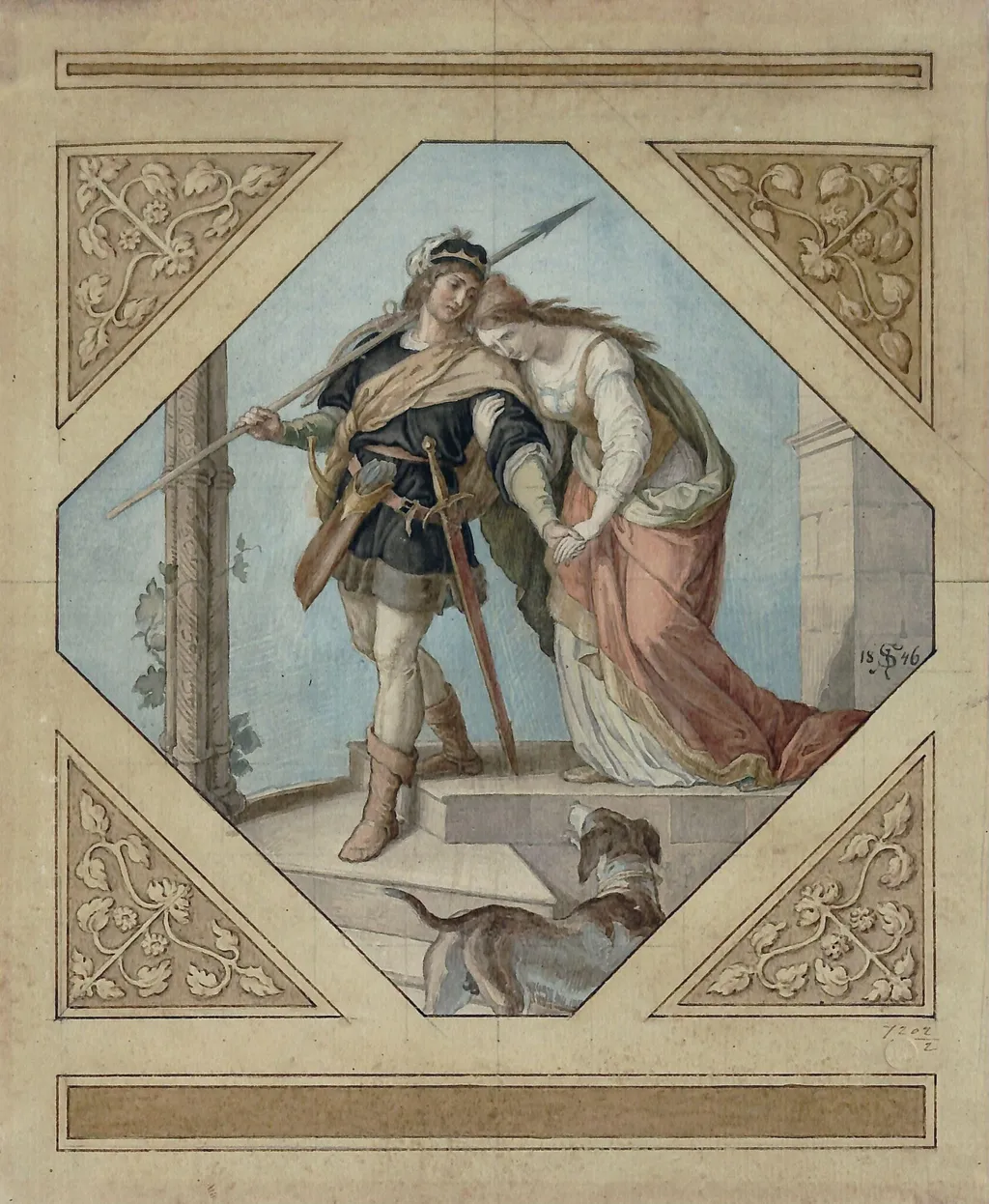
Siegfried and Chriemhilda is a watercolor work on paper by the German Romanticist artist Julius Schnorr von Carolsfeld. It dates from 1846 and is held in the collection of the Victoria and Albert Museum.
About this work
Overview
Created in 1846 by Julius Schnorr von Carolsfeld, this watercolour is one of forty illustrations produced for a deluxe edition of the *Nibelungenlied*.
Created in 1846 by Julius Schnorr von Carolsfeld, this watercolour is one of forty illustrations produced for a deluxe edition of the *Nibelungenlied*. Executed in delicate washes and fine linework, the piece was intended as a printed plate, blending literary narrative with medieval revival aesthetics. Its ornate gold-leaf borders suggest its origin within a codex-like format, aligning it with 19th-century efforts to revive manuscript traditions.
Subject & Meaning
The scene captures Siegfried and Kriemhild in a moment of quiet tension, likely after their marriage or before a fateful turn in the epic. Siegfried, armored and upright, embodies stoic heroism, while Kriemhild kneels, her posture suggesting sorrow or resignation. The presence of a dog at her feet reinforces themes of loyalty and impending loss. The composition avoids overt violence, instead emphasizing emotional gravity and the weight of fate.
Technique & Style
Schnorr employed transparent watercolour over fine pencil underdrawing, building subtle tonal shifts to define form without heavy shading. The figures are rendered with precise, linear clarity, reflecting his training in the Nazarene style. Gold leaf borders, applied as decorative framing, echo medieval illuminated manuscripts. The minimal background—blue wall, wooden frame—focuses attention on the figures and their psychological interplay.
History & Provenance
The watercolour was produced as part of a commissioned series for the 1846 publication *Bibel in Bildern*, which included scenes from biblical and Germanic legends. Schnorr, a leading figure in the Nazarene movement, sought to revive moral and historical storytelling in art. The series was widely circulated in Germany and influenced later illustrators of medieval epics, though the original watercolours remained largely in private collections.
Context
In mid-19th-century Germany, there was a surge of interest in national myths and medieval literature as part of cultural identity formation. Schnorr’s illustrations responded to this trend, aligning with Romanticism’s fascination with emotion, heroism, and the past. His work was not merely decorative but intended as a visual counterpart to scholarly editions of the *Nibelungenlied*, bridging literature and fine art.
Legacy
Schnorr’s *Nibelungenlied* illustrations became a reference point for later German illustrators and designers, particularly in book arts. Though less known today than his biblical works, this series exemplifies the Nazarenes’ commitment to narrative integrity and historical fidelity. The watercolours remain studied for their synthesis of medieval aesthetics with 19th-century technique, influencing the visual language of fantasy and mythic illustration in the decades that followed.
Artist & collection
Artist
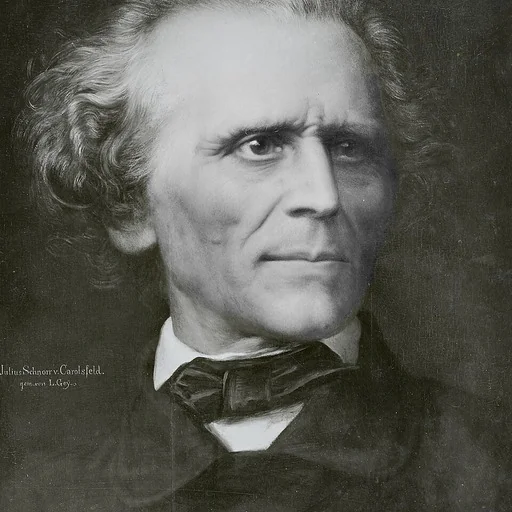
Julius Schnorr von Carolsfeld (26 March 1794 – 24 May 1872) (German pronunciation: ) was a German painter, chiefly of Biblical subjects.

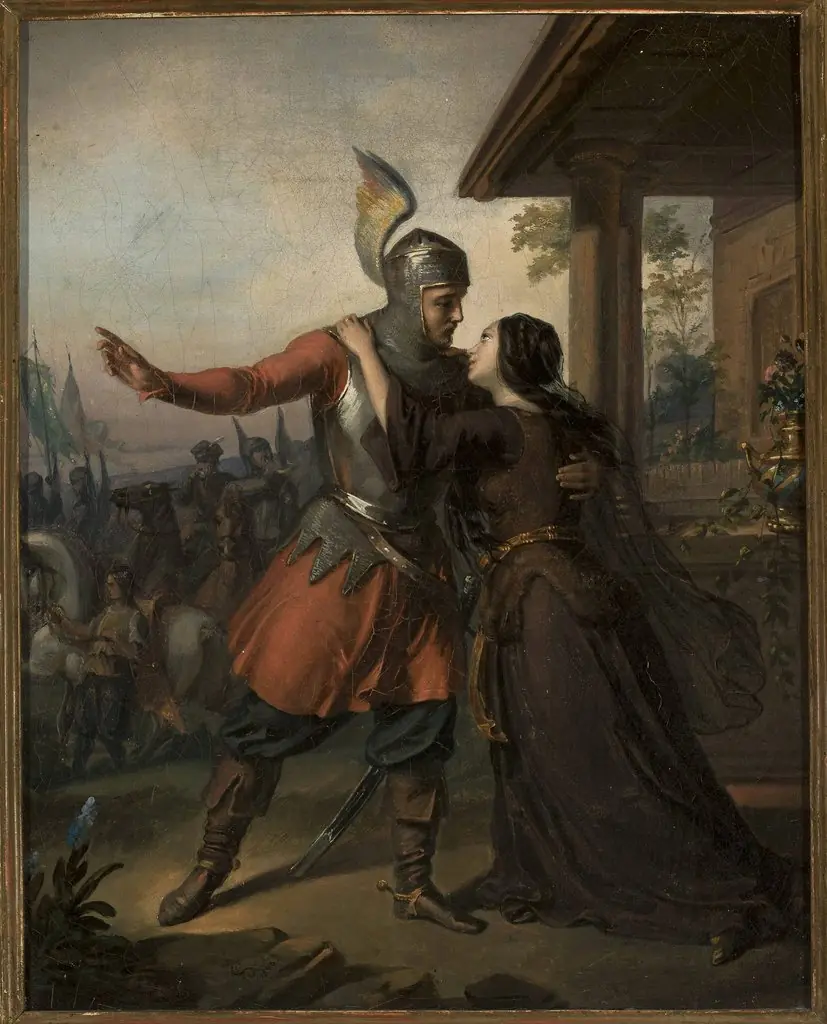 Wacław's farewell to Maria
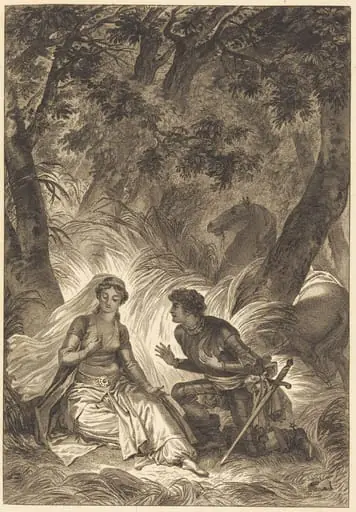 La fiancee du roi de Garbe: La chevalier
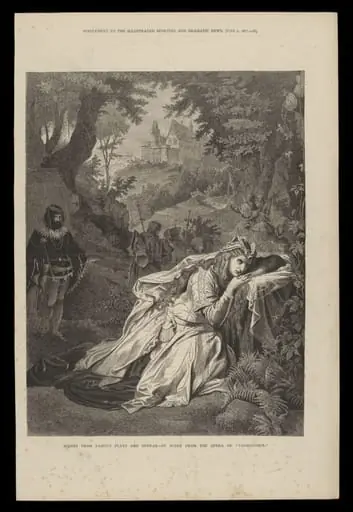 H Beard Print Collection
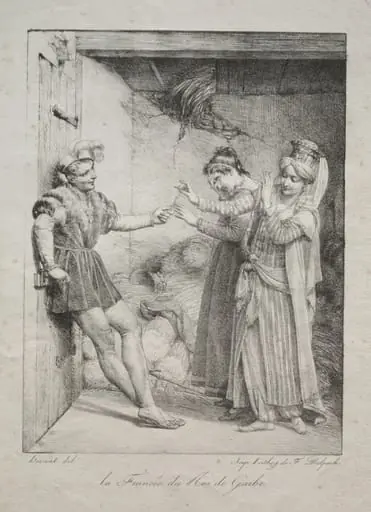 The Fiancée of the King of Garbe
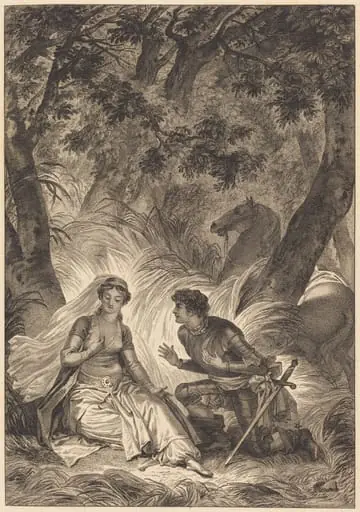 La fiancee du roi de Garbe: La chevalier
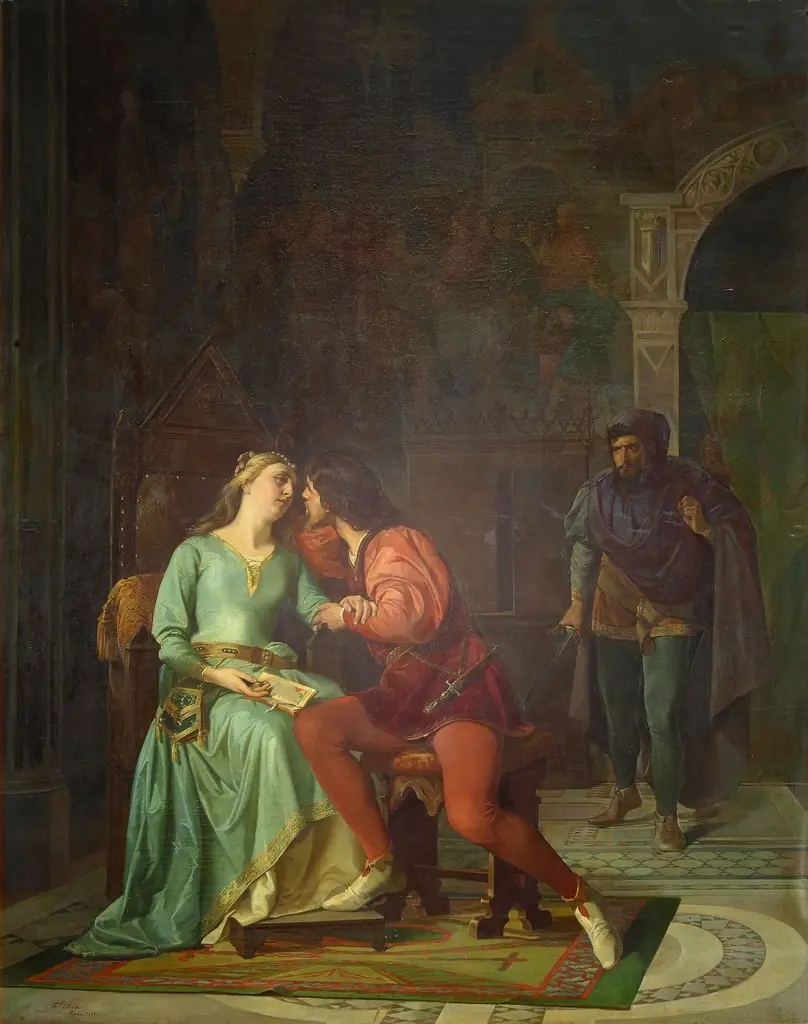 Francisca de Rímini
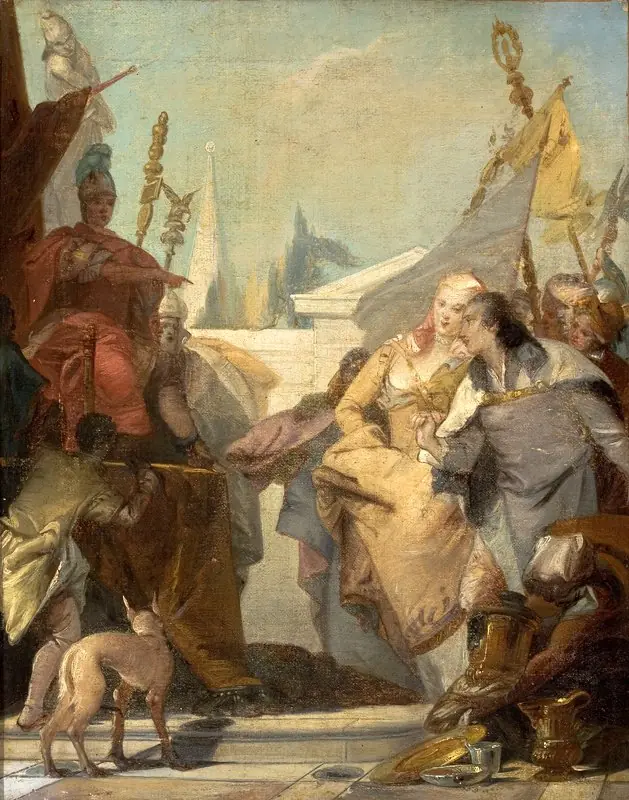 Continence of Scipio
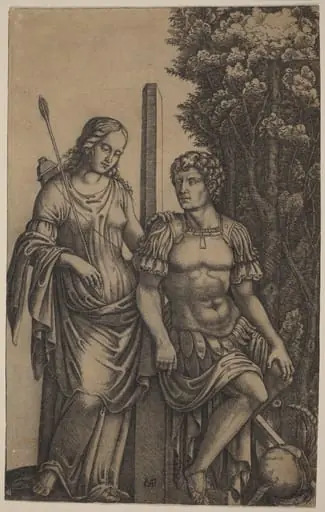 Venus Appearing to Aeneas
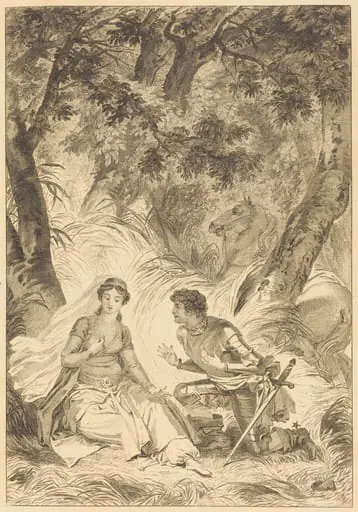 La fiancee du roi de Garbe: La chevalier
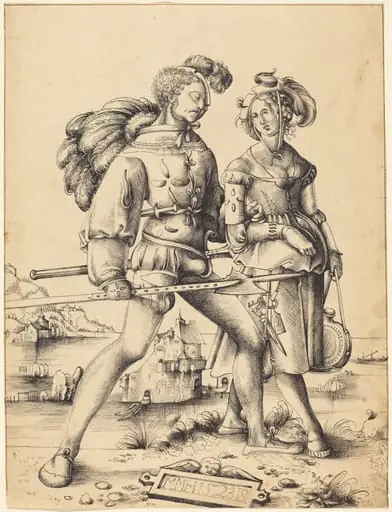 A Soldier Walking with a Camp Follower
 XXX: Thirty Years