Artwork
The Madonna and Child with an Apple
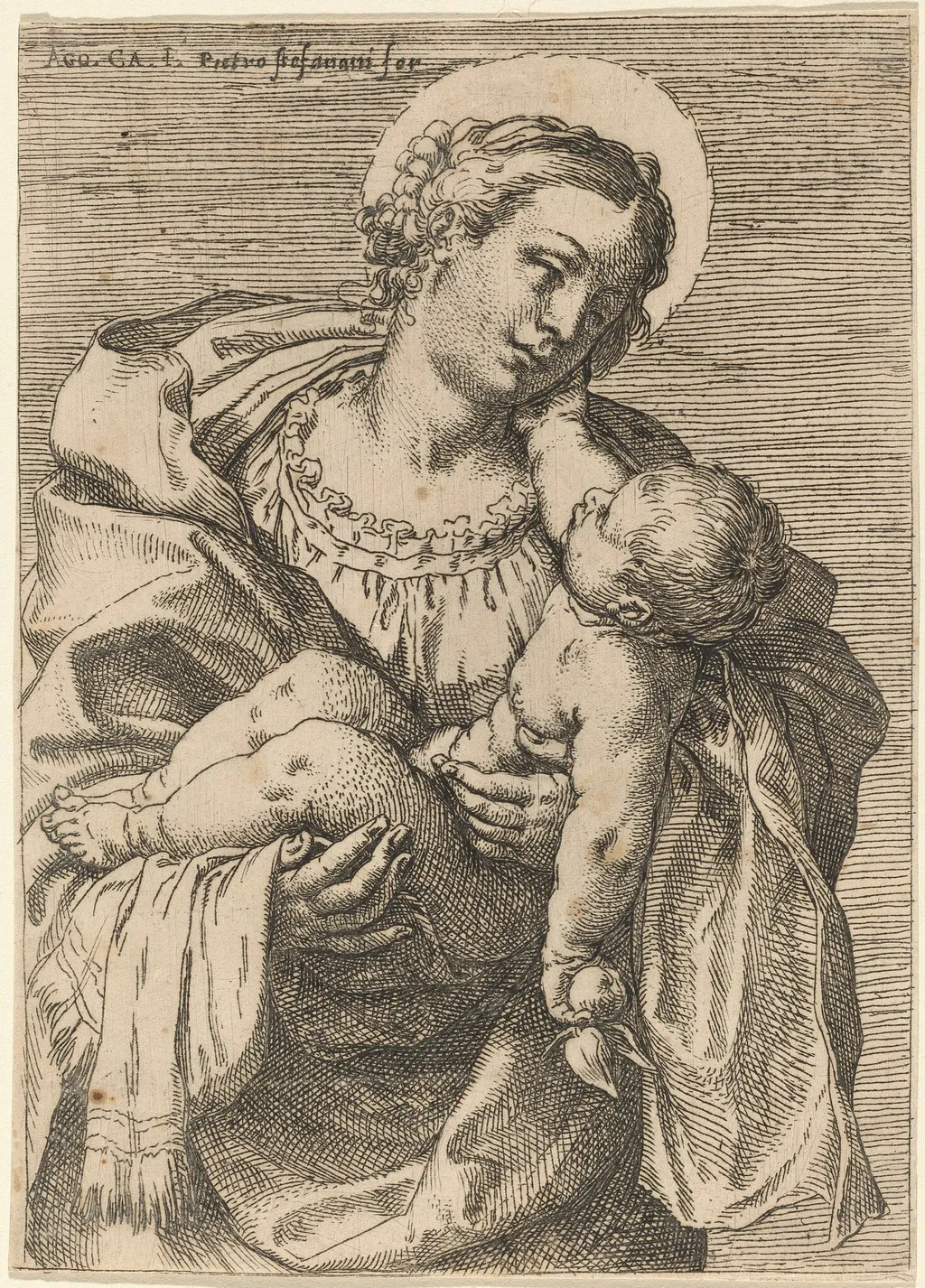
The Madonna and Child with an Apple is an ink print by the Renaissance artist Annibale Carracci. It dates from 1592 and is held in the collection of the National Gallery of Art.
About this work
Overview
Created in 1592, *The Madonna and Child with an Apple* is an etching and engraving on laid paper by Annibale Carracci, a pivotal Italian artist in the transition towards the Baroque style.
Subject & Meaning
Depicting a serene Madonna gently offering an apple to a reaching infant, the work embodies the religious themes prevalent during the period, combining classical serenity with dynamic, lifelike interaction.
Technique & Style
Characterized by dark, precise lines and meticulous shading, the piece showcases Carracci's mastery of etching and engraving. The detailed linework, particularly in drapery and hair, highlights the innovative depth and texture achievable through these techniques in his era.
History & Provenance
Attributed to Annibale Carracci, this print reflects his role, alongside his brother and cousin, in shaping the Baroque movement by blending classical influences with vibrant energy. Provenance details are not specified in the provided information.
Context
Produced in a time emphasizing classical monumentality infused with vitality, the work situates itself within the broader artistic shift towards Baroque, distinguished by its harmonious balance of traditional and emerging stylistic elements.
Legacy
As a work by a key figure in the development of Baroque, *The Madonna and Child with an Apple* contributes to the understanding of the stylistic transition in late 16th-century Italian art, highlighting the technical and aesthetic innovations of its time.
Artist & collection
Artist
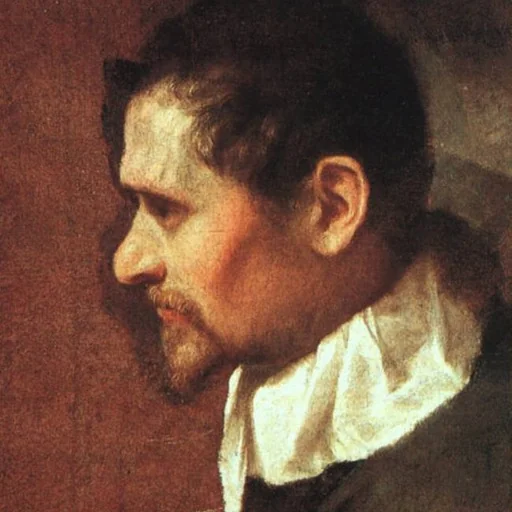
Annibale Carracci ( kə-RAH-chee, UK also kə-RATCH-ee, Italian: ; November 3, 1560 – July 15, 1609) was an Italian painter and instructor, active in Bologna and later in Rome.


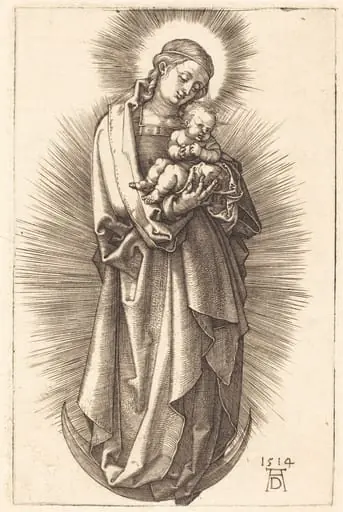 The Virgin and Child on a Crescent with a Diadem
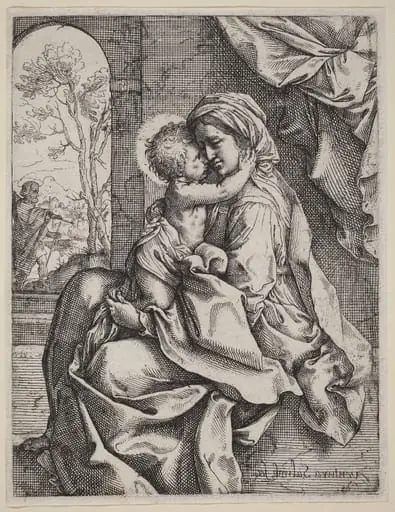 Virgin and Child
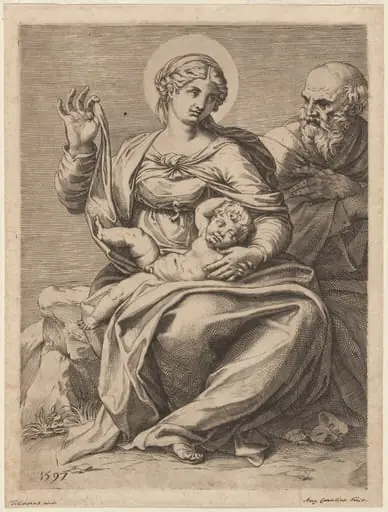 The Holy Family
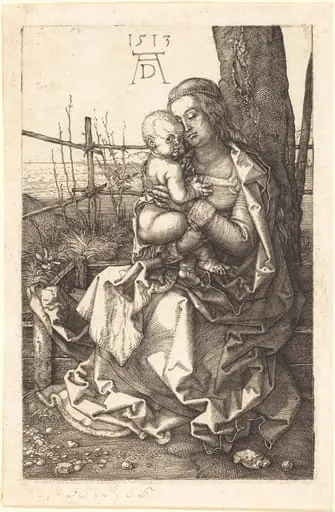 The Virgin and Child Seated by a Tree
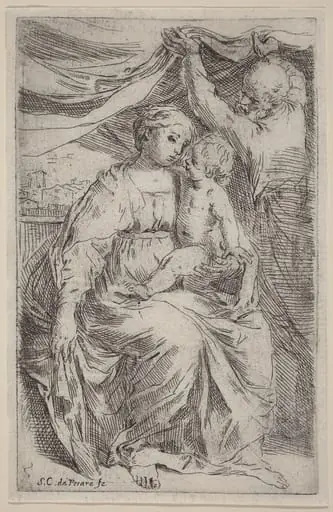 The Holy Family
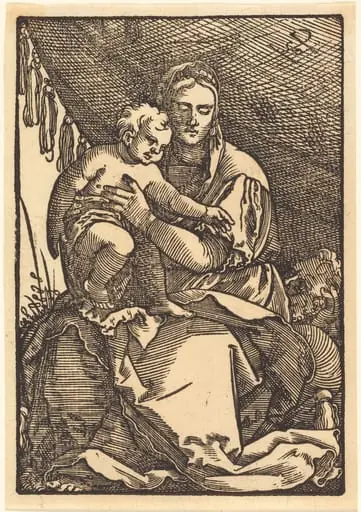 The Holy Family Under a Canopy
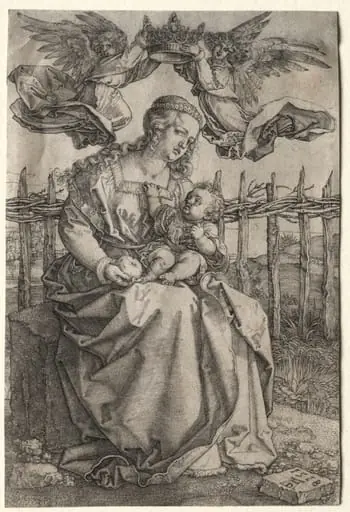 The Virgin Crowned by Two Angels
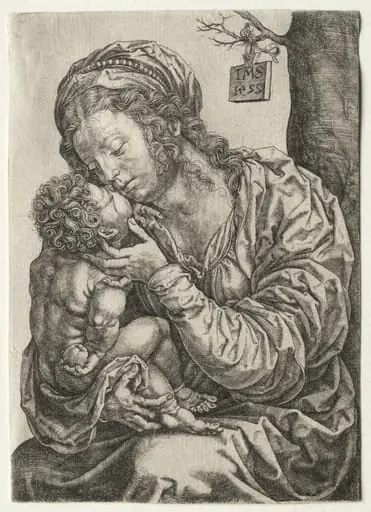 The Virgin Seated at the Foot of a Tree
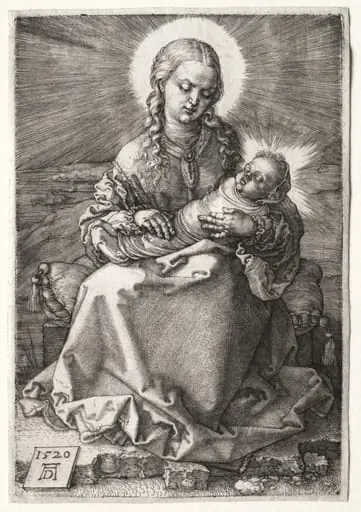 The Virgin with the Swaddled Child
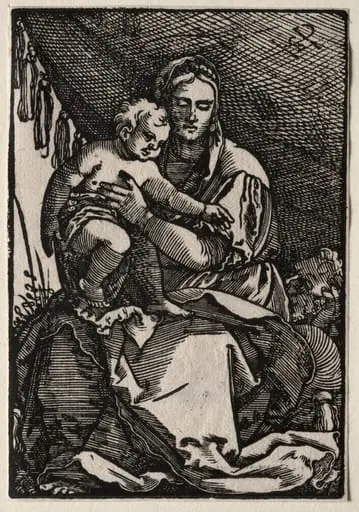 The Holy Family under a Tent
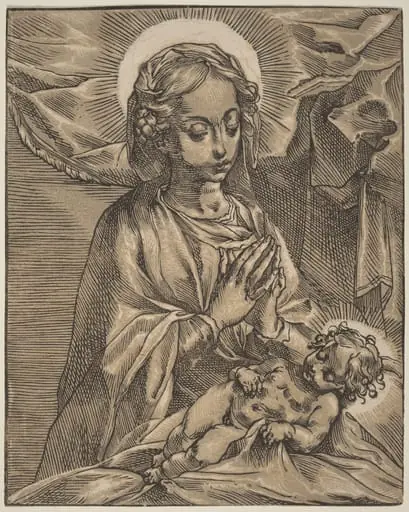 Madonna and Child
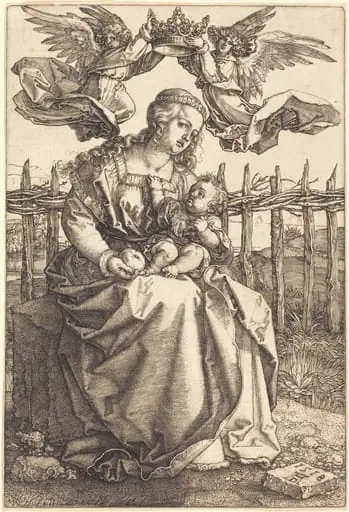 The Virgin and Child Crowned by Two Angels