Artwork
Alphonse Daudet
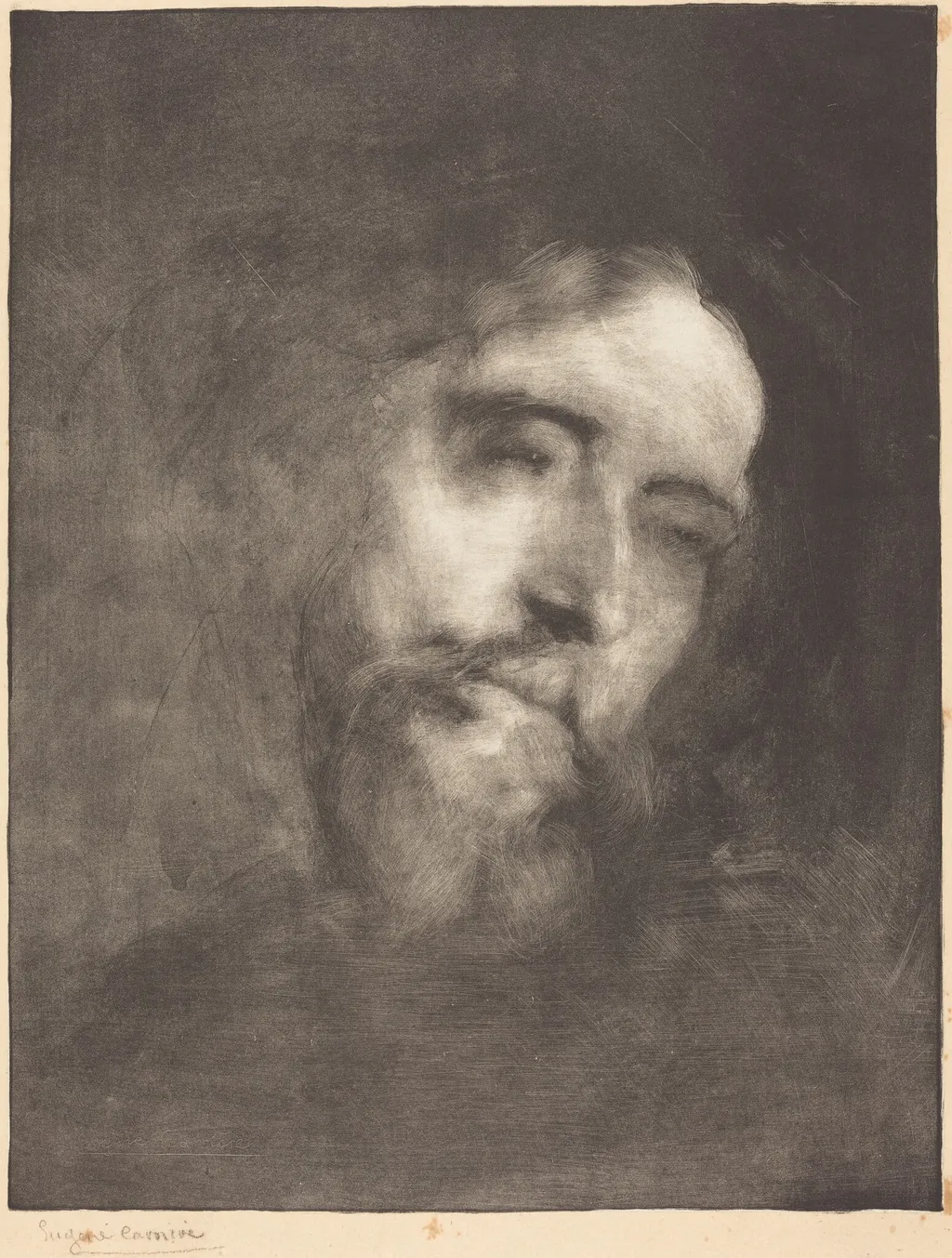
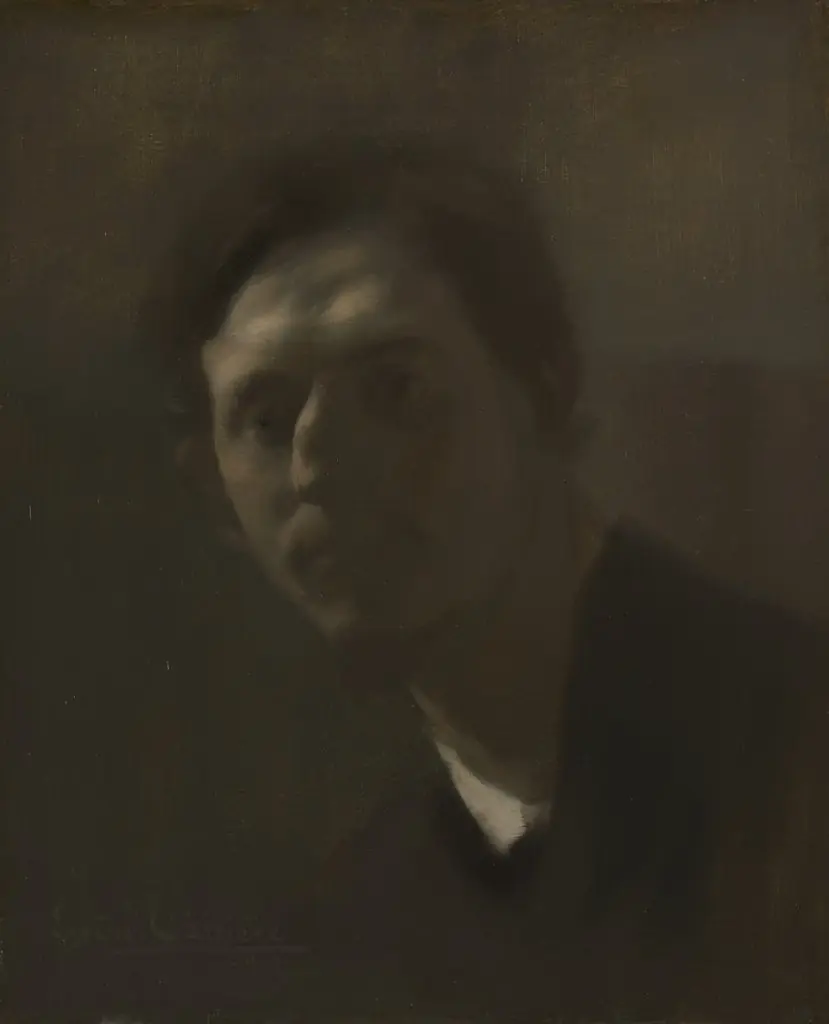
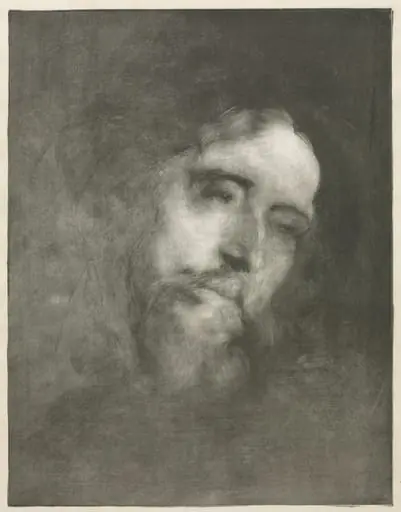
Alphonse Daudet is an ink print by the Impressionist artist Eugène Carrière. It dates from 1893 and is held in the collection of the National Gallery of Art.
About this work
Overview
Alphonse Daudet is a 1893 lithograph by French Symbolist artist Eugène Carrière, depicting a portrait of an older man in a subdued, monochromatic style.
Subject & Meaning
The subject is likely Alphonse Daudet, a French writer, though the portrait's emotional depth suggests the work may also explore the universal qualities of contemplation and age, rather than a straightforward biographical representation.
Technique & Style
Executed in soft, expressive lines, the lithograph features a predominantly dark, plain background, contrasting with the textured, nuanced rendering of the sitter's hair and beard, characteristic of Carrière's signature near-monochrome approach.
History & Provenance
Created in 1893, the work reflects Carrière's associations with late 19th-century French literary and artistic circles, including friendships with Auguste Rodin and influences on later artists like Pablo Picasso.
Context
Alphonse Daudet stands out against the vibrant colorism prevalent in contemporary painting, instead embracing the expressive potential of lithography's monochrome capabilities to evoke a sense of introspection.
Legacy
This lithograph contributes to Carrière's influence on subsequent artistic movements, notably in the somber, expressive qualities that would later characterize Picasso's Blue Period.
Artist & collection

Artist
Eugène Anatole Carrière was a French Symbolist artist of the fin-de-siècle period.

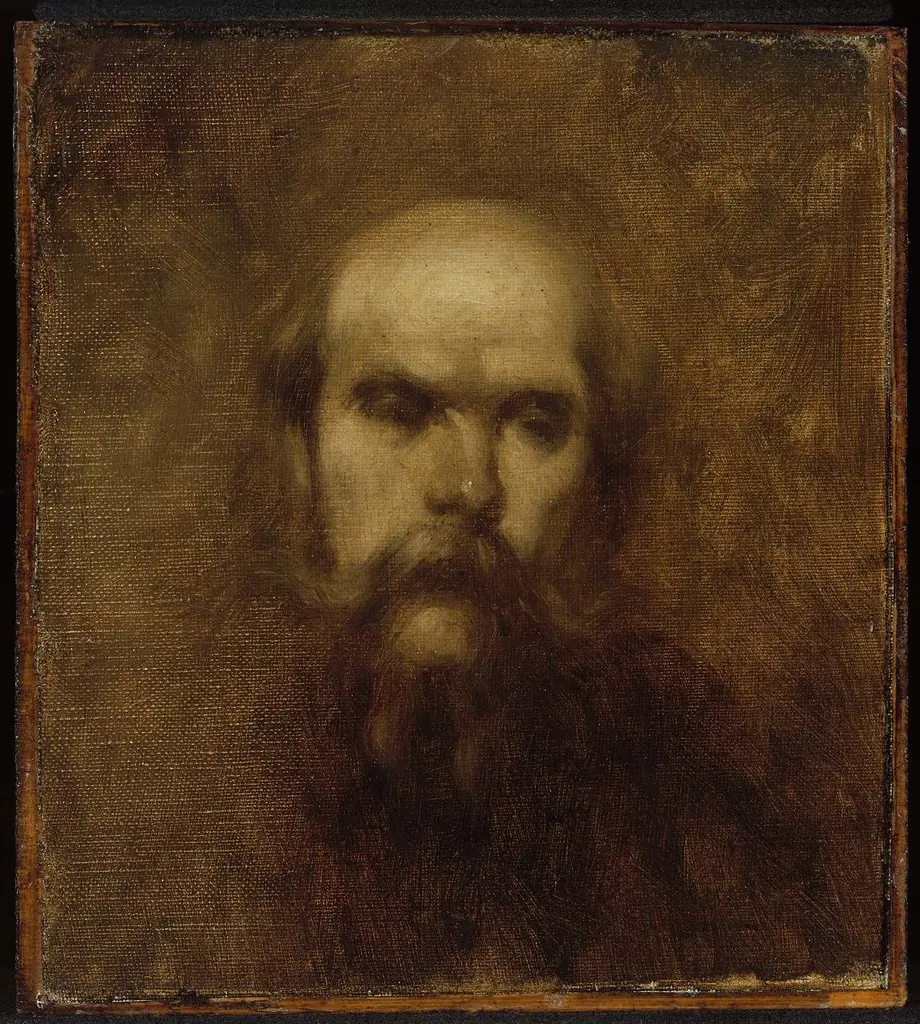
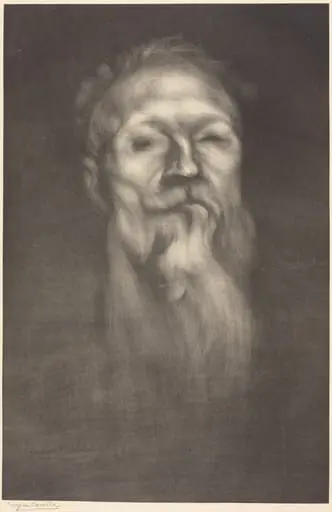 Rodin
Rodin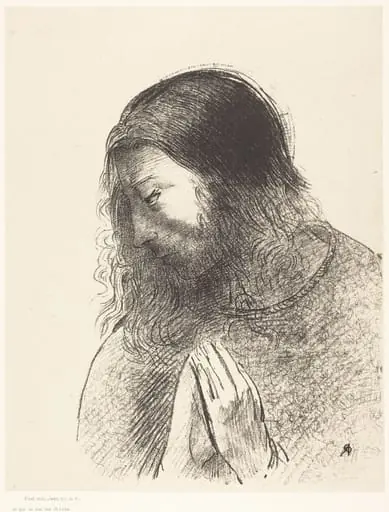 C'est moi, Jean, qui ai vu et qui ai oie ces choses (And I John saw these things and heard them
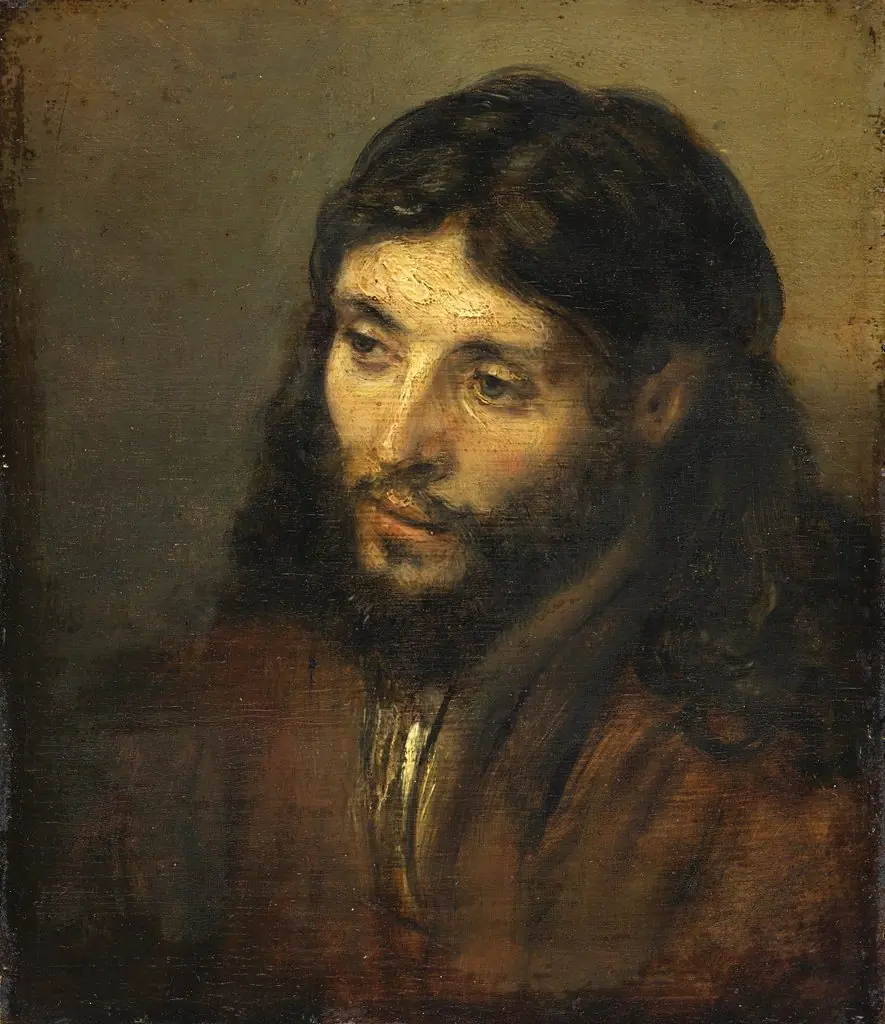 Head of Christ
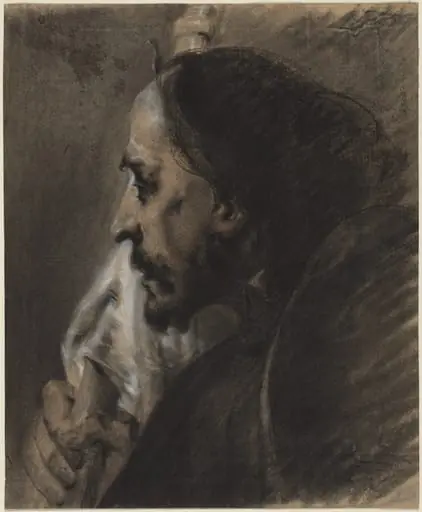 Saint James Major
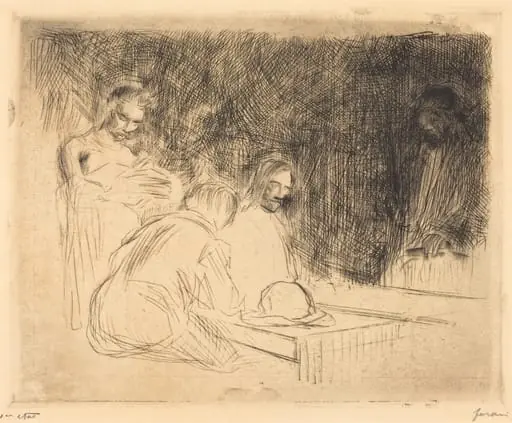 Le repas à Emmaus (3e planche) (The Supper at Emmaus) (third plate)
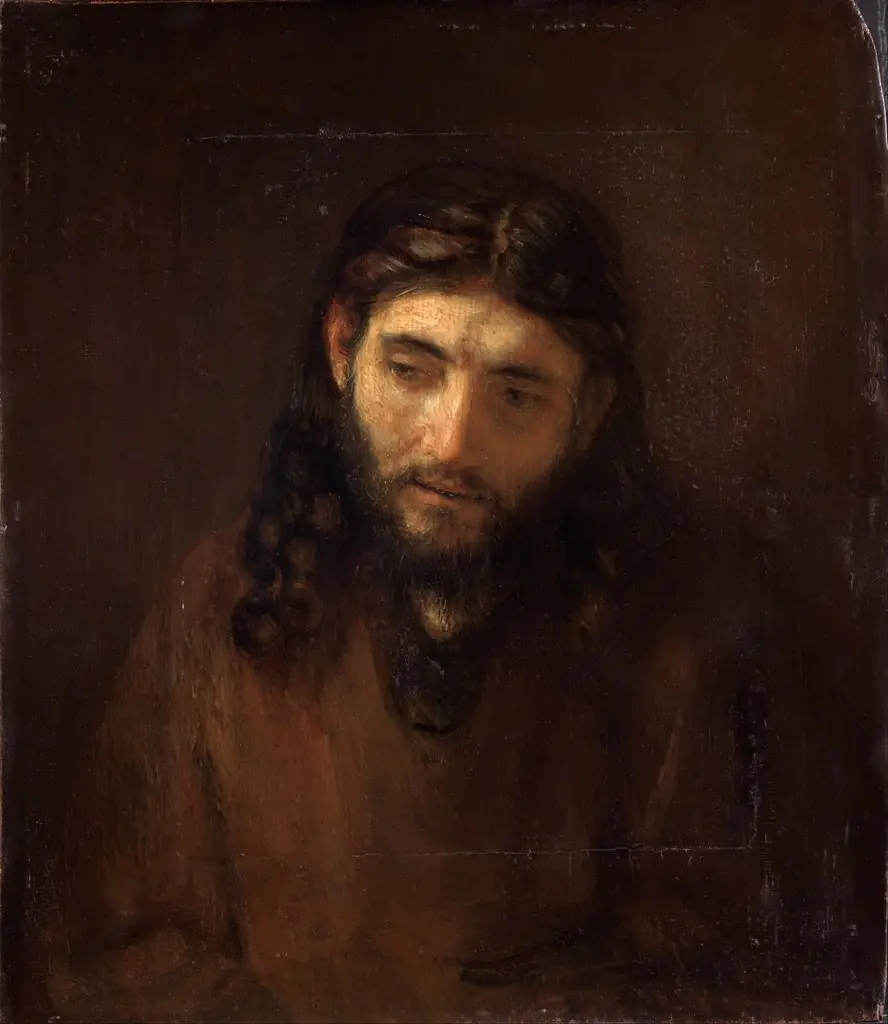 Head of Christ
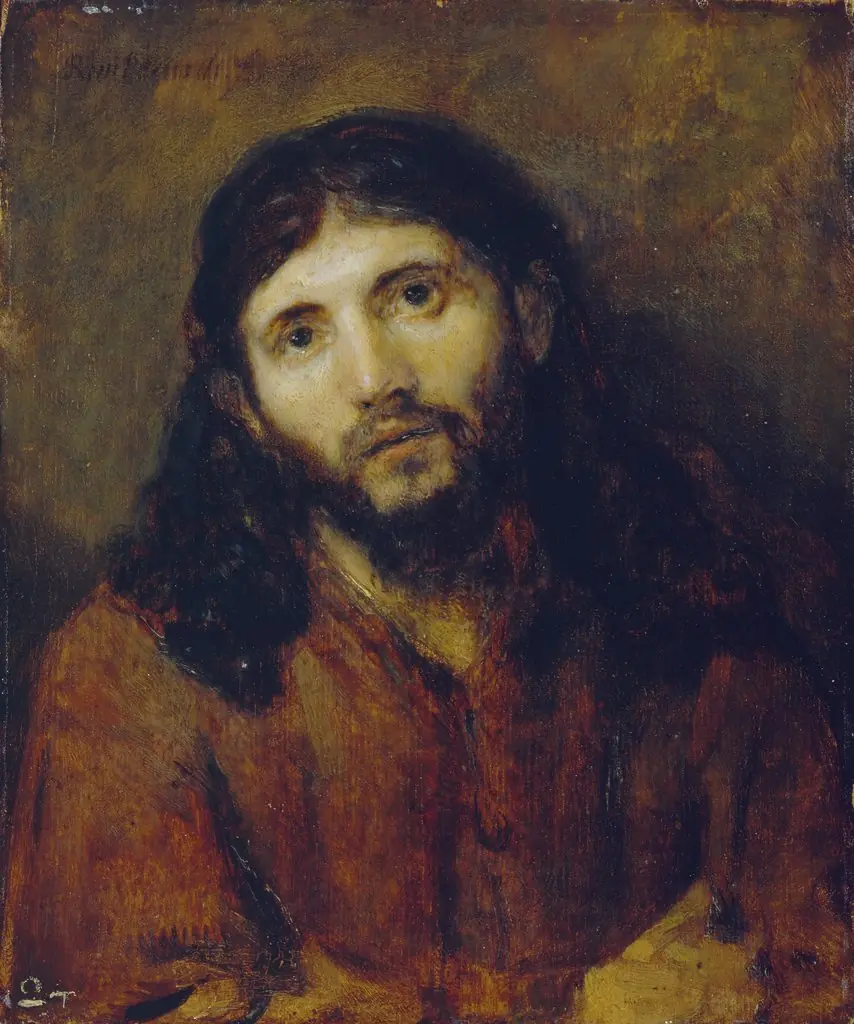 Head of Christ (after 'Dinner at Emmaus' in Louvre)
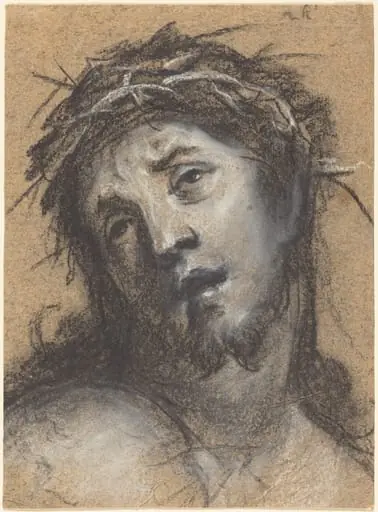 Head of Christ
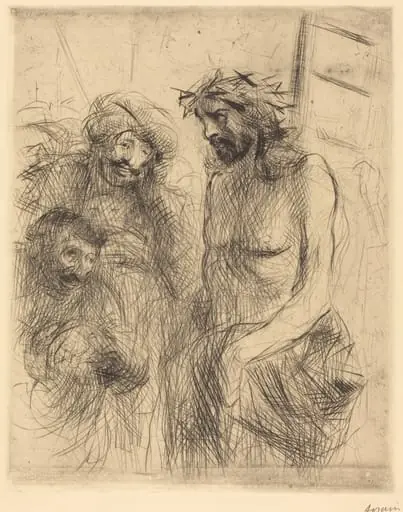 Le Christ aux outrages (The Mocking of Christ)
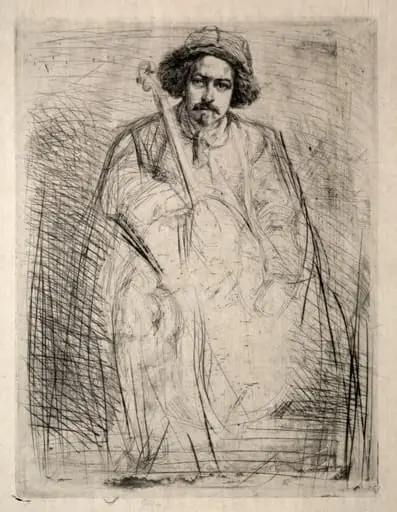 Becquet
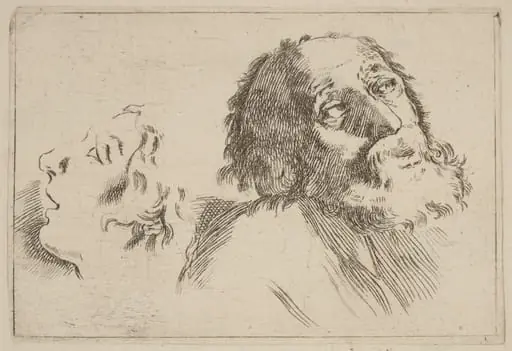 Study of Heads, One Turned to the Right and the Other Turned Left
 Alphonse Daudet