Artwork
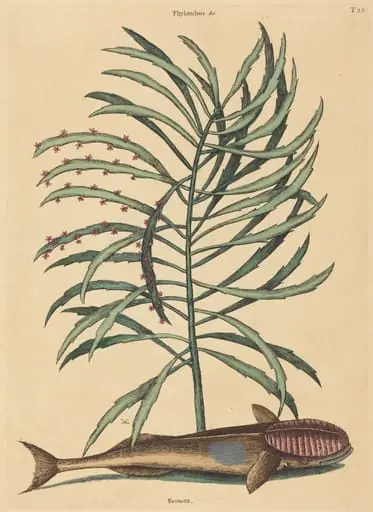
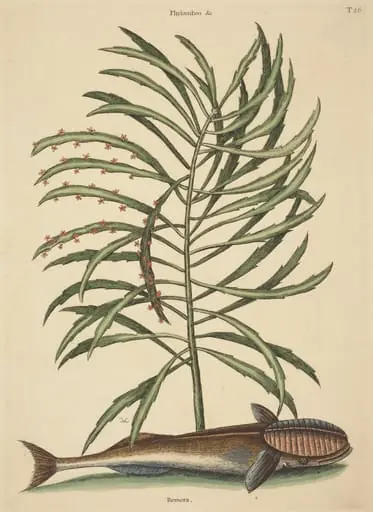
The Globe Fish (Tetrodon lagocephalus)
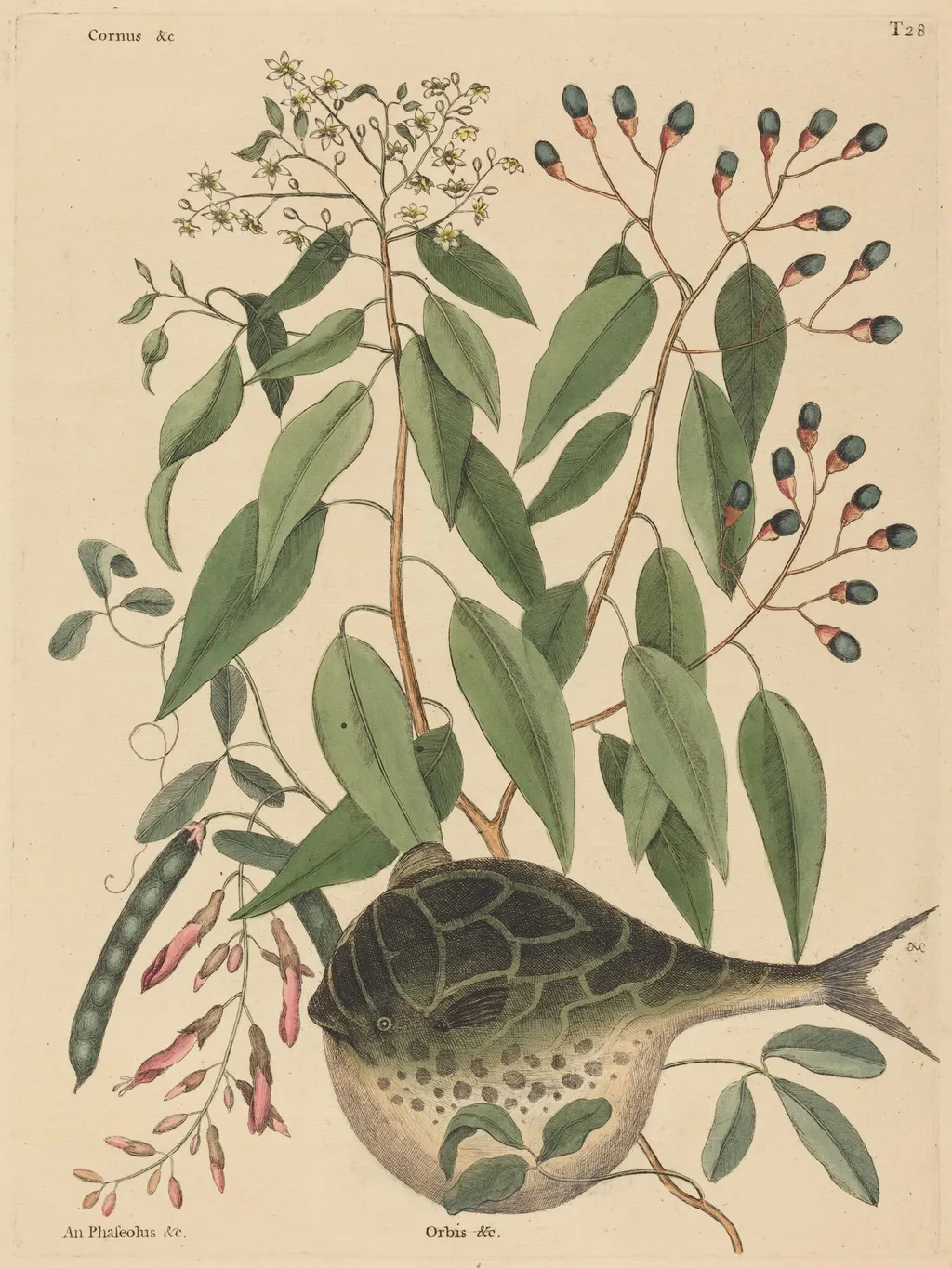
The Globe Fish (Tetrodon lagocephalus) is an ink print by the Baroque artist Mark Catesby. It dates from 1737 and is held in the collection of the National Gallery of Art.
About this work
Overview
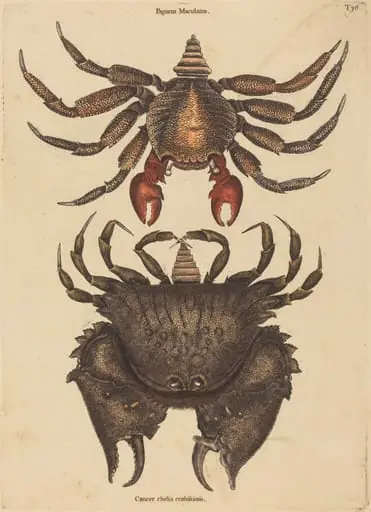
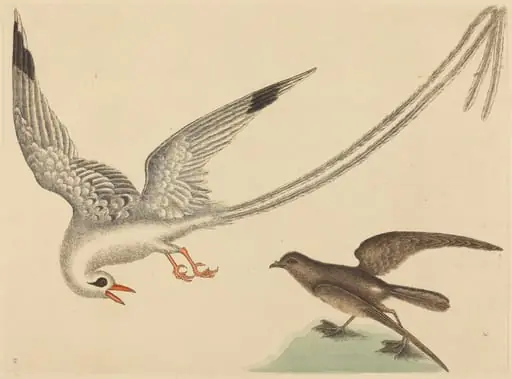
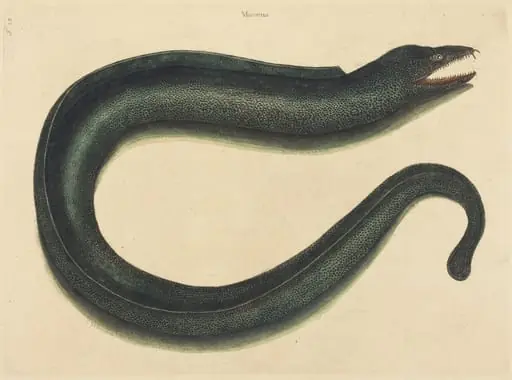
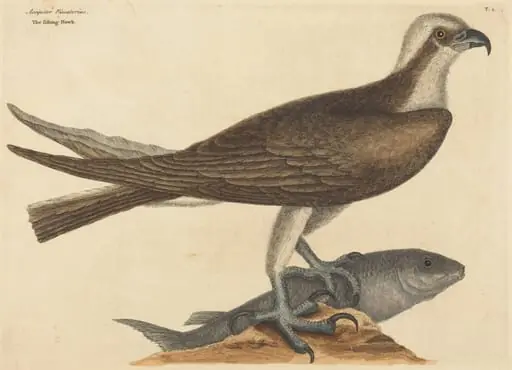
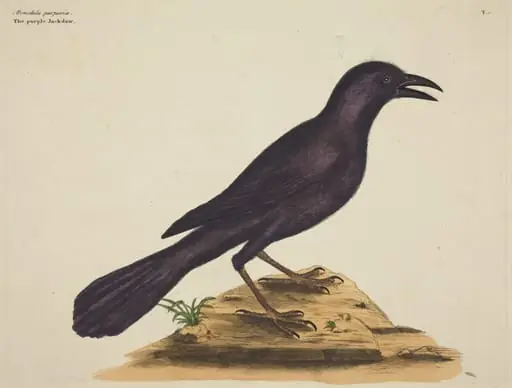
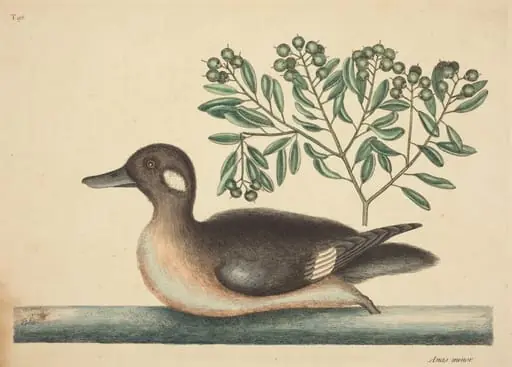
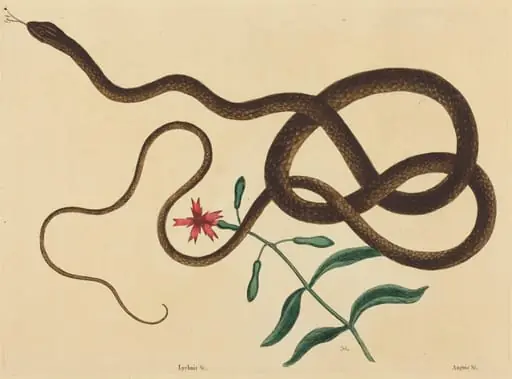
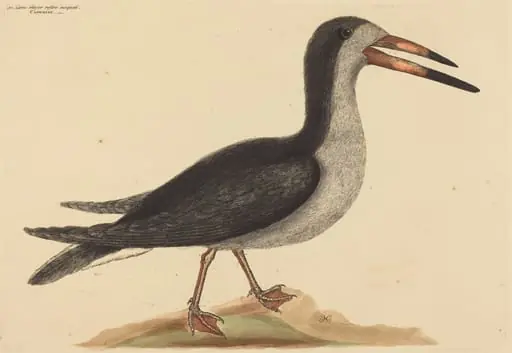
The Globe Fish (Tetrodon lagocephalus) is a hand-colored etching and engraving on laid paper, created by English naturalist Mark Catesby in 1737. It forms part of a larger illustrated study focusing on the wildlife of North America.
Subject & Meaning
The print juxtaposes two distinct subjects: a plant species characterized by long green leaves and clusters of small white flowers, and a Globe Fish, notable for its rounded, spotted body, detailed fins, and slightly turned head. The combination likely aims to document the coexistence of flora and fauna in the region.
Technique & Style
Executed with precise lines, the work showcases the traditional techniques of etching and engraving, enhanced by meticulous hand coloring. This methodological approach was standard in early scientific publications for accurately rendering natural subjects.
History & Provenance
The Globe Fish was published within Mark Catesby's monumental *Natural History of Carolina, Florida and the Bahama Islands* (1729-1747), a comprehensive 220-plate series featuring the region's diverse biological specimens.
Context
Created during the Enlightenment, this work reflects the era's scientific curiosity and the burgeoning field of natural history. It also highlights Catesby's contributions to the documentation of North American species.
Legacy
While specific lasting impacts of *The Globe Fish* are not broadly documented, it contributes to the broader legacy of Catesby's *Natural History*, influencing subsequent naturalist artists and scientists in their approach to illustrating and understanding the natural world.
Artist & collection

Artist
Mark Catesby (24 March 1683 – 23 December 1749) was an English naturalist who studied the flora and fauna of the New World.