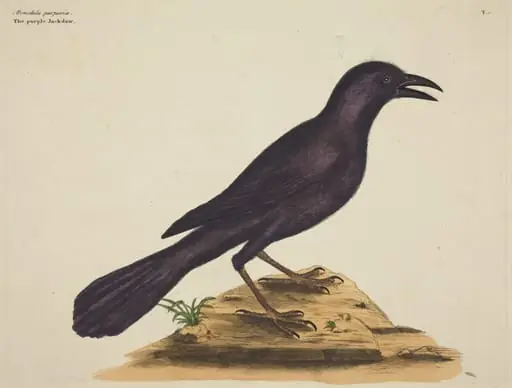
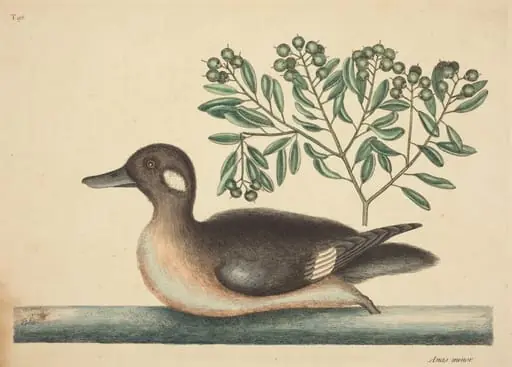
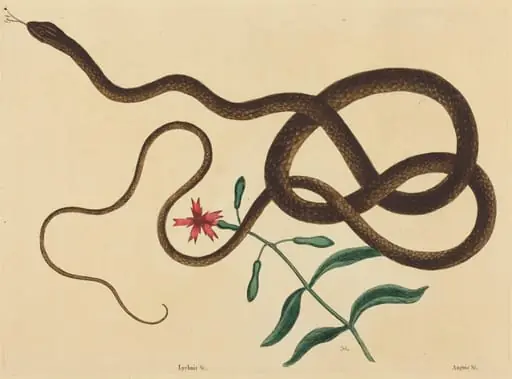
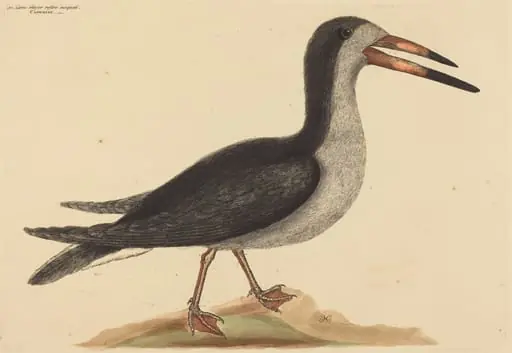
Artwork
The Ground Dove (Columba passerina)
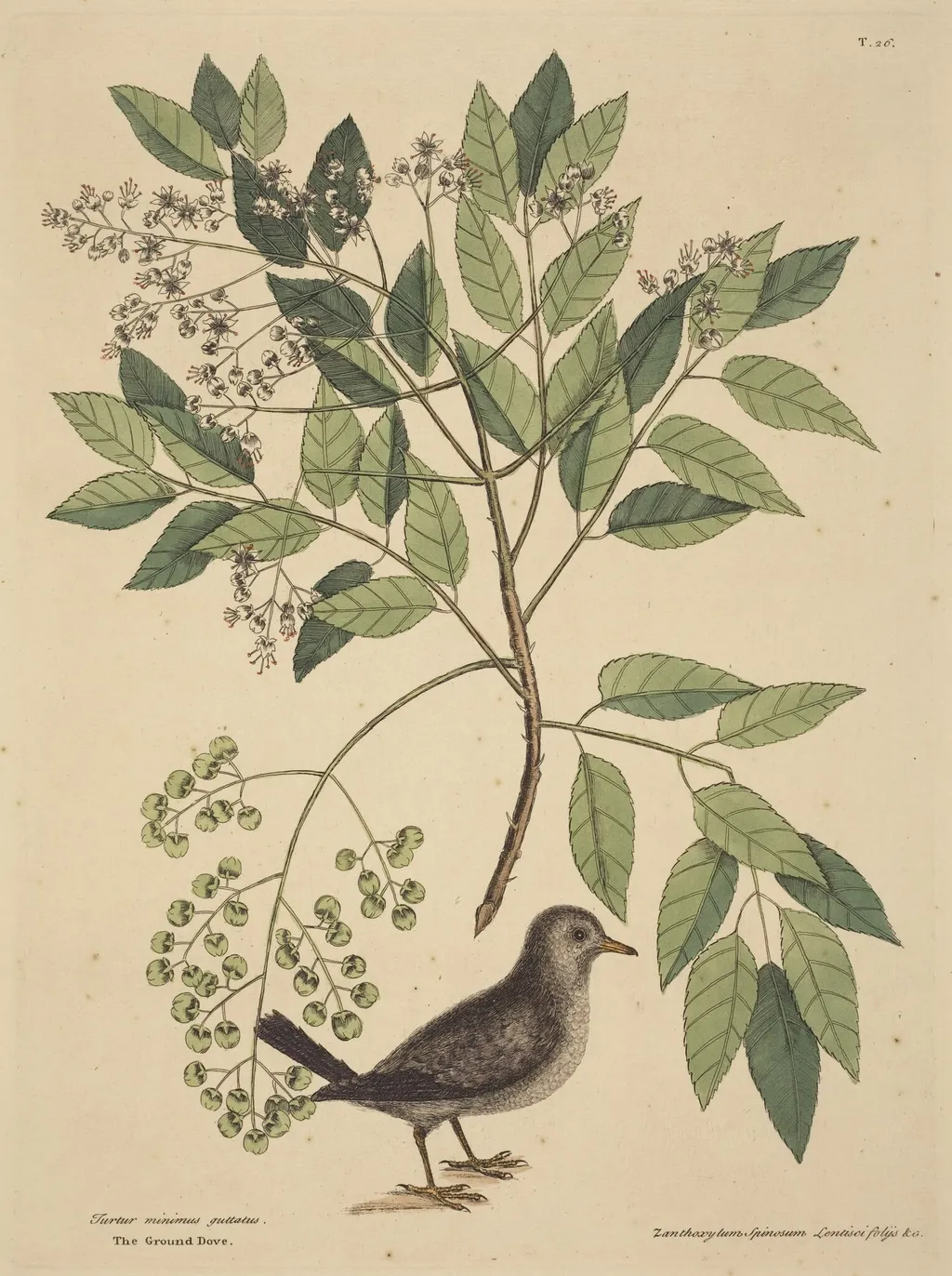
The Ground Dove (Columba passerina) is an ink print by the Baroque artist Mark Catesby. It dates from 1737 and is held in the collection of the National Gallery of Art.
About this work
Overview
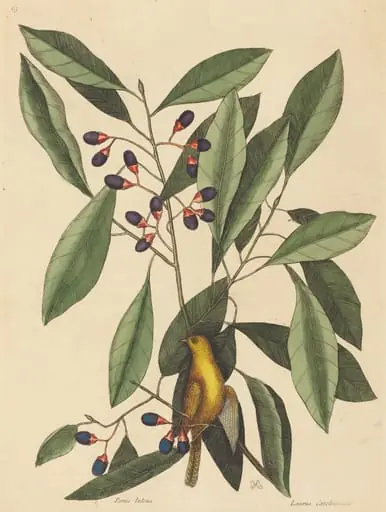
The Ground Dove (Columba passerina) is an etching and engraving with hand coloring on laid paper, created by English naturalist Mark Catesby in 1737. It depicts a ground dove standing beneath a branch adorned with berries, flowers, and leaves, accompanied by Latin nomenclature for the bird and plant.
Subject & Meaning
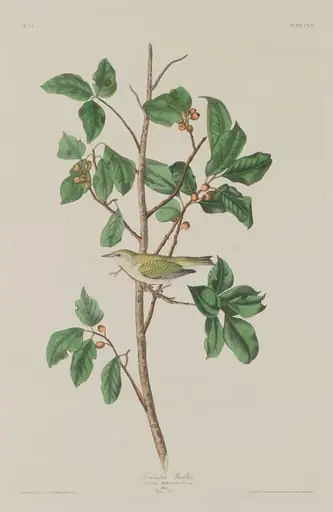
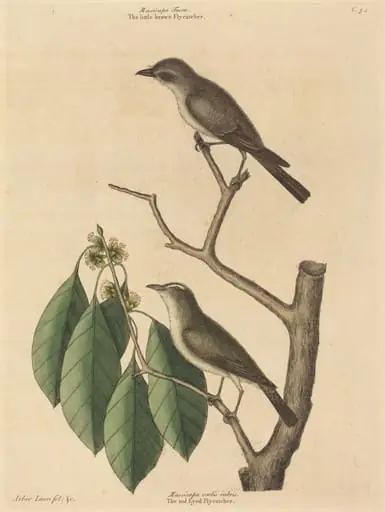
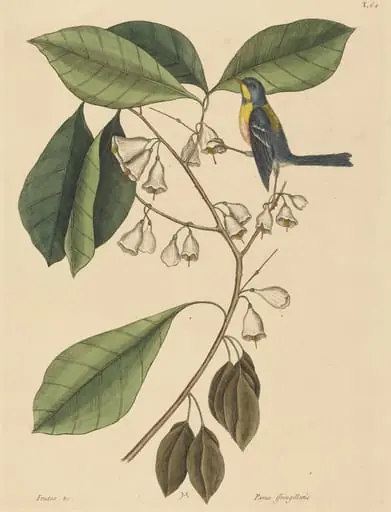
The print showcases Catesby’s observational naturalism, highlighting his firsthand studies of North American wildlife. The composition balances scientific documentation with aesthetic appeal, reflecting the intersection of art and early 18th-century natural history.
Technique & Style
Executed in etching and engraving with meticulous hand coloring, the work demonstrates Catesby’s skill in combining techniques for detailed, nuanced representation. The simple yet detailed rendering of the dove and the botanical elements exemplifies the illustrative style common in scientific publications of the era.
History & Provenance
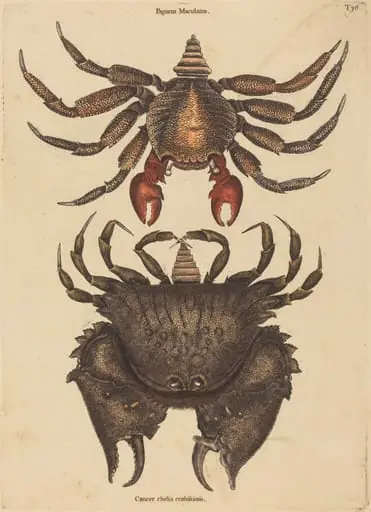
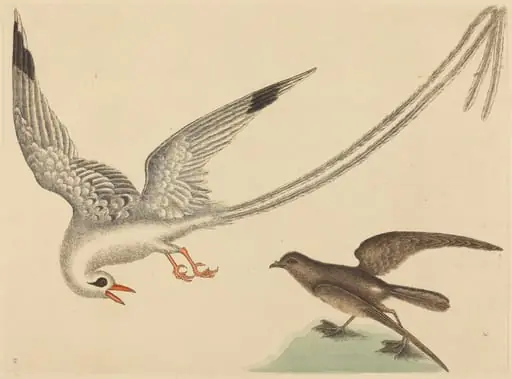
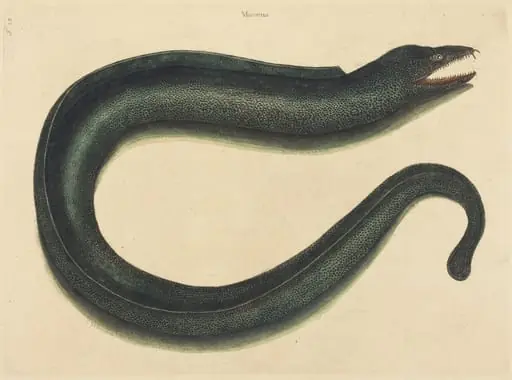
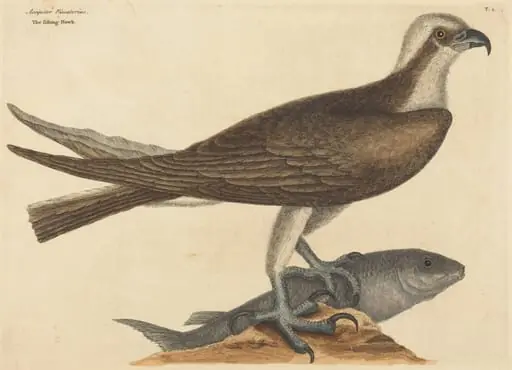
Part of Catesby’s *Natural History of Carolina, Florida and the Bahama Islands* (1729-1747), this print was part of a comprehensive project to document the region’s flora and fauna through precise illustrations.
Context
This work was created for scientific study and education, typical of 18th-century natural history illustrations used in scholarly texts. The inclusion of Latin names underscores its intended use for detailed botanical and zoological reference.
Legacy
The Ground Dove contributes to Catesby’s legacy as a pioneering naturalist-artist, influencing subsequent scientific illustrations and the broader understanding of North American biodiversity in the 18th century.
Artist & collection

Artist
Mark Catesby (24 March 1683 – 23 December 1749) was an English naturalist who studied the flora and fauna of the New World.