Artwork
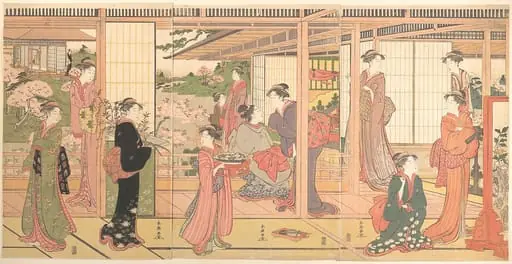
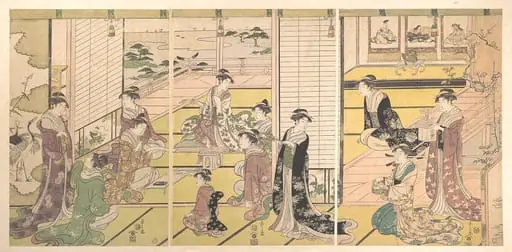
「風流やつし源氏 朝顔」|Bellflowers (Asagao), from the series Genji in Fashionable Modern Guise (Fūryū yatsushi Genji: Asagao)
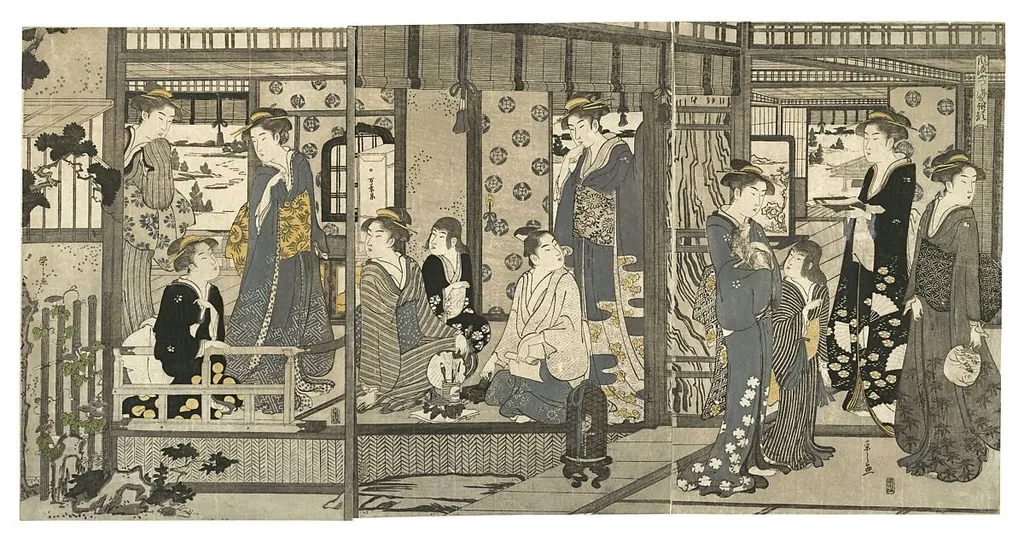
「風流やつし源氏 朝顔」|Bellflowers (Asagao), from the series Genji in Fashionable Modern Guise (Fūryū yatsushi Genji: Asagao) is an ink print by the Romanticist artist Chôbunsai Eishi. It dates from 1790 and is held in the collection of the Metropolitan Museum of Art.
About this work
Overview
The piece is now held in the Metropolitan Museum of Art’s collection, representing a distinctive phase in ukiyo-e where classical literature met modern fashion.
Chōbunsai Eishi created this triptych woodblock print around 1790 as part of a series reimagining characters from The Tale of Genji in contemporary Edo-period dress. Executed in ink and color on paper, the work reflects his transition from a samurai courtier to a professional artist. The piece is now held in the Metropolitan Museum of Art’s collection, representing a distinctive phase in ukiyo-e where classical literature met modern fashion.
Subject & Meaning
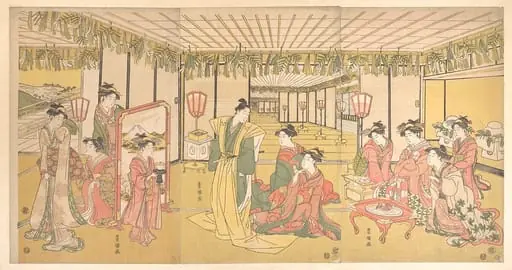
The scene portrays a domestic gathering inspired by The Tale of Genji, but rendered with Edo-era attire and customs. Figures engage in quiet conversation, play with a child, and hold fans or scrolls, suggesting refined leisure. The yellow bellflower held by one woman evokes seasonal symbolism and poetic association, aligning the moment with literary tradition while grounding it in daily life of the time.
Technique & Style
Eishi employed bold outlines and flat, unmodulated colors typical of ukiyo-e, enhancing the decorative rhythm of the composition. Intricate textile patterns on robes and lattice screens repeat across the panels, creating visual harmony. The spatial arrangement, with sliding doors framing outdoor elements like trees and a pond, blends interior and exterior worlds, a hallmark of Japanese pictorial convention.
History & Provenance
Eishi, originally a samurai retainer with a stipend of 500 koku, abandoned official service in the late 1780s to devote himself to art. This triptych emerged during his early career as a printmaker, when he shifted from traditional courtly themes to fashionable reinterpretations of classical tales. The work entered the Metropolitan Museum of Art’s collection through documented acquisitions in the 20th century.
Context
In the 1790s, Edo society showed growing interest in blending classical culture with contemporary aesthetics. Eishi’s series responded to this trend by dressing Genji’s courtiers in modern kimono and hairstyles, making ancient narratives feel immediate. The popularity of bijin-ga portraits influenced his figures, whose slender forms and poised gestures reflect prevailing ideals of feminine elegance.
Legacy
Eishi’s Genji series helped redefine ukiyo-e’s narrative potential, moving beyond mere entertainment toward literary and cultural commentary. His integration of refined composition with everyday detail influenced later artists exploring historical themes. Though less widely known than some contemporaries, his work remains a key example of how classical texts were reanimated in Edo visual culture.
Artist & collection

Artist
Chōbunsai Eishi (鳥文斎 栄之; 1756–1829) was a Japanese ukiyo-e artist. His last name was Hosoda (細田). His first name was Tokitomi (時富). His common name was Taminosuke (民之丞) and later Yasaburo (弥三郎). Pupil of Kano Eisen'in…

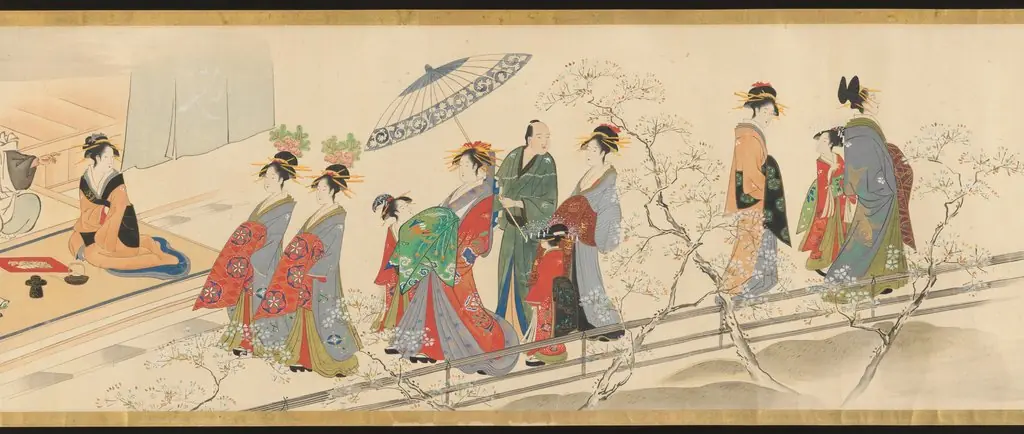 Three Gods of Good Fortune Visit the Yoshiwara; or “Scenes of Pleasure at the Height of Spring”
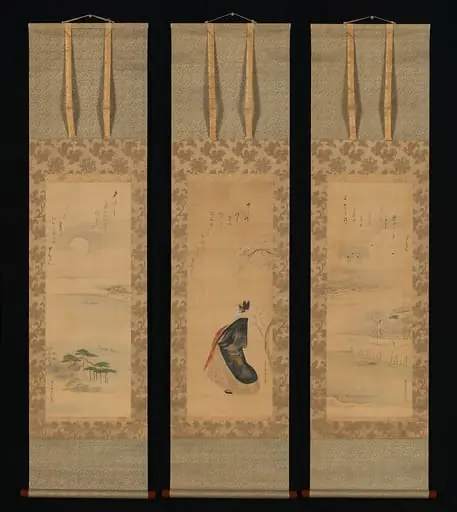 蜀山人(大田 南畝)賛 雪・月・花図 |Snow, Moon, and Cherry Blossoms (Yoshiwara in Three Seasons)
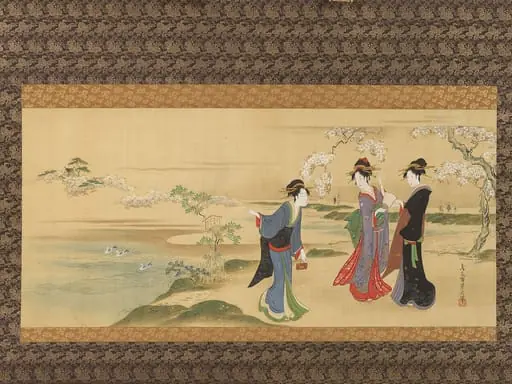 Untitled
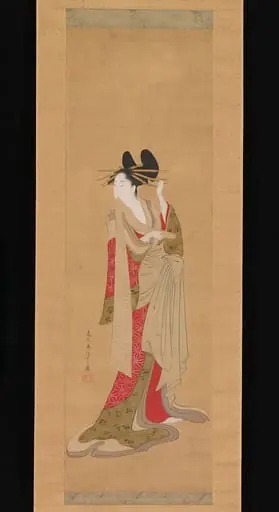 Untitled
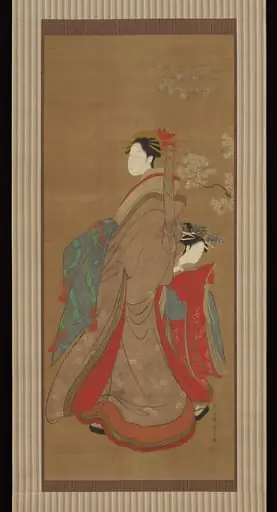 Untitled
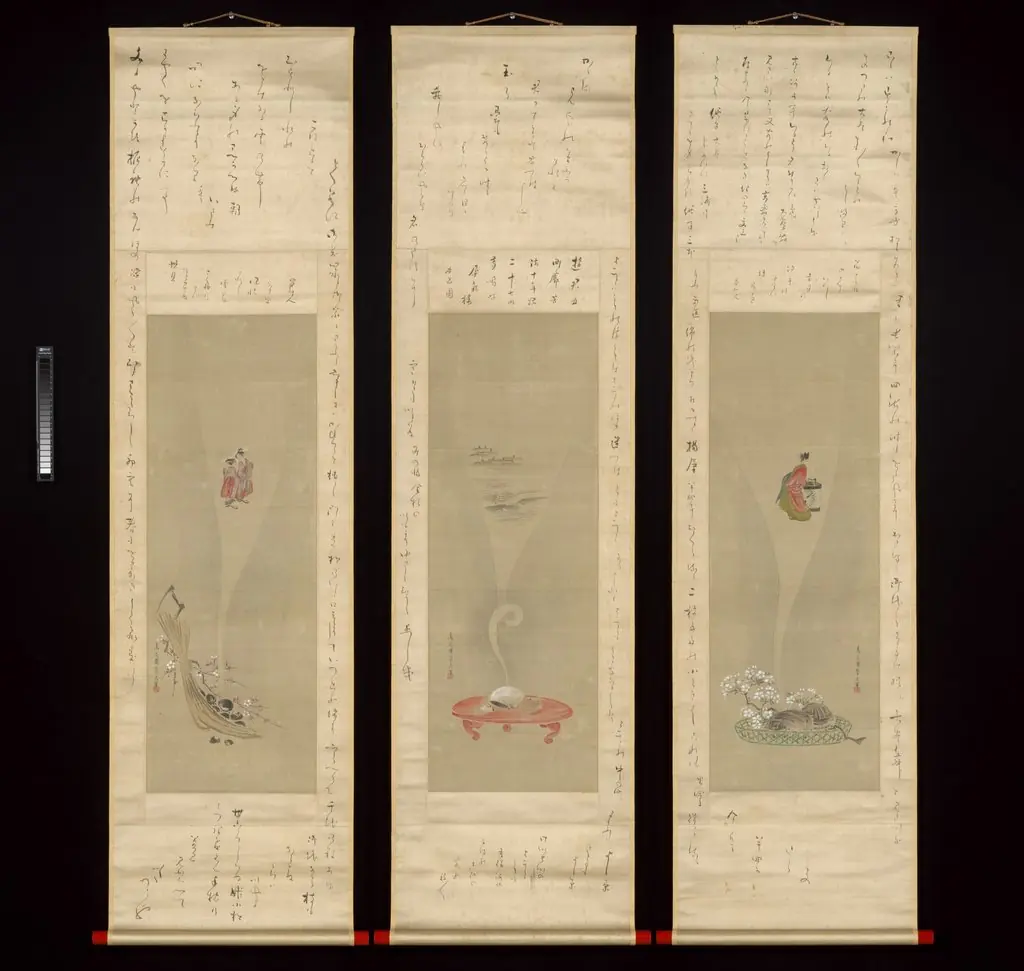 Shellfish and Apparitions of the Yoshiwara Pleasure Quarter
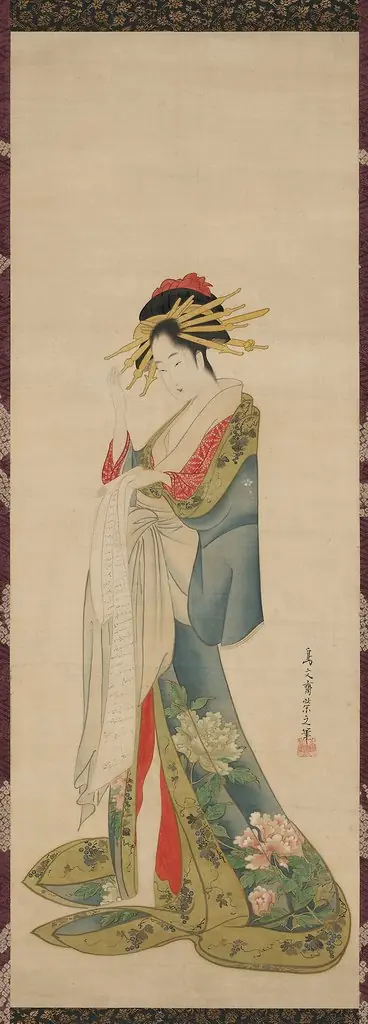 A Courtesan Reading a Letter
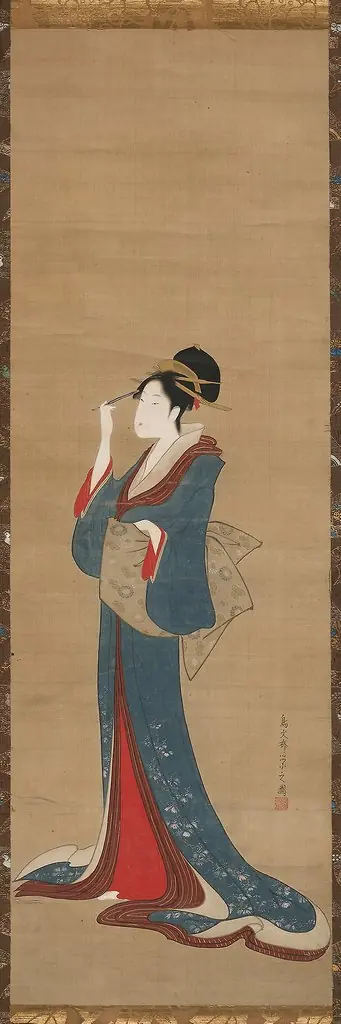 Beauty Replacing Her Hairpin
 Untitled
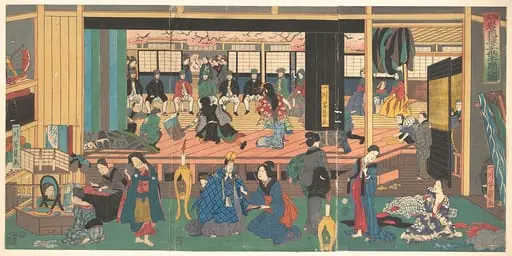 Yokohama Gankirō kodomo te odori no zu|Foreigners Enjoying Children's Kabuki at the Gankirō Tea House
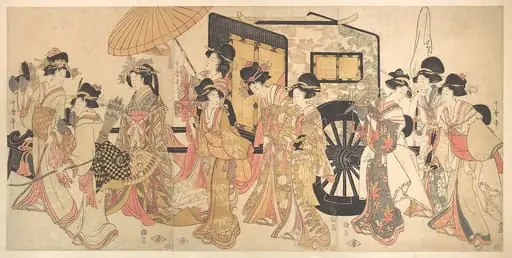 喜多川歌麿画 御所車見立て行列|Courtesans Imitating a Court Procession
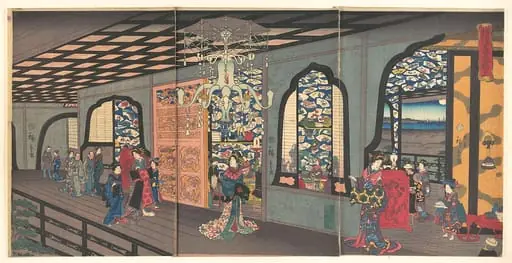 Yokohama Gankirō age|横浜岩亀楼上|Upper Floor of the Gankirō Tea House in Yokohama
 Untitled
 Untitled
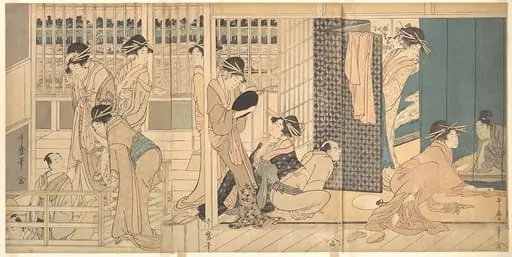 仮宅の後朝|Scene in the Yoshiwara
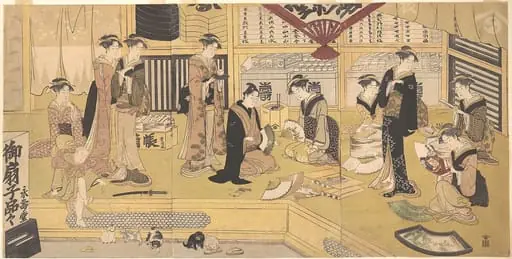 御影堂扇屋図|The Mieidō Fan Shop
 Untitled
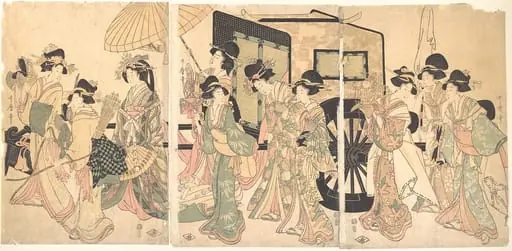 Untitled
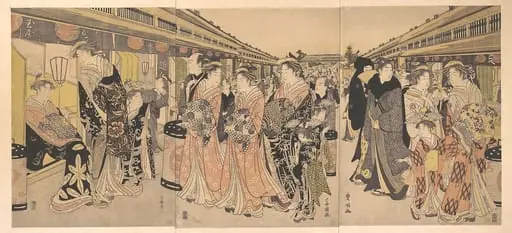 吉原仲の町花魁道中|Courtesans Promenading on the Nakanochō in Yoshiwara
 鳥文斎栄之画 和歌三神図|Honoring the Three Gods of Poetry: Women Composing Poems