Artwork
Etchings of Paris: Dedication to Reynier Nooms, called Zeeman
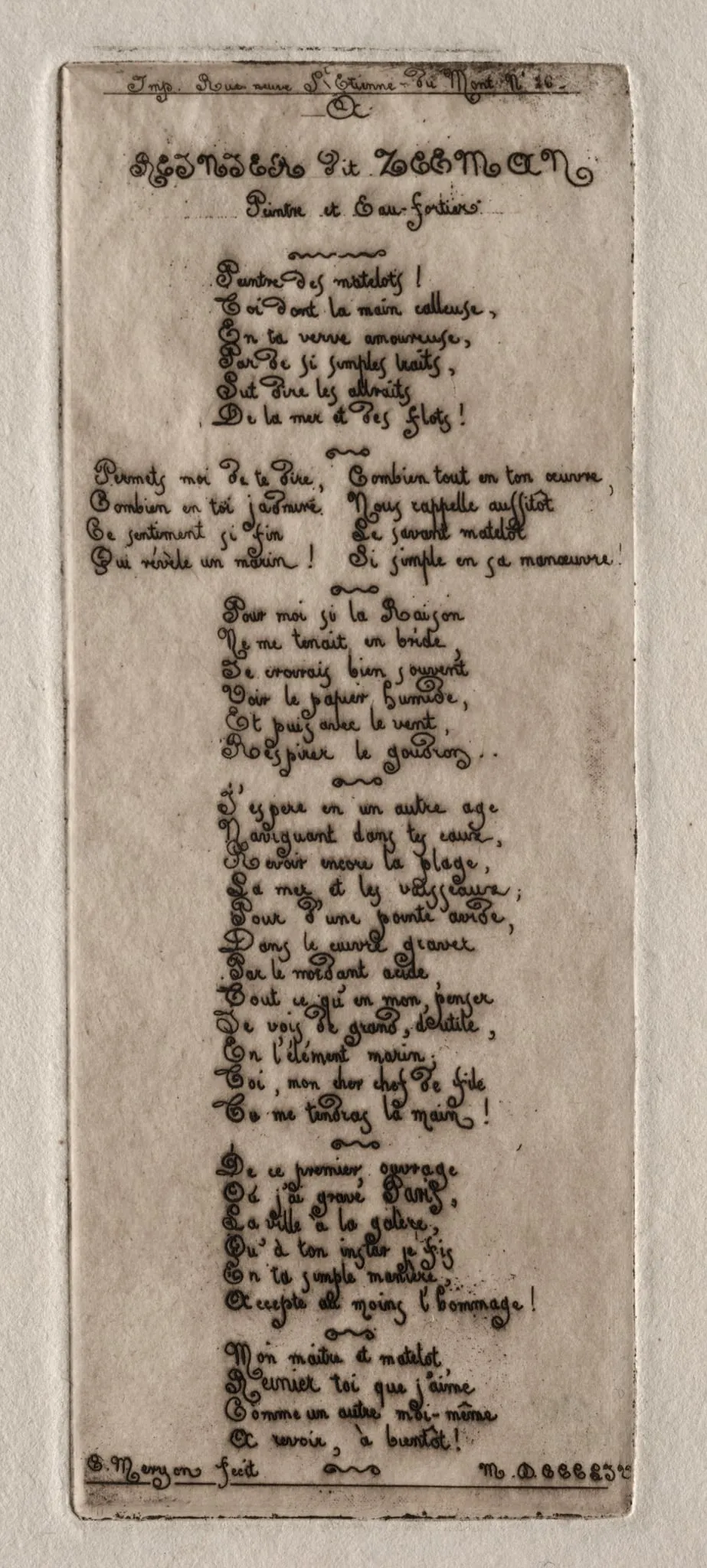
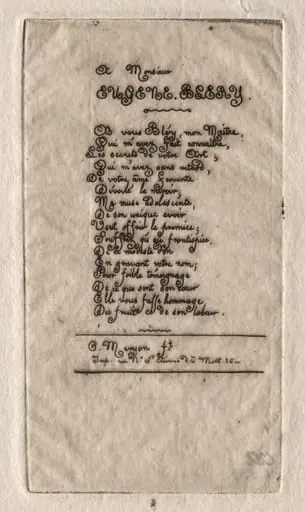
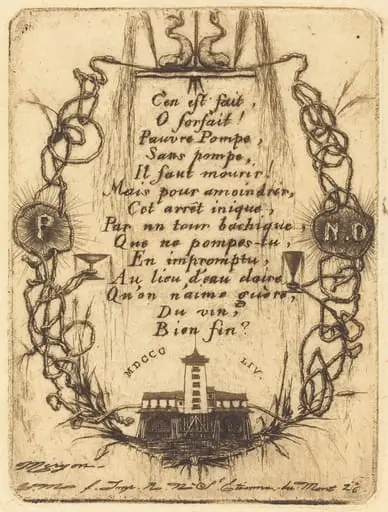
Etchings of Paris: Dedication to Reynier Nooms, called Zeeman is a print by the Impressionist artist Charles Meryon. It dates from 1854 and is held in the collection of the Cleveland Museum of Art.
About this work
Overview
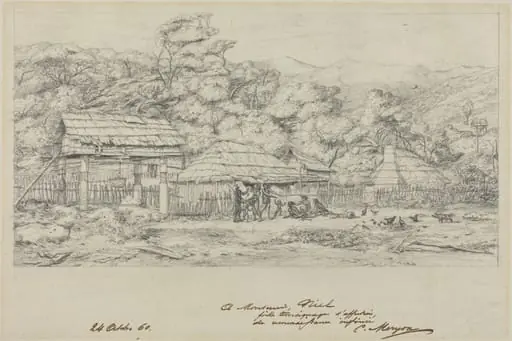
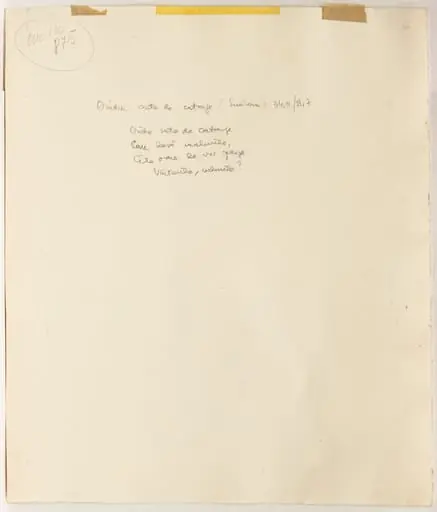
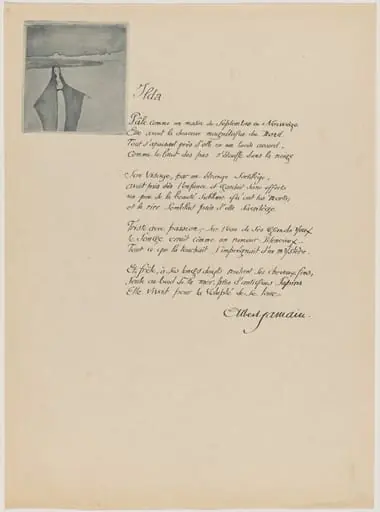
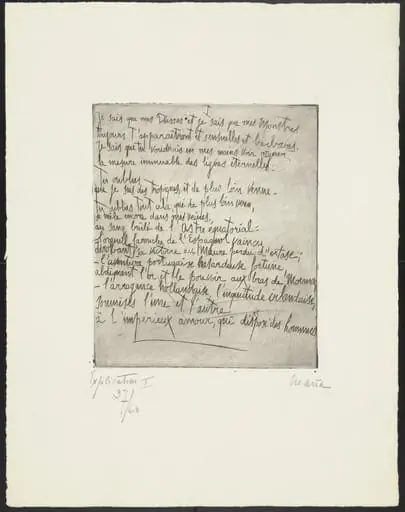
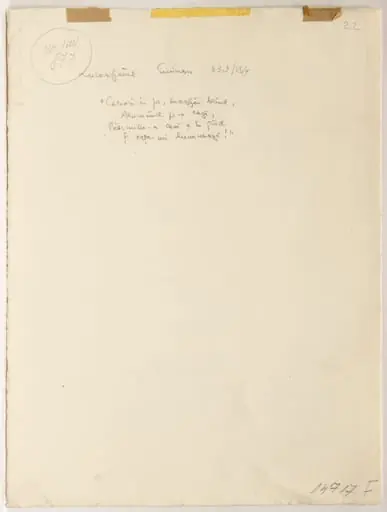
The poem, written in cramped French verses, references the streets and waterways of the capital and bears Meryon’s signature and a date‑like mark at the bottom.
Charles Meryon (1821‑1868) was a French printmaker whose work is dominated by etchings of the city of Paris. In 1854 he produced a series titled *Etchings of Paris: Dedication to Reynier Nooms, called Zeeman*, a collection that pairs visual images with a handwritten poem on aged paper. The poem, written in cramped French verses, references the streets and waterways of the capital and bears Meryon’s signature and a date‑like mark at the bottom.
Subject & Meaning
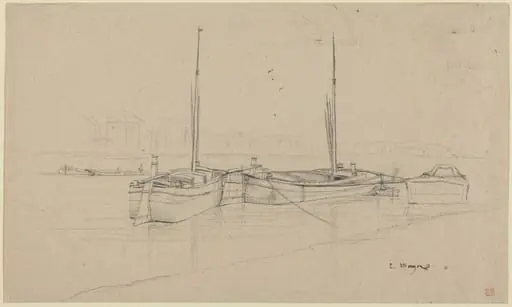
The series presents a personal vision of Paris, focusing on its streets, bridges, and river scenes. By dedicating the work to Reynier Nooms—known as Zeeman, a 17th‑century marine painter—Meryon aligns his own urban observations with a tradition of maritime and topographical drawing, emphasizing the city’s relationship to water.
Technique & Style
Meryon worked almost exclusively in black‑and‑white etching, a choice dictated by his colour‑blindness. His prints are noted for precise line work, strong contrasts, and a Gothic sensibility that renders familiar Parisian landmarks with an almost haunting clarity. The accompanying poem is rendered in uneven, cramped script, its ink faded on the worn paper, reinforcing the work’s intimate, hand‑made character.
History & Provenance
Created in 1854, the series reflects a period when Meryon was establishing his reputation as the leading French etcher of the nineteenth century. He died in a psychiatric institution in 1868, his later years marked by mental illness. The manuscript’s aged paper and worn edges suggest it has survived in private hands before entering a museum collection.
Context
Meryon’s upbringing was influenced by his mother’s career as a dancer at the Paris Opera, exposing him to the city’s cultural milieu. His dedication to Nooms connects his 19th‑century urban studies to earlier Dutch marine traditions, situating the work within a broader European interest in topographical documentation.
Artist & collection
Artist
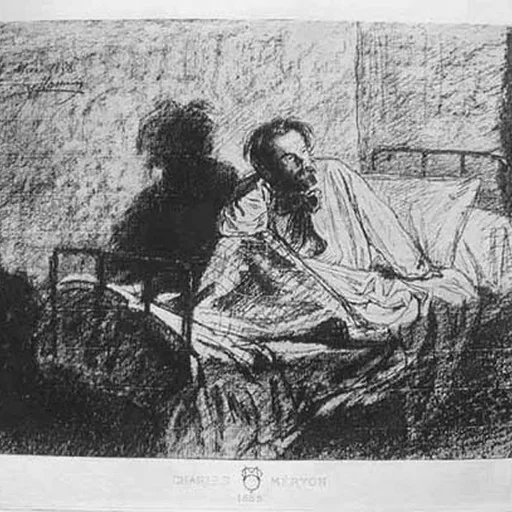
Charles Meryon (sometimes Méryon, 23 November 1821 – 14 February 1868) was a French artist who worked almost entirely in etching, as he had colour blindness.