Artwork
La petite pompe, Paris (The Notre Dame Pump, small plate)
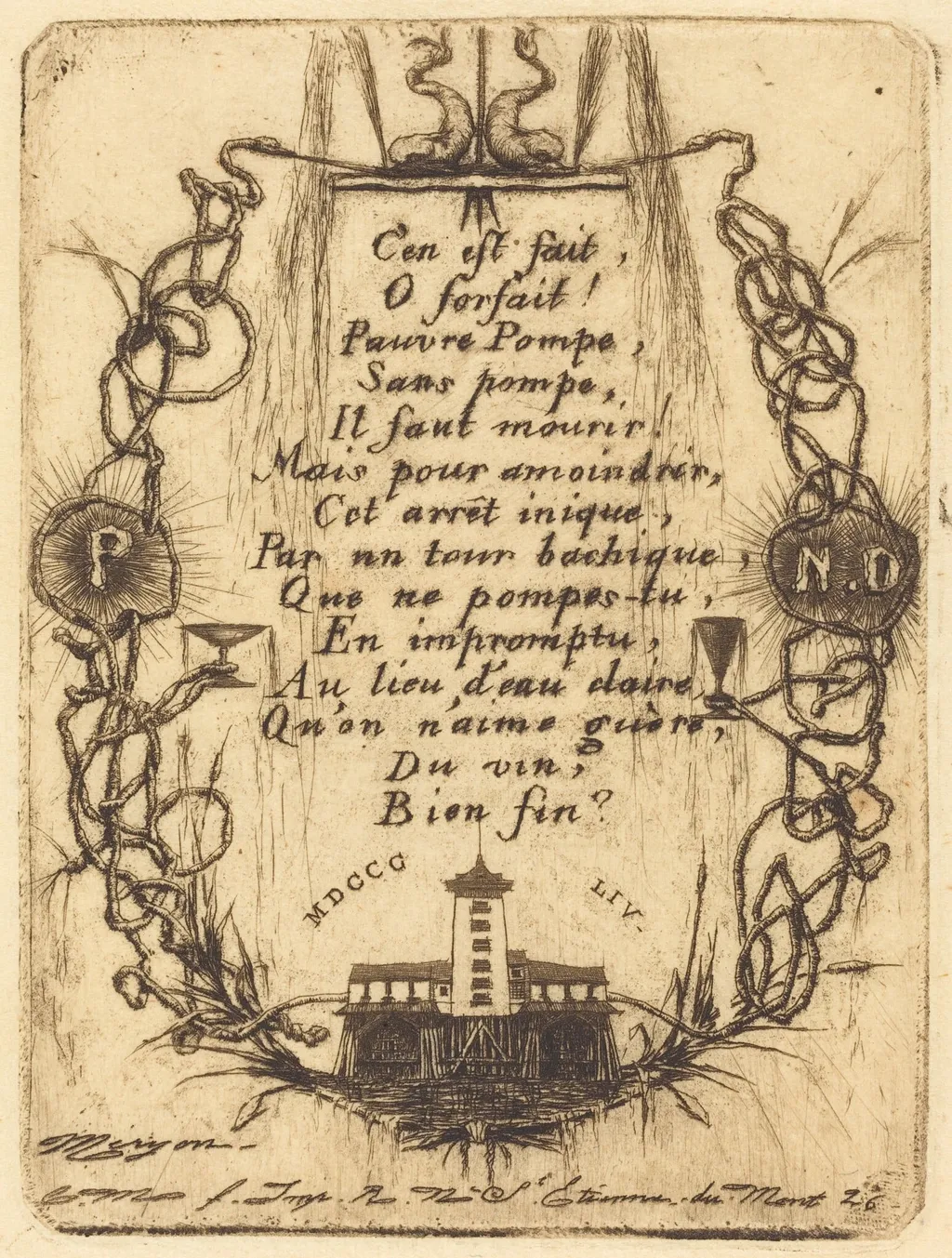
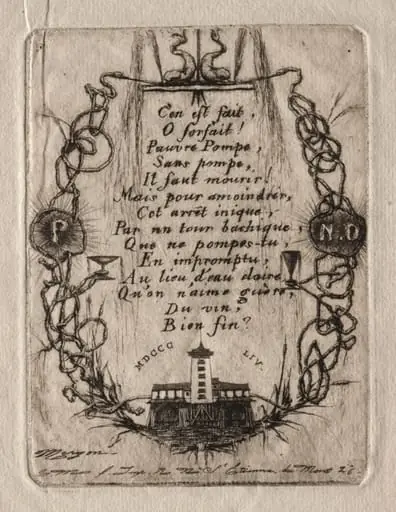
La petite pompe, Paris (The Notre Dame Pump, small plate) is an ink print by the Impressionist artist Charles Meryon. It dates from 1854 and is held in the collection of the National Gallery of Art. Created in 1854, this small etching on laid paper presents a compact, decorative composition centered on a poetic inscription.
About this work
Overview
Created in 1854, this small etching on laid paper presents a compact, decorative composition centered on a poetic inscription. The surrounding frame is richly ornamented with motifs such as a serpentine line and a rope‑like pattern, while a modest building with a tower emerges from a cluster of grasses at the lower edge.
Subject & Meaning
The central verse, written in French, playfully celebrates a city pump, lending the work a light‑hearted, almost satirical tone. By juxtaposing the poem with a modest urban scene, the artist invites viewers to consider everyday Parisian infrastructure as a subject worthy of artistic attention.
Technique & Style
Executed entirely in etching, the piece reflects the artist’s reliance on monochrome processes, a choice influenced by his colour‑blindness. The use of laid paper contributes a subtle texture that enhances the fine line work and the delicate shading of the foliage and architectural details.
Context
Part of a broader series of Paris views, the work exemplifies the creator’s Gothic‑inflected vision of the capital. Though best known for more expansive cityscapes, this intimate plate demonstrates his capacity to render small‑scale subjects with the same meticulous craftsmanship that earned him recognition as a leading French etcher of the nineteenth century.
Artist & collection
Artist
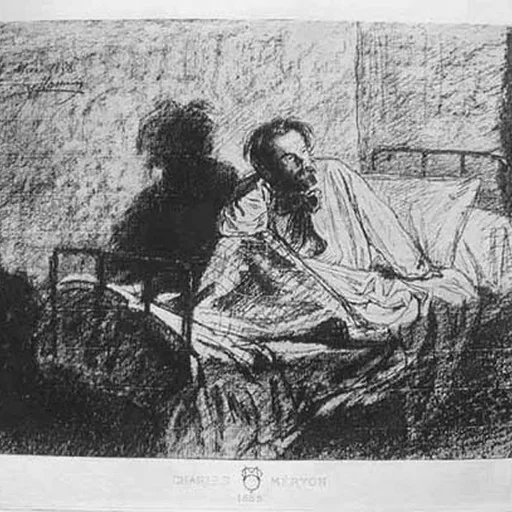
Charles Meryon (sometimes Méryon, 23 November 1821 – 14 February 1868) was a French artist who worked almost entirely in etching, as he had colour blindness.

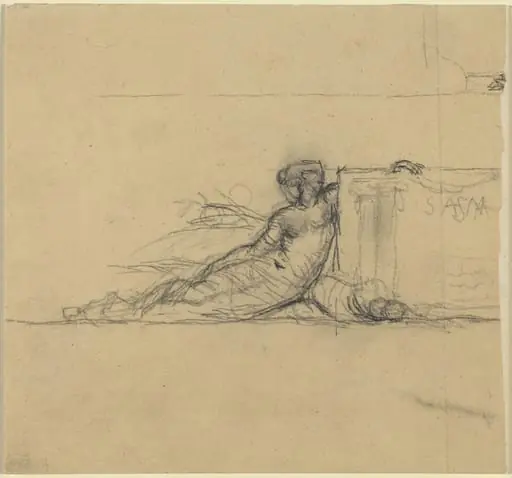
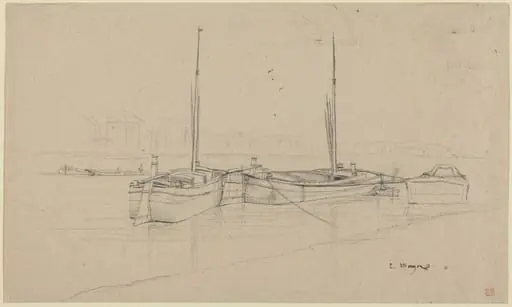
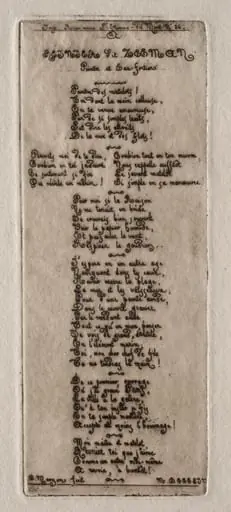 Etchings of Paris: Dedication to Reynier Nooms, called Zeeman
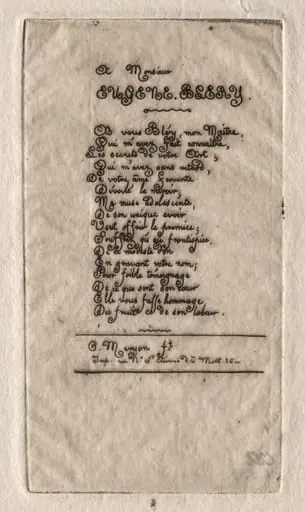 Verses to Eugène Bléry
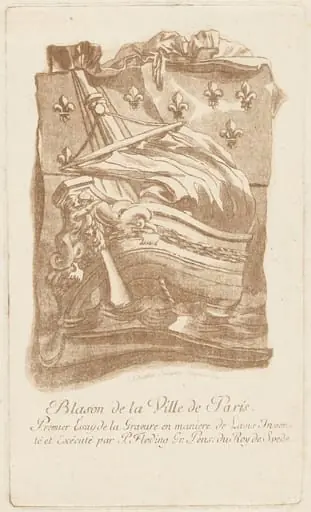 Blason de la Ville de Paris (Arms of the City of Paris)
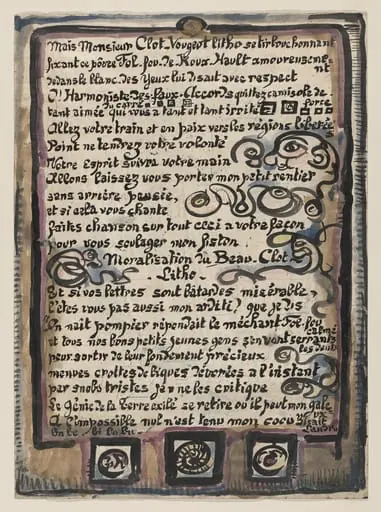 Untitled
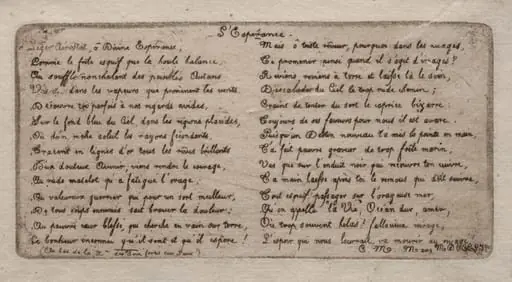 Etchings of Paris: Hope
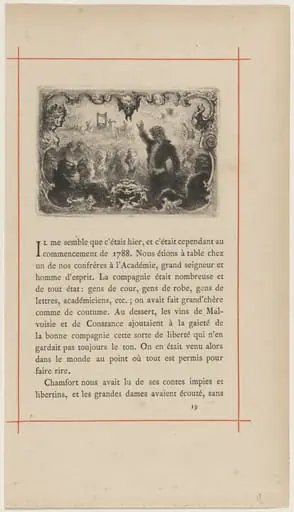 Third Vignette
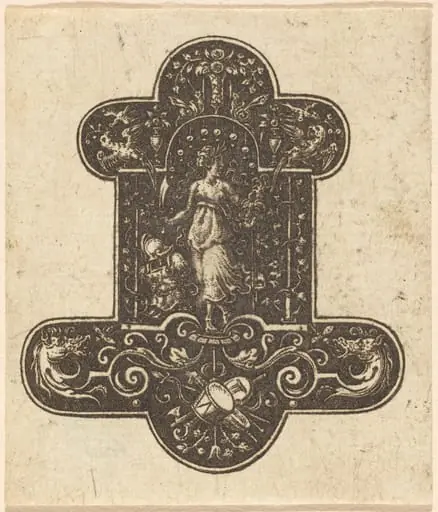 Judith with the Head of Holofernes
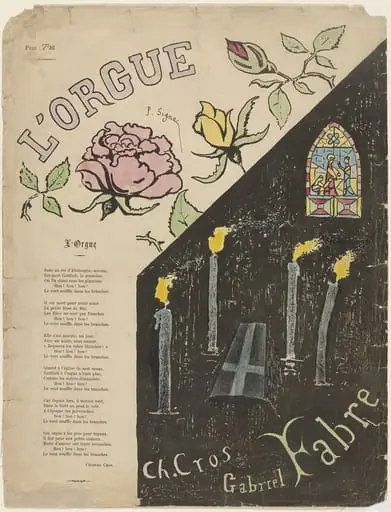 Untitled
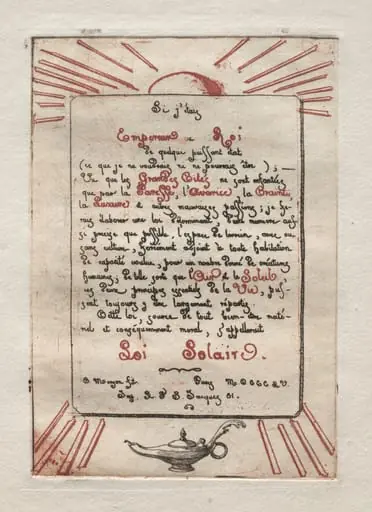 Solar Law
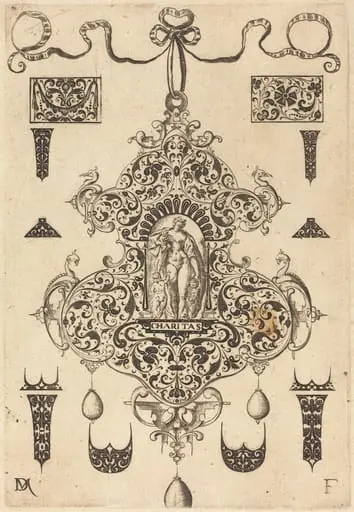 Large Pendant, Charity Standing at Centre
 Etchings of Paris: The Notre Dame Pump, Small Plate
 Armes symboliques de la ville de Paris (Symbolical Arms of the City of Paris)