Artwork
Henry IV College
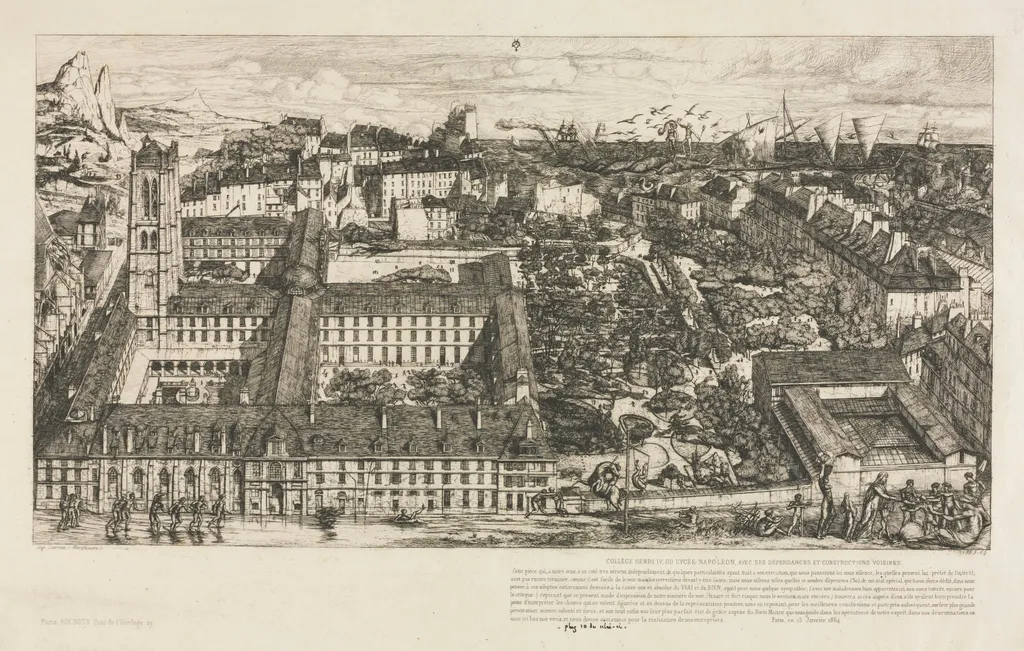
Henry IV College is a print by the Impressionist artist Charles Meryon. It dates from 1864 and is held in the collection of the Cleveland Museum of Art.
About this work
The painting's focus on everyday life and its use of realistic techniques make it a great example of the Impressionism and Realism movements.
This painting depicts a sprawling cityscape, with a large building complex at its center. The scene is rendered in a range of grays, with darker tones used to create depth and texture.
The city is teeming with life, as people go about their daily activities amidst the buildings and streets. The artist's use of light and shadow adds a sense of drama and energy to the scene.
The painting's focus on everyday life and its use of realistic techniques make it a great example of the Impressionism and Realism movements. For more on the artist behind this work, look up Charles Meryon (French, 1821–1868).
Overview
Henry IV College is an 1864 etching by Charles Meryon, a prominent French artist celebrated for his etched visions of Parisian architecture. This work is characteristic of his series capturing the city's Gothic essence through atmospheric, detailed compositions.
Subject & Meaning
The etching portrays a vibrant Parisian cityscape centered on a large building complex, likely the college itself. The scene conveys the bustling rhythm of daily life, with people engaged in various activities, emphasizing the intersection of architectural grandeur and everyday urban existence.
Technique & Style
Executed in a range of grays, the etching utilizes contrasting tones to achieve depth and texture. Meryon's mastery of light and shadow imbues the scene with dramatic energy, reflecting his distinctive style despite the constraints of working in monochrome due to colour blindness.
History & Provenance
Created in 1864, *Henry IV College* is part of Meryon's Parisian architectural series. The artist's life was marked by both artistic innovation and personal challenges, including a brief career due to his early institutionalization and passing in 1868.
Context
While often associated with the broader movements of Realism due to its realistic depiction of everyday life, Meryon's work predates the peak of Impressionism. His contributions are more closely aligned with the revival of etching as an art form in 19th-century France.
Legacy
Despite being less recognized in the English-speaking world during his lifetime, Charles Meryon is regarded as the most significant French etcher of the 19th century, with *Henry IV College* exemplifying his enduring contribution to the medium.
Artist & collection
Artist
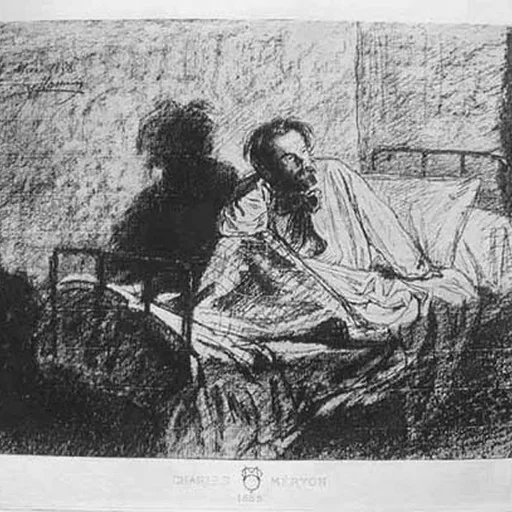
Charles Meryon (sometimes Méryon, 23 November 1821 – 14 February 1868) was a French artist who worked almost entirely in etching, as he had colour blindness.

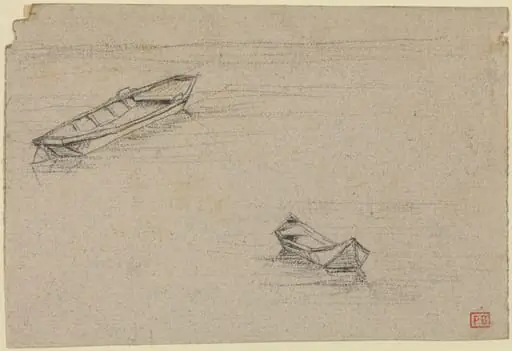
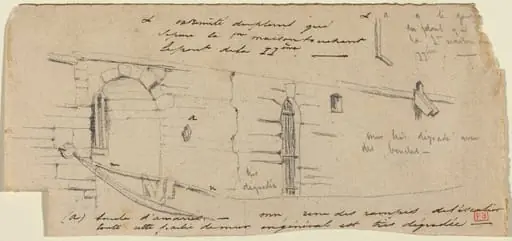
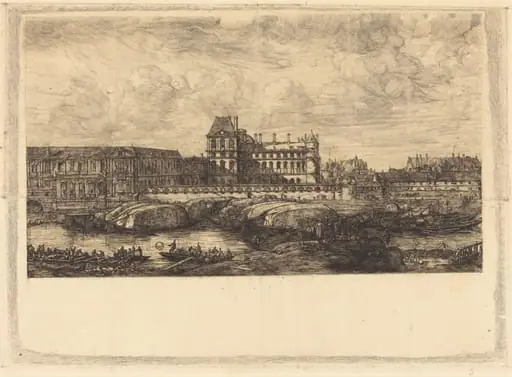 L'ancien Louvre d'après une peinture de Zeeman, 1651 (The Old Louvre, from a Painting by Zeeman, l651)
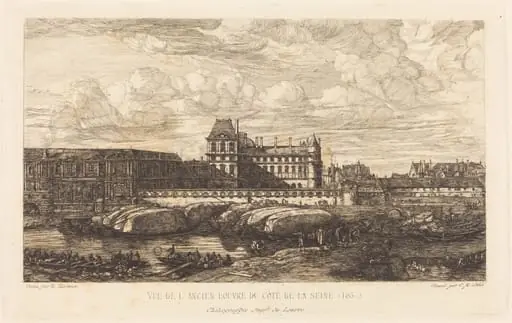 L'ancien Louvre d'après une peinture de Zeeman, 1651 (The Old Louvre, from a Painting by Zeeman, 1651)
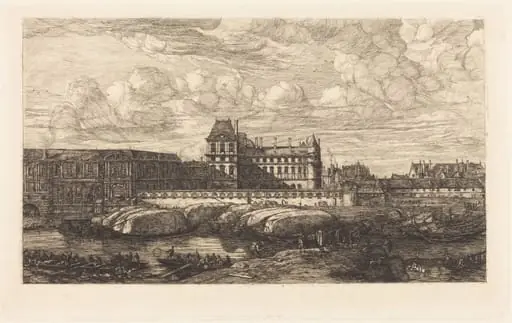 L'ancien Louvre d'après une peinture de Zeeman, 1651 (The Old Louvre, from a Painting by Zeeman, 1651)
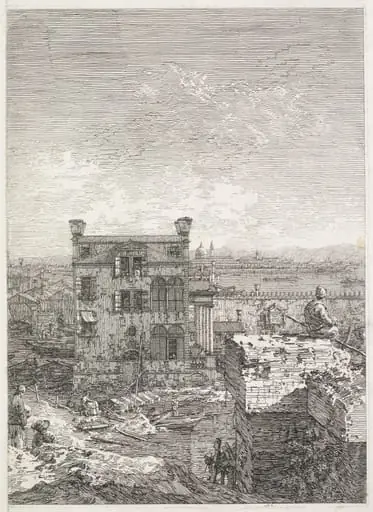 Views: A House Surrounded by Six Columns
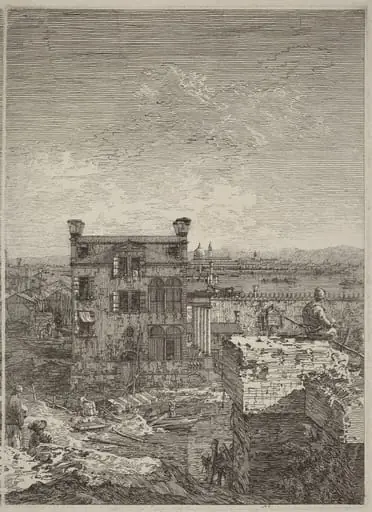 The House with the Peristyle
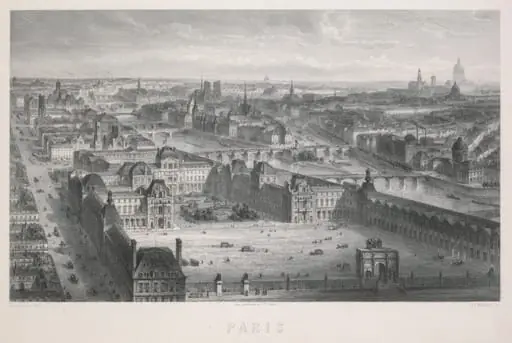 Paris
Paris Vue du Paysage de la Maison Royalle de Saint Cir