Artwork
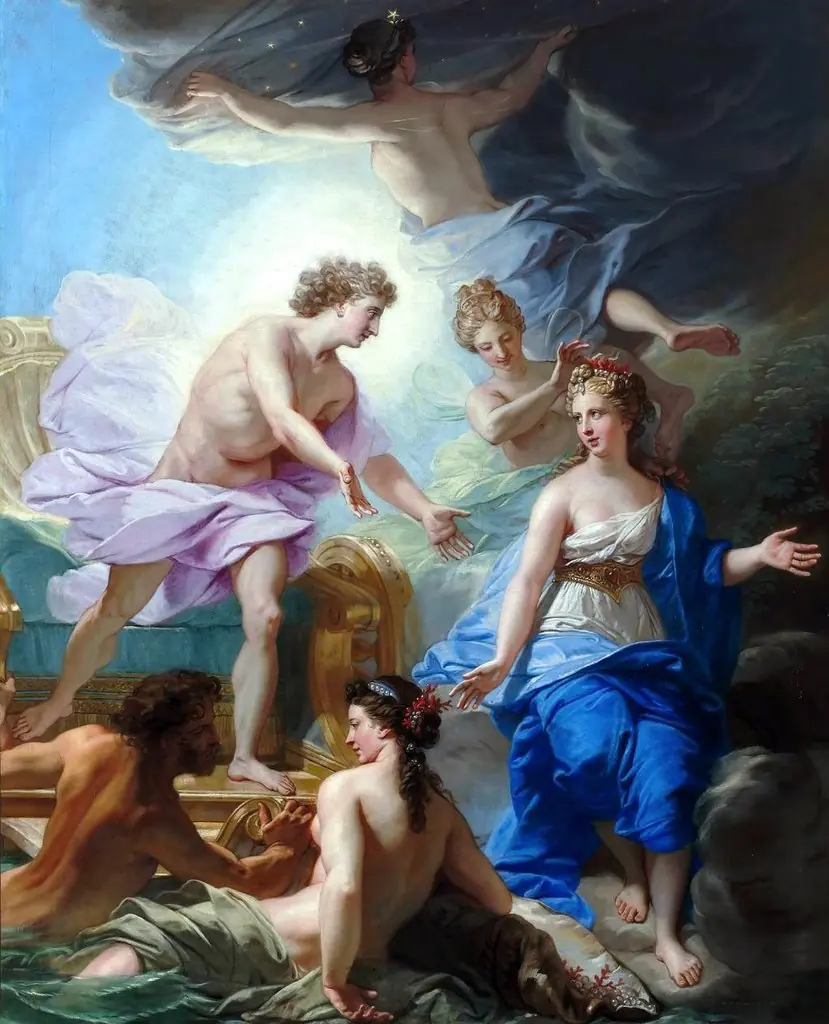
Apollo, God of Light, Eloquence, Poetry, and the Fine Arts with Urania, Muse of Astronomy
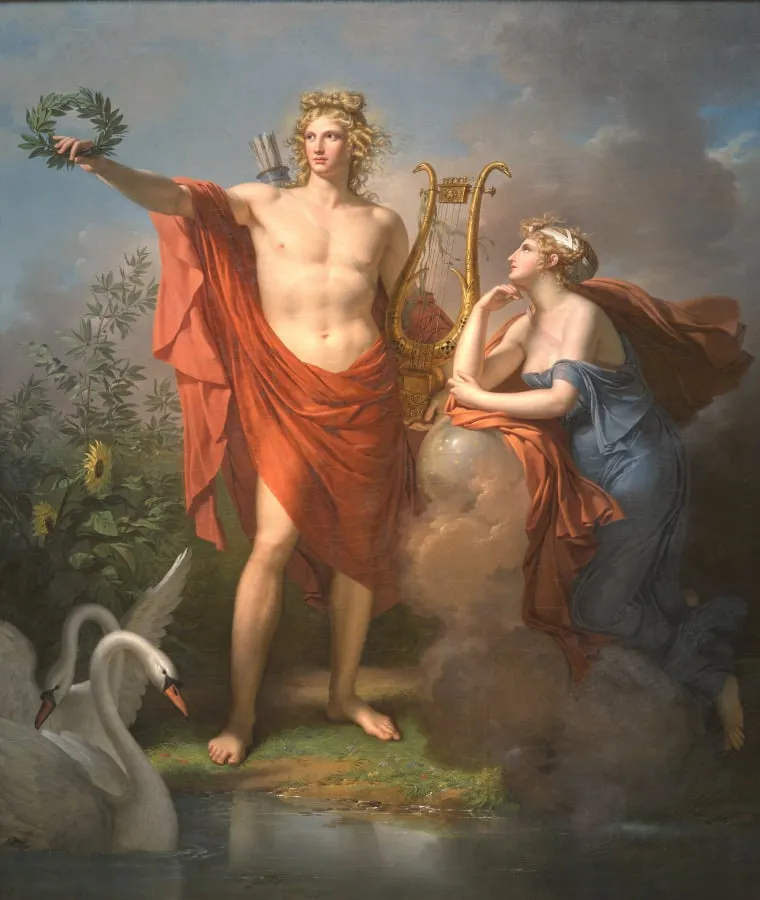
Apollo, God of Light, Eloquence, Poetry, and the Fine Arts with Urania, Muse of Astronomy is an unspecified painting by the Neoclassicist artist Charles Meynier. It dates from 1798 and is held in the collection of the Cleveland Museum of Art.
About this work
Overview
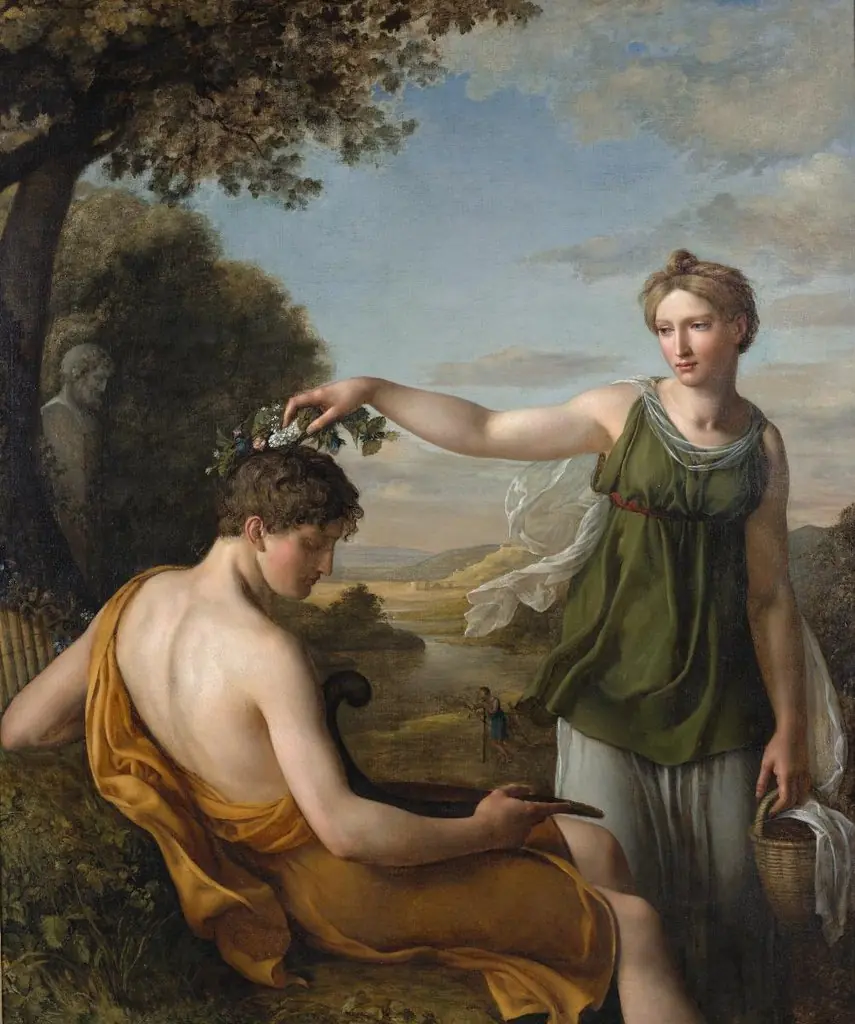
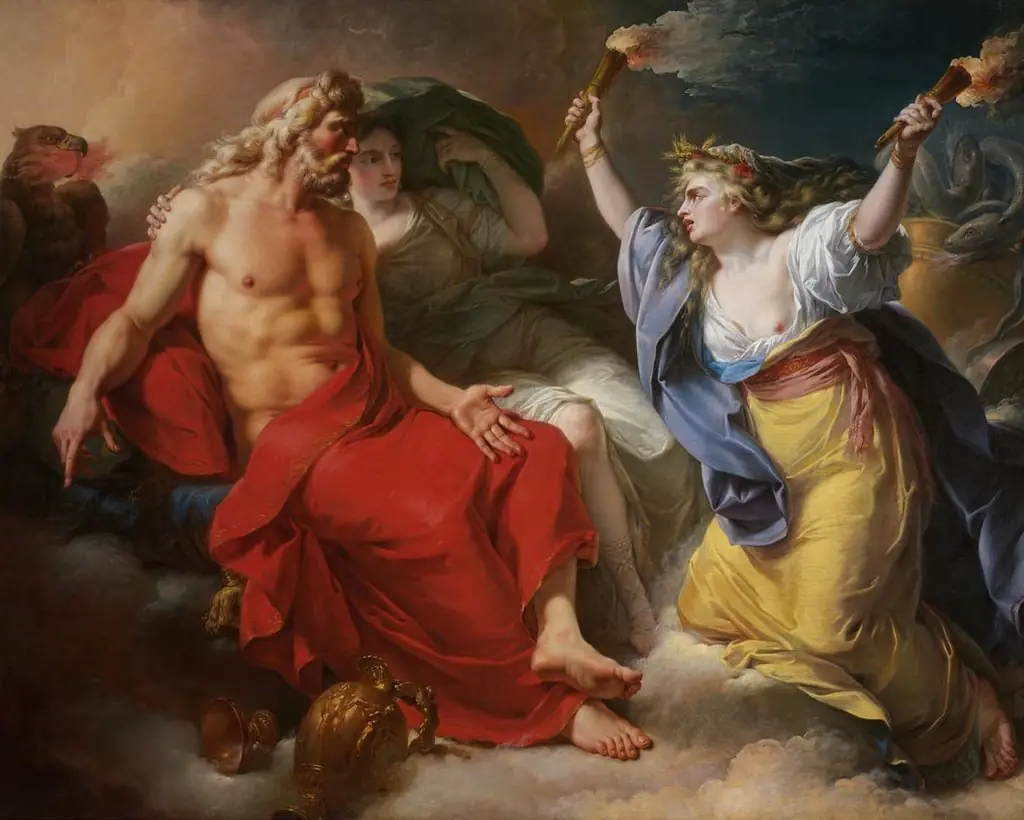
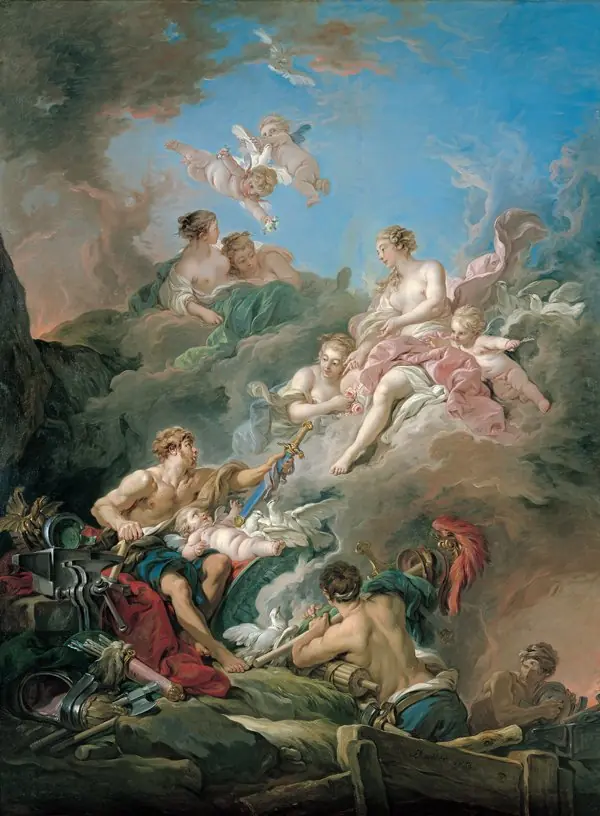
Charles Meynier’s canvas depicting Apollo alongside the muse Urania was executed as part of a five‑panel decorative program for the private residence of François Boyer‑Fonfréde in Toulouse. The work presents the two deities perched upon a luminous cloud, Apollo bearing a lyre and Urania gesturing toward the heavens with a compass, bathed in a soft, radiant sky.
Subject & Meaning
The composition unites the god of light, eloquence and the arts with the muse of astronomy, linking poetic inspiration to celestial order. Apollo’s lyre symbolizes musical and poetic creation, while Urania’s compass points to the scientific study of the stars, together suggesting a harmonious relationship between the arts and the rational study of the cosmos.
Technique & Style
Meynier employs a delicate chiaroscuro that renders the figures with a glowing translucence against the airy background. The smooth modeling of flesh and the precise rendering of the lyre and compass reflect the academic training of the artist, while the overall arrangement of floating figures on a cloud recalls the grand ceiling decorations he later executed for the Louvre.
History & Provenance
Awarded the Grand Prix de Rome in 1789, Meynier entered the Académie des Beaux‑Arts in 1815 and became known for large‑scale decorative schemes. The five‑panel cycle, commissioned by the Toulouse businessman, was intended to adorn a single room and has remained intact, an uncommon survival given the frequent dispersal of such ensembles.
Context
Created during the early nineteenth century, the painting reflects the neoclassical taste for mythological subjects that conveyed moral and intellectual ideals. Its patron’s desire to fill a domestic space with allegorical imagery aligns with contemporary trends among the French bourgeoisie to emulate the grandeur of public monuments within private interiors.
Legacy
The intact set offers scholars a rare glimpse into the original decorative intent of a private salon, illustrating Meynier’s role in bridging academic painting and interior decoration. Its preservation contributes to a fuller understanding of early‑19th‑century French patronage and the continued relevance of mythological allegory in the period’s visual culture.
Artist & collection
Artist
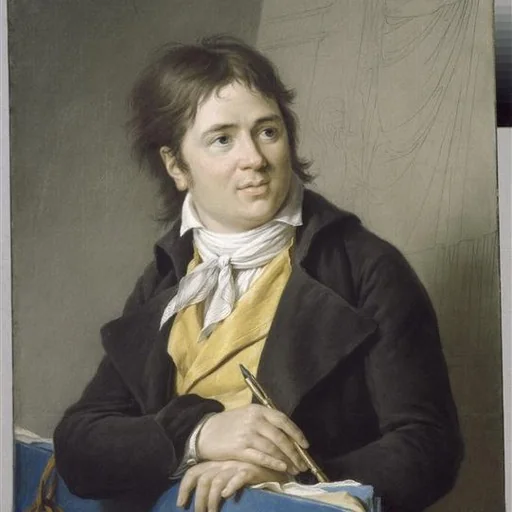
Charles Meynier (1763 or 1768, Paris – 1832, Paris) was a French painter of historical subjects in the late 18th and early 19th century. He was a contemporary of Antoine-Jean Gros and Jacques-Louis David.

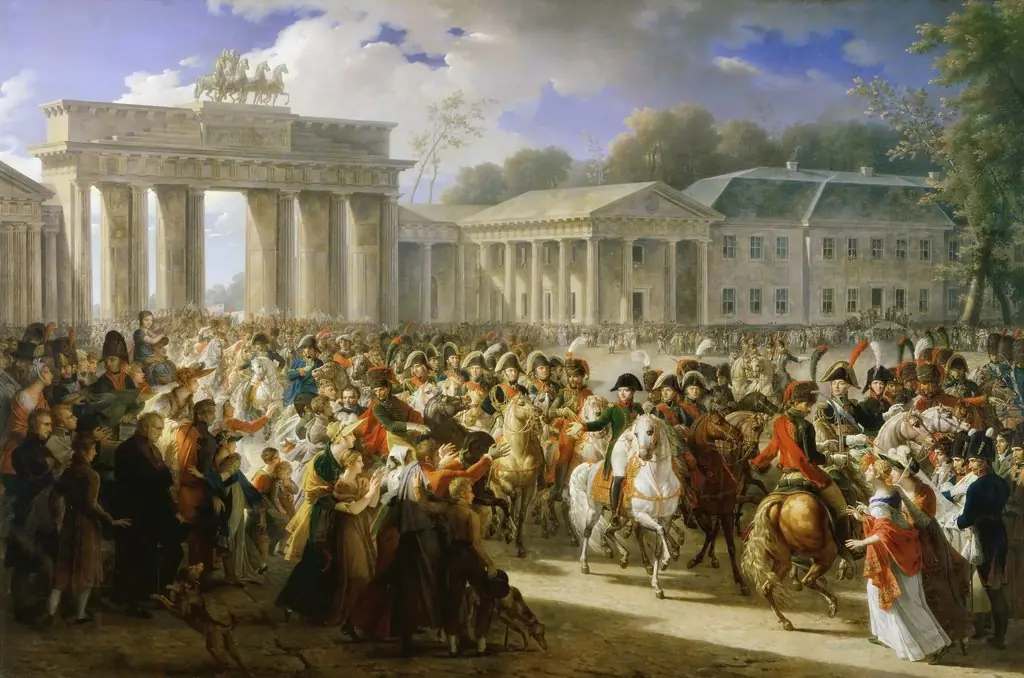 Entry of Napoleon I into Berlin, 27th October 1806
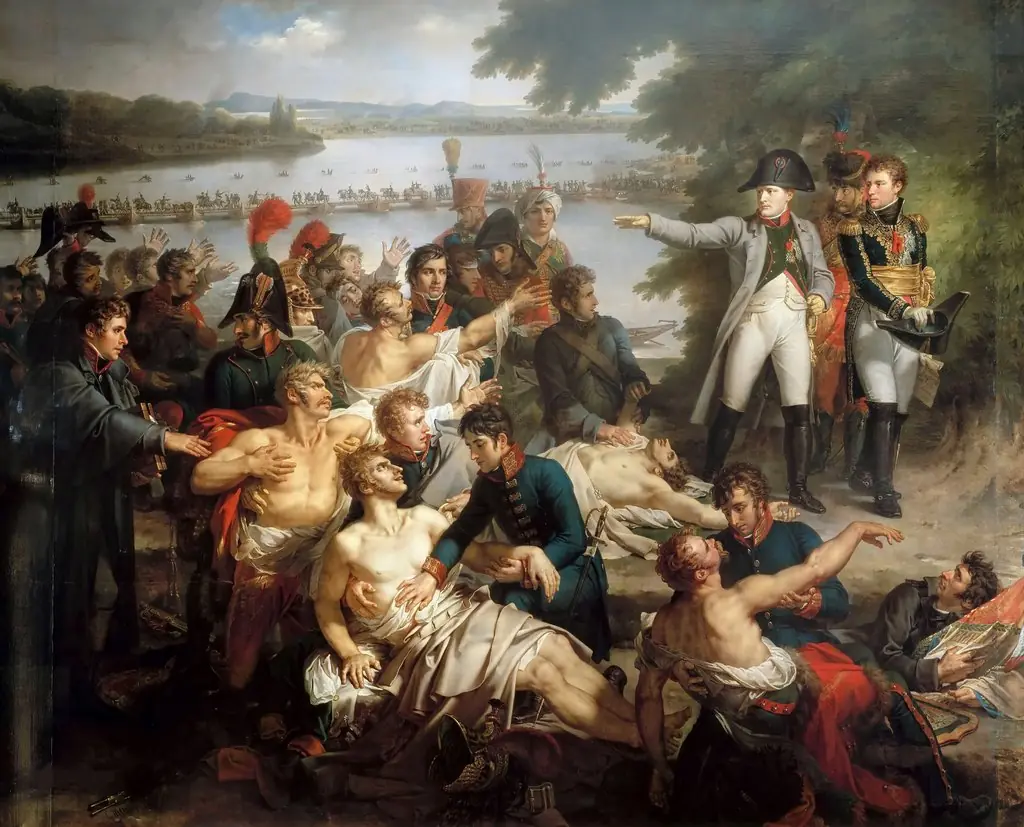 Napoleon's Return to the Island of Lobau After the Battle of Essling
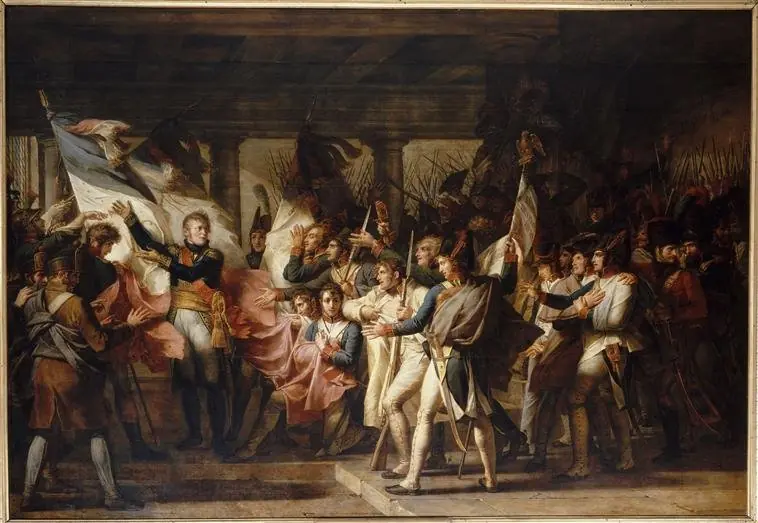 Marshal Ney hands over their flags to the soldiers of the 76th Line Regiment, November 7, 1805
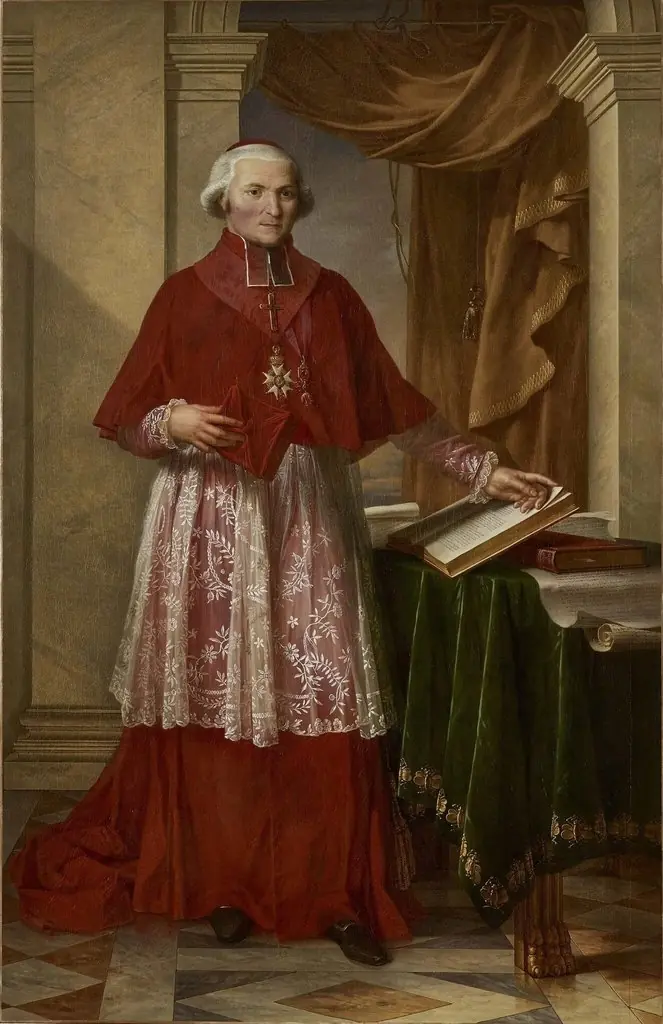 Portrait of Joseph Fesch
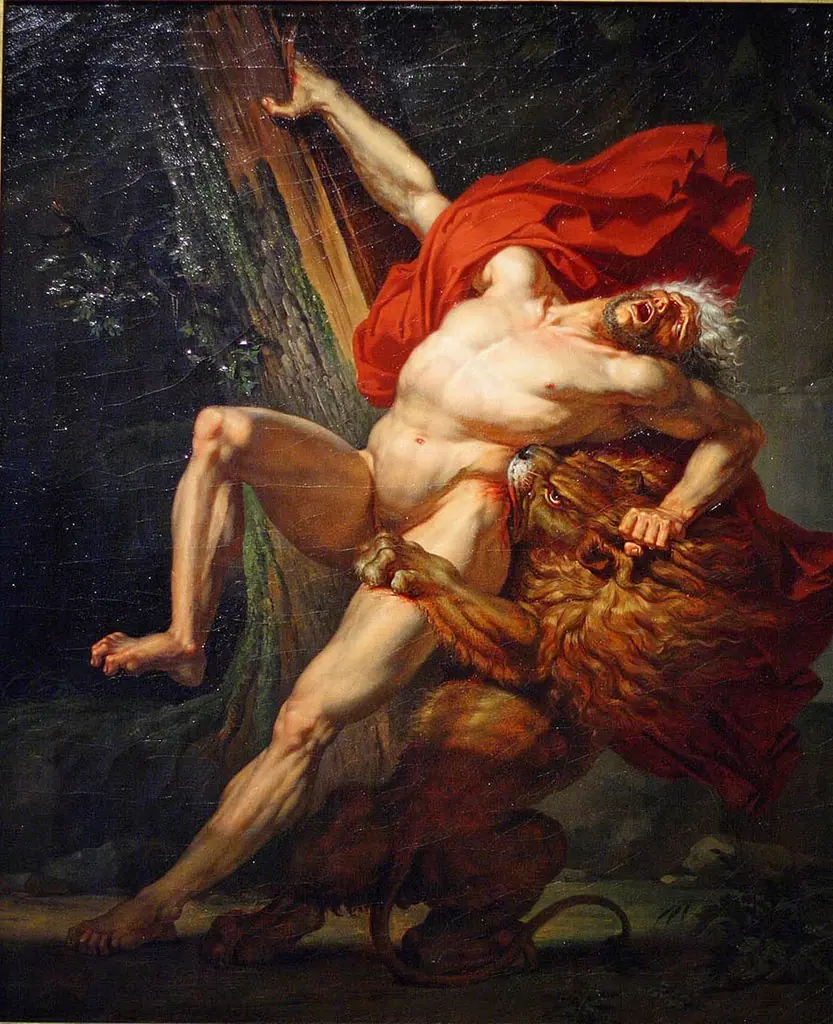 Milo of Croton, Attempting to Test His Strength, Is Caught and Devoured by a Lion
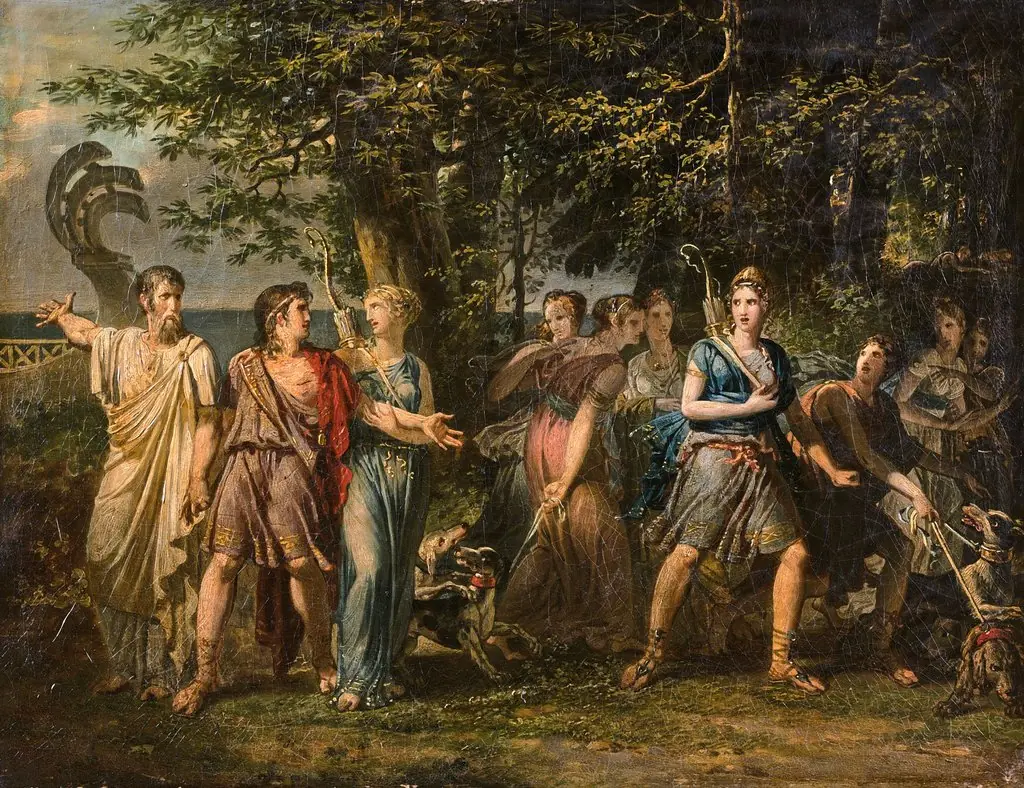 Telemachus, Urged by Mentor, Leaving the Island of Calypso
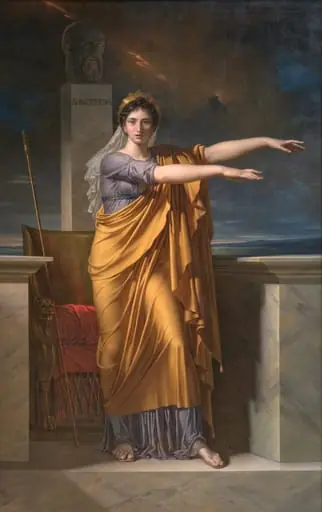 Polyhymnia, Muse of Eloquence
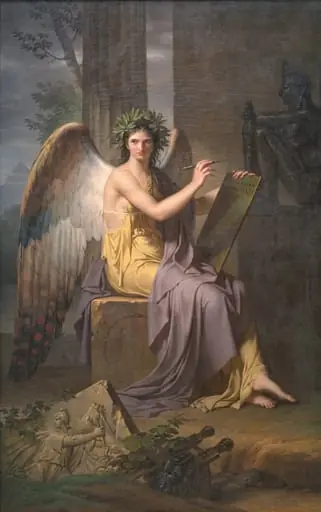 Clio, Muse of History