Artwork
Calliope, Muse of Epic Poetry
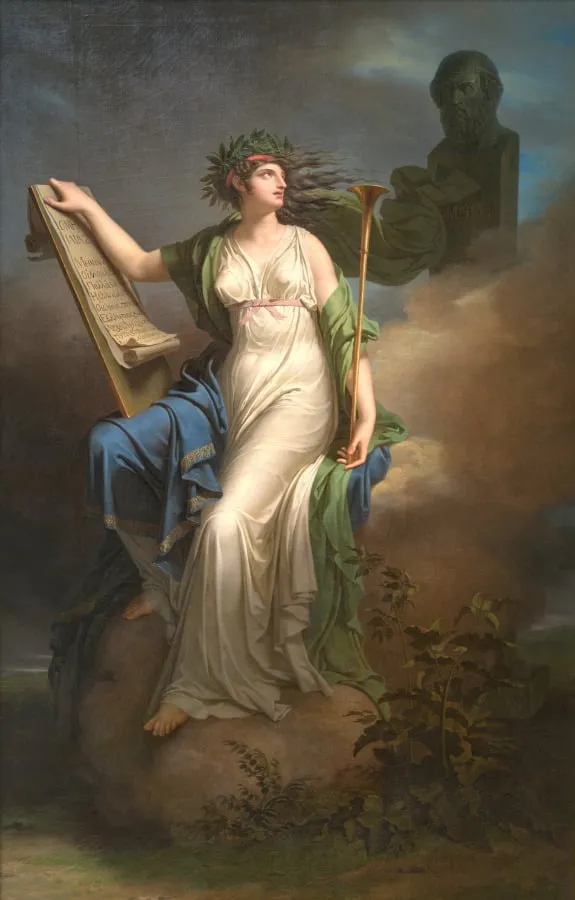
Calliope, Muse of Epic Poetry is an unspecified painting by the Neoclassicist artist Charles Meynier. It dates from 1798 and is held in the collection of the Cleveland Museum of Art. The canvas portrays the Greek muse Calliope, traditionally associated with epic poetry, standing before a marble likeness of Homer.
About this work
The painting was part of a set made for a wealthy French home in 1798—right after the Revolution, when ancient myths were back in style.
A woman in a flowing red robe holds a scroll and points to a marble bust of an old man. Behind her, a lyre leans against a stone pedestal.
This is Calliope, the Greek muse of epic poetry. The bust is Homer, who wrote the *Iliad* and *Odyssey*. The painting was part of a set made for a wealthy French home in 1798—right after the Revolution, when ancient myths were back in style.
If you like this, look up *The Cleveland Museum of Art* for more works like it.
Overview
The canvas portrays the Greek muse Calliope, traditionally associated with epic poetry, standing before a marble likeness of Homer. Dressed in a red drape, she holds a scroll and gestures toward the bust, while a lyre rests against a stone pedestal behind her. The work forms part of a five‑panel series created for a private residence in Toulouse.
Subject & Meaning
Calliope, recognized as the eldest of the nine muses, was believed to inspire music, song, dance, and especially the grand narratives of epic verse. In this composition she is shown conferring her patronage on Homer, the legendary author of the *Iliad* and the *Odyssey*, symbolising the transmission of poetic authority from deity to poet.
Technique & Style
Executed in the late eighteenth century, the painting employs a neoclassical palette and clear modeling to emphasize the classical subject matter. The red garment provides a vivid focal point, while the smooth rendering of marble and the delicate treatment of the lyre reflect the period’s interest in antiquity and restrained elegance.
History & Provenance
The work was commissioned in 1798 by the businessman François Boyer‑Fonfréde for decoration of his home in Toulouse, shortly after the French Revolution when classical motifs regained popularity. It remained within the Boyer‑Fonfréde collection before entering the museum’s holdings in the twentieth century.
Context
Created during a resurgence of interest in ancient Greek themes, the painting aligns with the broader neoclassical movement that sought to revive the moral and aesthetic ideals of antiquity. Its inclusion in a series of five panels suggests a thematic program celebrating the arts and their mythic patrons.
Artist & collection
Artist
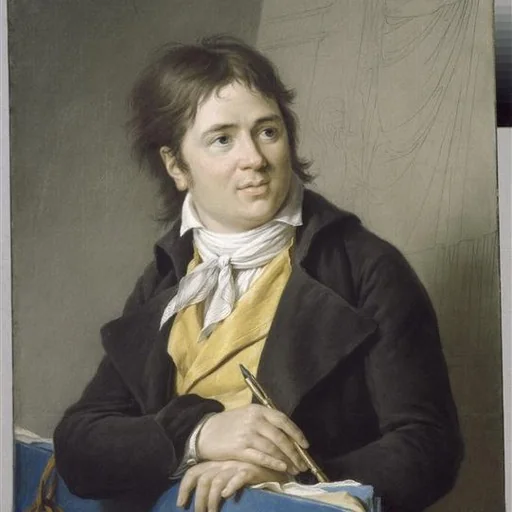
Charles Meynier (1763 or 1768, Paris – 1832, Paris) was a French painter of historical subjects in the late 18th and early 19th century. He was a contemporary of Antoine-Jean Gros and Jacques-Louis David.

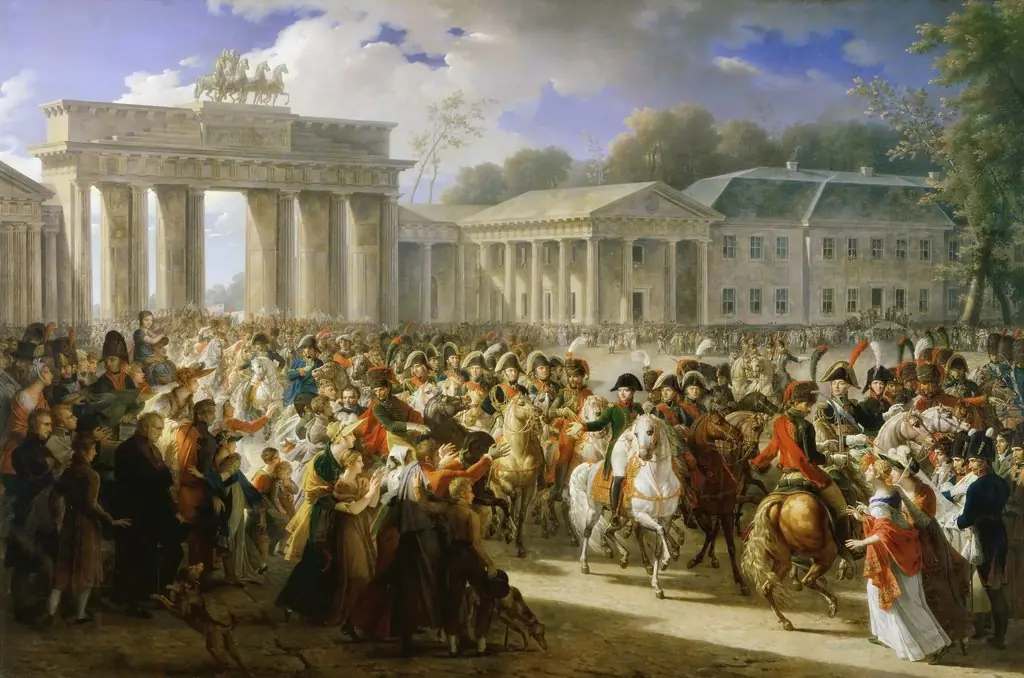 Entry of Napoleon I into Berlin, 27th October 1806
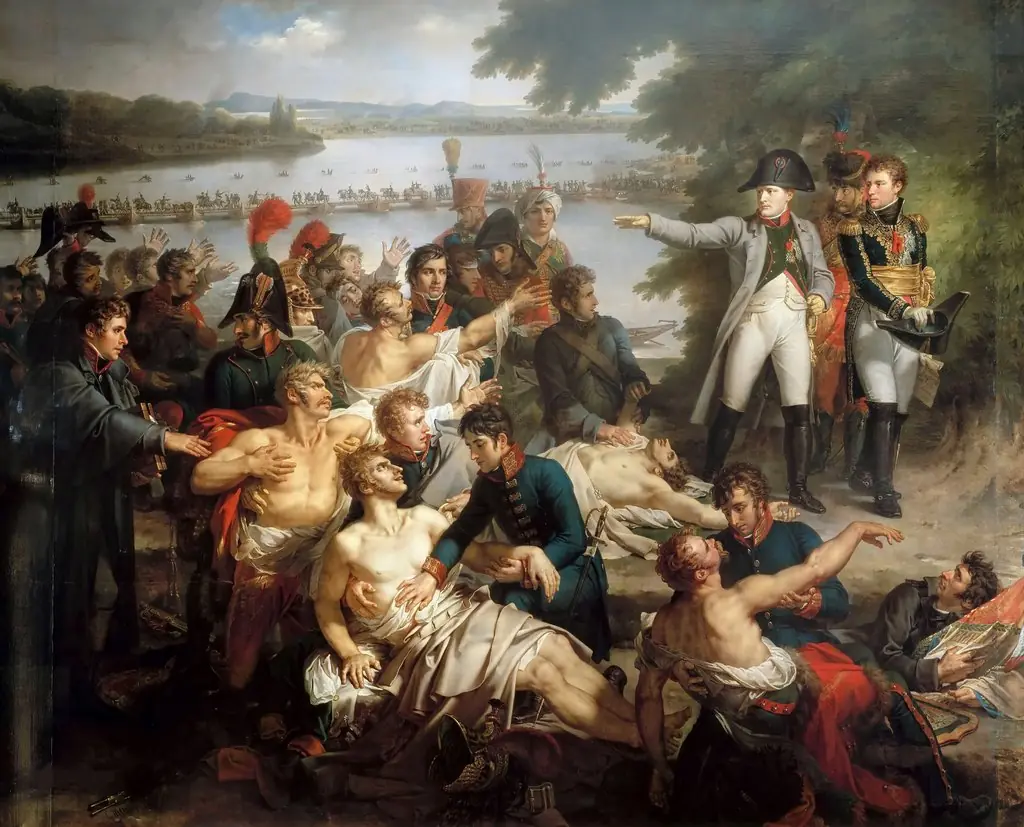 Napoleon's Return to the Island of Lobau After the Battle of Essling
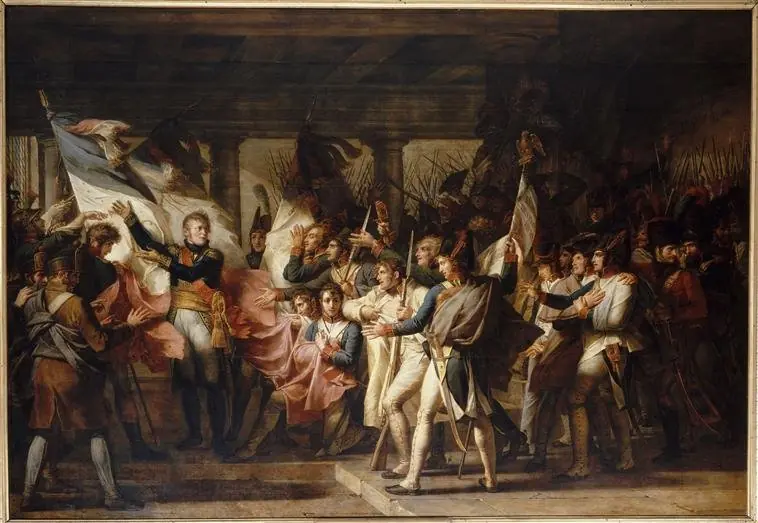 Marshal Ney hands over their flags to the soldiers of the 76th Line Regiment, November 7, 1805
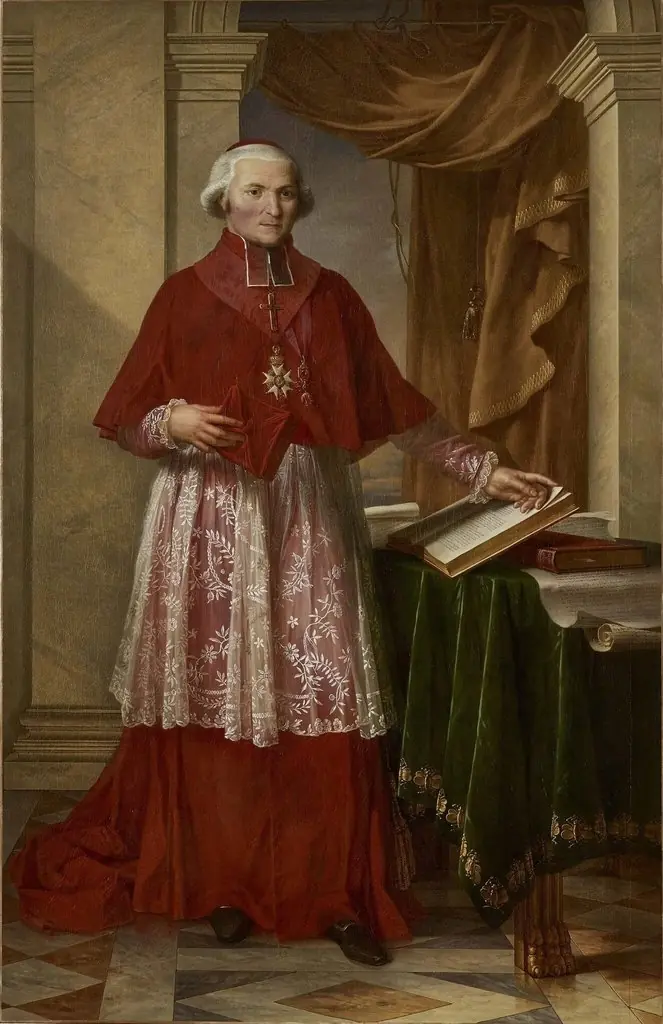 Portrait of Joseph Fesch
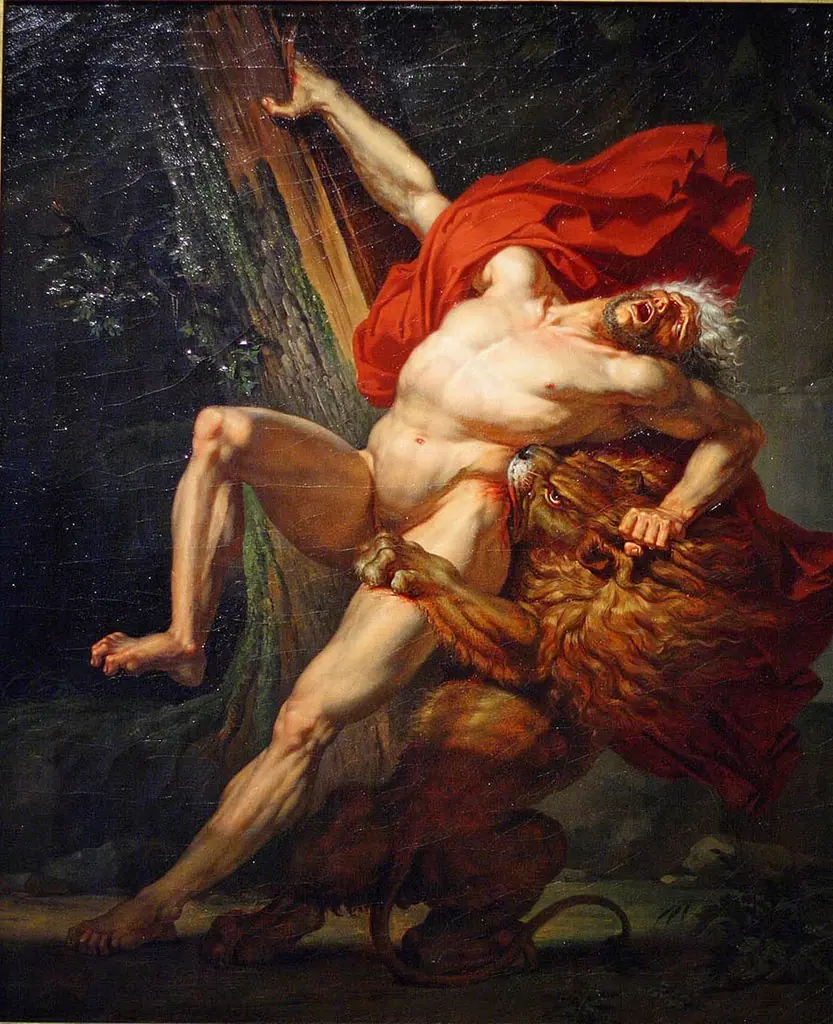 Milo of Croton, Attempting to Test His Strength, Is Caught and Devoured by a Lion
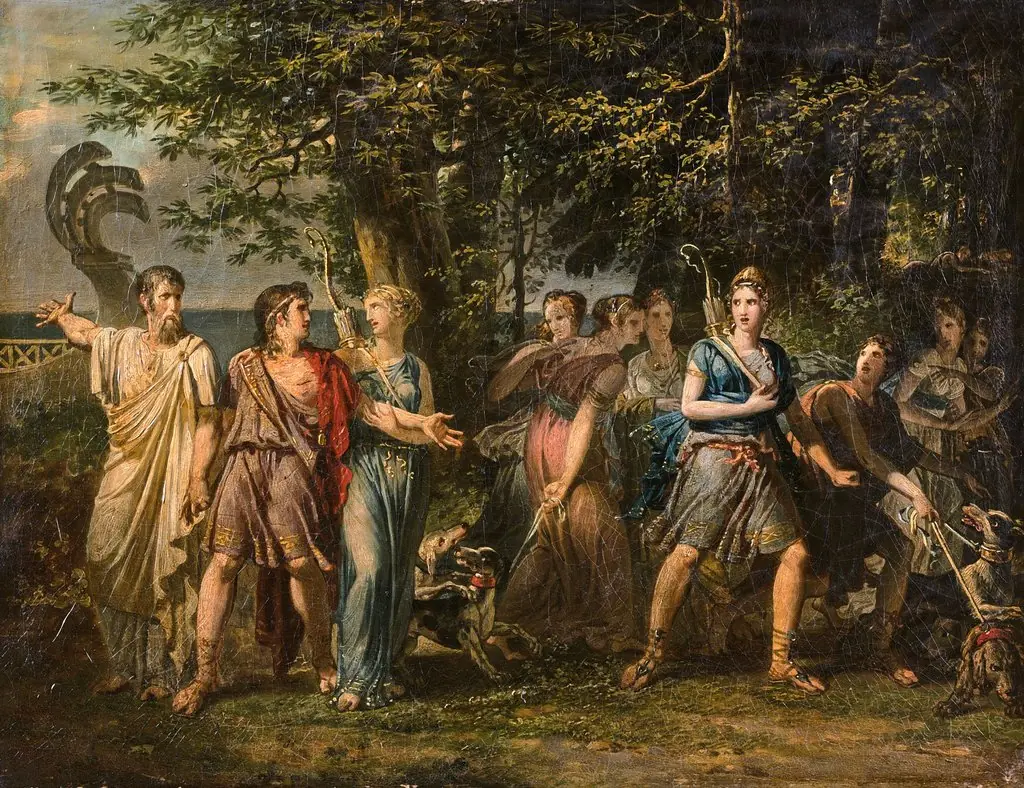 Telemachus, Urged by Mentor, Leaving the Island of Calypso
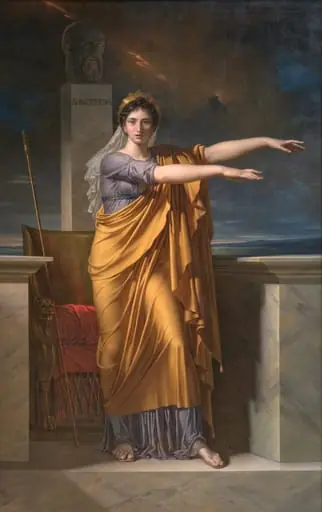 Polyhymnia, Muse of Eloquence
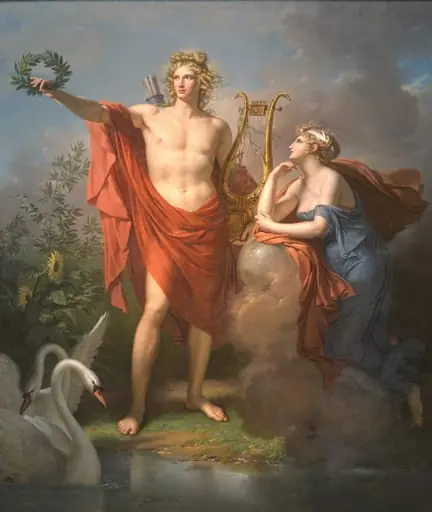 Apollo, God of Light, Eloquence, Poetry, and the Fine Arts with Urania, Muse of Astronomy