Artwork
The Herd Exits
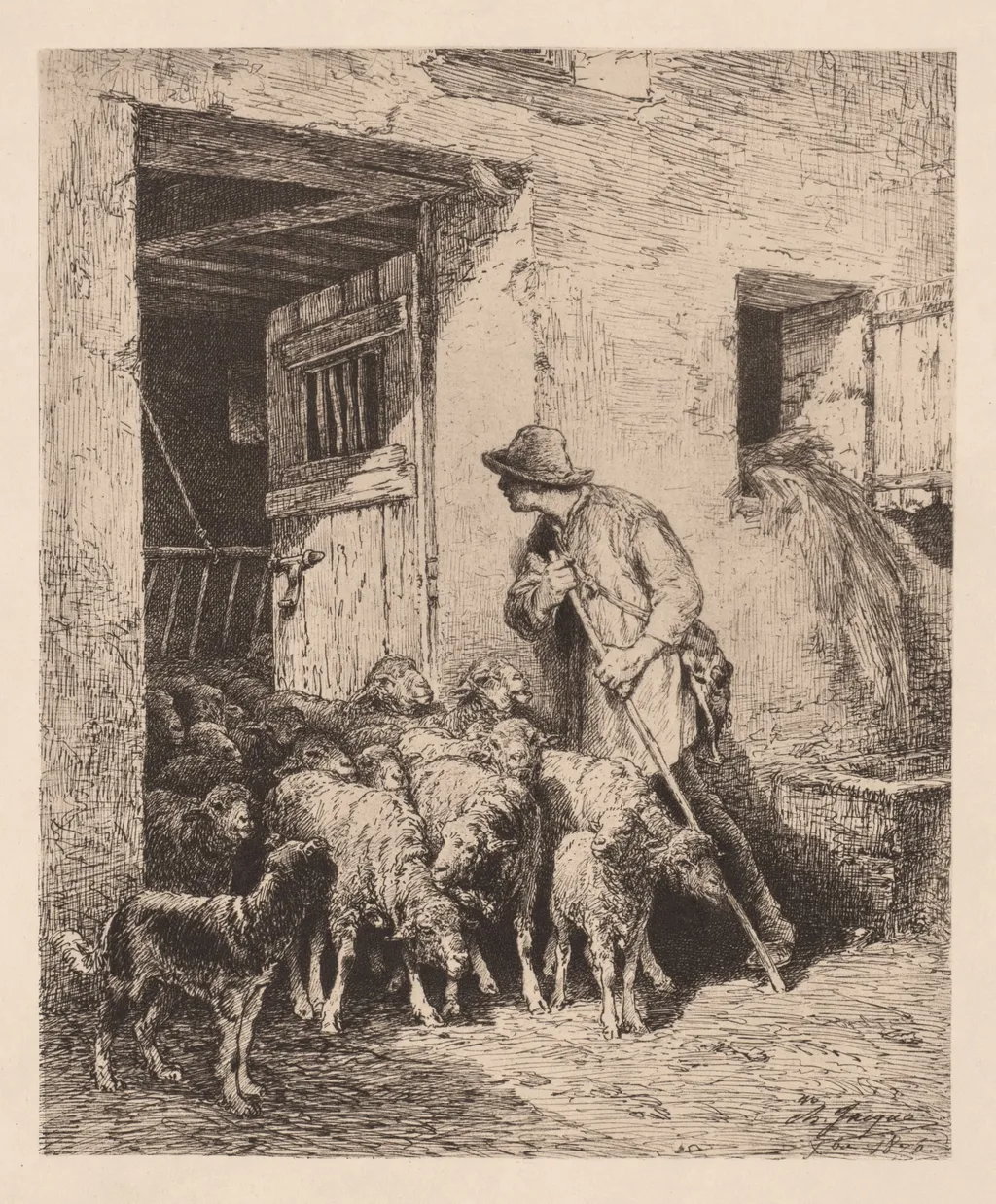
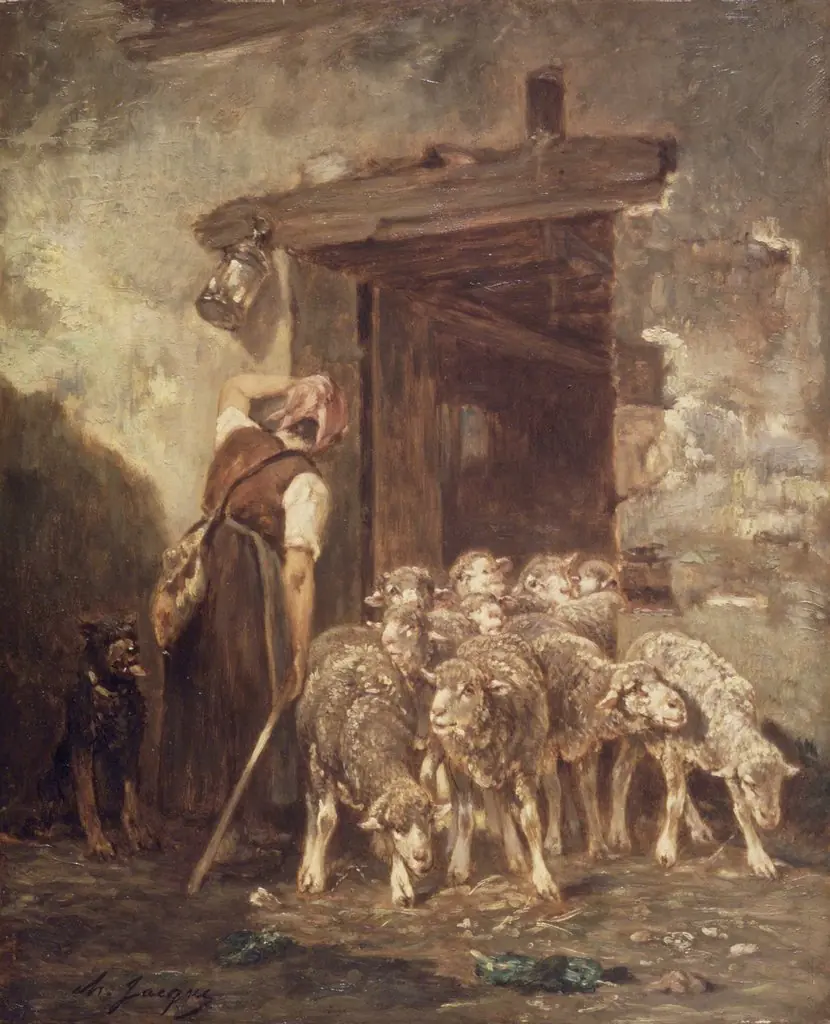
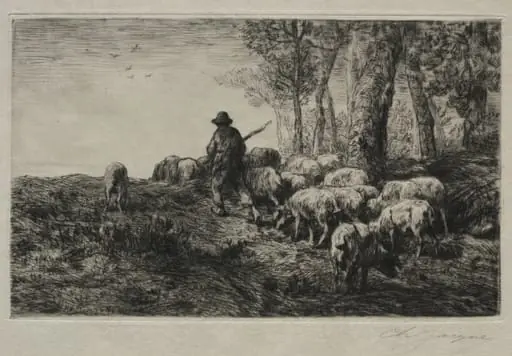
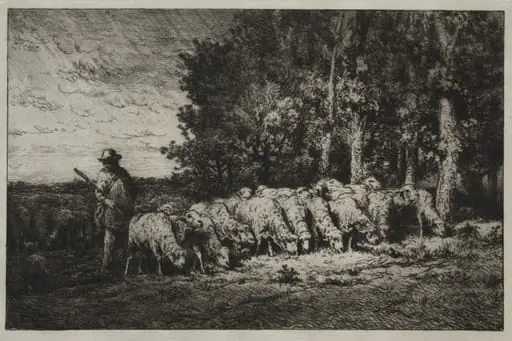
The Herd Exits is a print by the Impressionist artist Charles Jacque. It dates from 1876 and is held in the collection of the Cleveland Museum of Art.
About this work
Overview
Created in 1876 by French artist Charles-Émile Jacque, *The Herd Exits* is a print that captures a quiet moment of rural labor. Jacque, closely linked to the Barbizon School, focused on the rhythms of country life. This work reflects his interest in the daily routines of agricultural communities, rendered with immediacy and attention to natural detail rather than idealized composition.
Subject & Meaning
The animals cluster nervously, some turning toward the figure, while he leans forward with a staff, directing their movement.
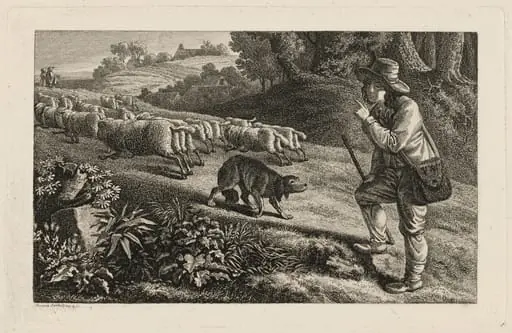
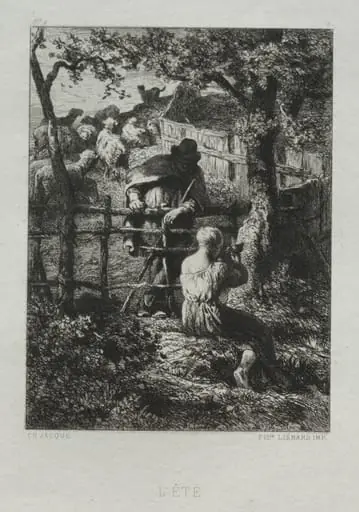
The scene portrays a shepherd guiding a group of sheep from a dimly lit stable into daylight. The animals cluster nervously, some turning toward the figure, while he leans forward with a staff, directing their movement. No grand narrative is present—only the unembellished act of herding, underscoring the quiet dignity of pastoral work and the close relationship between human and animal in rural settings.
Technique & Style
Jacque employed loose, energetic lines to suggest motion and texture, particularly in the wool of the sheep and the rough stonework of the stable. The contrast between the dark interior and the lighter exterior enhances depth, while the sketchlike quality conveys spontaneity. The print’s immediacy stems from its emphasis on gesture and atmosphere over precise detail, aligning with the Barbizon preference for observed reality.
History & Provenance
Produced during the height of Jacque’s engagement with printmaking, *The Herd Exits* emerged from a period when he and Jean-François Millet were redefining rural imagery in French art. Though specific early ownership records are limited, the work was part of a broader movement to elevate scenes of peasant life through accessible mediums like etching and engraving, reaching wider audiences beyond oil painting collectors.
Context
In mid-to-late 19th-century France, industrialization reshaped society, prompting artists to turn toward the countryside as a site of authenticity. Jacque’s work, alongside that of Millet and others in the Barbizon circle, responded to this shift by documenting agricultural labor without sentimentality. *The Herd Exits* fits within this effort to portray rural existence as it was lived, not as it was imagined.
Legacy
Jacque’s prints, including this one, contributed to the legitimization of rural subjects in fine art and expanded the role of printmaking as a vehicle for social observation. Though less widely known today than his contemporaries, his focus on everyday pastoral moments influenced later generations of realist artists who sought to capture the unvarnished rhythms of working life.
Own this work as a print
Artist & collection
Artist
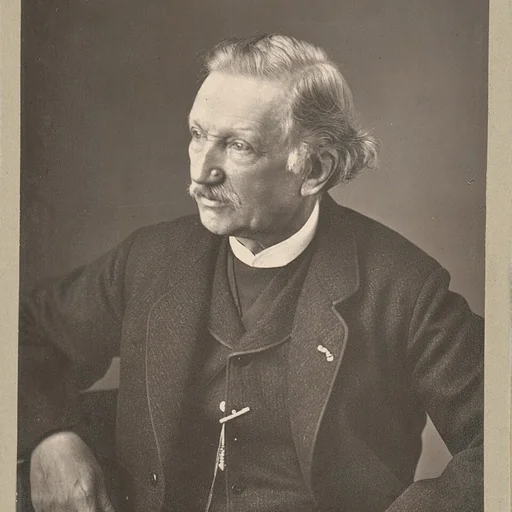
Charles-Émile Jacque (23 May 1813 – 7 May 1894) was a French painter of Pastoralism and engraver who was, with Jean-François Millet, part of the Barbizon School. He first learned to engrave maps when he spent seven years in the French Army.