Artwork
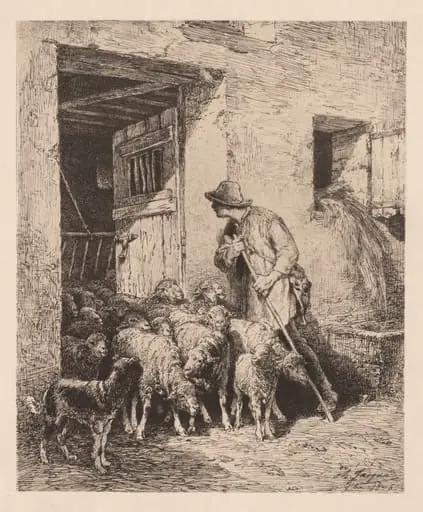
Bringing in the Sheep
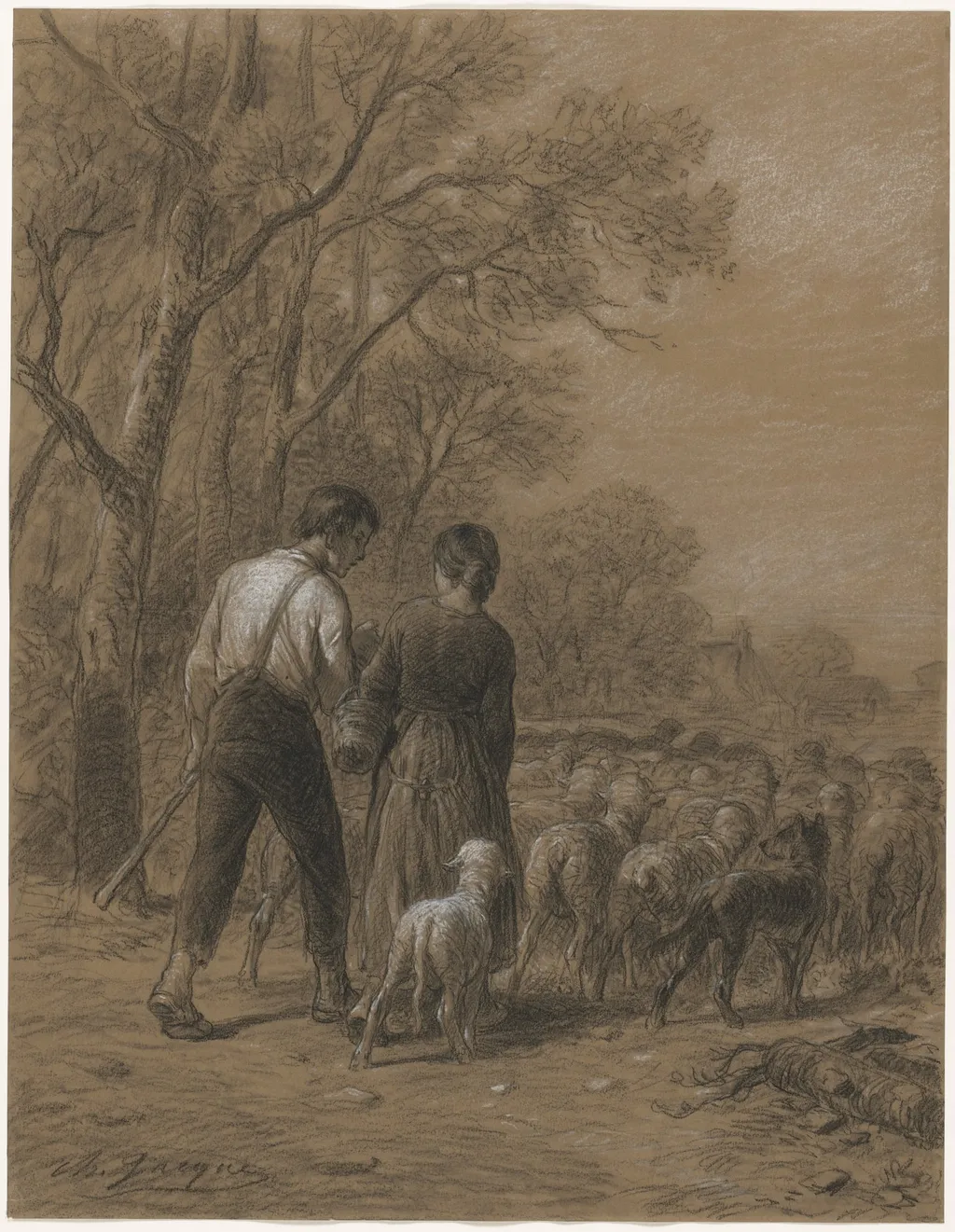
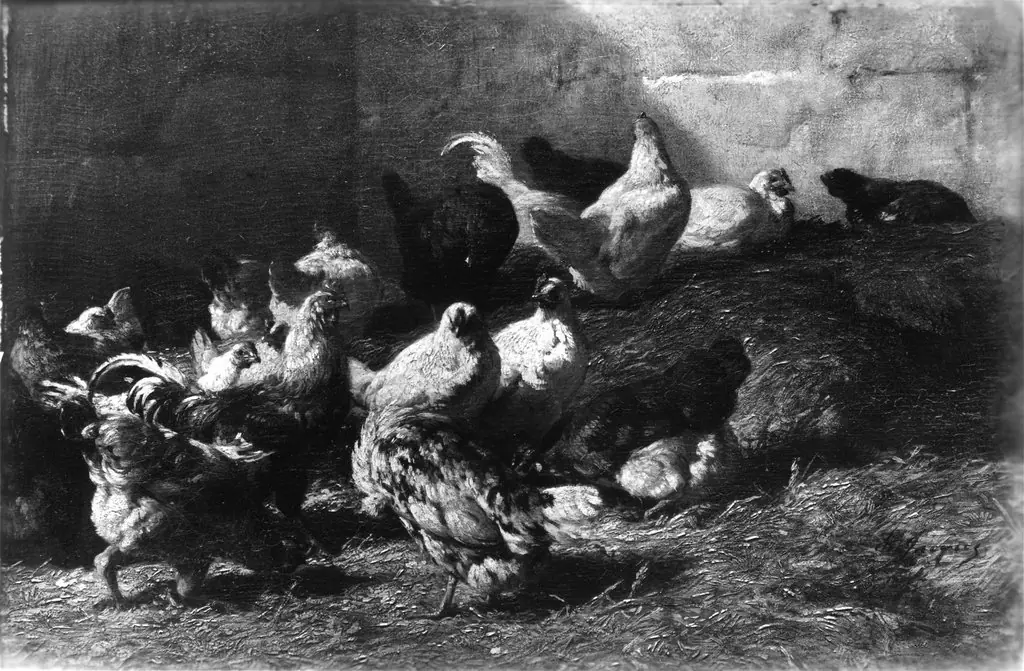
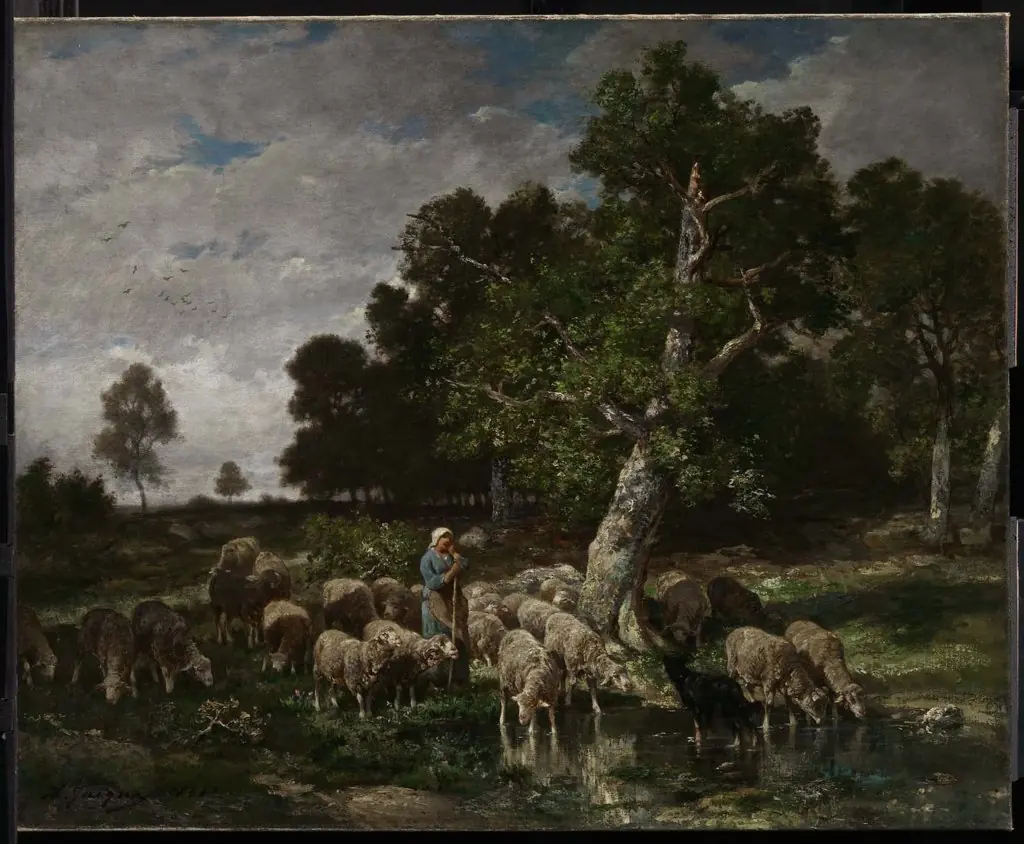
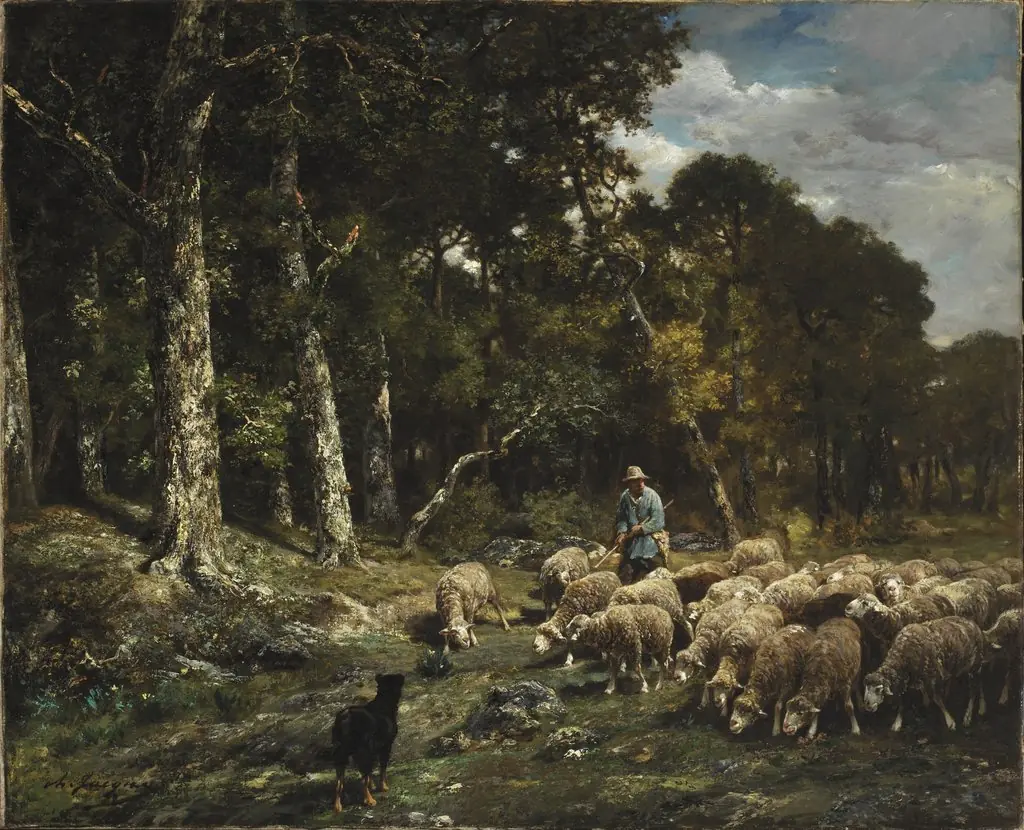
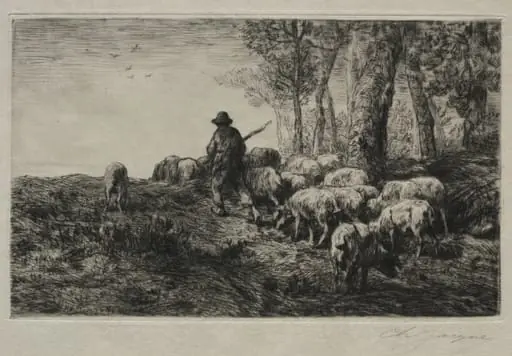
Bringing in the Sheep is a drawing by the Romanticist artist Charles Jacque. It dates from 1804 and is held in the collection of the Cleveland Museum of Art.
About this work
Overview
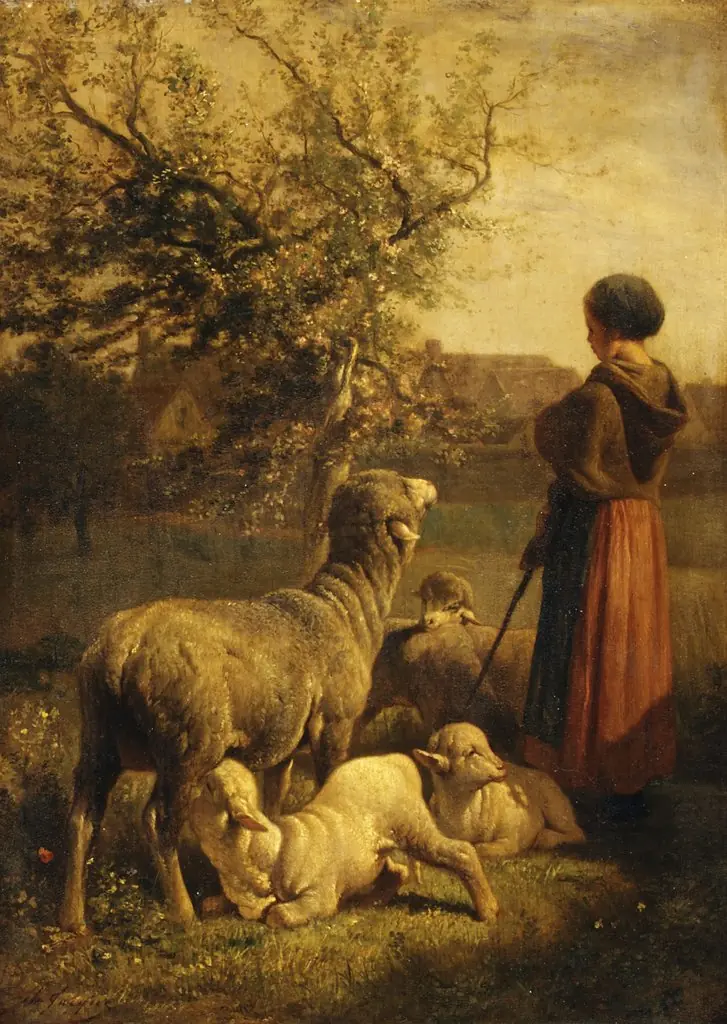
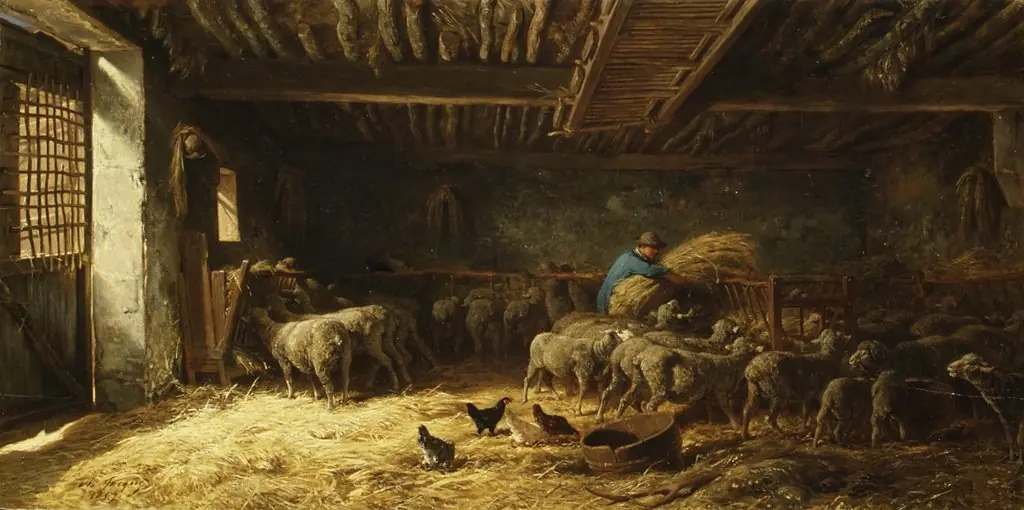
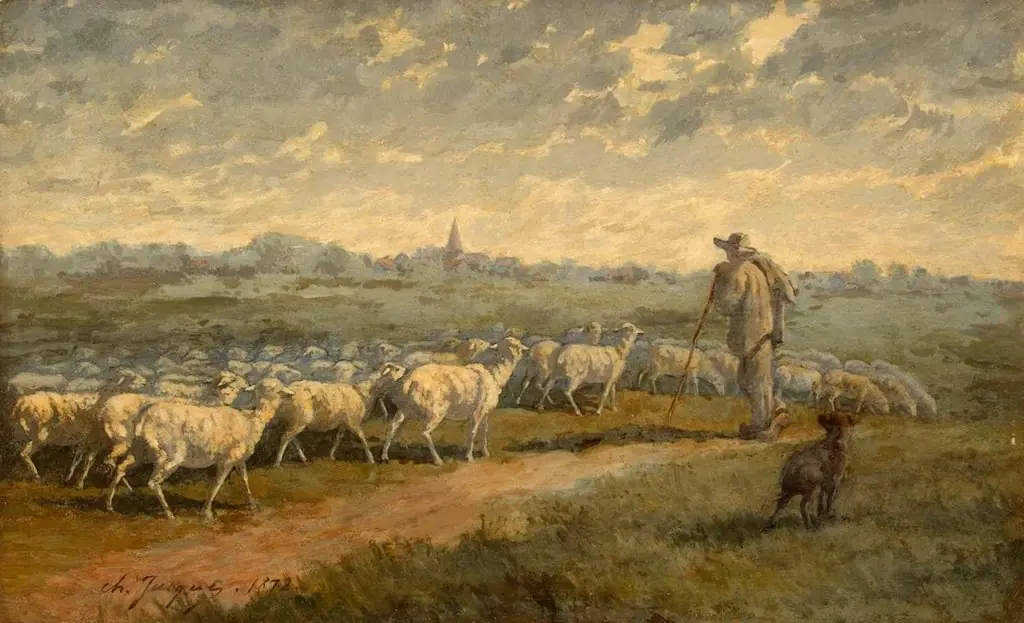
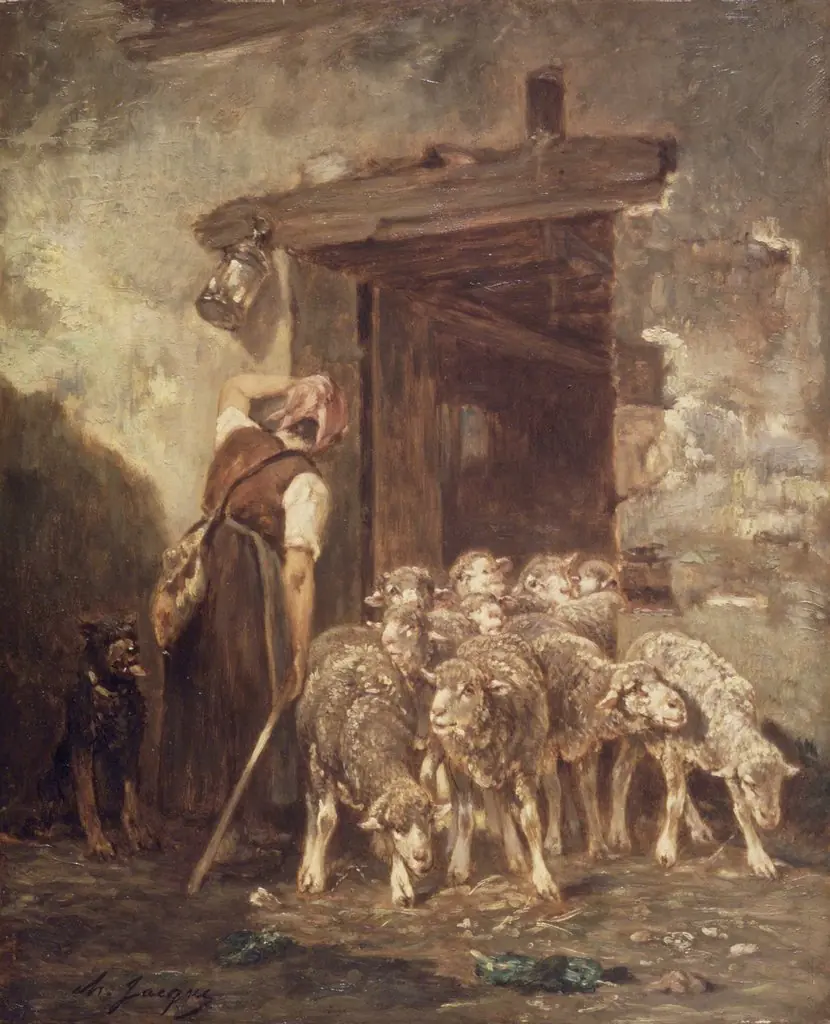
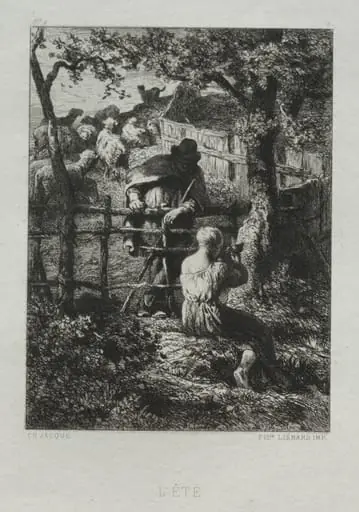
Bringing in the Sheep is a drawing by French artist Charles-Émile Jacque, created circa 1804, featuring a rustic scene of two figures guiding a flock of sheep amidst a rural landscape.
Subject & Meaning
The drawing depicts a serene pastoral moment, with a man and woman tending to sheep, conveying a sense of everyday rural life, characteristic of the Barbizon School’s emphasis on naturalistic country subjects.
Technique & Style
Jacque employed quick, expressive lines to capture movement and vitality, imbuing the scene with a sense of realism tempered by a dreamy quality, reflective of his training in engraving and his artistic affiliations.
History & Provenance
Created around 1804, the work is now part of the Cleveland Museum of Art’s collection, highlighting Jacque’s contribution to the Barbizon School alongside notable peers like Jean-François Millet.
Context
Though Jacque is known for his pastoral themes, his background includes a seven-year stint in the French Army, where he was initially trained in map engraving, influencing his later artistic approach to detail and composition.
Artist & collection
Artist
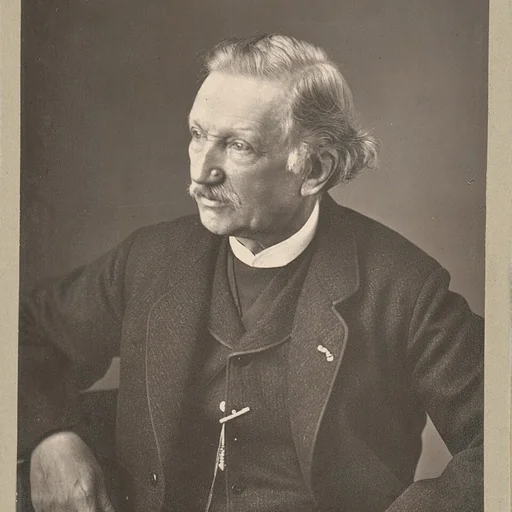
Charles-Émile Jacque (23 May 1813 – 7 May 1894) was a French painter of Pastoralism and engraver who was, with Jean-François Millet, part of the Barbizon School. He first learned to engrave maps when he spent seven years in the French Army.