Artwork
Winter
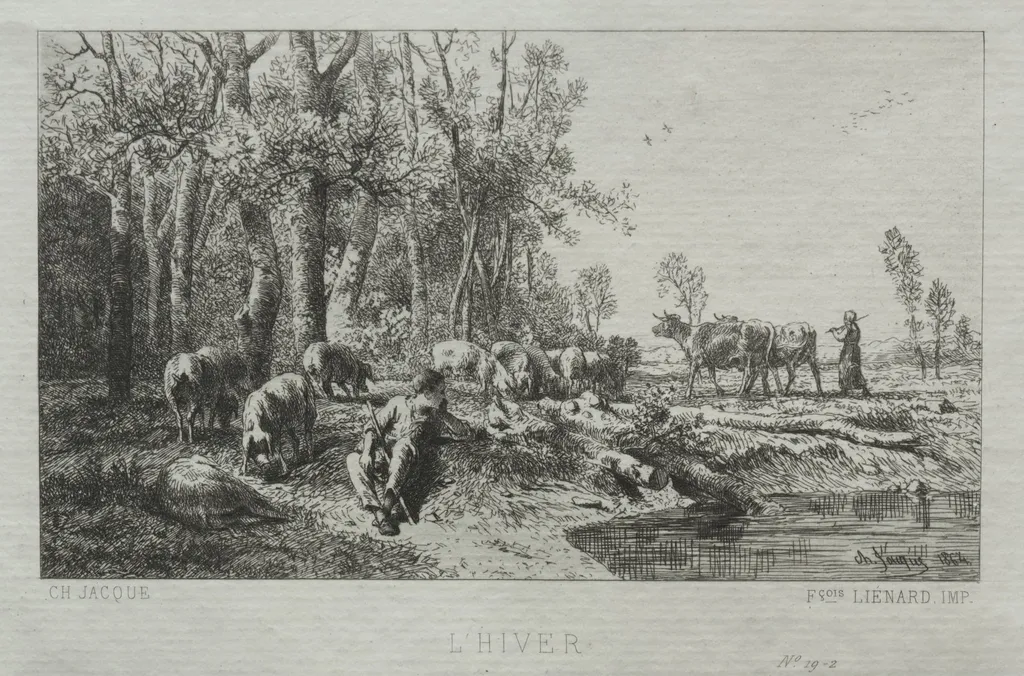
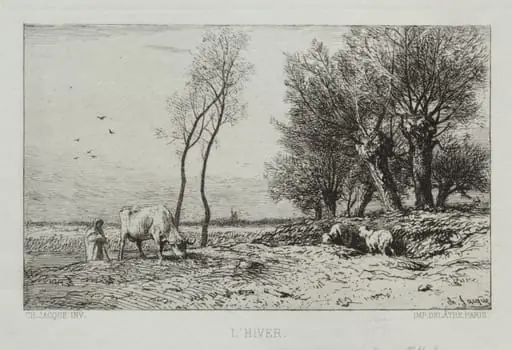
Winter is a print by the Impressionist artist Charles Jacque. It dates from 1864 and is held in the collection of the Cleveland Museum of Art.
About this work
Overview
Created in 1864 by French artist Charles-Émile Jacque, *Winter* is a black-and-white print that captures a quiet rural scene during the cold season.
Created in 1864 by French artist Charles-Émile Jacque, *Winter* is a black-and-white print that captures a quiet rural scene during the cold season. Jacque, linked to the Barbizon School, favored intimate depictions of country life over dramatic or idealized subjects. This work exemplifies his commitment to observing and recording the ordinary rhythms of the countryside, rendered with restrained detail and a muted tonal range.
Subject & Meaning
The print portrays a group of cows resting beneath bare winter trees, accompanied by two figures: one seated near the animals, another standing at a distance with a staff. The scene conveys stillness and endurance, suggesting the quiet persistence of rural existence through seasonal hardship. No narrative drama is present—instead, the focus lies in the unadorned coexistence of animals and humans within a natural, unvarnished landscape.
Technique & Style
Jacque employed etching and engraving techniques to achieve fine linear detail and subtle gradations of tone. The composition avoids theatrical lighting or exaggerated forms, relying instead on delicate hatching and careful spacing to suggest depth and texture. The absence of color reinforces the somber mood, aligning with the Barbizon preference for truthful representation over romantic embellishment.
History & Provenance
Produced during the height of the Barbizon movement, *Winter* was made in the same period Jacque collaborated with Jean-François Millet. Though specific ownership records are not widely documented, the print circulated among collectors interested in rural realism. Its creation reflects the broader 19th-century shift toward valuing everyday rural life as worthy artistic subject matter, independent of academic traditions.
Context
In mid-19th-century France, artists increasingly turned away from historical and mythological themes to depict the lives of peasants and the natural environment. The Barbizon painters, working near the Forest of Fontainebleau, sought authenticity through direct observation. Jacque’s *Winter* fits within this trend, offering a quiet counterpoint to urbanizing industrial society by honoring the rhythms of the land and its inhabitants.
Legacy
Jacque’s prints, including *Winter*, contributed to the legitimization of printmaking as a serious medium for social and natural observation. His focus on unidealized rural scenes influenced later realist and regionalist artists. While less celebrated than his contemporaries, his work remains a quiet testament to the value of modest, observed moments in art.
Own this work as a print
Artist & collection
Artist
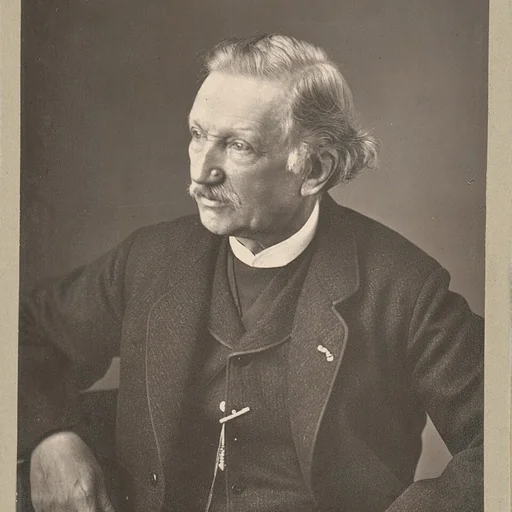
Charles-Émile Jacque (23 May 1813 – 7 May 1894) was a French painter of Pastoralism and engraver who was, with Jean-François Millet, part of the Barbizon School. He first learned to engrave maps when he spent seven years in the French Army.

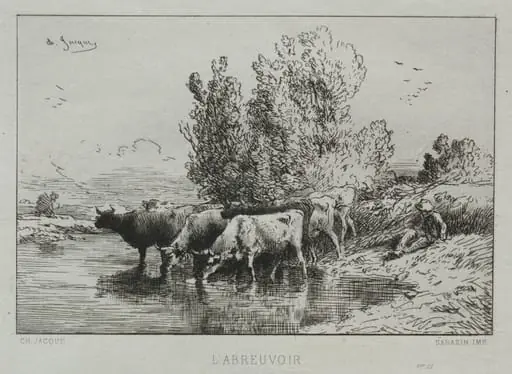 The Watering Place
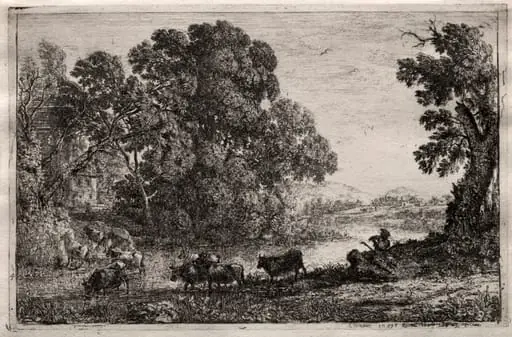 The Cowherd
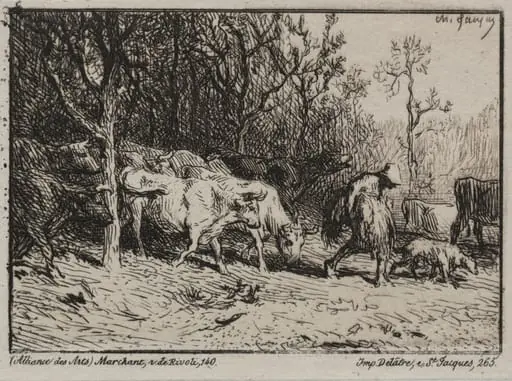 Cowherd
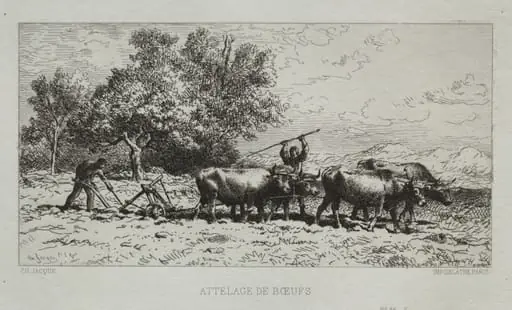 Team of Oxen
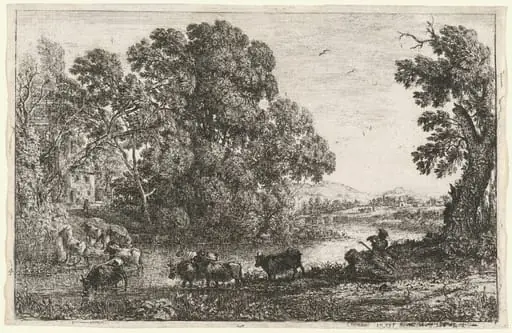 The Cowherd (Le bouvier)
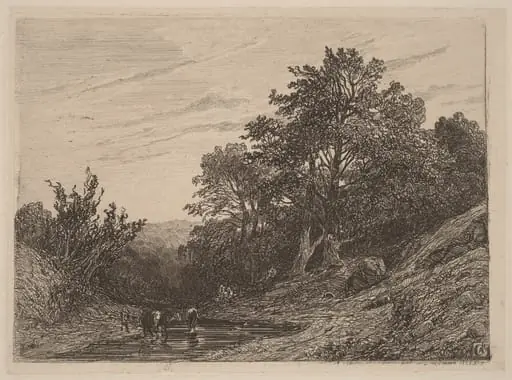 Herd in a Stream
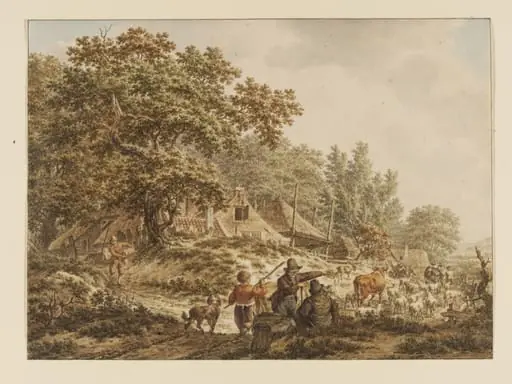 Herdsmen and Their Flocks Before a Dutch Farmstead Among Trees
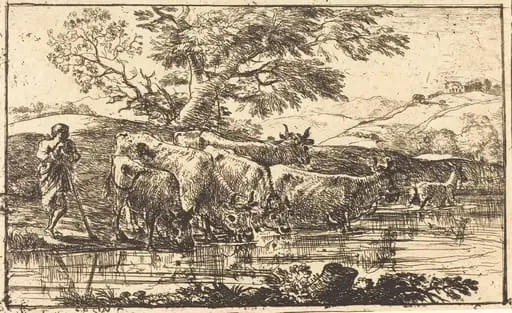 The Herd at the Watering Place (Le troupeau à l'abreuvoir)
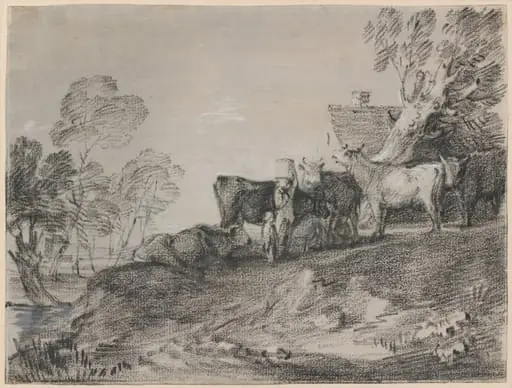 Landscape with Cattle by a Cottage
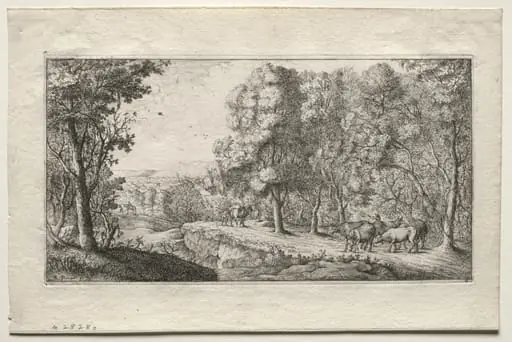 The Road at the Border of the Woods
 Shepherd and Shepherdess with Their Flock
 Winter