Artwork
Ruins of an Abbey
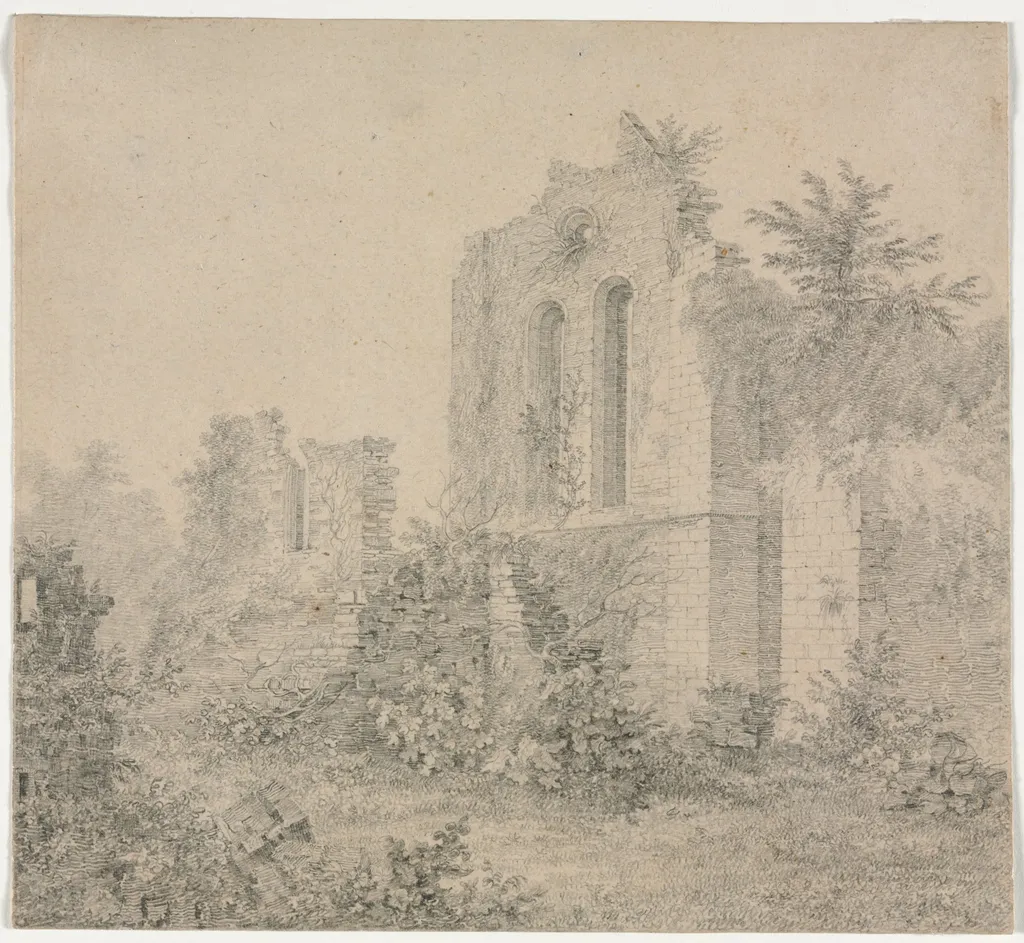
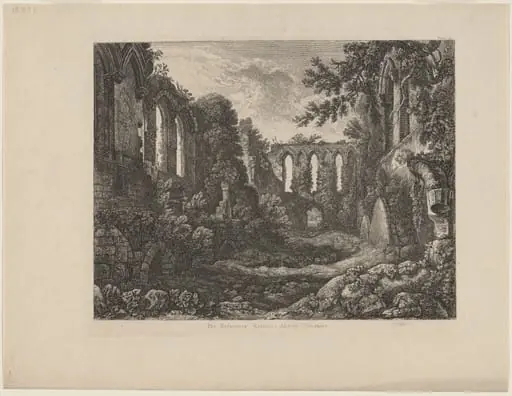
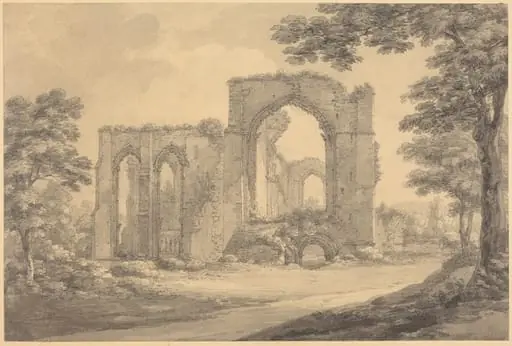
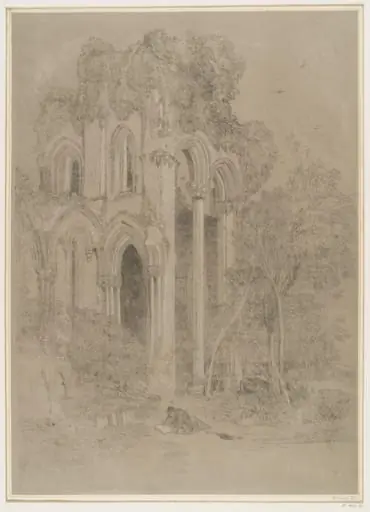
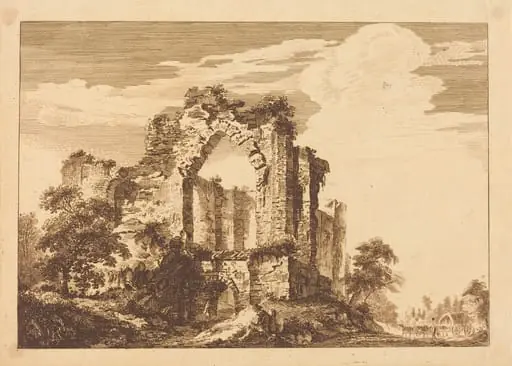
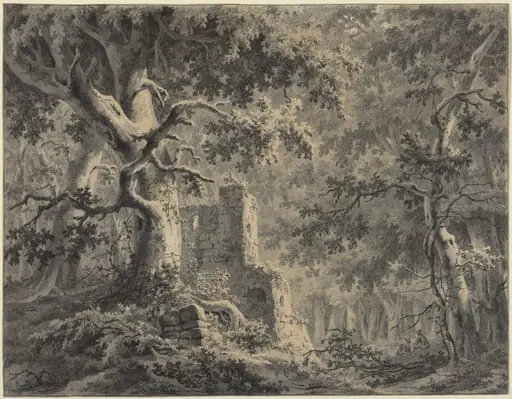
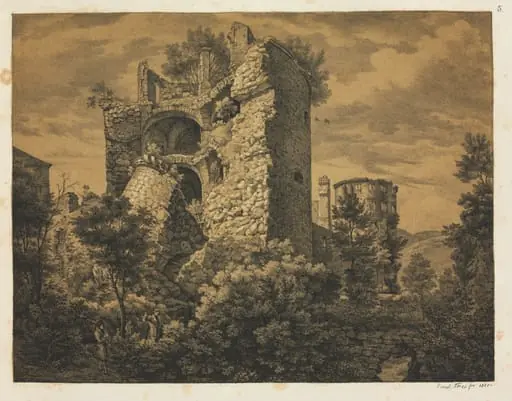
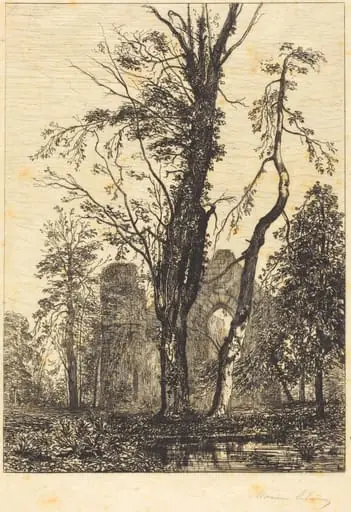
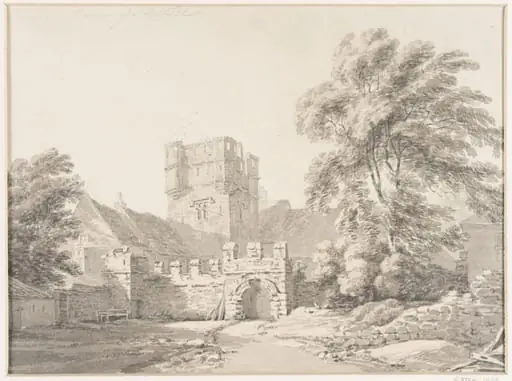
Ruins of an Abbey is a drawing by the Romanticist artist Charles Norris. It dates from 1834 and is held in the collection of the Cleveland Museum of Art. This pencil drawing depicts the weathered remains of a monastic complex, overtaken by vegetation.
About this work
Overview
This pencil drawing depicts the weathered remains of a monastic complex, overtaken by vegetation. Created by an amateur artist, it reflects a widespread 19th-century fascination with decayed religious architecture. Unlike professional topographers, the maker approached the subject with personal sensitivity, aligning with broader Romantic sensibilities rather than documentary precision.
Subject & Meaning
The abbey, half-swallowed by ivy and wild growth, evokes time’s quiet erosion of human institutions. The absence of figures or activity emphasizes solitude and abandonment, inviting contemplation rather than narrative. This imagery resonates with Romantic ideals that found beauty in ruin, mourning the passage of faith and order through nature’s reclamation.
Technique & Style
Executed in delicate pencil lines, the drawing balances atmospheric depth with restrained detail. Soft shading suggests moss-covered stones and tangled roots, while loose contours convey organic overgrowth. The composition avoids dramatic lighting or idealization, favoring quiet observation — a hallmark of amateur Romantic expression in private sketchbooks.
History & Provenance
The work entered the collection of the Cleveland Museum of Art as part of a broader acquisition of 19th-century British drawings. Its origin traces to an unidentified amateur artist active in the early 1800s, likely from a middle-class background with access to travel and artistic materials. No record of exhibition or publication exists prior to its museum acquisition.
Context
During the early 19th century, Gothic ruins became popular subjects among both professionals and amateurs across Britain and Germany. Inspired by literature and landscape theory, non-professionals like the artist here engaged with Romanticism through personal sketching, contributing to a cultural shift where art became a private meditation on history and nature.
Legacy
This drawing exemplifies how Romantic aesthetics permeated everyday artistic practice beyond academic circles. It preserves a quiet, unpolished response to heritage and decay, offering insight into how ordinary individuals interpreted monumental history through intimate, tactile engagement with the past.
Own this work as a print
Artist & collection