Artwork
Marshal Thomas Bugeaud (1784-1849), duc d'Isly, maréchal de France
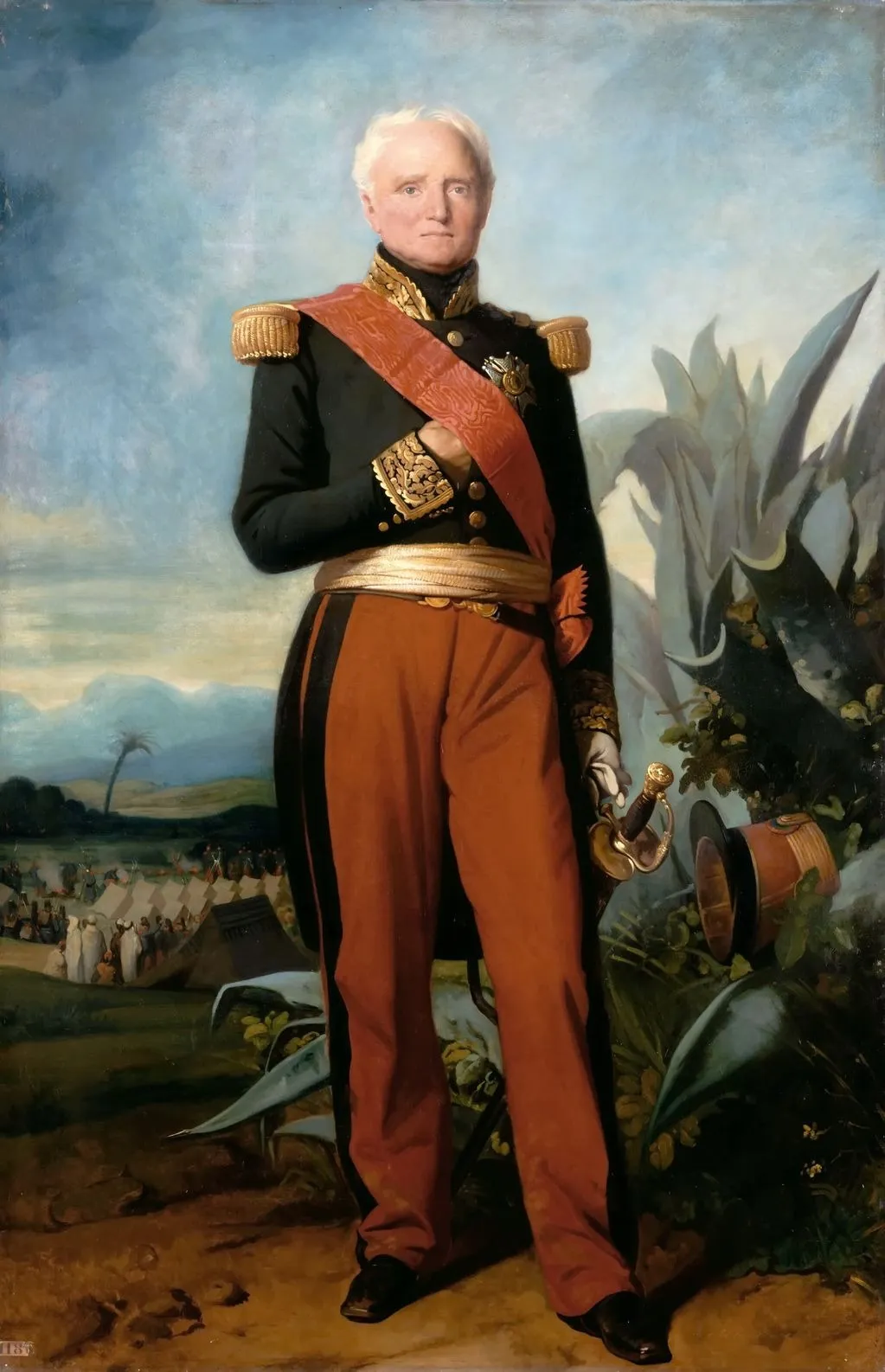
Marshal Thomas Bugeaud (1784-1849), duc d'Isly, maréchal de France is an oil painting by Charles-Philippe Larivière. It dates from 1843 and is held in the collection of the Palace of Versailles.
About this work
Overview
It presents Bugeaud in full uniform, set against a North African landscape, reflecting his role in colonial campaigns.
Painted in 1843 by Charles-Philippe Larivière, this oil portrait captures Marshal Thomas Bugeaud, a prominent French military figure of the July Monarchy and early Second Republic. The work was commissioned to honor his service and is now part of the Palace of Versailles collection. It presents Bugeaud in full uniform, set against a North African landscape, reflecting his role in colonial campaigns. The composition emphasizes authority and composure through formal pose and controlled lighting.
Subject & Meaning
Thomas Bugeaud is portrayed as a disciplined commander, his white hair and steady gaze conveying experience and resolve. His uniform—black jacket with gold accents, red sash, and sword—signals his rank and military identity. The desert backdrop with distant tents and figures alludes to his campaigns in Algeria, where he led French forces. The direct eye contact with the viewer reinforces his presence as a figure of state and empire, not merely a soldier but an administrator of colonial power.
Technique & Style
Larivière employed academic realism with careful attention to texture and form. Chiaroscuro models the uniform and face, lending volume and gravitas. The brushwork is precise in the details of embroidery and metalwork, while the background remains looser, suggesting distance and atmosphere. The palette is restrained—earthy tones for the land, cool blues for the sky—anchoring the figure in a believable, if idealized, environment. The composition is frontal and balanced, typical of official portraiture of the era.
History & Provenance
Commissioned shortly before Bugeaud’s death in 1849, the painting was likely intended for state recognition. It entered the collection of the Palace of Versailles, where it remains as part of its 19th-century military portraiture holdings. Its placement there underscores Bugeaud’s status within French institutional memory. No significant alterations or reattributions are recorded; the work has been consistently documented as Larivière’s, reflecting its accepted provenance since its creation.
Context
Created during France’s expansion in North Africa, the portrait reflects the state’s effort to legitimize colonial rule through imagery. Bugeaud’s role in Algeria—marked by both military strategy and controversial tactics—made him a polarizing but symbolically useful figure. The painting aligns with a broader trend of glorifying military leaders in official settings, merging personal achievement with imperial narrative. It was produced at a time when visual culture was increasingly used to shape public perception of empire.
Legacy
The portrait endures as a visual record of a key figure in France’s colonial military history. While Bugeaud’s legacy is now critically reassessed, the painting retains its value as an artifact of 19th-century state portraiture. It illustrates how visual art served political ends, embedding authority in formal composition and symbolic detail. Today, it contributes to scholarly understanding of how military leadership was represented in the context of empire-building.
Artist & collection
Artist
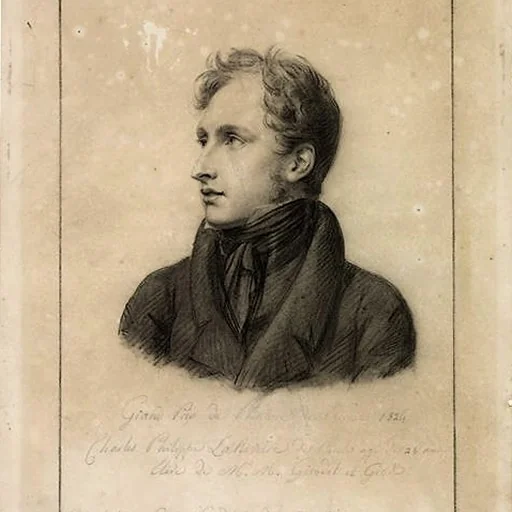
Charles-Philippe Larivière (28 September 1798 in Paris – 29 February 1876 in Paris) was a French academic painter and lithographer.

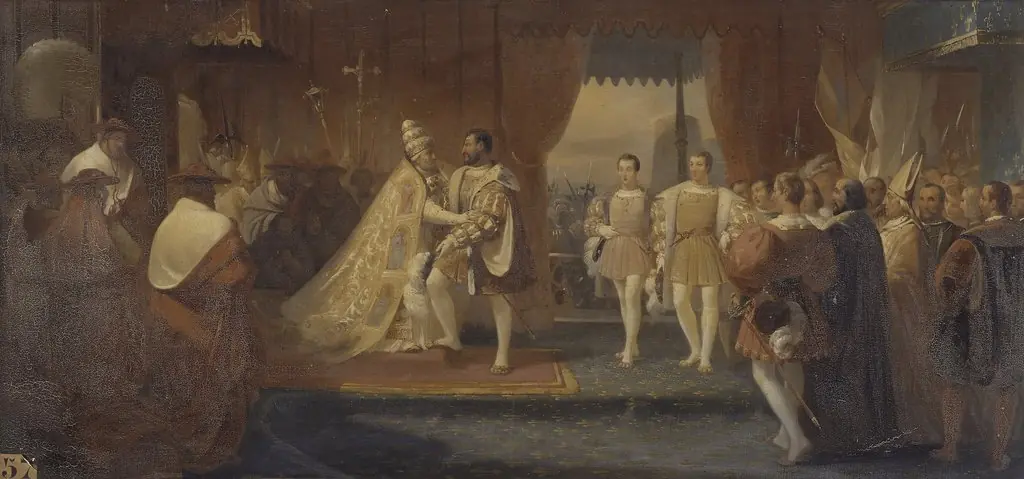 Meeting of Francis I and Pope Clement VII in Marseilles on 13 October 1533
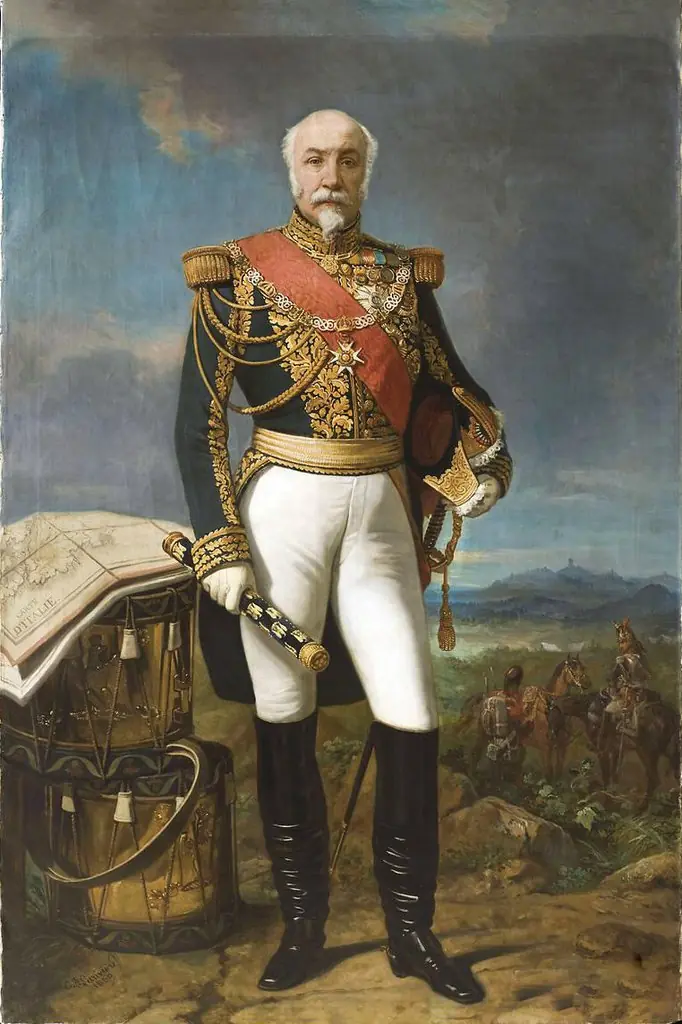 Auguste-Etienne Regnaud de Saint-Jean d'Angély, maréchal de France
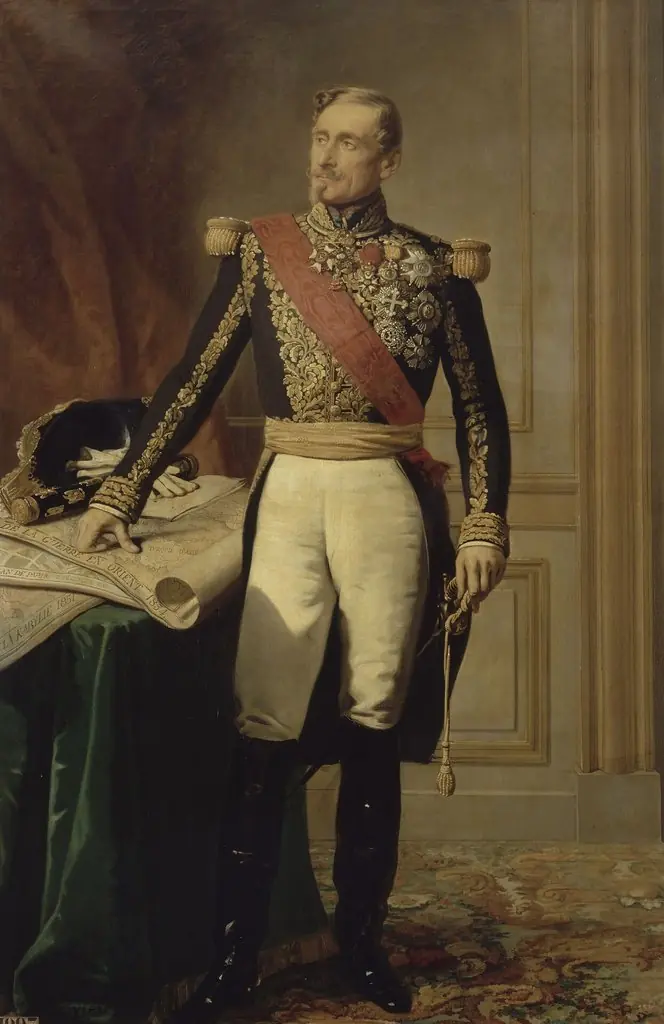 Armand-Jacques Leroy de Saint-Arnaud, Marshal of France
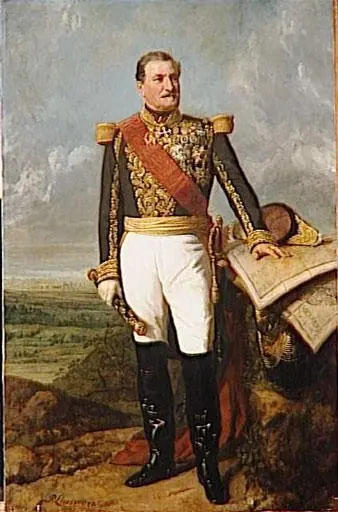 Elie-Frédéric Forey, Marshal
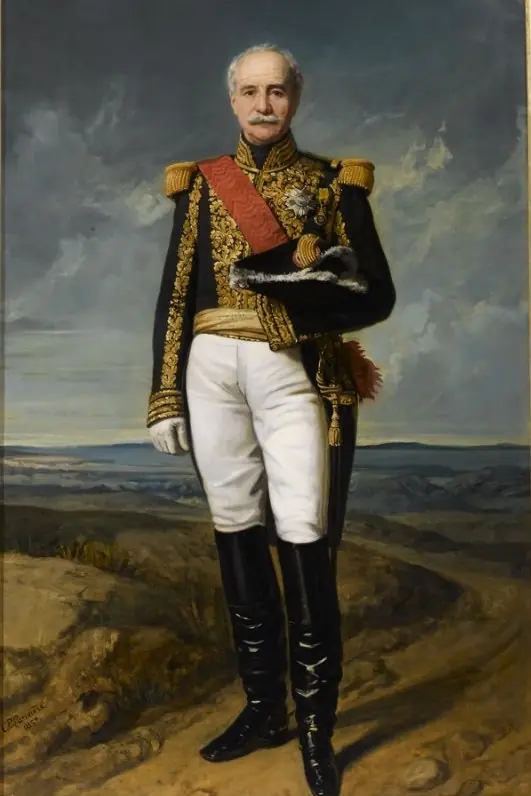 Achille, Marshal-Count Baraguey d'Hilliers
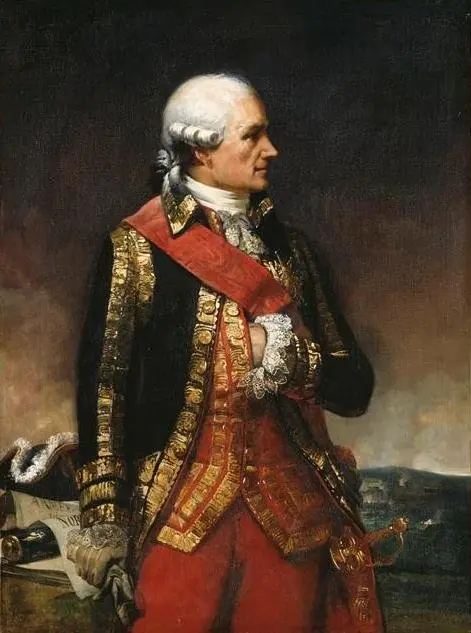 Jean-Baptiste-Donatien de Vimeur, comte de Rochambeau, maréchal de France (1725-1807)
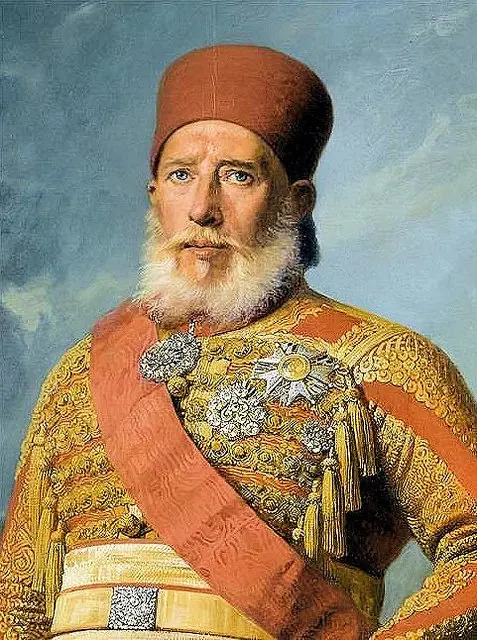 Portrait of Ibrahim Pasha of Egypt (1789–1848)
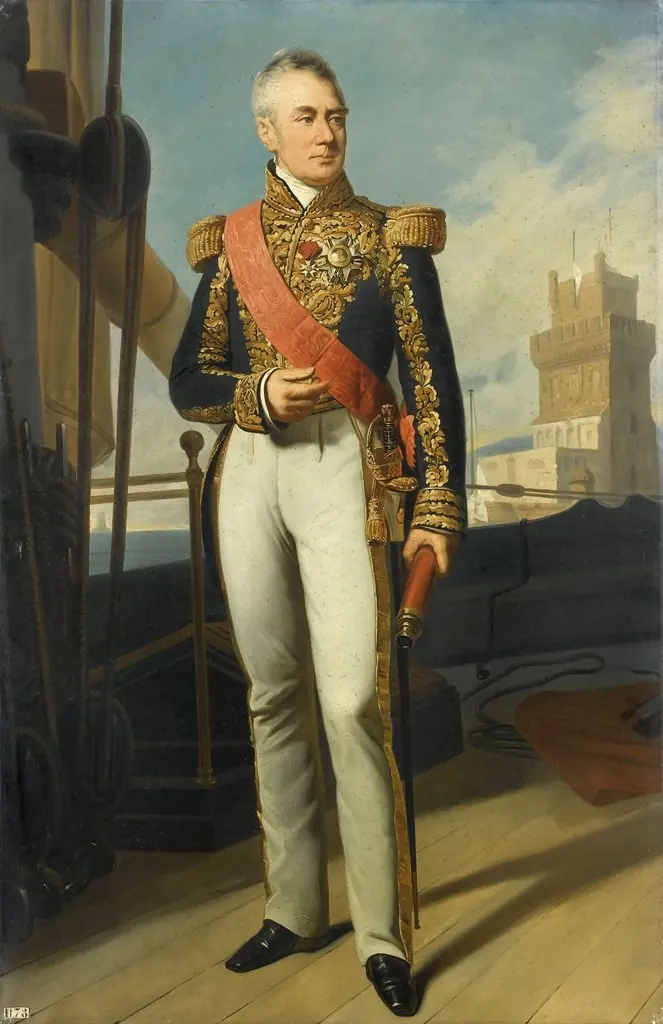 Albin-Reine, baron Roussin, admiral of France
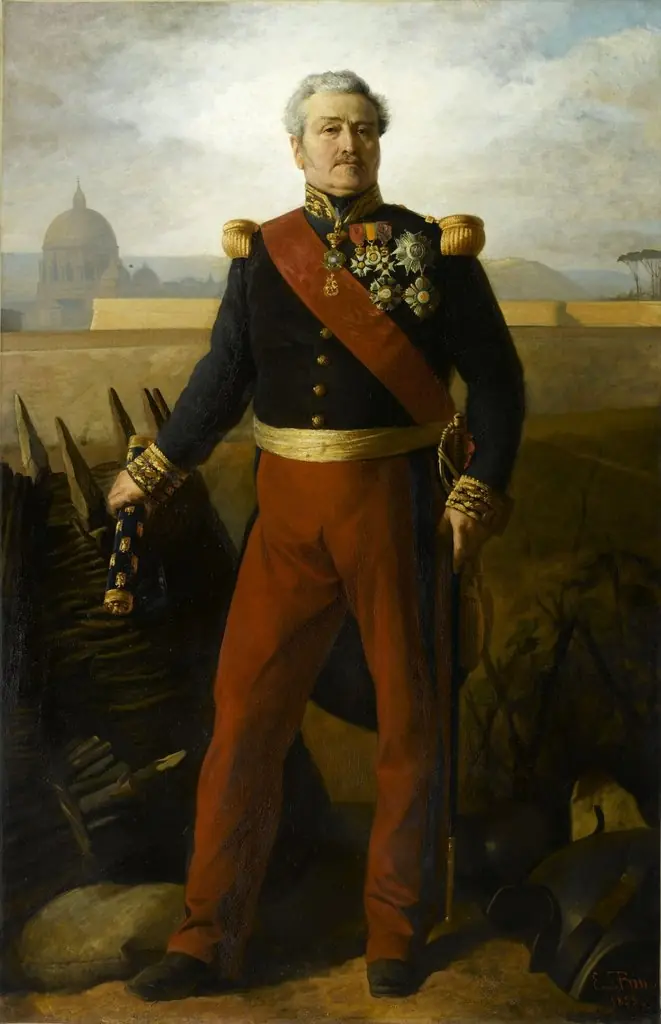 Jean-Baptiste-Philibert Vaillant, Marshal of France
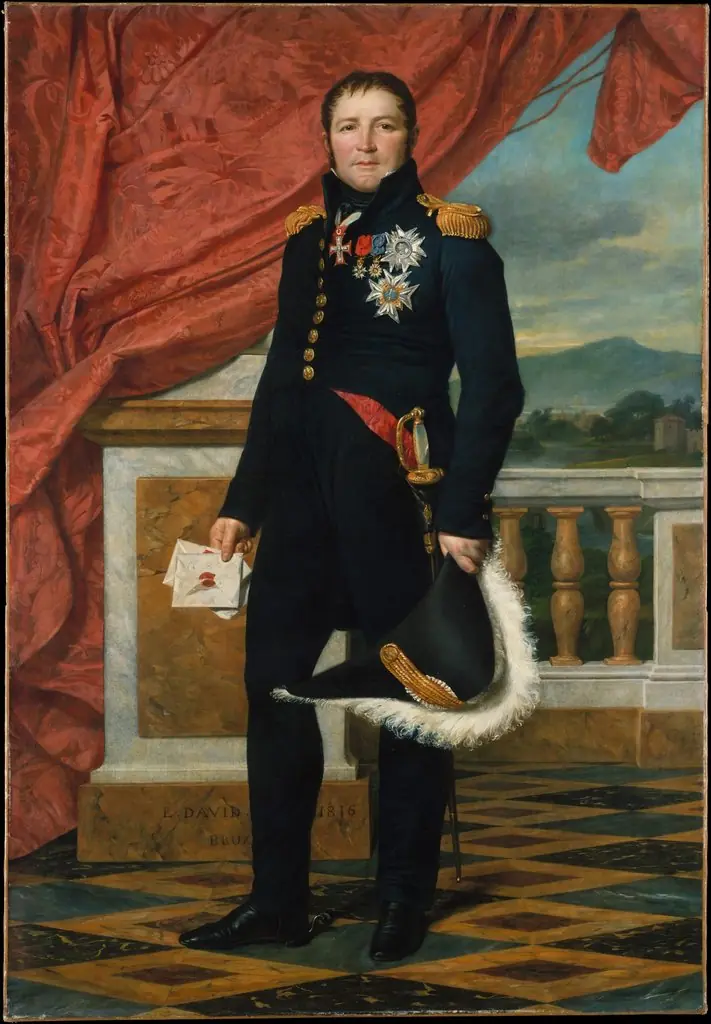 General Étienne-Maurice Gérard (1773–1852), Marshal of France
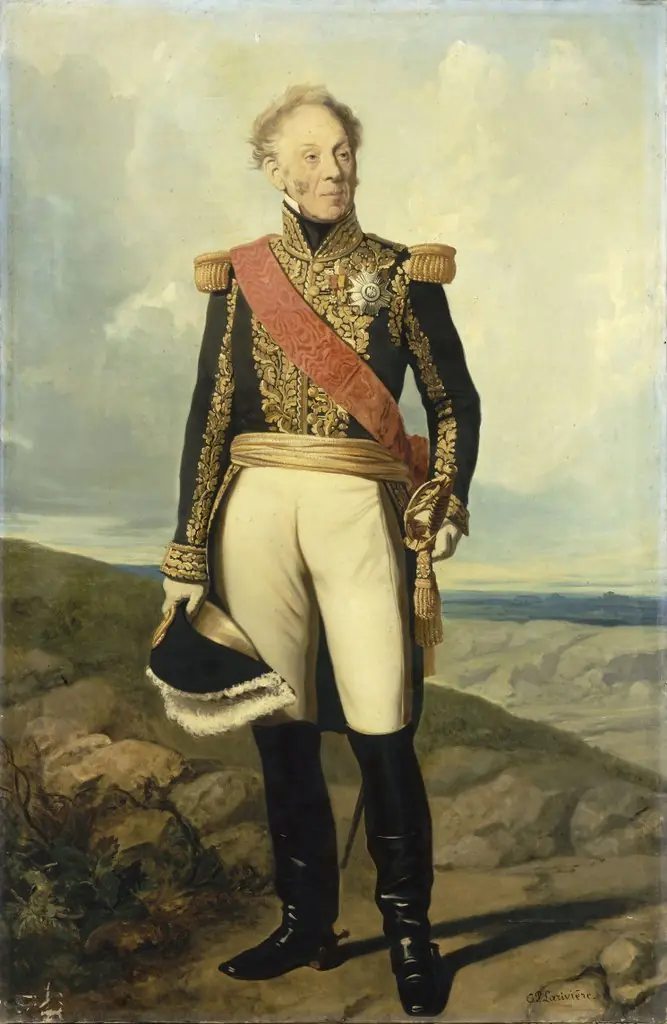 Porträt des Rémi Joseph Isidore Exelmans, Marechal De France (1775-1852)
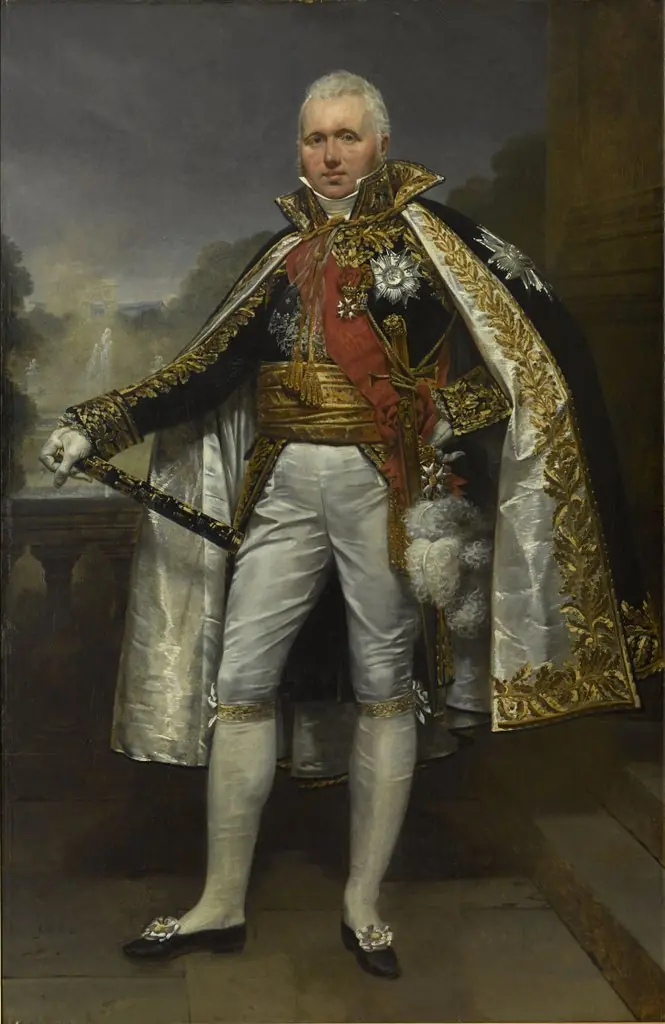 Claude-Victor Perrin, Duke of Bellune, Marshal of France
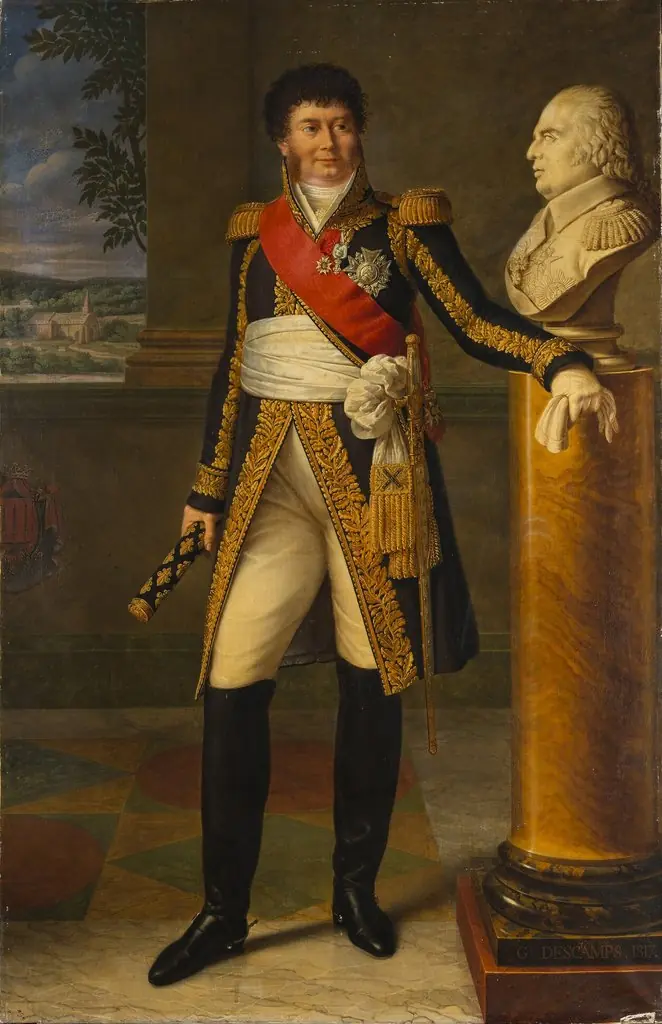 Henri-Jacques-Guillaume Clarke, Count of Hunebourg, Duke of Feltre, Marshal of France (1765-1818)
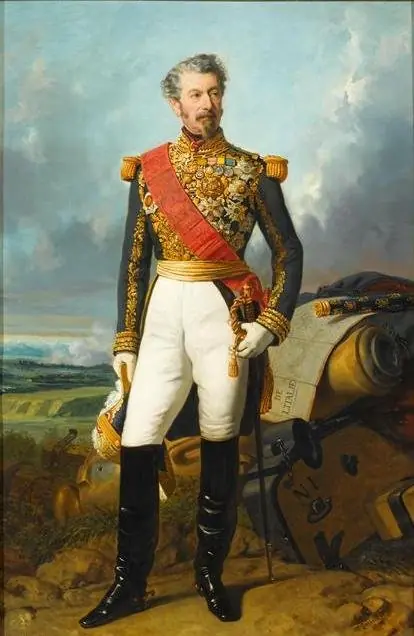 Adolphe Niel, maréchal de France (1802-1869)
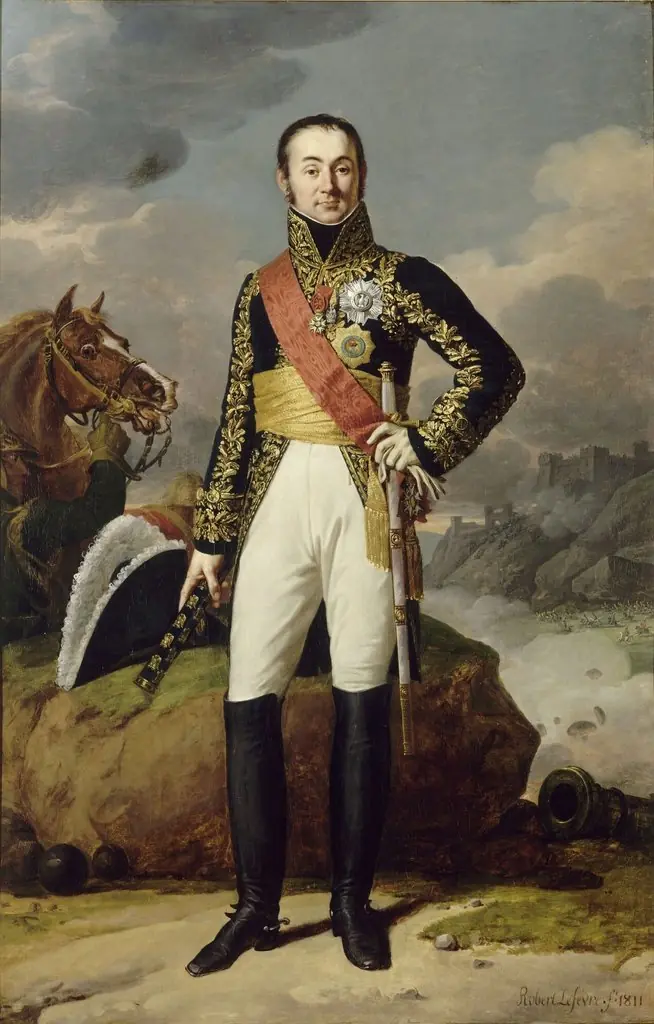 Nicolas-Charles Oudinot, Duke of Reggio, Marshal of France (1767-1847)
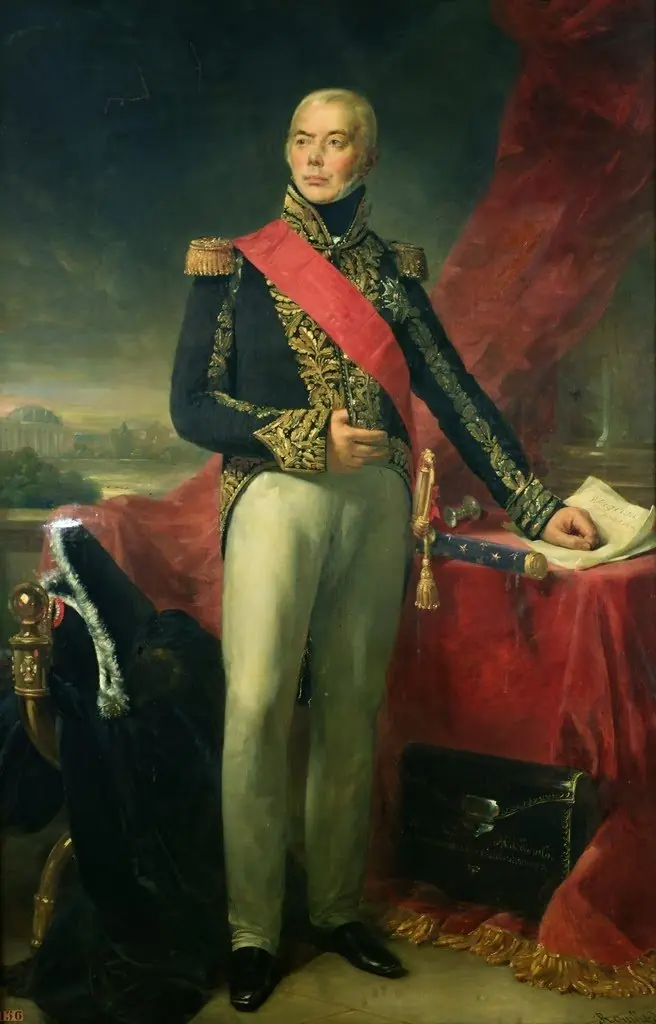 Etienne-Joseph-Jacques-Alexandre MacDonald, Duke of Taranto, Marshal of France (1765-1840)
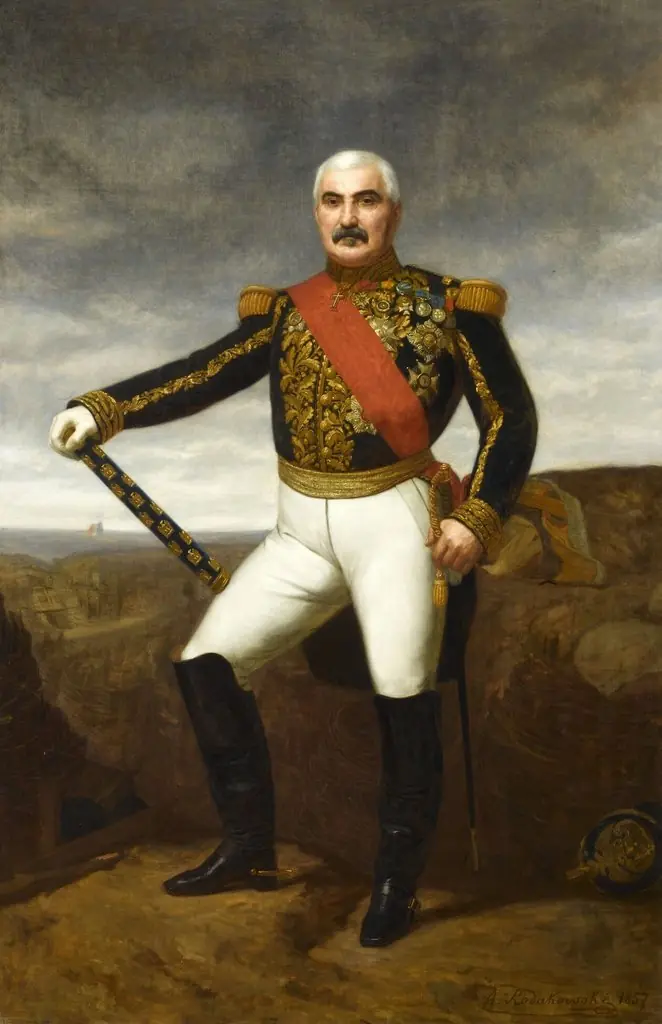 Aimable-Jean-Jacques Pélissier, Duke of Malakoff, Marshal of France