Artwork
The Colonies Pay Tribute to the Dutch Maiden
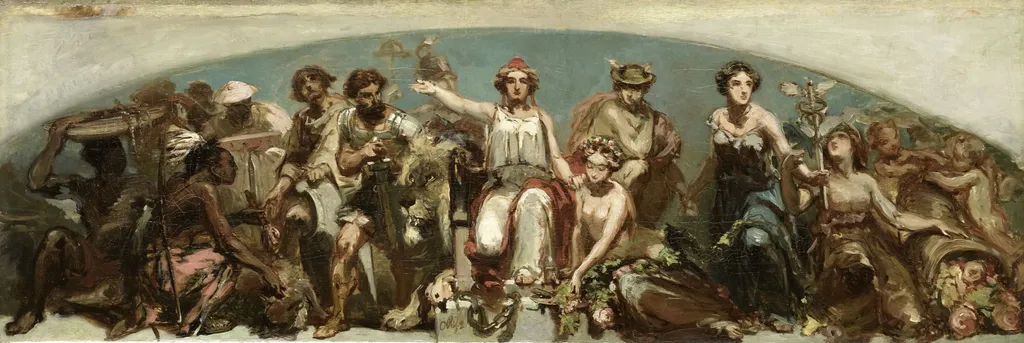
The Colonies Pay Tribute to the Dutch Maiden is an oil painting by the Biedermeier artist Charles Rochussen. It dates from 1852 and is held in the collection of the Rijksmuseum.
About this work
Overview
The composition centers on a seated female figure representing the Netherlands, surrounded by figures symbolizing overseas territories.
Painted in 1852 by Charles Rochussen, this oil work presents a symbolic allegory of the Dutch colonial empire. Rochussen, trained initially in commerce before turning to visual arts, crafted this piece during the Biedermeier era, a time when domestic and national themes were often rendered with quiet solemnity. The composition centers on a seated female figure representing the Netherlands, surrounded by figures symbolizing overseas territories.
Subject & Meaning
The central figure, the Dutch Maiden, is depicted seated on a raised platform, holding a staff as a symbol of authority. Around her, figures representing colonial possessions offer gifts—globes, trumpets, and other emblems of trade and dominion. Their attire and attributes suggest diverse regions under Dutch influence. The scene is not a literal event but a ceremonial allegory, framing colonial relationships as orderly, respectful, and harmonious under Dutch leadership.
Technique & Style
Rochussen employs a restrained palette dominated by earth tones, with selective use of vivid red and pale blue to draw attention to key figures. The brushwork is precise but not overly detailed, favoring clarity over ornamentation. Figures are arranged in a semi-circular composition, guiding the viewer’s eye toward the central figure. The background’s open sky and distant ship suggest vastness and maritime connection, reinforcing the theme of global reach.
History & Provenance
Created during a period of growing Dutch colonial administration, the painting was likely commissioned to reflect national pride in imperial reach. It entered the collection of the Rijksmuseum in the 19th century, where it remains as part of a broader group of allegorical works from the era. Rochussen’s background as the son of an art collector and brother of a painter positioned him within networks that supported such civic commissions.
Context
In mid-19th century Netherlands, allegorical paintings like this served to legitimize colonial power through visual mythmaking. While European nations increasingly debated empire, the Dutch state favored imagery that emphasized peaceful tribute and cultural superiority. Rochussen’s work aligns with this trend, avoiding overt violence or exploitation in favor of a ceremonial tone that reinforced state ideology without confrontation.
Legacy
The painting endures as a representative example of Dutch allegorical art from the Biedermeier period. It reflects how visual culture was used to naturalize colonial hierarchies under the guise of harmony and tradition. Today, it is studied less for its aesthetic innovation than for its role in shaping and sustaining national narratives about empire, offering insight into how power was visually encoded in 19th-century Dutch society.
Artist & collection
Artist
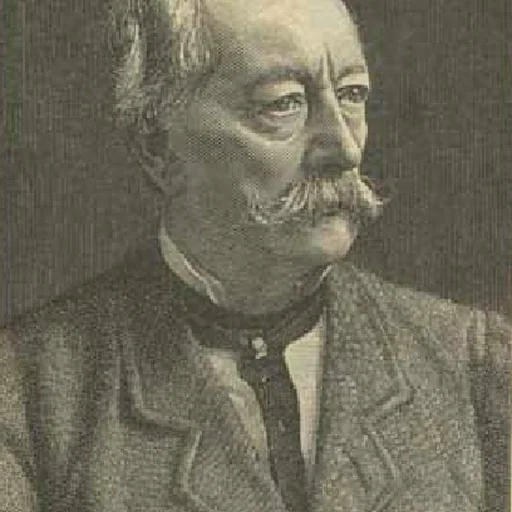
Charles Rochussen (1 August 1814 in Kralingen – 22 September 1894 in Rotterdam) was a Dutch illustrator and printmaker.

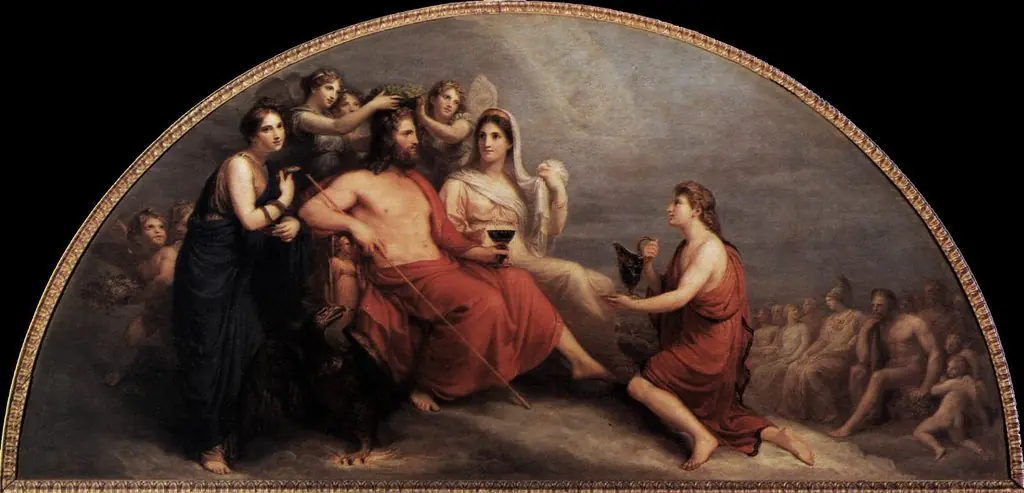 The Olympus (Jupiter, Crowned with Myrtle By the Hours, Proffers a Goblet to Ganymede to Be Served Nectar)
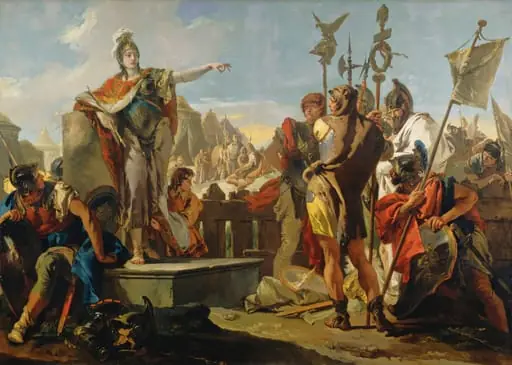 Queen Zenobia Addressing Her Soldiers
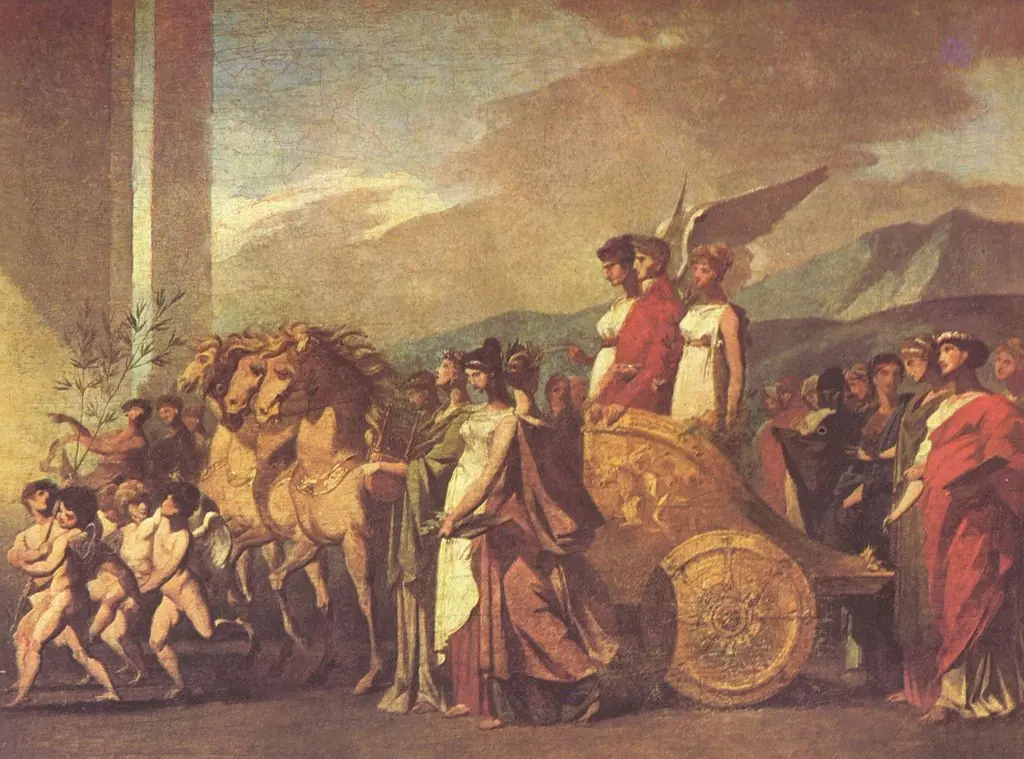 Le triomphe de Bonaparte ou la Paix
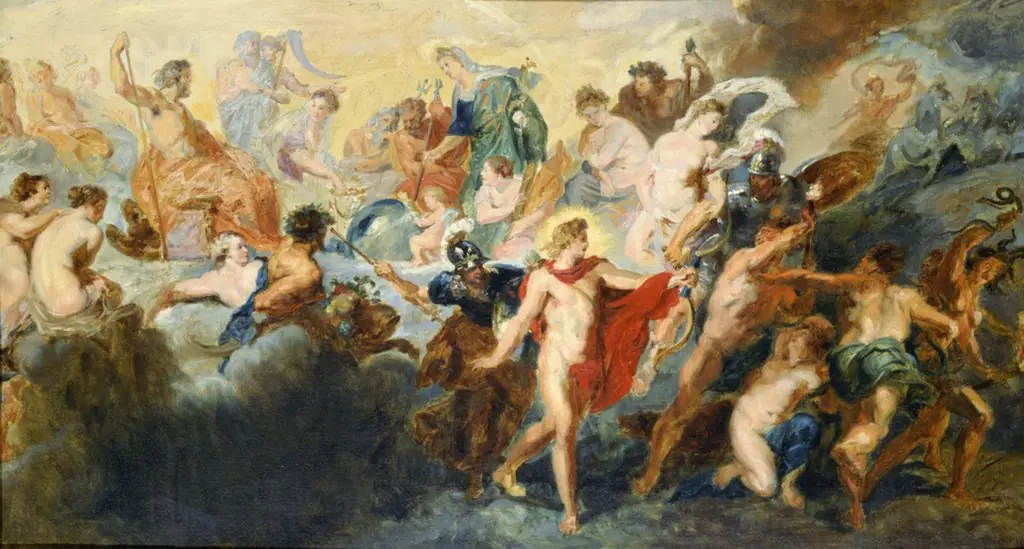 Copy after the Painting by Rubens "The Council of Gods"
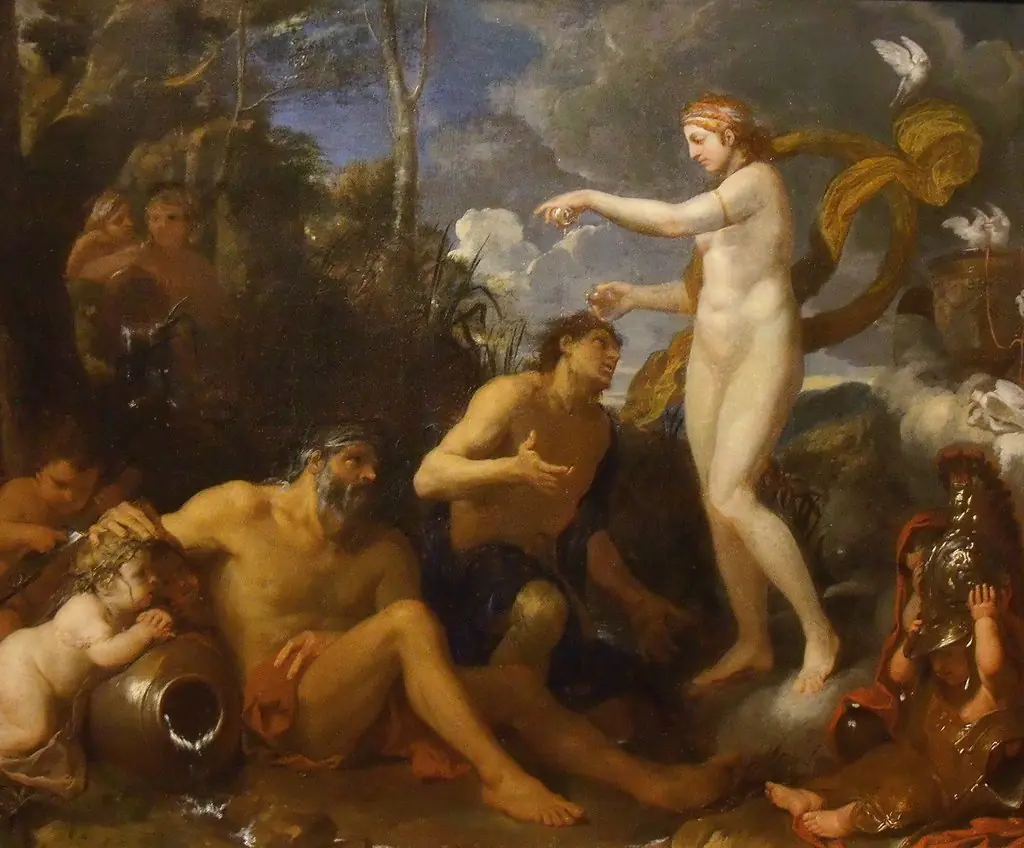 The deification of Aeneas
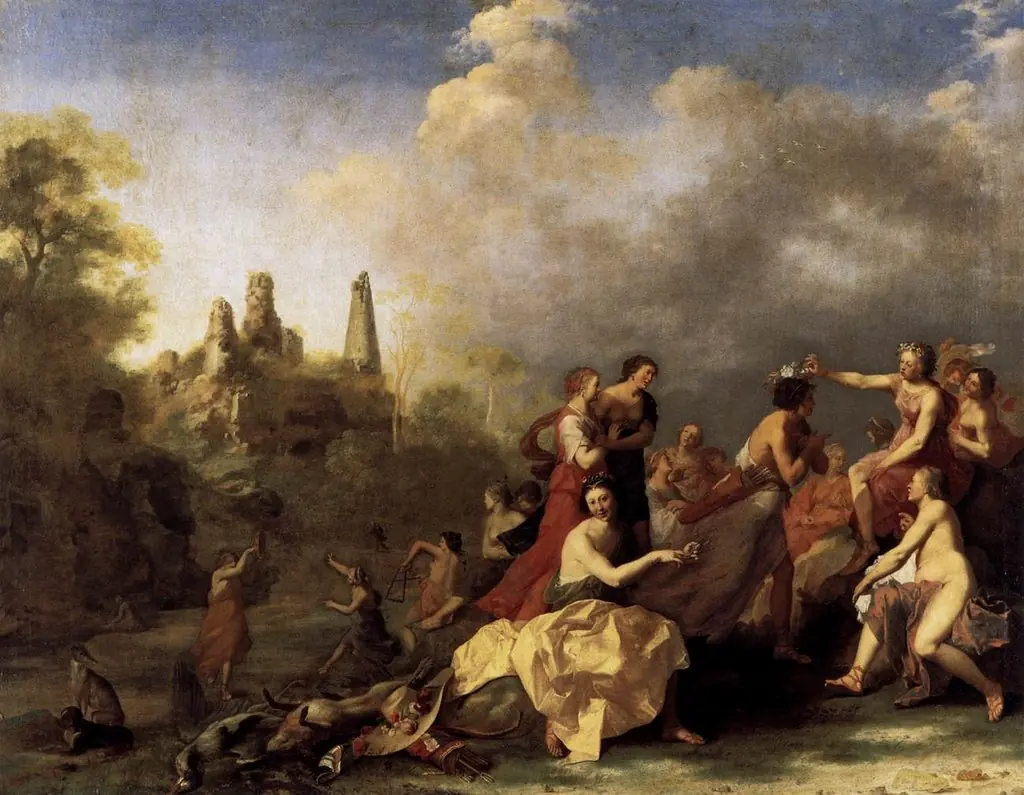 The coronation of Mirtillo after the kissing contest (Guarini, Il Pastor Fido)
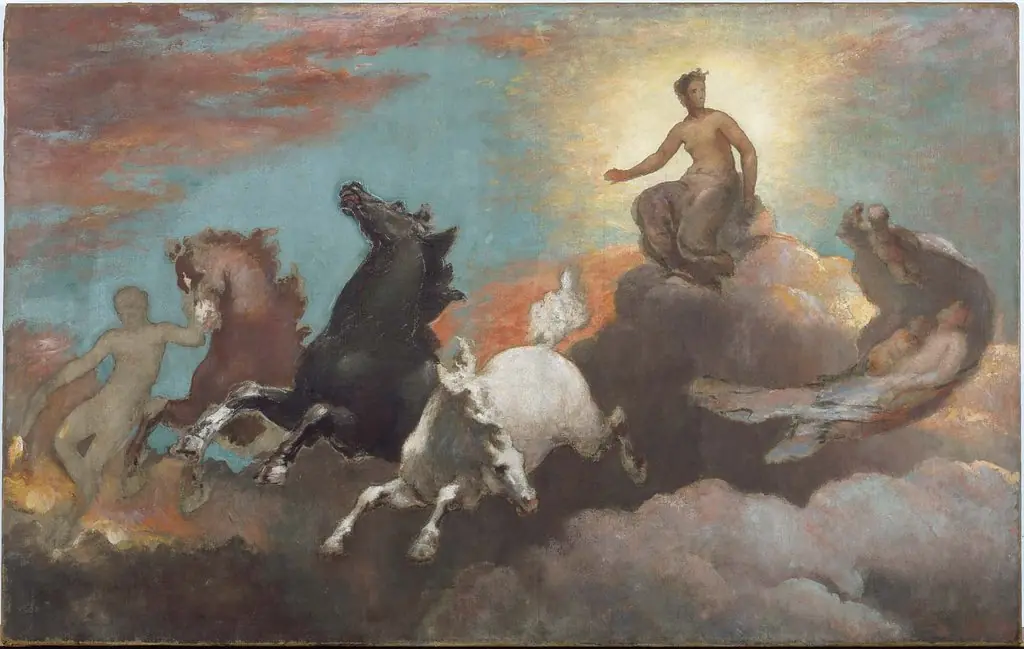 Anahita. The Flight of Night
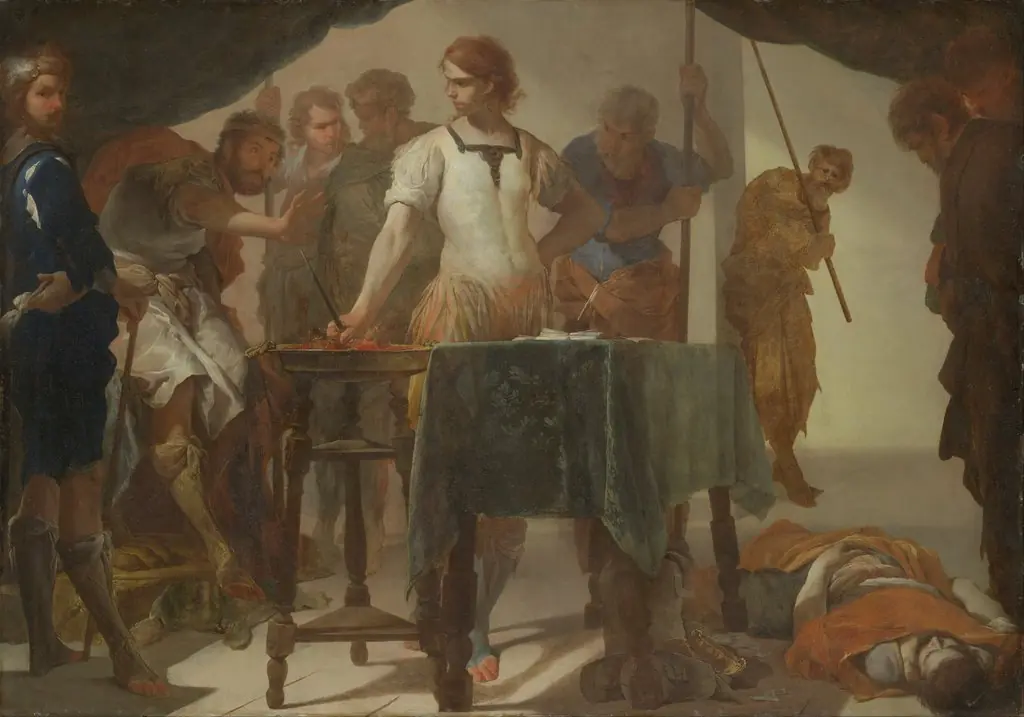 Mucius Scaevola Confronting King Porsenna
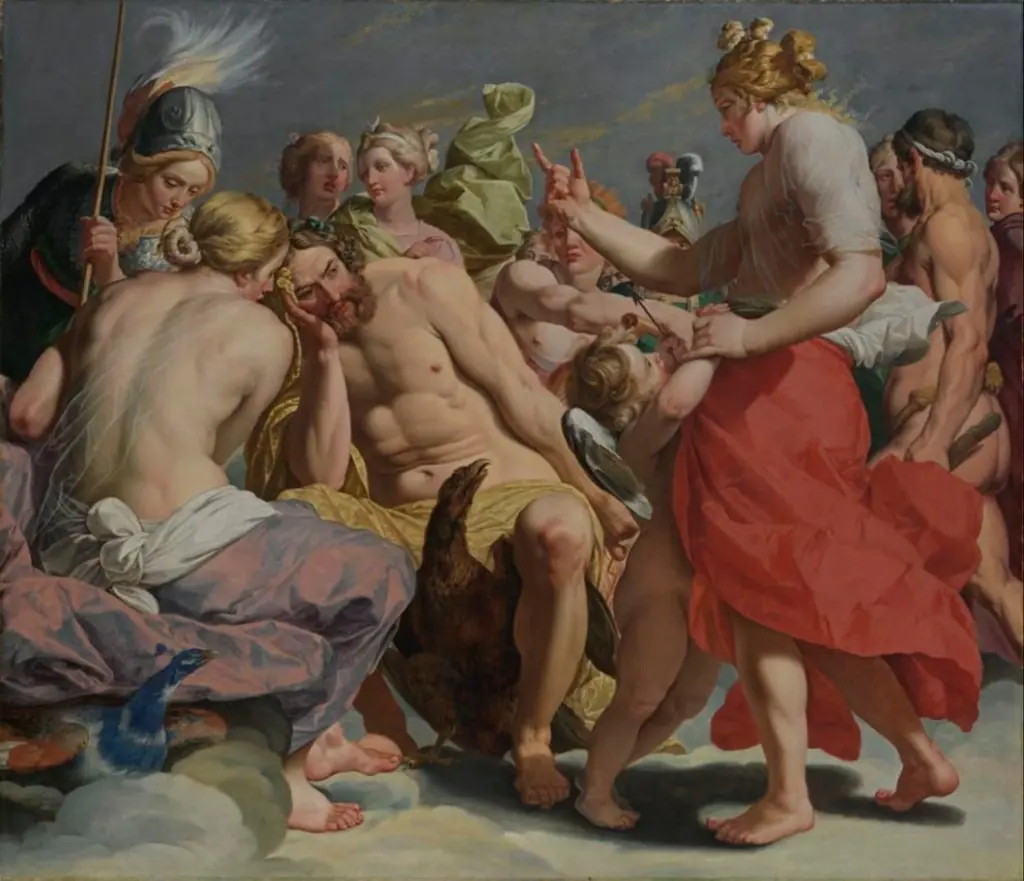 Mount Olympus
 Feast of the Gods
 The Rape of Europe
 The Crowning of Merit