Artwork
Le triomphe de Bonaparte ou la Paix
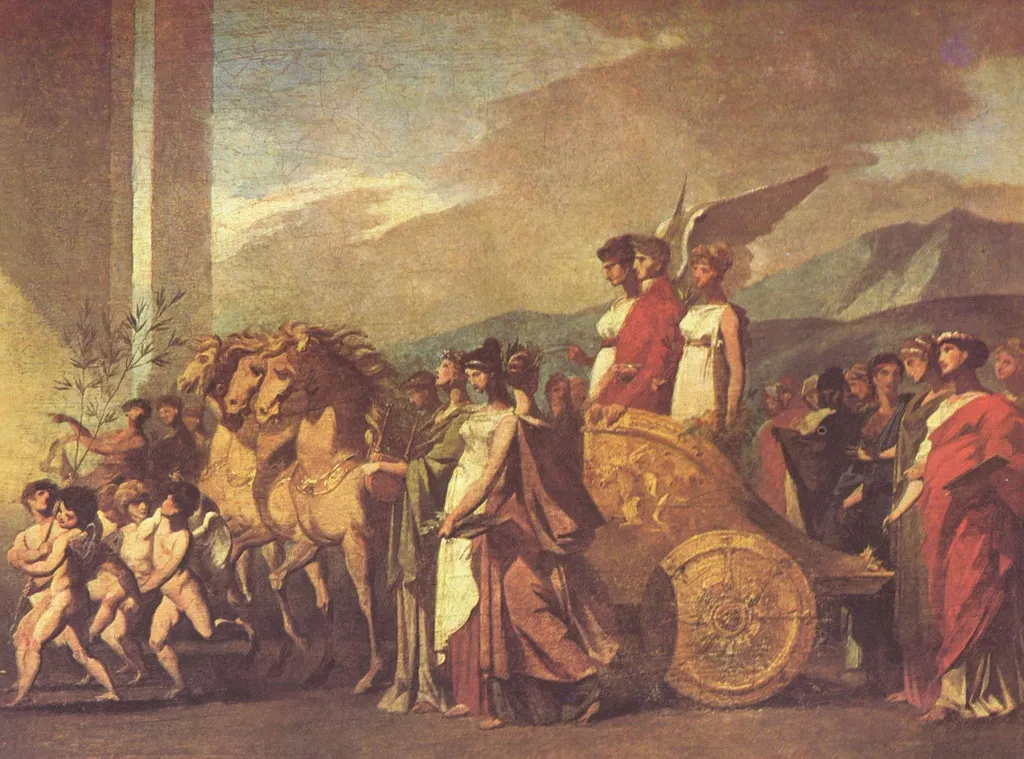
Le triomphe de Bonaparte ou la Paix is an oil painting by the French Romanticist artist Pierre Paul Prud'hon. It dates from 1801 and is held in the collection of the Museum of Fine Arts of Lyon.
About this work
Overview
Created in 1801 by the French painter Pierre‑Paul Prud’hon, *Le triomphe de Bonaparte ou la Paix* is an oil on canvas that now belongs to the Museum of Fine Arts in Lyon. The composition combines a lavish, gold‑trimmed chariot drawn by two horses with a dramatic landscape of mountains and a cloud‑filled sky, populated by a group of figures, some nude or partially clothed, that convey a sense of ceremonial grandeur.
Subject & Meaning
The work presents a triumphal procession that alludes to Napoleon’s rise, juxtaposing the victorious chariot with allegorical figures that suggest peace and celebration. The presence of partially draped bodies recalls classical motifs, while the overall scene evokes a narrative of power tempered by harmony, reflecting contemporary political and cultural aspirations.
Technique & Style
Prud’hon employs a Neo‑classical foundation—clear contours, balanced composition, and idealized forms—yet the emotive lighting and dynamic movement hint at the emerging Romantic sensibility. The oil medium allows for rich, luminous gold accents on the chariot and subtle atmospheric effects in the sky, while the handling of flesh and drapery demonstrates his skill as a draughtsman.
History & Provenance
After its completion, the painting entered the collection of the Museum of Fine Arts of Lyon, where it remains on display. Prud’hon, noted for allegorical subjects and portraits such as that of Empress Joséphine, later worked closely with fellow artist Constance Mayer on a series of collaborative pieces, though this particular work was produced before that partnership.
Own this work as a print
Artist & collection
Artist
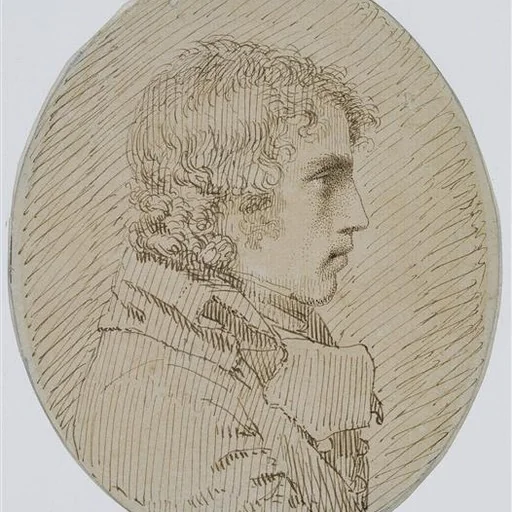
Pierre-Paul Prud'hon (French pronunciation: , 4 April 1758 – 16 February 16, 1823) was a French Neo-classical painter and draughtsman best known in his own time for his allegorical paintings and portraits, now for his drawings.

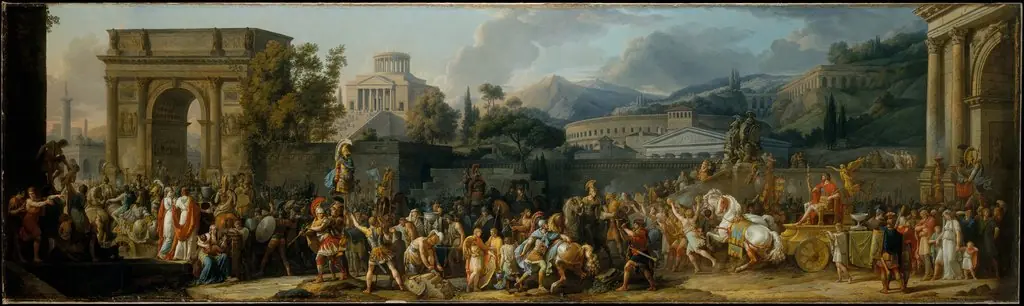 The Triumph of Aemilius Paulus
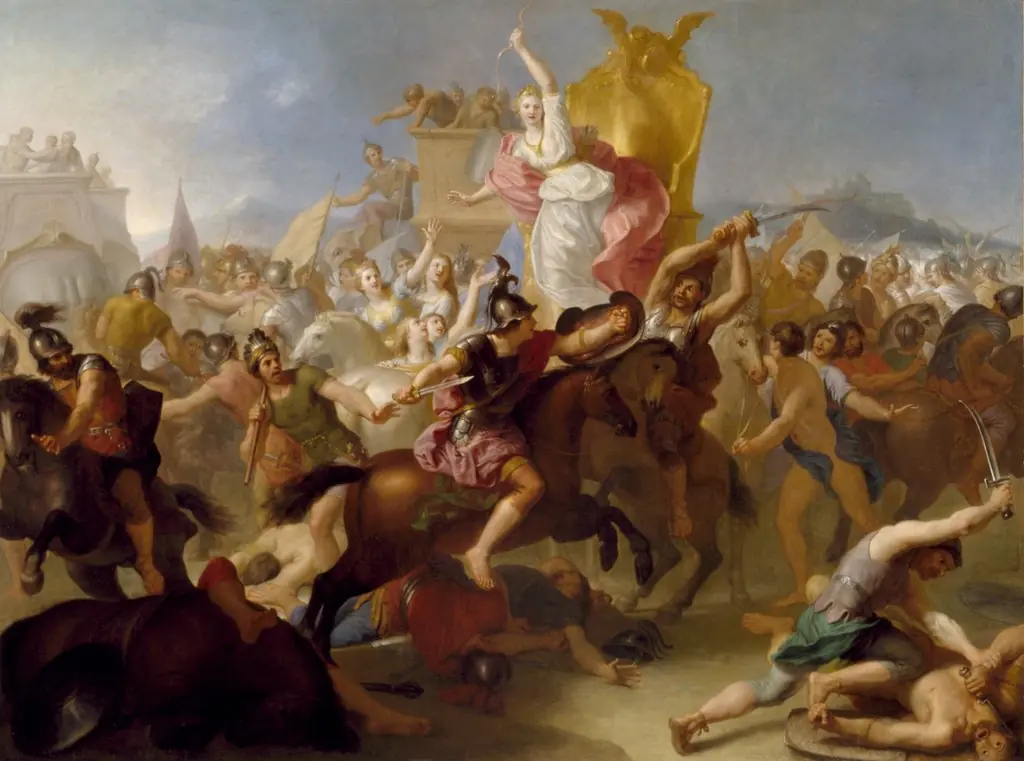 Armida Fighting the Christians
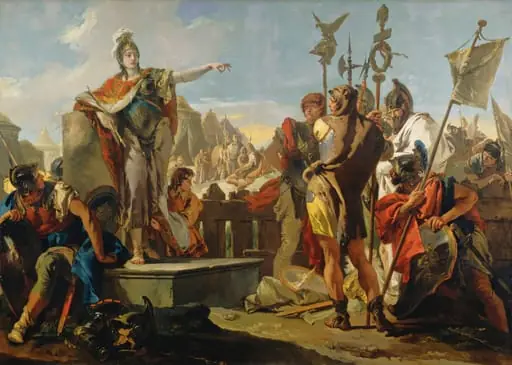 Queen Zenobia Addressing Her Soldiers
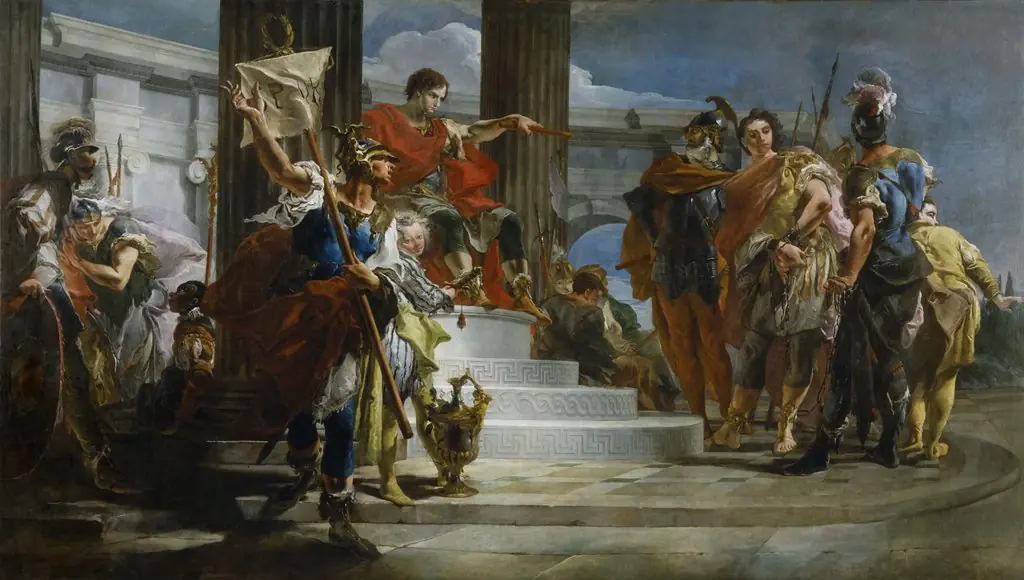 Scipio Africanus Freeing Massiva
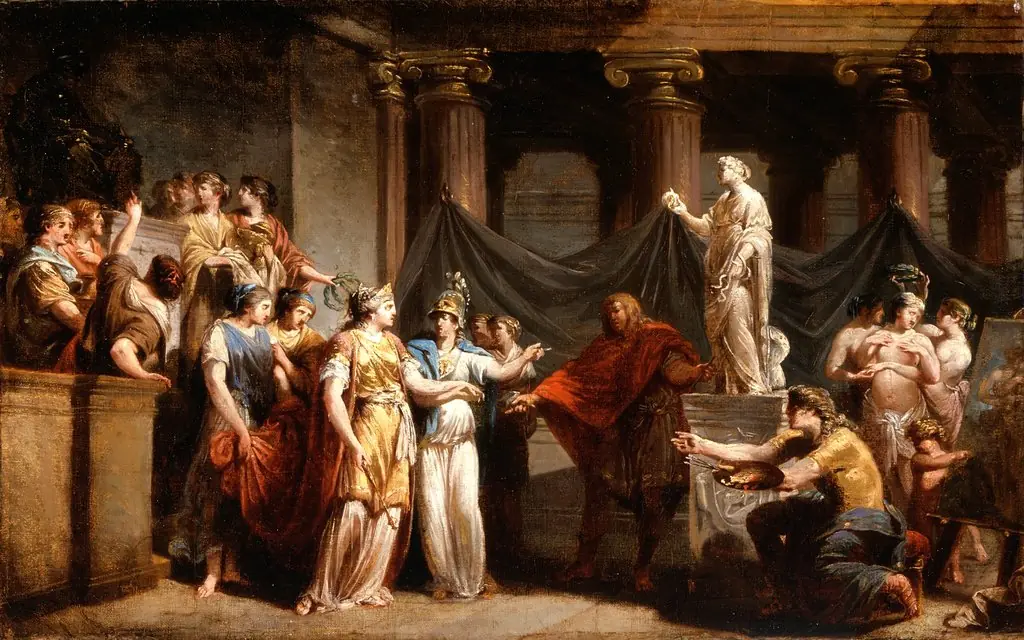 The Temple of the Liberal Arts, with the City of Bern and Minerva
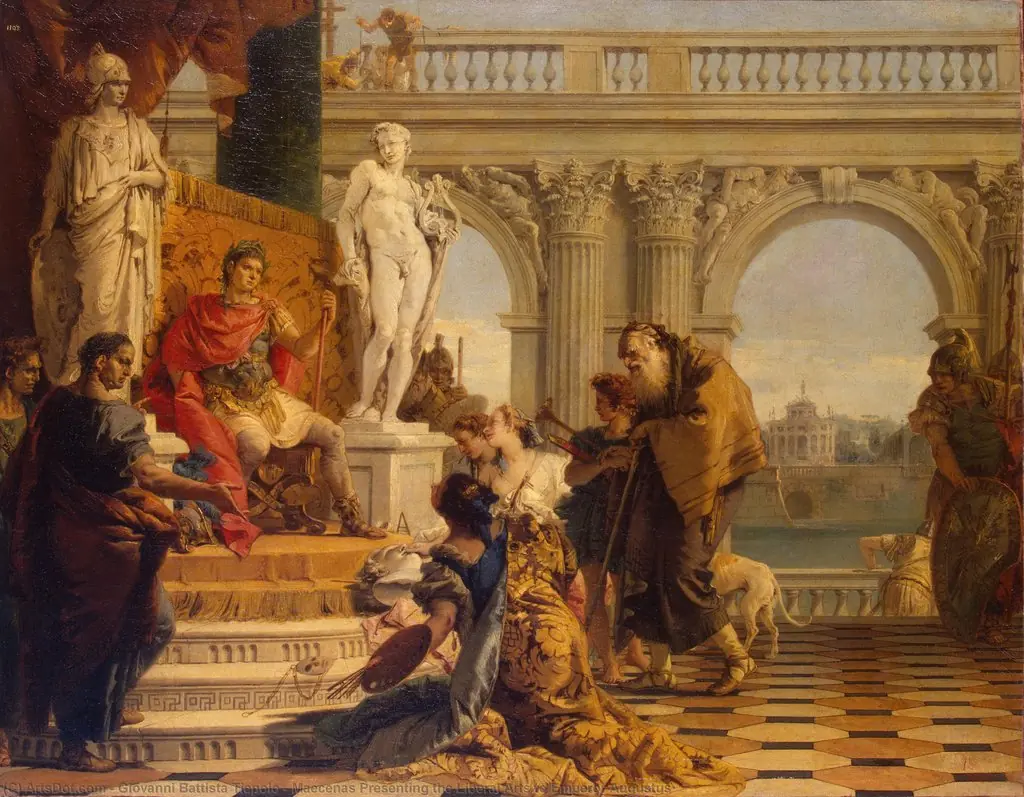 Maecenas Presenting the Liberal Arts to Emperor Augustus
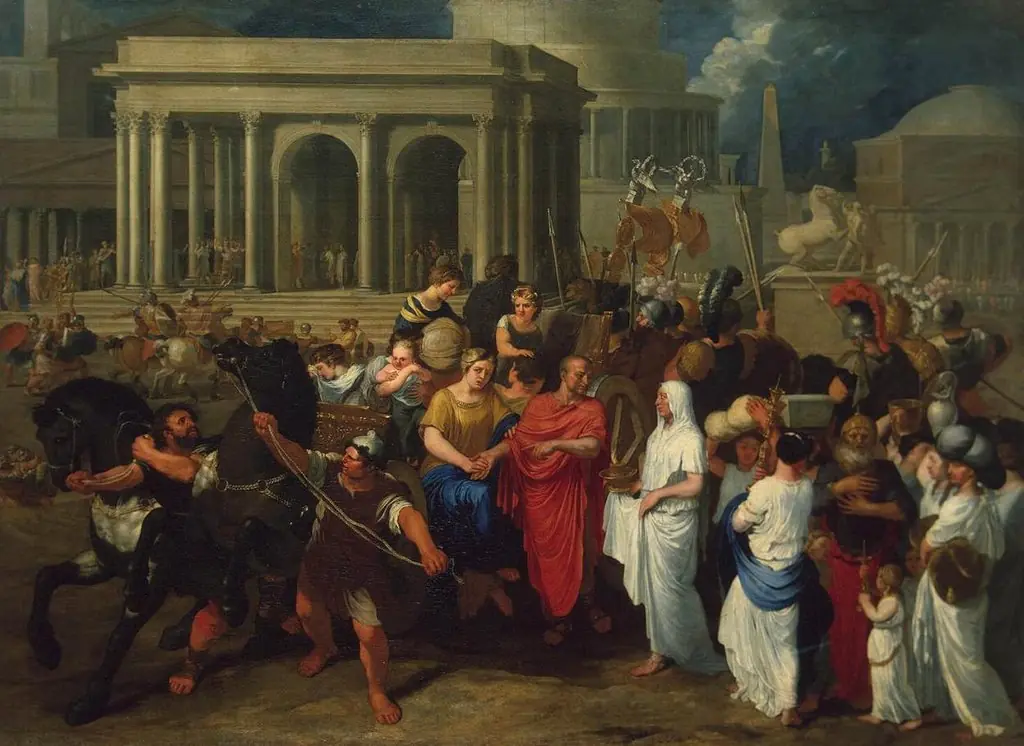 Lucius Albinus Giving his Carriage to Vestals
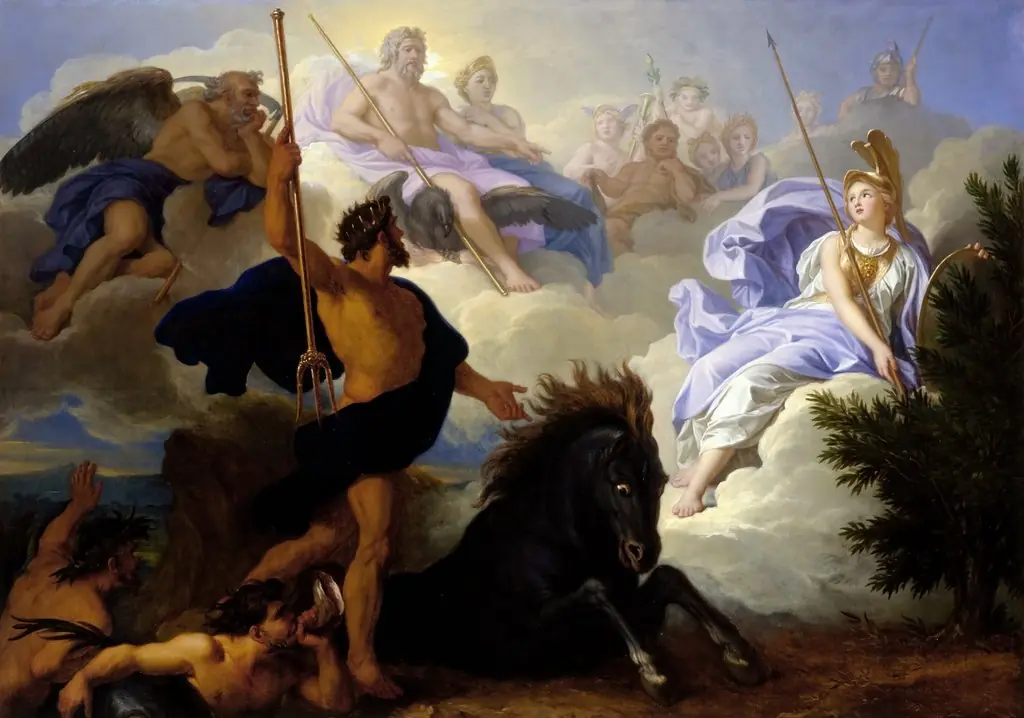 Dispute between Minerva and Neptune over the Naming of the City of Athens
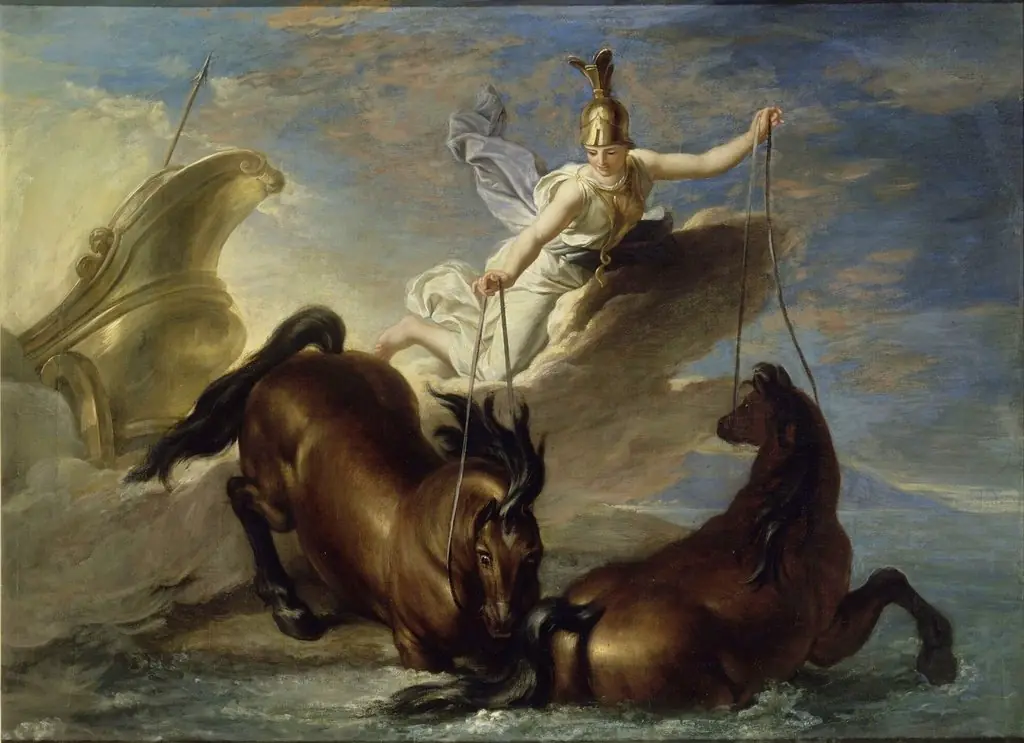 Story of Minerva - Minerva Watering her Horses into the Sea
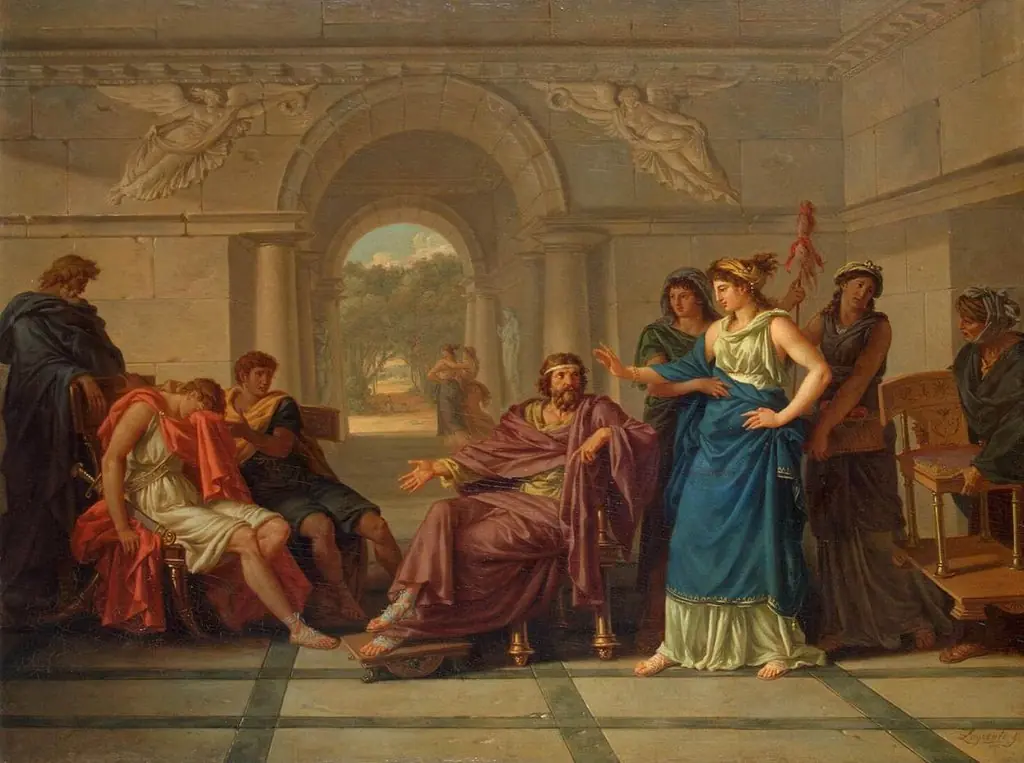 Helen Recognising Telemachus, Son of Odysseus
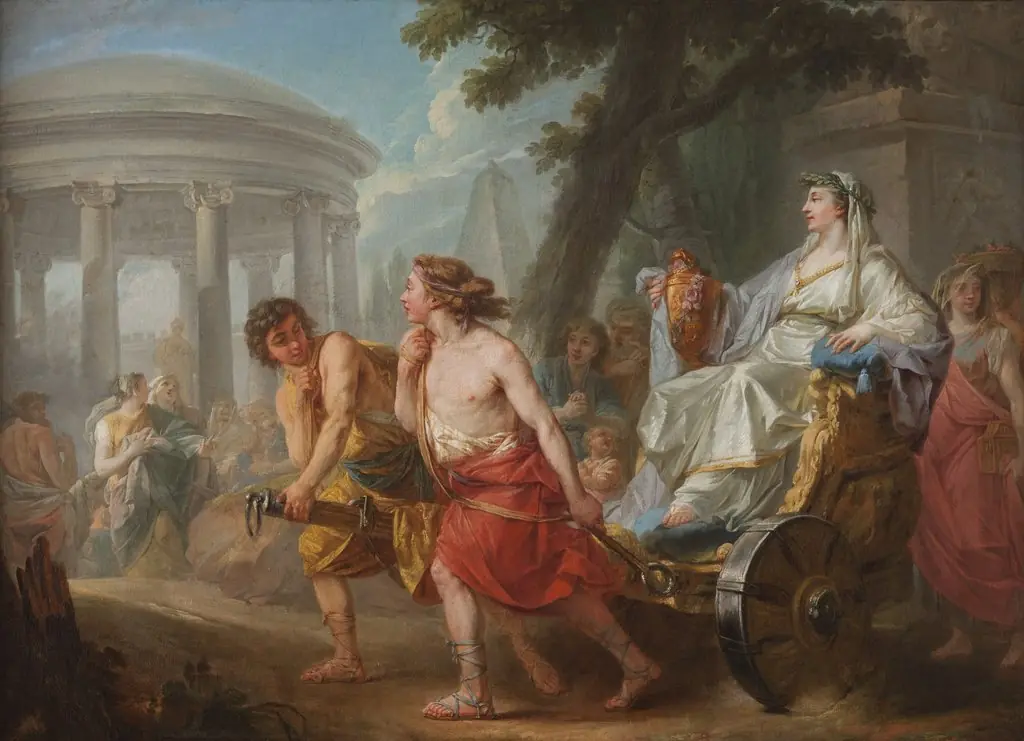 Cleobis and Biton with Cydippe in the Front of Hera Temple
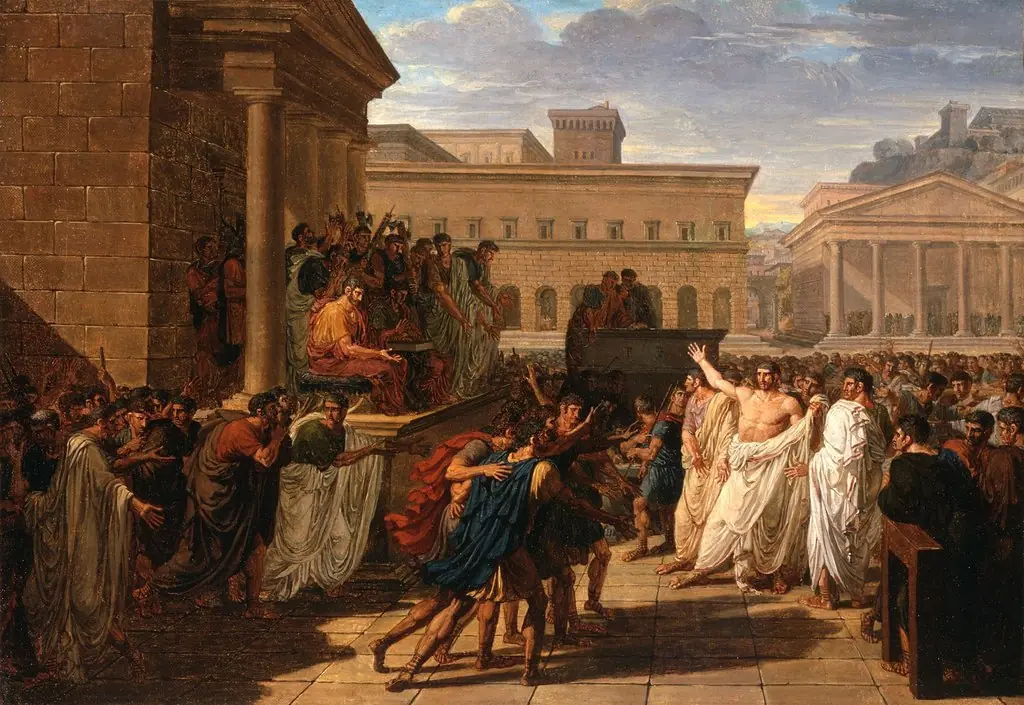 Brutus Listening to the Ambassadors from the Tarquins