Artwork
Education of the Virgin
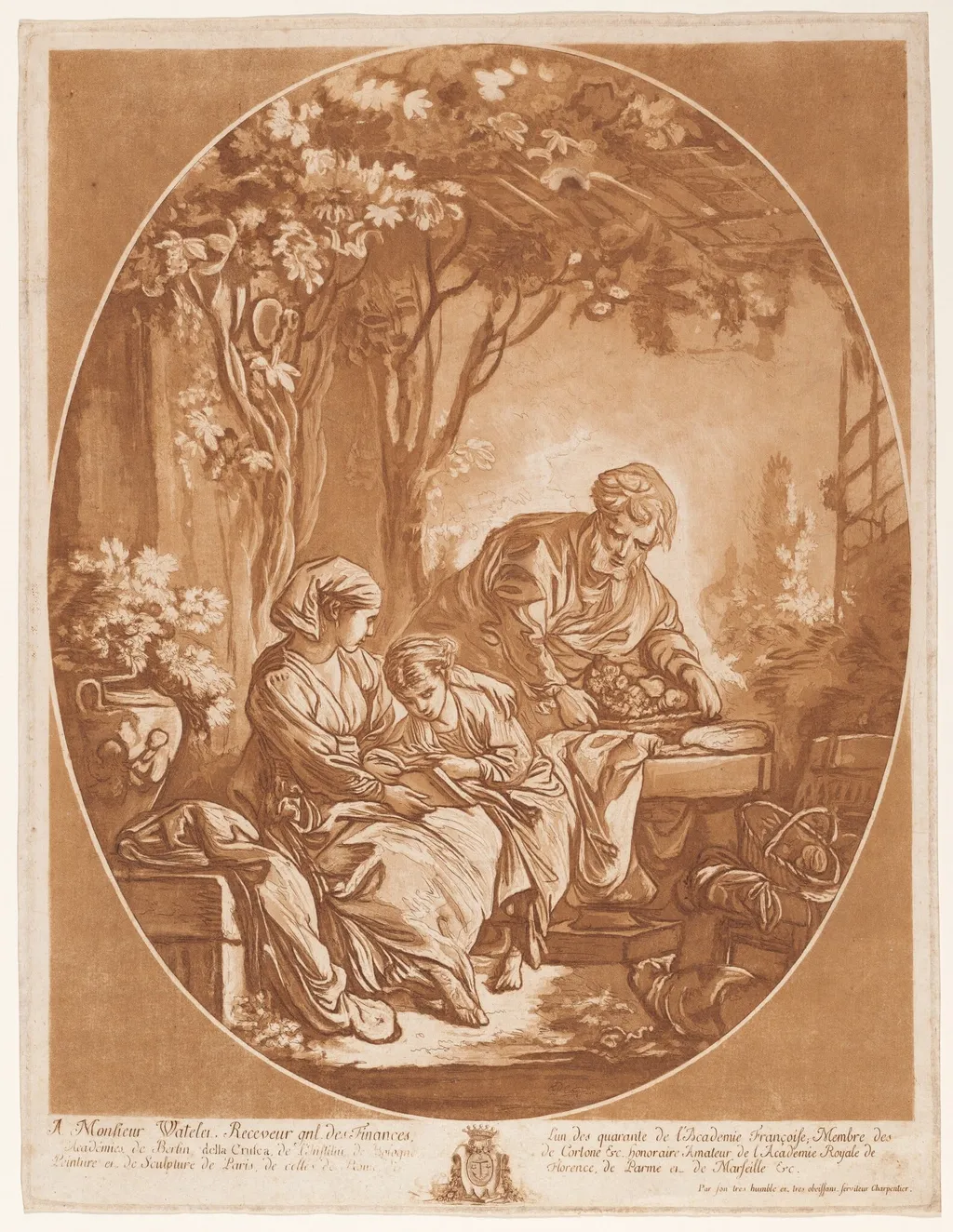
Education of the Virgin is an ink print by the Romanticist artist François-Philippe Charpentier. It dates from 1766 and is held in the collection of the National Gallery of Art.
About this work
Overview
The print combines etching, aquatint, and burnishing on laid paper, rendered in warm brown ink.
François-Philippe Charpentier, a French engraver born in Blois in 1734, produced *Education of the Virgin* in 1766 as part of a series depicting religious instruction. The print combines etching, aquatint, and burnishing on laid paper, rendered in warm brown ink. Charpentier, initially trained by his bookbinder father, refined his craft under a Parisian copperplate engraver and became known for advancing aquatint techniques during the mid-18th century.
Subject & Meaning
The scene portrays the Virgin Mary seated with a young child, likely the infant Jesus, as she reads or instructs him. An older male figure, possibly Saint Anne or a guardian, observes quietly from behind. Set in a garden with modest architecture and foliage, the composition conveys a contemplative atmosphere of domestic piety. The image aligns with devotional themes of early spiritual education, common in religious print series of the period.
Technique & Style
Charpentier employed etching for fine linear details and aquatint to achieve subtle tonal gradations in the background and garments. Burnishing softened certain areas, creating a hazy, atmospheric effect. The warm brown ink enhances the intimacy of the scene, while the soft edges and muted contrasts reflect his mastery of texture without heavy line work. The technique allowed for a painterly quality uncommon in earlier prints.
History & Provenance
Created in 1766, the print emerged during Charpentier’s most active period of technical experimentation. It was likely produced in Paris, where he had established himself after early training. Though specific early ownership records are sparse, the work is documented as part of a larger series on religious themes, circulated among collectors and religious institutions interested in refined devotional imagery.
Context
In mid-18th-century France, religious imagery remained influential despite growing secular trends. Printmakers like Charpentier responded to demand for accessible, high-quality devotional scenes. His use of aquatint—still a relatively new method—aligned with broader efforts to elevate printmaking to the status of fine art, bridging the gap between engraving and painting in public perception.
Legacy
Charpentier’s innovations in aquatint and burnishing influenced later printmakers seeking tonal richness without color. While not widely celebrated in his lifetime, his technical contributions helped expand the expressive range of intaglio printing. *Education of the Virgin* stands as a quiet example of how craftsmanship and religious subject matter converged in Enlightenment-era print culture.
Artist & collection

Artist
François-Philippe Charpentier (b. Blois, 1734; d. there 22 July 1817) was a French engraver and inventor. His father was a bookbinder, a poor man who reportedly made many sacrifices so that his son might attend the…

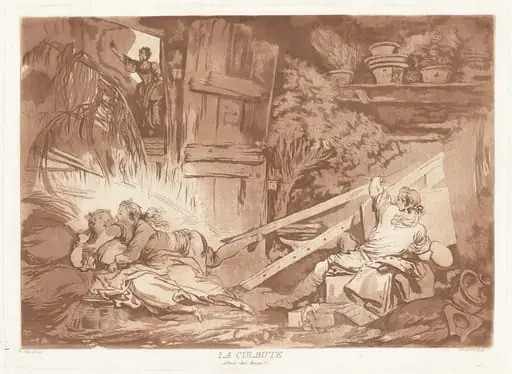 La Culbute (The Tumble)
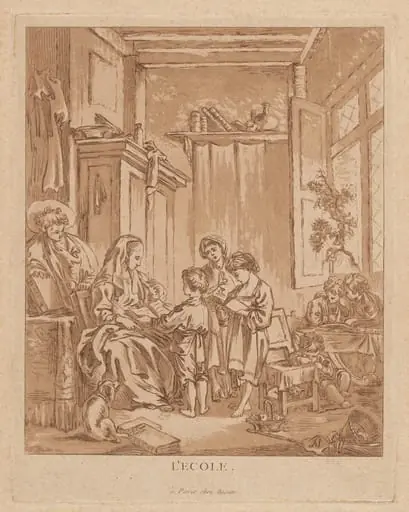 L’École (The School)
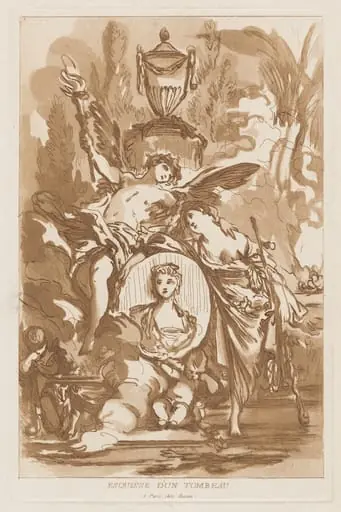 Esquisse d’un tombeau (Sketch for a Tomb)
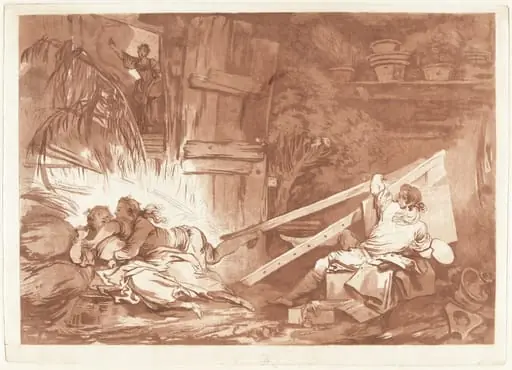 The Tumble
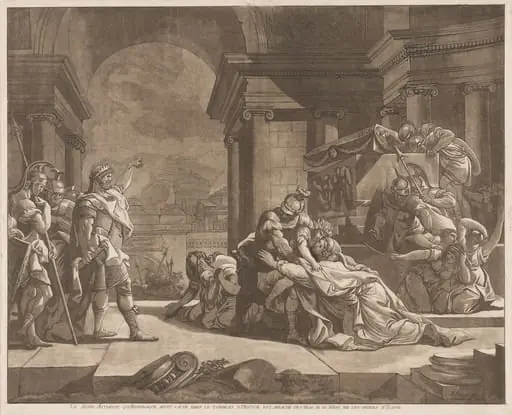 Le Jeune Astianax qu’Andromaque avoit caché dans le tombeau d’Hector est arraché des bras de sa Mere par les ordres d'Ulisse (Young Astianax, who Andromache Hid in Hector's Tomb, is Seized from his Mother's Arms by Ulysses' Orders)
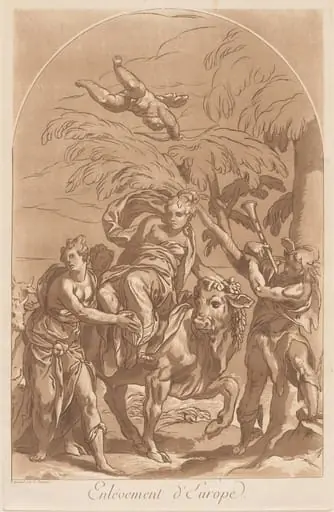 Rape of Europa
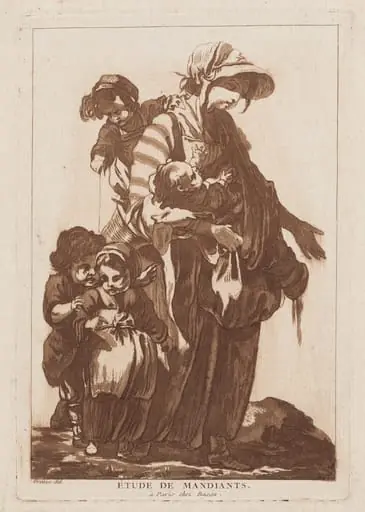 Étude de Mandiants (Study of Beggars)
 Les Graces (The Graces)
 Crêpes
 Tête-à-tête
 The Rest on the Flight into Egypt
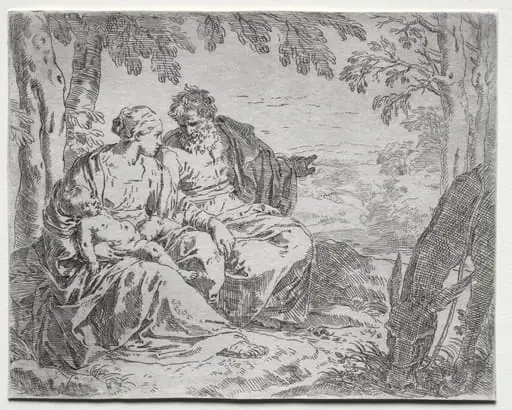 Rest on the Flight in to Egypt
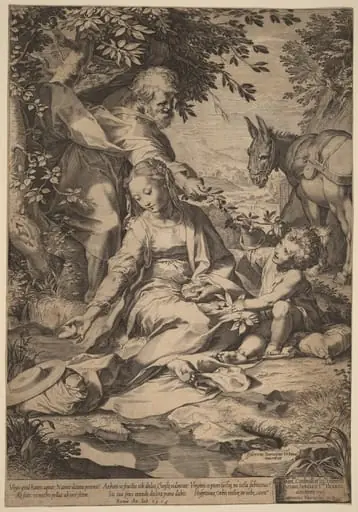 The Rest on the Return from Egypt
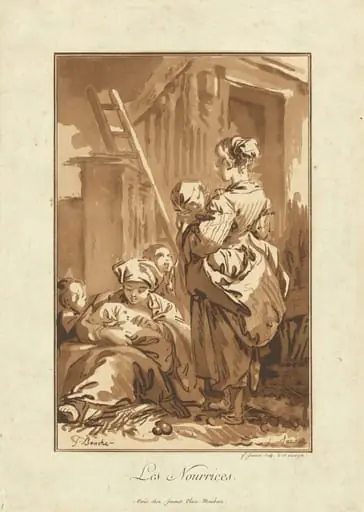 Les Nourrices (The Nurses)
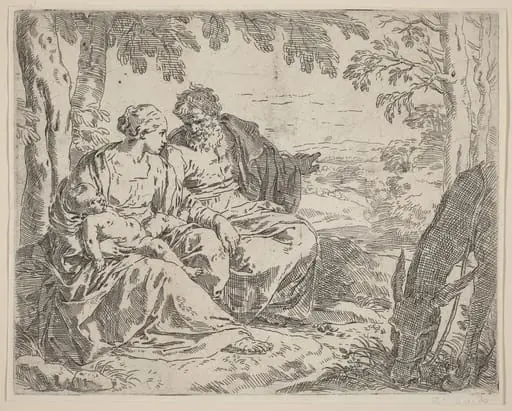 The Rest on the Flight into Egypt
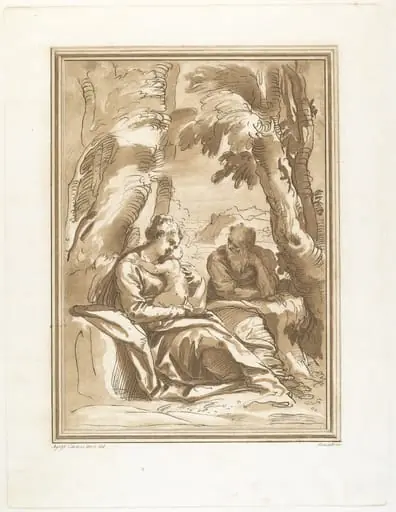 Rest on the Flight into Egypt
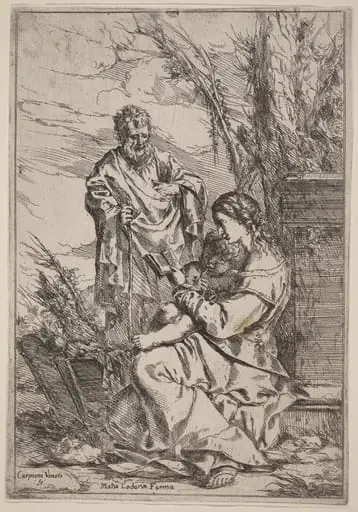 Holy Family with the Virgin Reading
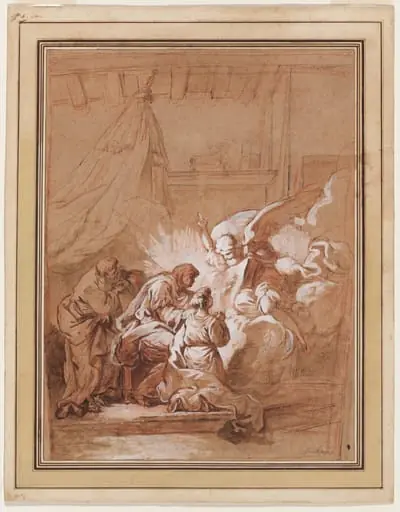 The Education of the Virgin
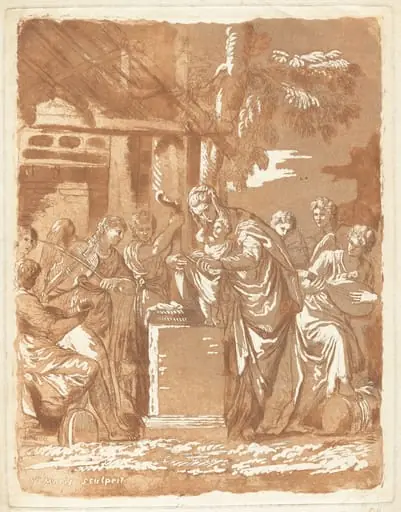 Concert des Anges autour de l'enfant Jesus (Concert of Angels around the Infant Jesus)