Artwork
The Voyage to Paris
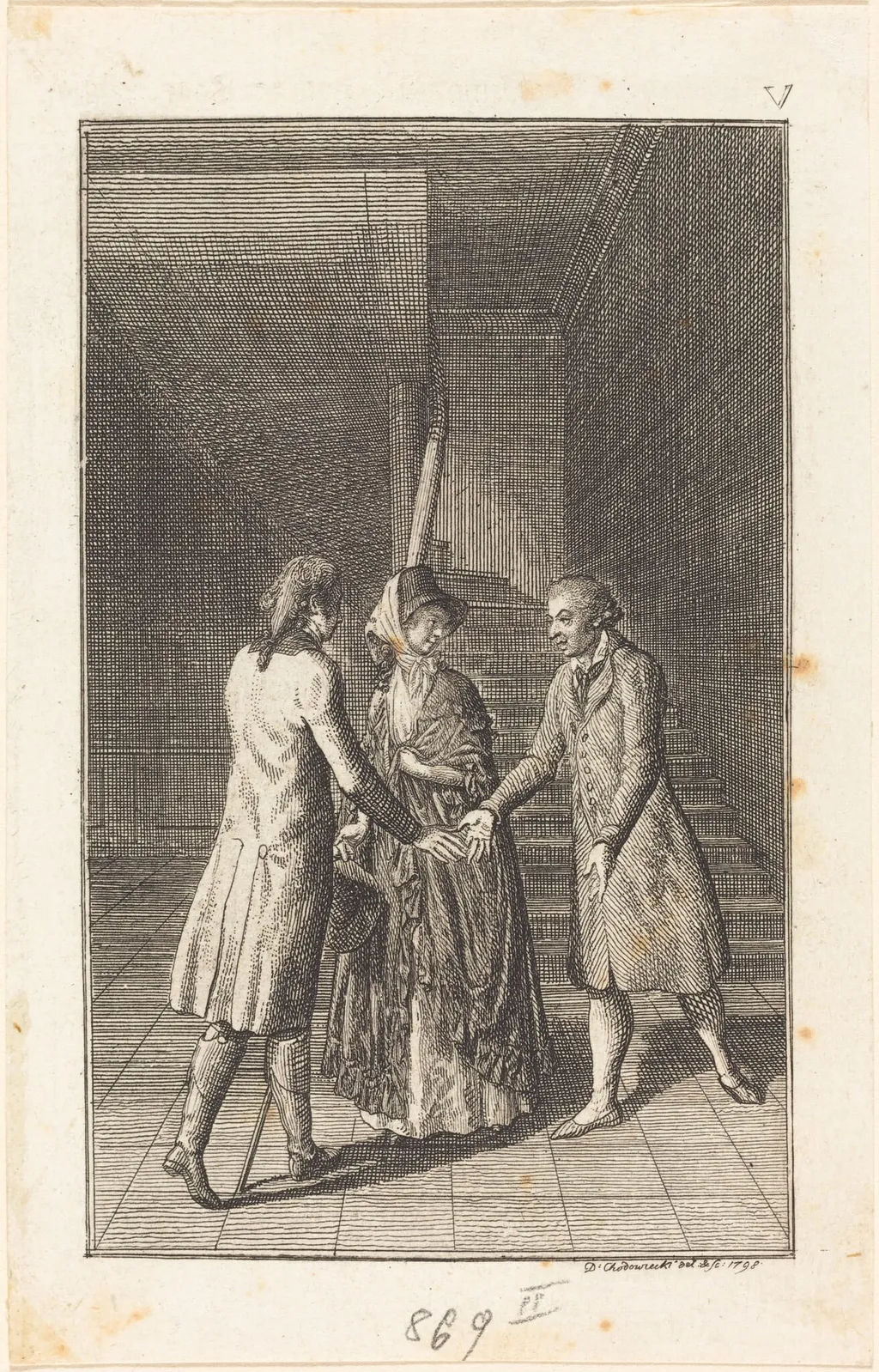
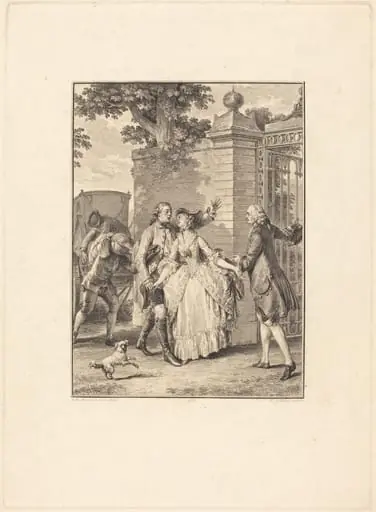
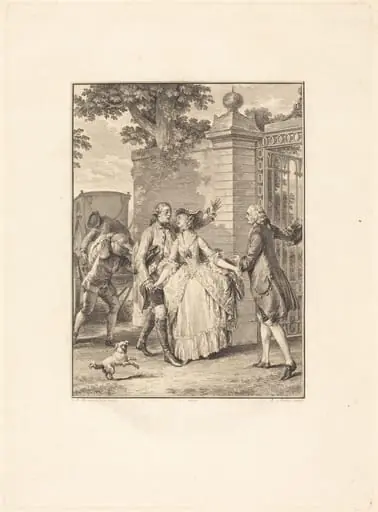
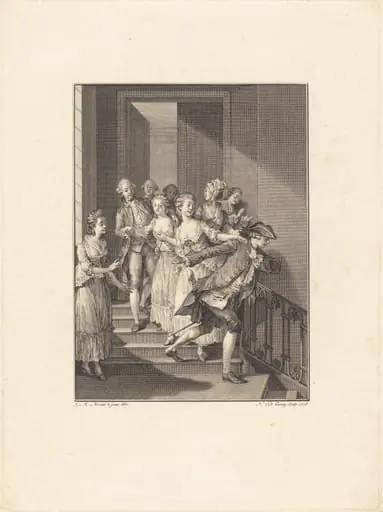
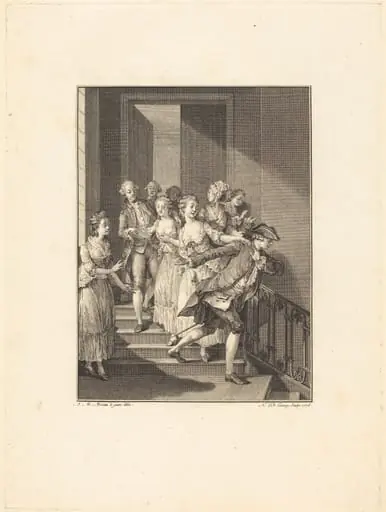
The Voyage to Paris is an ink print by the Romanticist artist Daniel Nikolaus Chodowiecki. It dates from 1798 and is held in the collection of the National Gallery of Art.
About this work
Overview
Created in 1798 by Daniel Nikolaus Chodowiecki, *The Voyage to Paris* is an etching that captures a moment of quiet interpersonal exchange.
Created in 1798 by Daniel Nikolaus Chodowiecki, *The Voyage to Paris* is an etching that captures a moment of quiet interpersonal exchange. Chodowiecki, a Berlin-based artist of Huguenot and Polish descent, was renowned for his meticulous printmaking and narrative sensitivity. This work exemplifies his lifelong engagement with everyday scenes, rendered with subtle detail and emotional restraint. Though titled with reference to Paris, the image focuses on an intimate interior moment rather than a grand journey.
Subject & Meaning
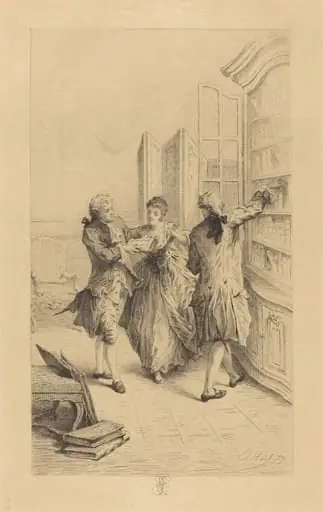
The scene portrays three figures in a dimly lit hallway: a woman centered between two men, each dressed distinctly. The woman, wrapped in a headscarf and long dress, appears to be the focal point, while the men, one in a long coat and hat, the other in a shorter coat, seem to be listening or responding. The lack of overt action suggests contemplation or farewell. The title implies movement or transition, yet the image arrests time, inviting reflection on personal connections amid travel or displacement.
Technique & Style
Chodowiecki employed fine-line etching to achieve delicate tonal gradations and precise figure rendering. The composition relies on subtle contrasts of light and shadow to define space, with the staircase receding into soft indistinctness behind the figures. Clothing textures and facial expressions are suggested rather than fully detailed, enhancing the sense of quiet intimacy. His technique prioritizes narrative clarity over dramatic effect, aligning with Enlightenment-era interests in human behavior and social nuance.
History & Provenance
The etching was produced during Chodowiecki’s tenure at the Berlin Academy of Art, where he served as director and influenced generations of printmakers. While specific early ownership records are sparse, the work aligns with his broader output of domestic and travel-themed prints circulated widely in late 18th-century Germany. It was likely intended for private collectors or as part of a thematic series, reflecting the period’s growing appetite for illustrated narratives of ordinary life.
Context
In the late 1790s, Europe was reshaped by war, migration, and shifting social norms. Travel, especially for women and those of modest means, carried symbolic weight. Chodowiecki’s focus on unassuming interiors and restrained gestures mirrors broader cultural interests in private emotion and moral reflection. His work stood apart from grand historical or mythological subjects, instead elevating quiet, relatable moments as worthy of artistic attention.
Legacy
Chodowiecki’s etchings, including *The Voyage to Paris*, contributed to the elevation of printmaking as a medium for narrative and psychological depth. His influence extended through his teaching and publications, helping to establish a tradition of intimate, observational printmaking in Central Europe. Though less celebrated today than his contemporaries, his works remain valued for their sensitivity to human interaction and their quiet documentation of everyday life in a turbulent era.
Artist & collection
Artist
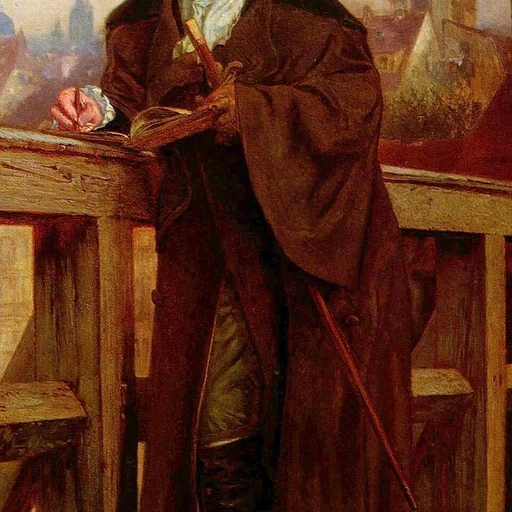
Daniel Niklaus Chodowiecki (16 October 1726 – 7 February 1801) was a German painter and printmaker of Huguenot and Polish ancestry, who is most famous as an etcher.